
Vintage Sunglasses
During the twentieth century the role of spectacles evolved dramatically, transforming a largely functional object into the ultimate fashion accessory. The concept of fashionable spectacles, opposed to them serving simply as a medical necessity was revolutionary, defining a whole new concept and industry. Eyewear was now a fashion accessory, instead of hiding their glasses away, people could enjoy wearing them and be playful and experimental in their choices.
So how were the iconic designs of vintage sunglasses developed? Who was responsible for making them and why are they still so popular today? By looking back through the history books we can pinpoint exact moments in time that were transformational to the industry, from developments in material, to the rise of celebrity….each historical event has made a significant impact on both the design aesthetic and the way we wear eyewear today.
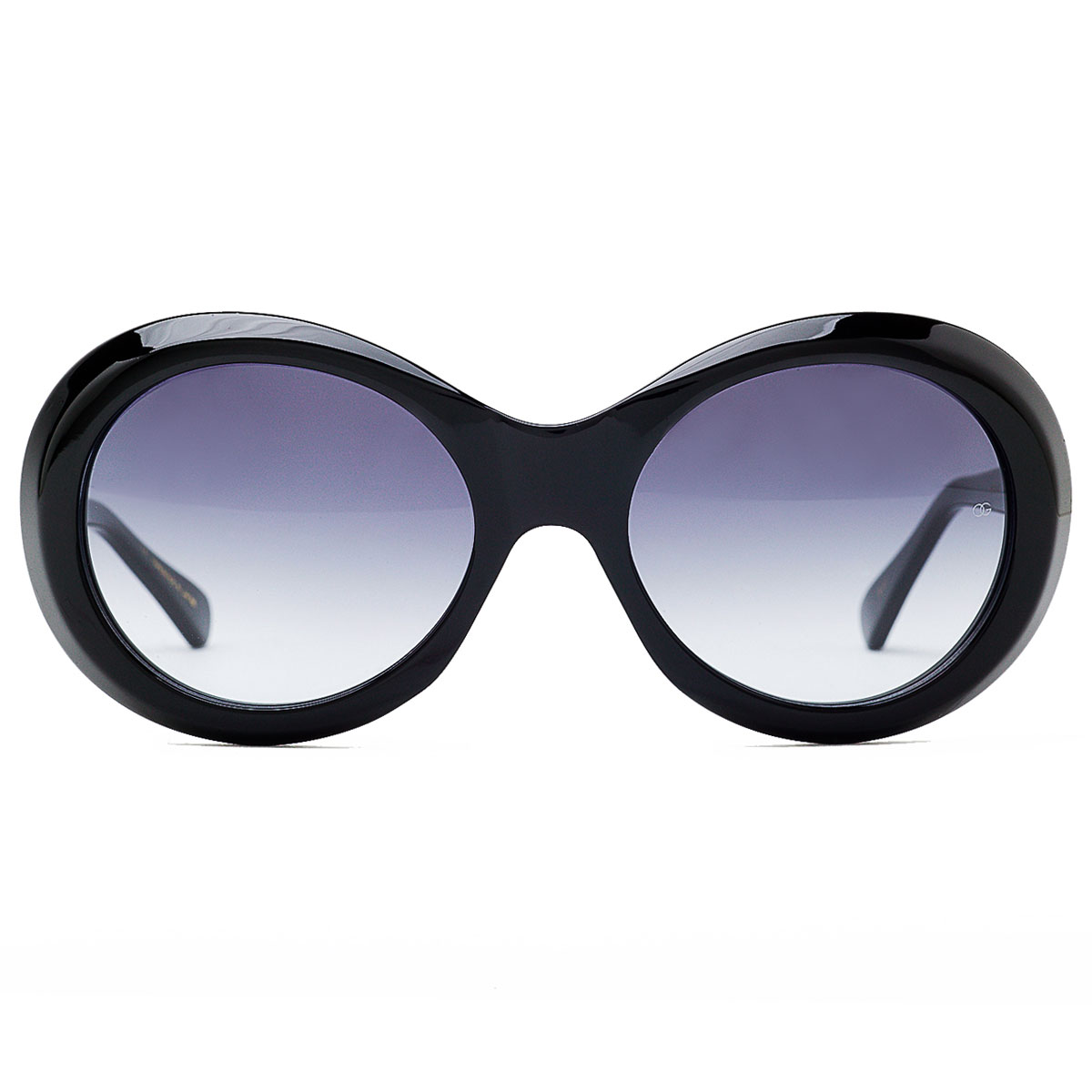
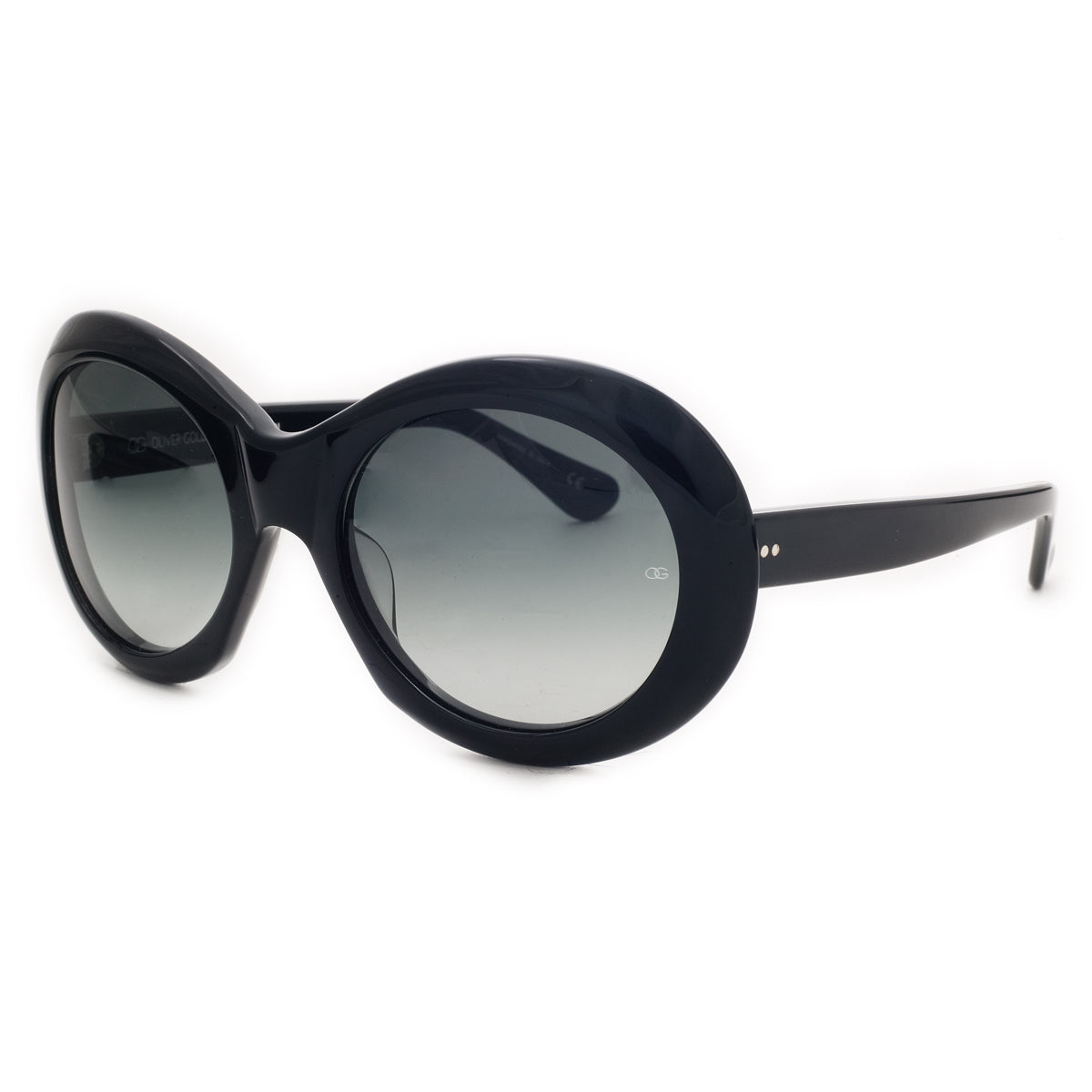
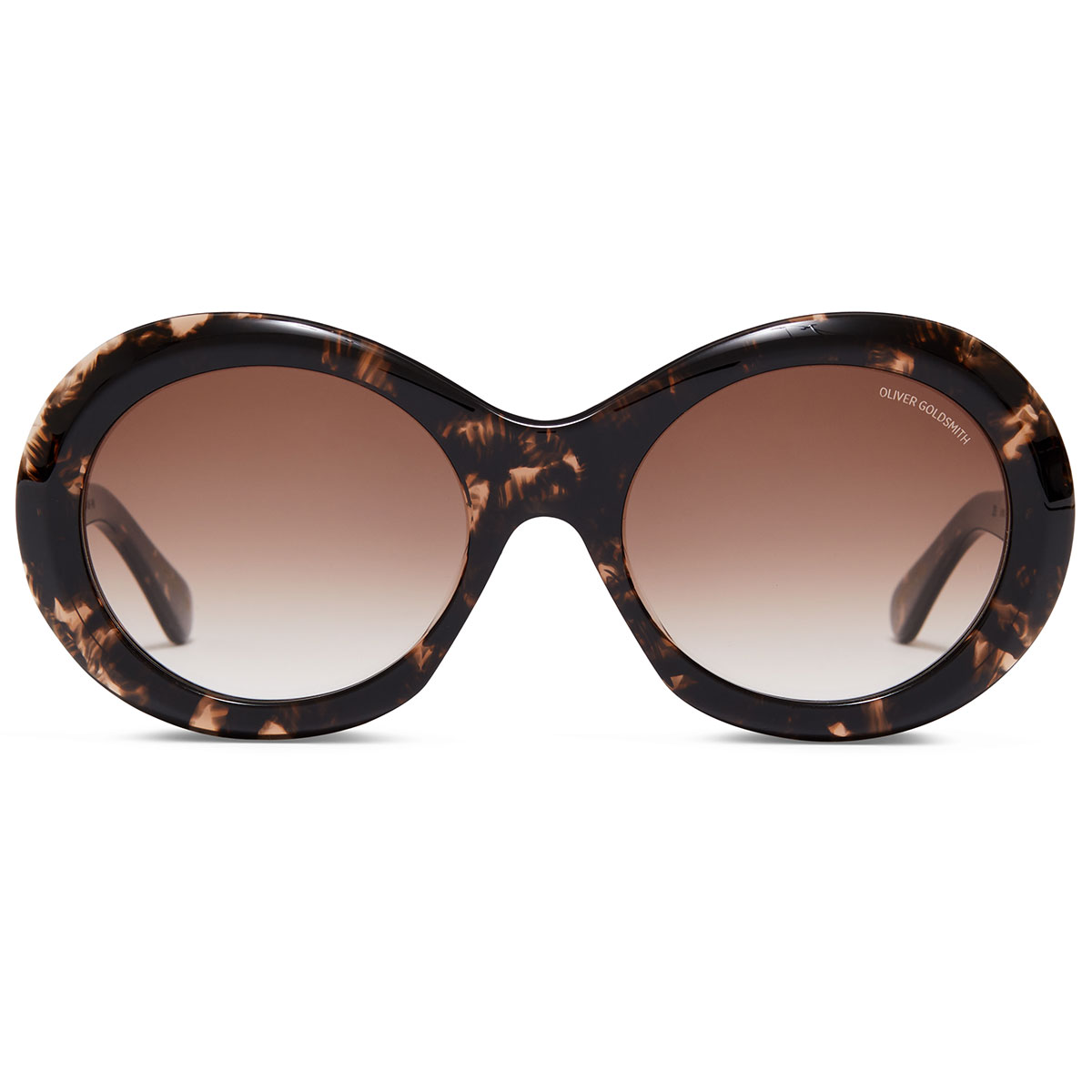
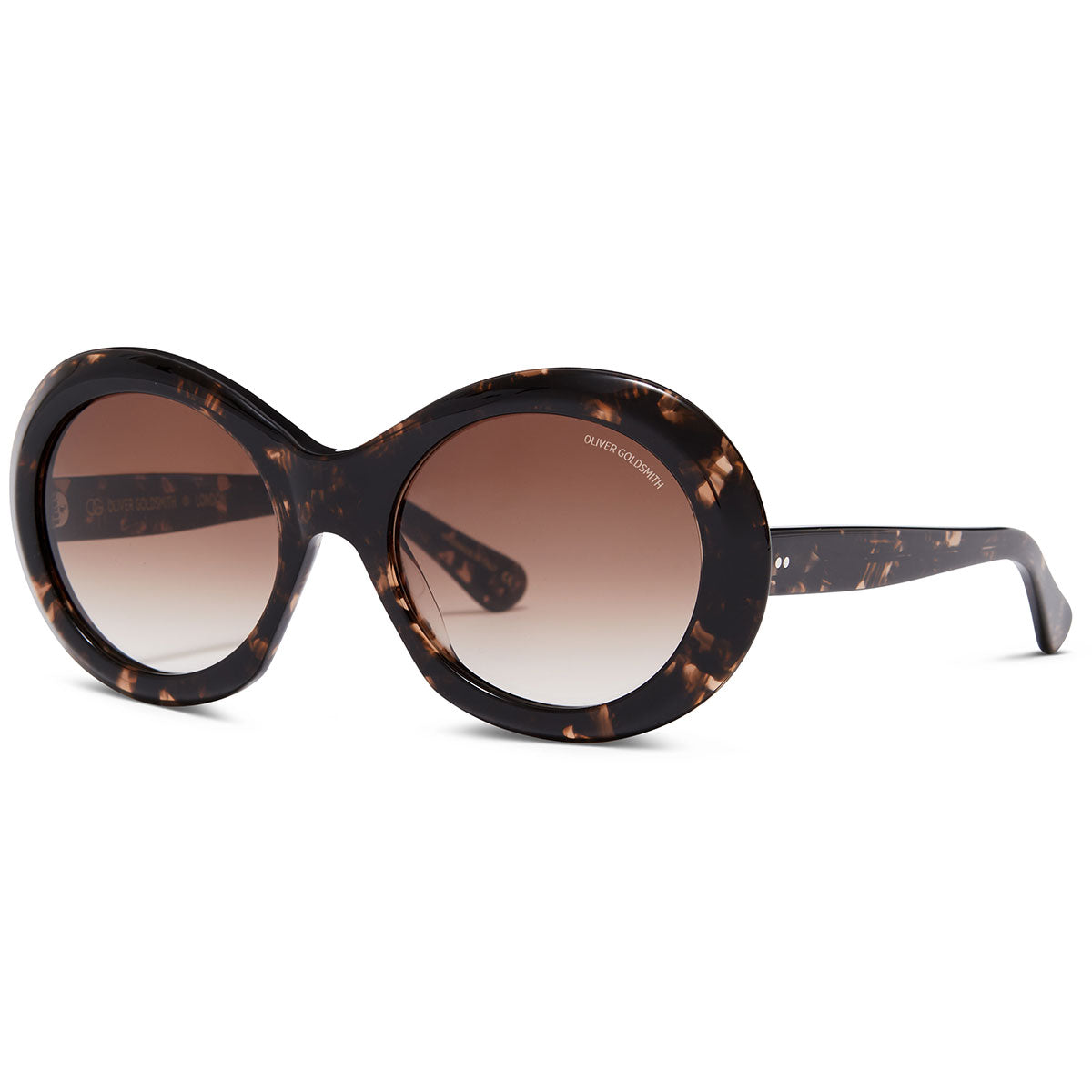
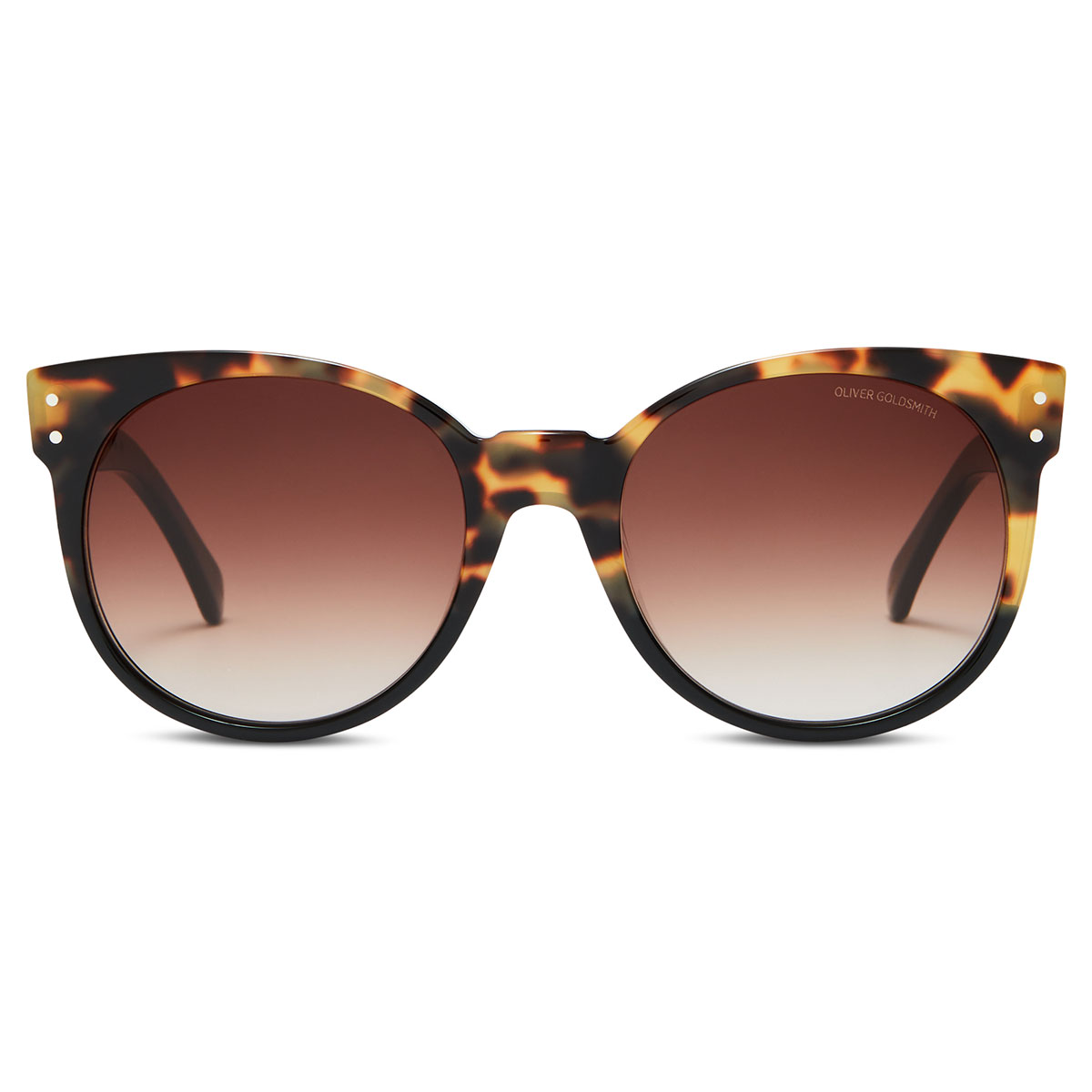
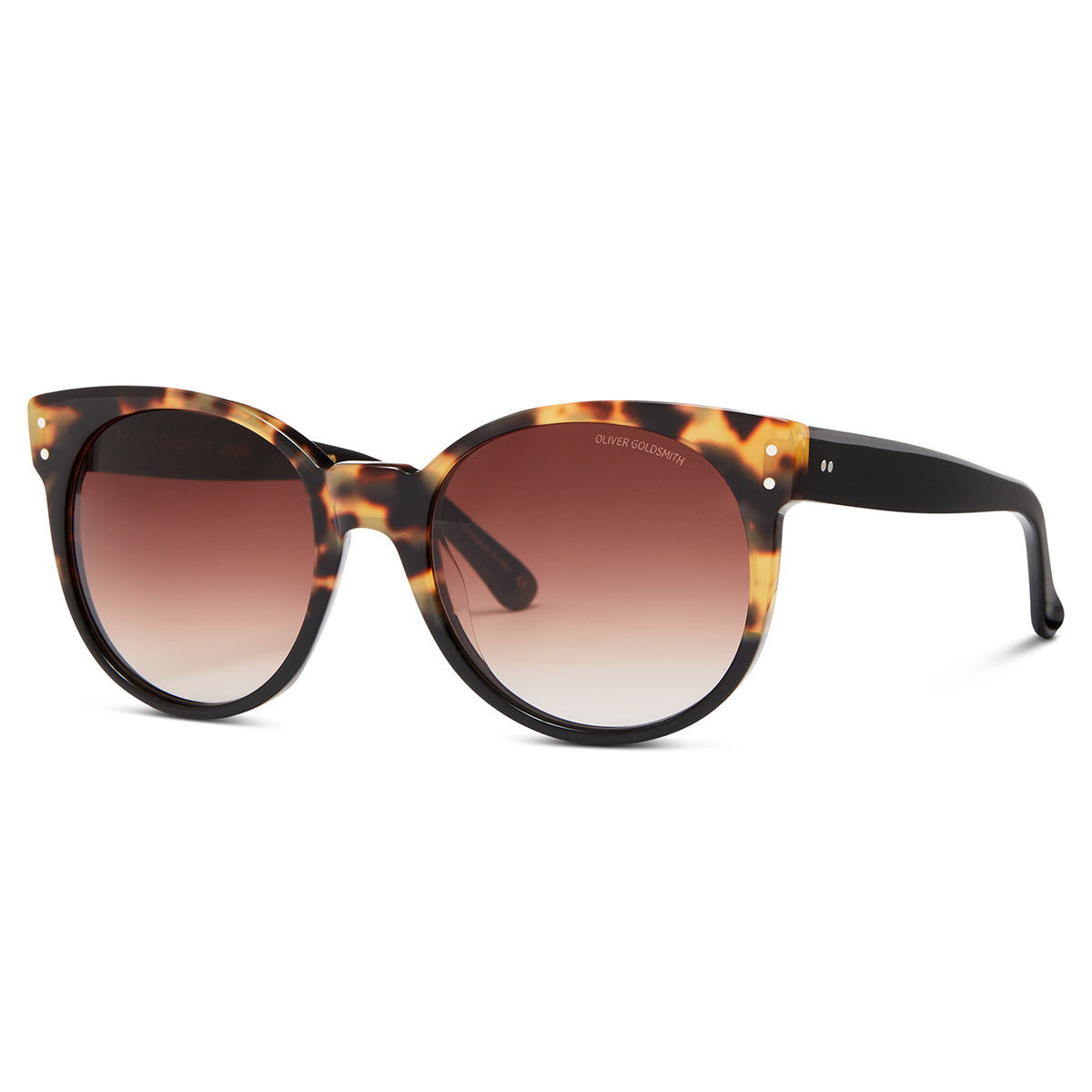
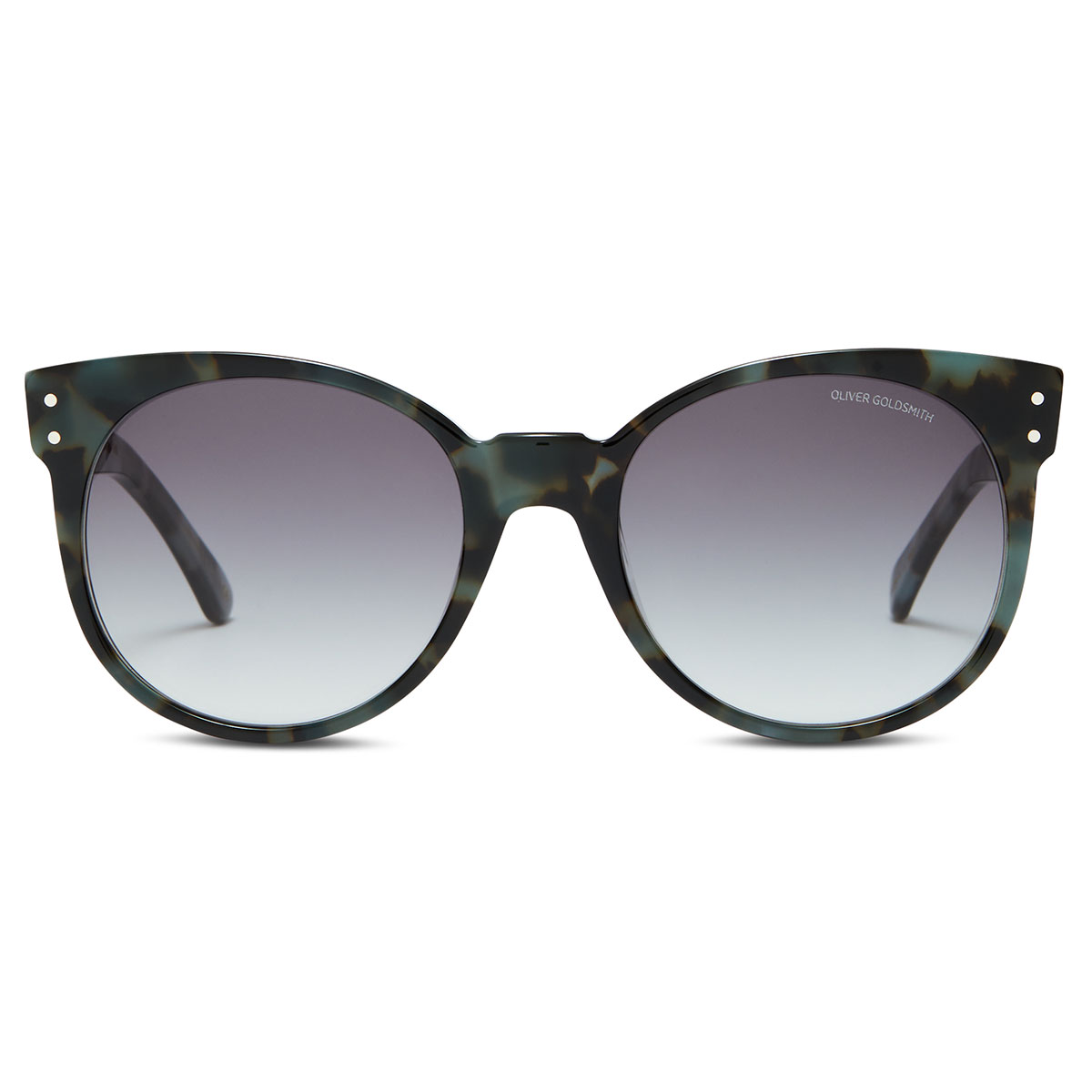
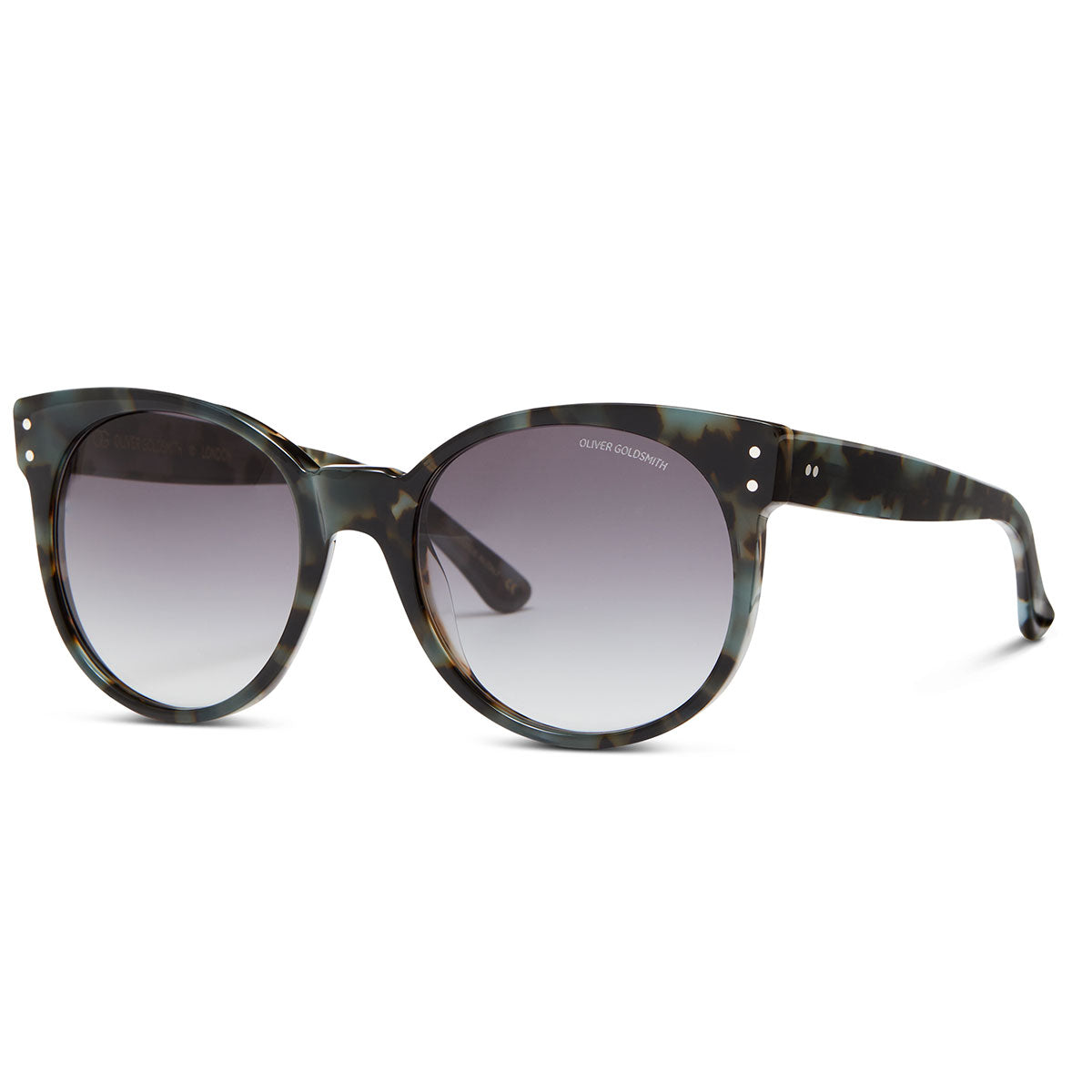
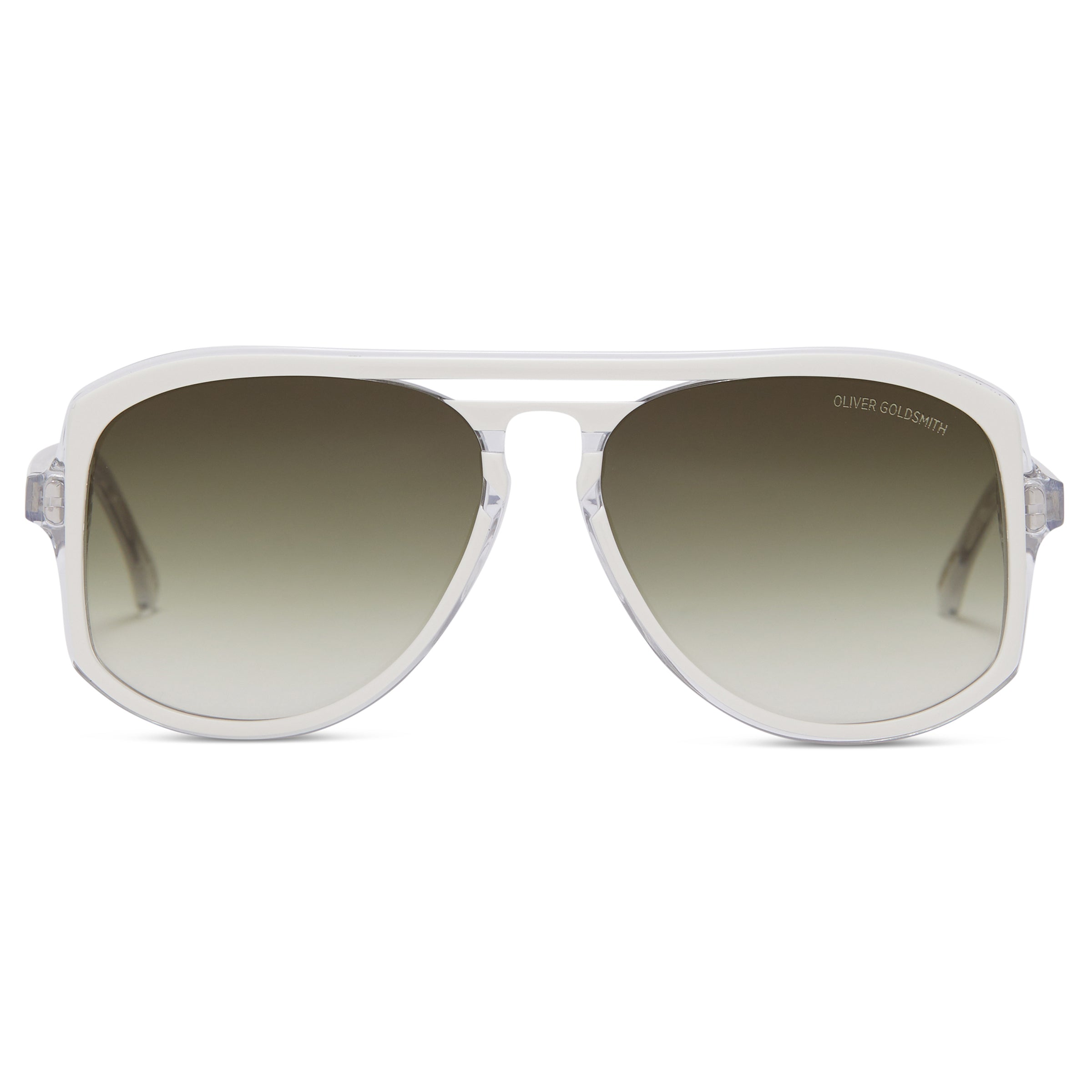
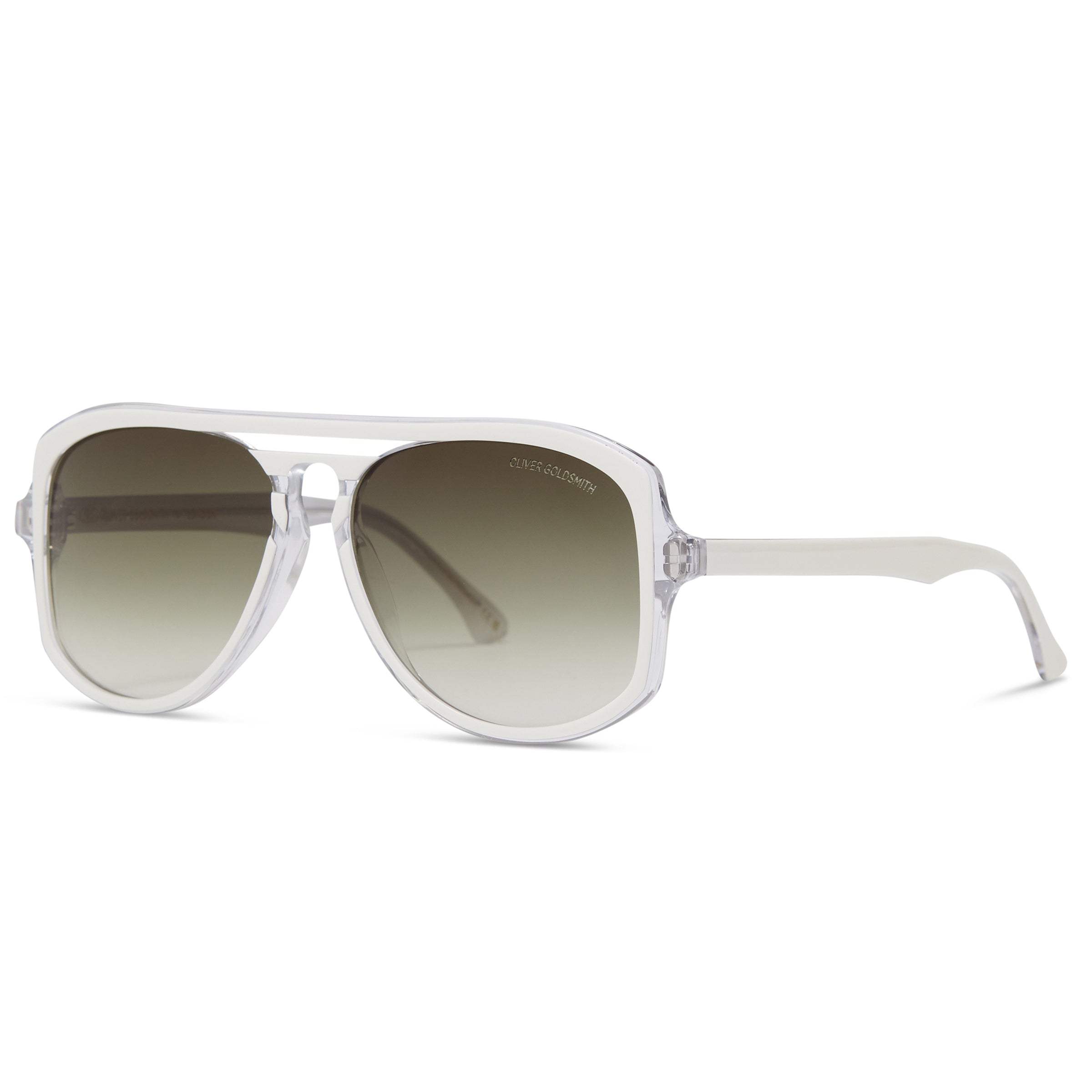
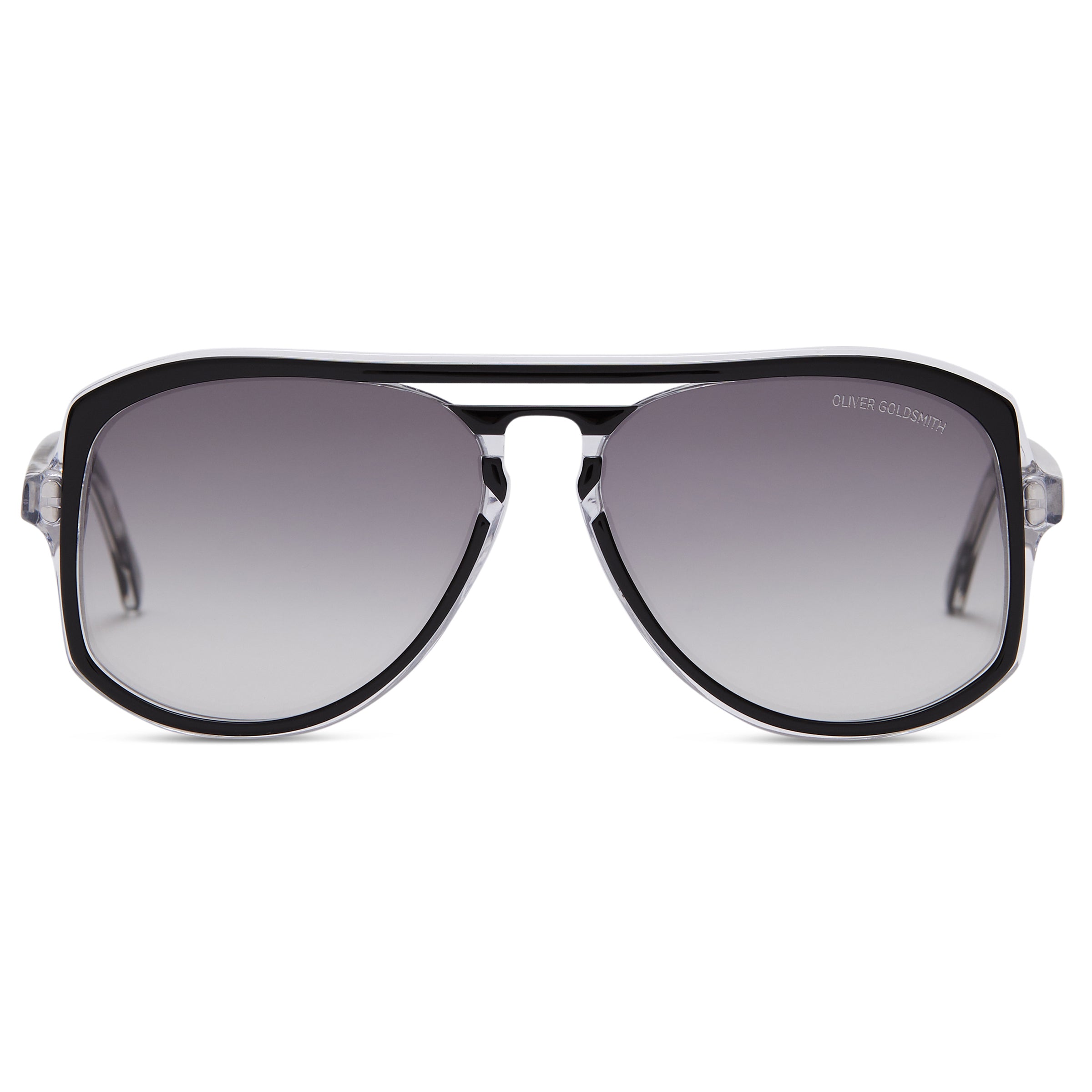
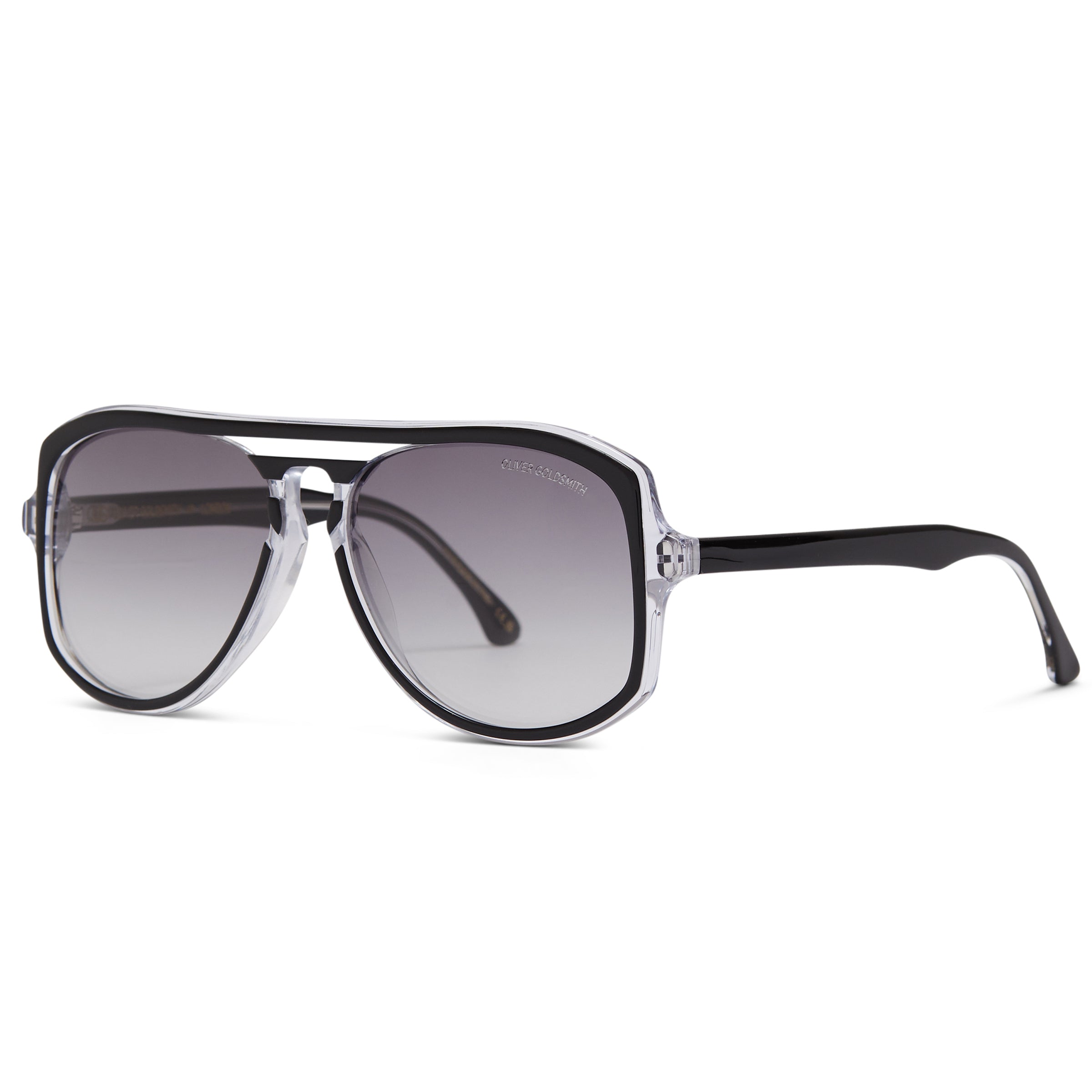
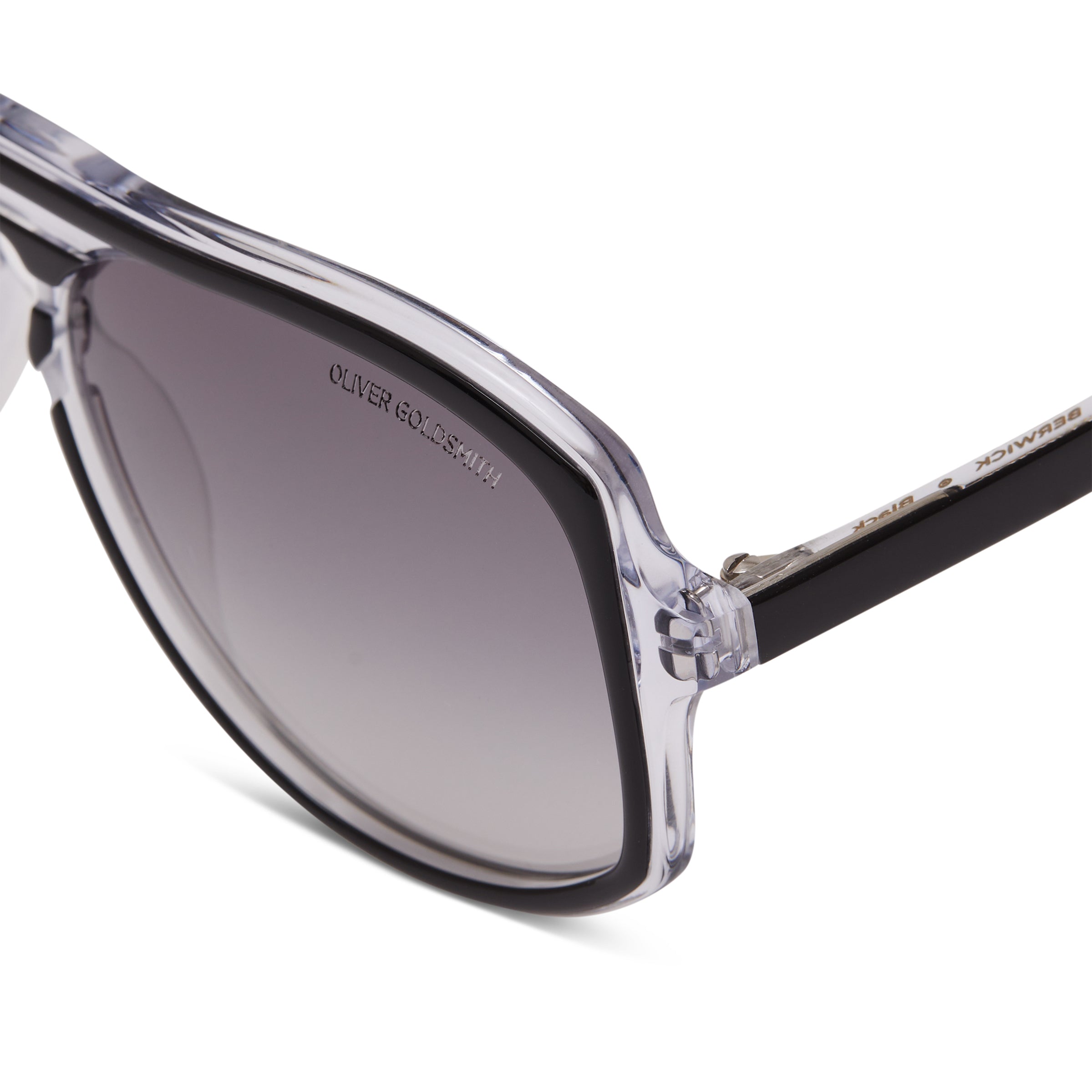
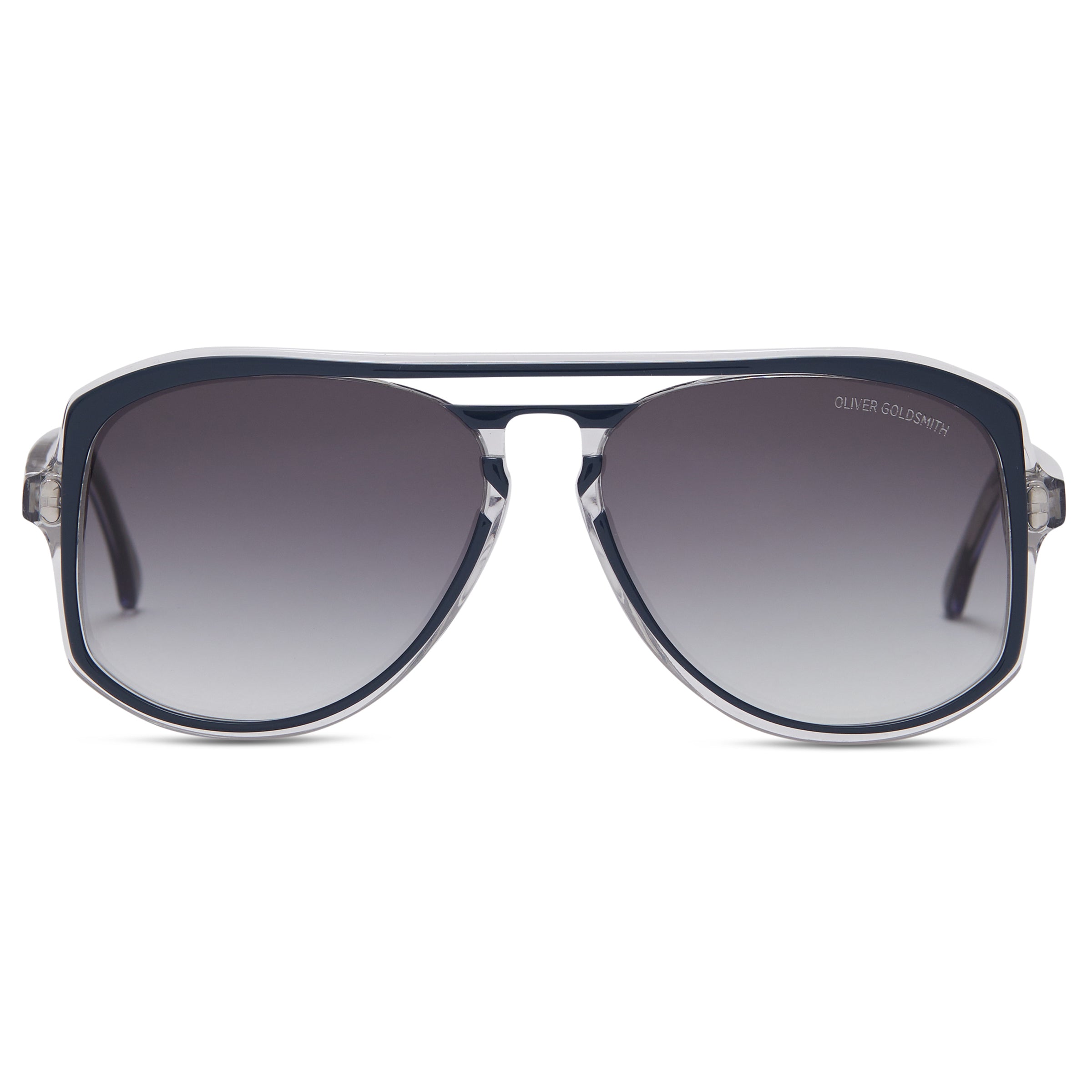
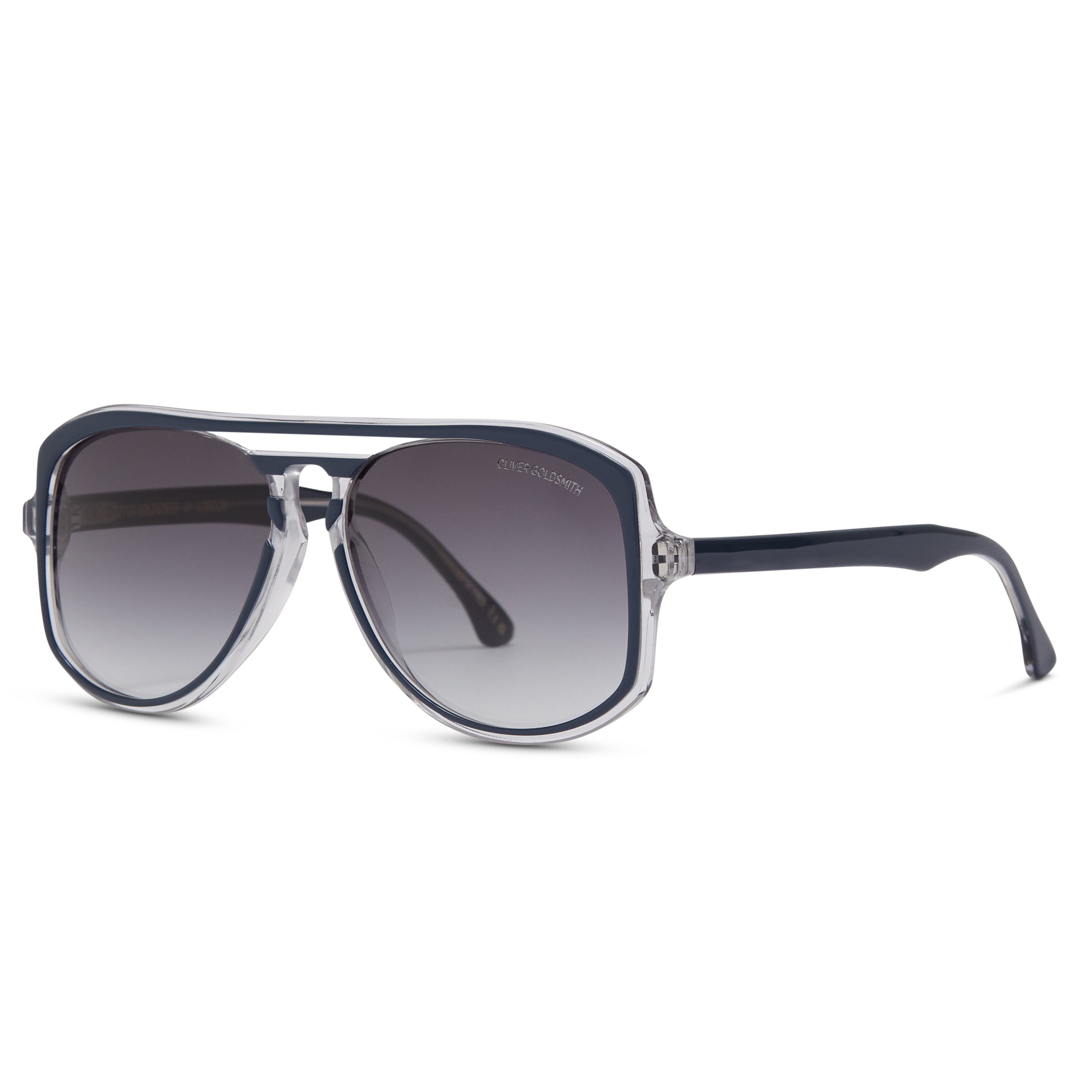
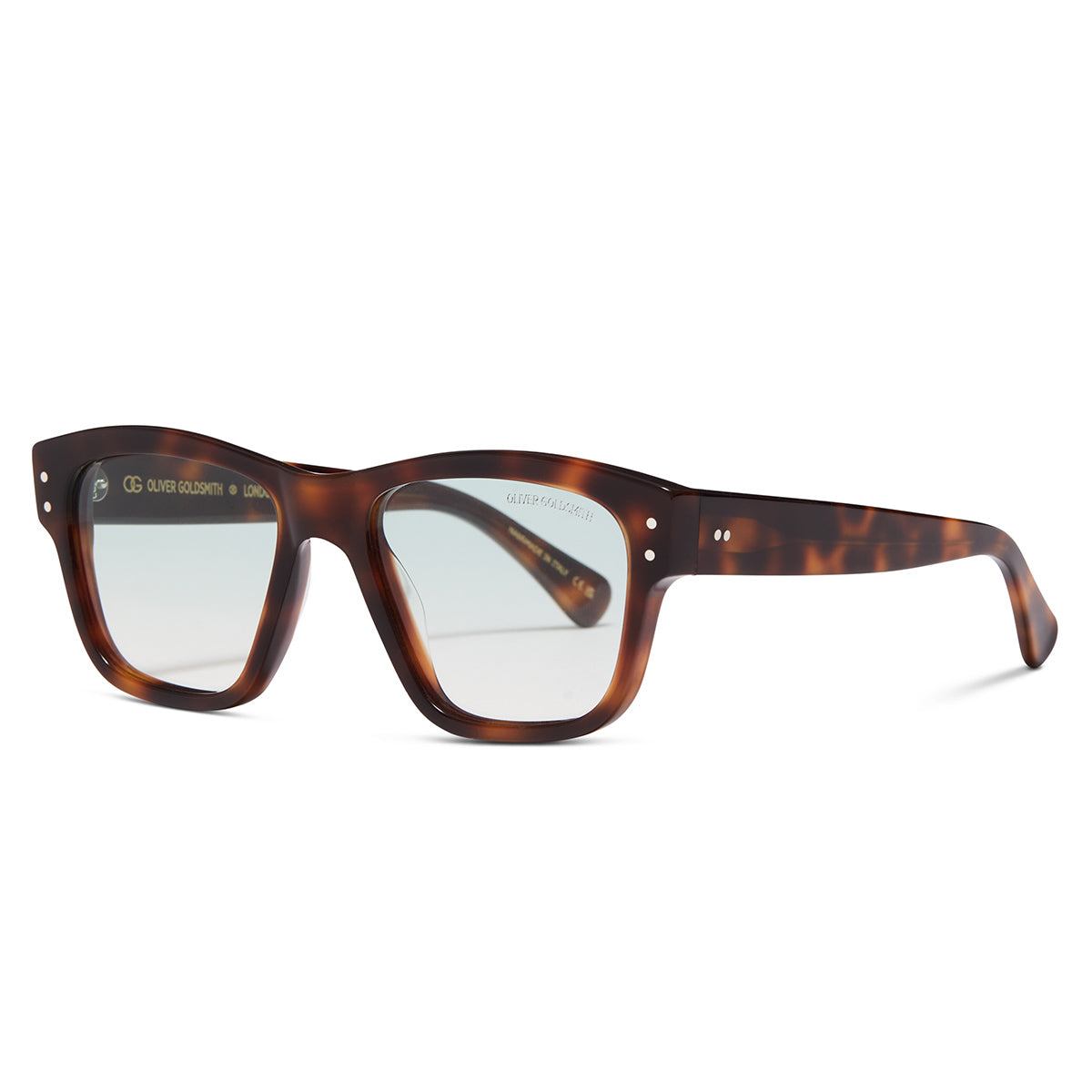
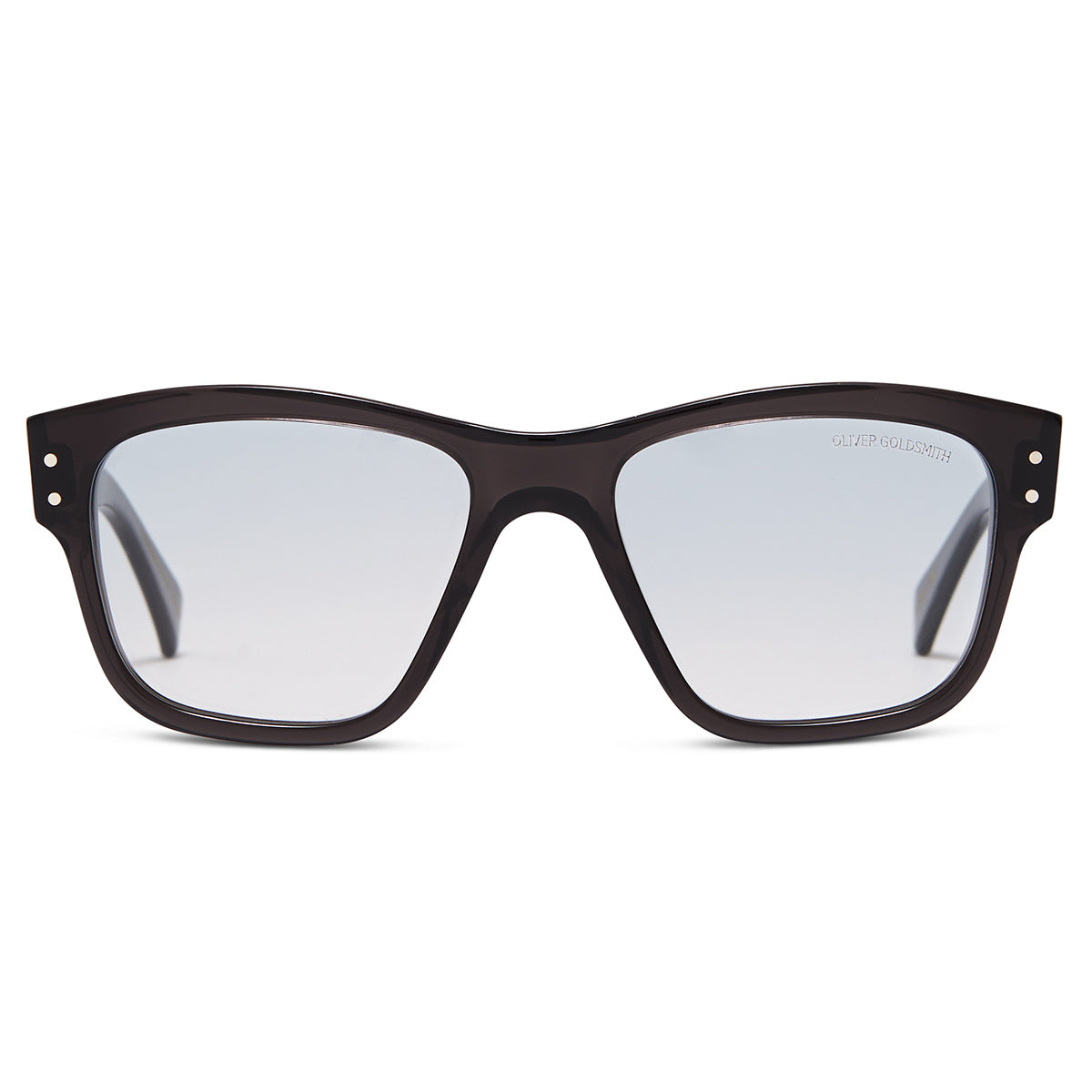
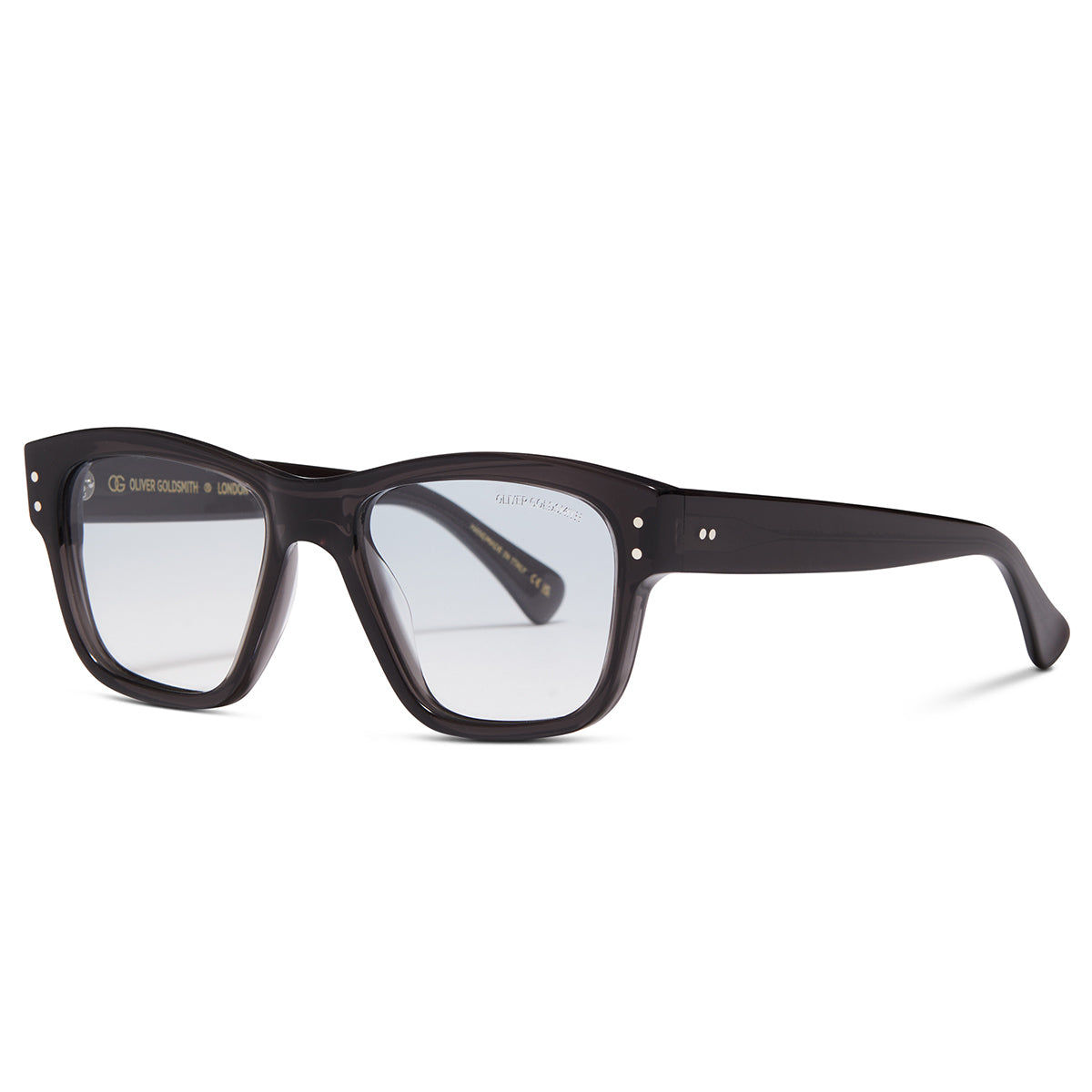
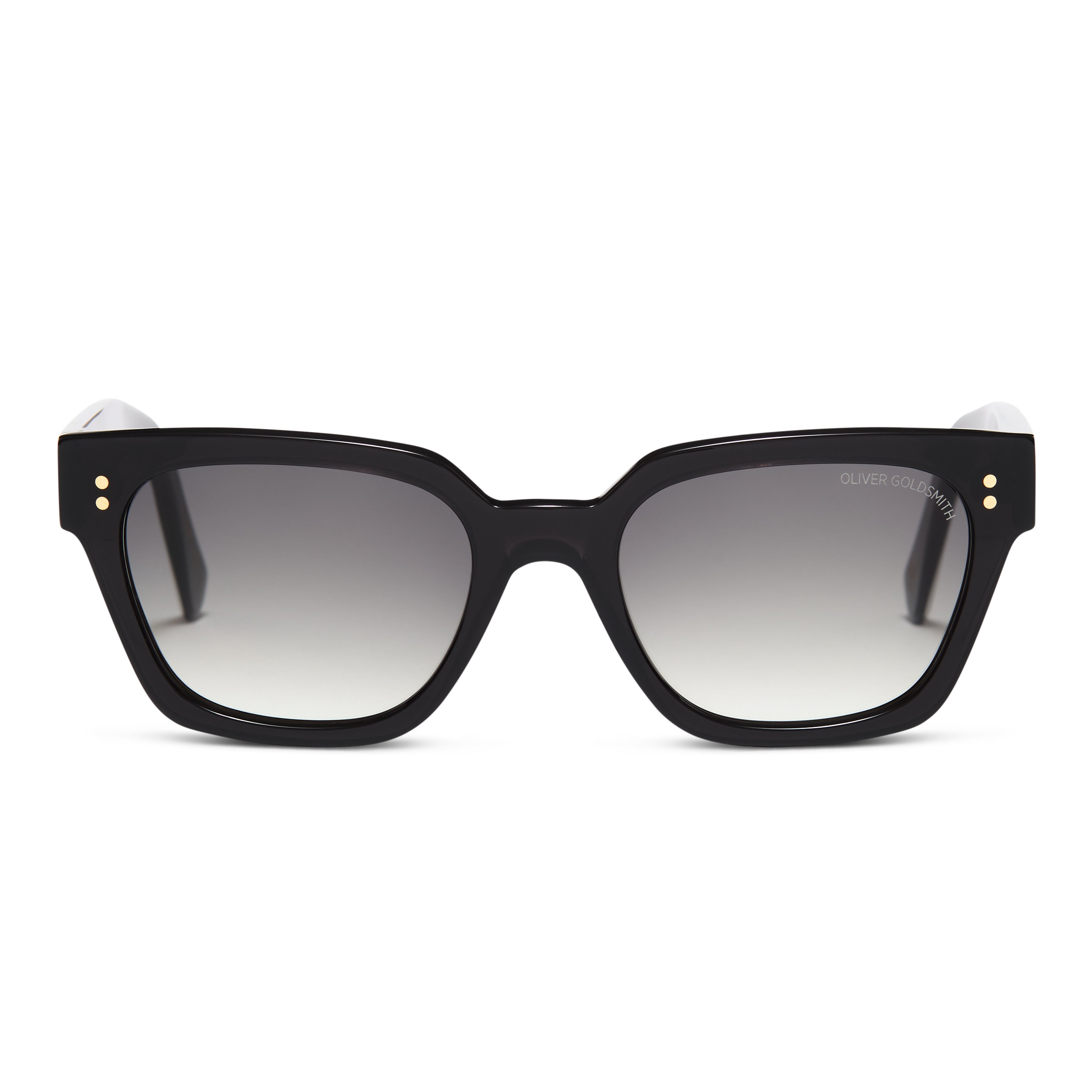
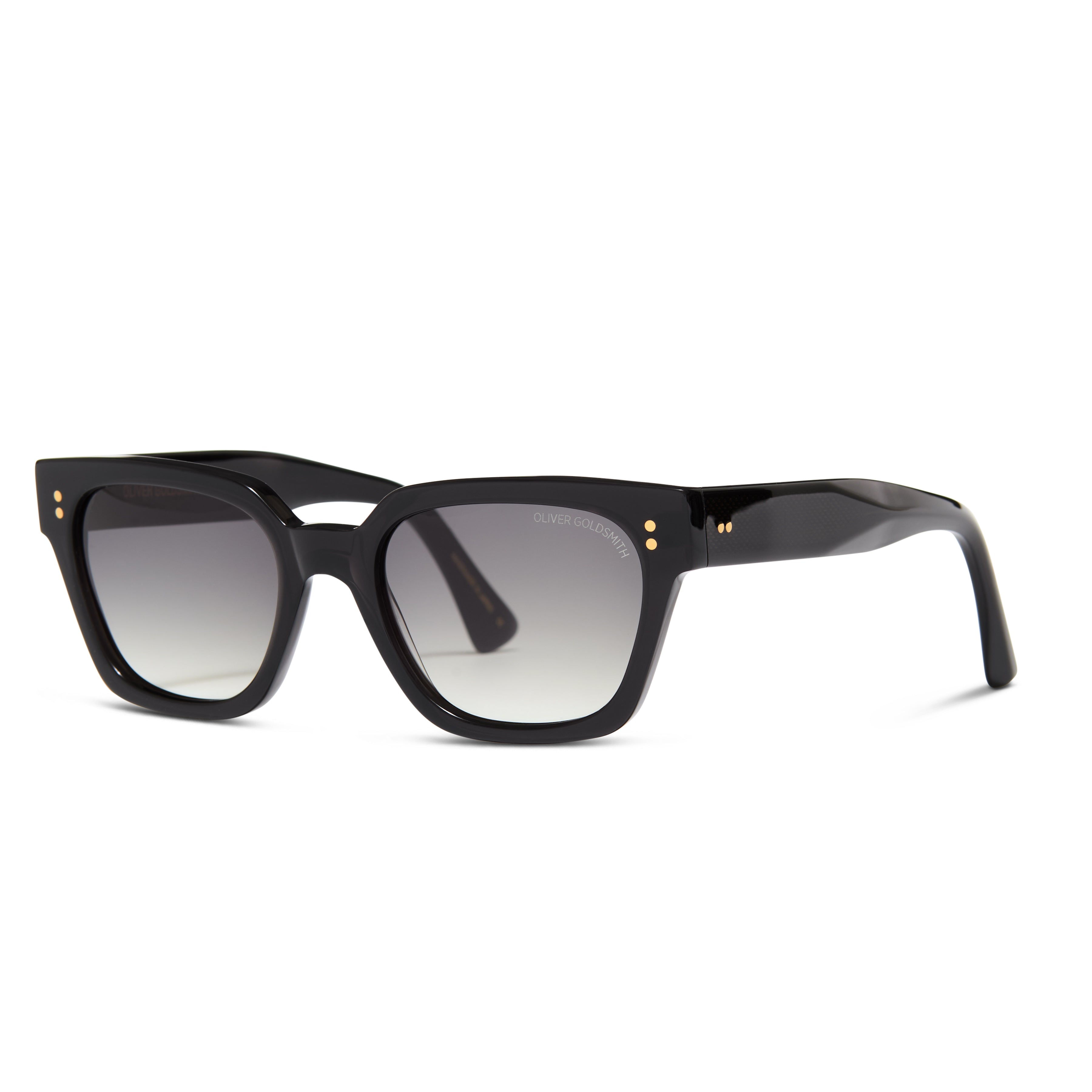
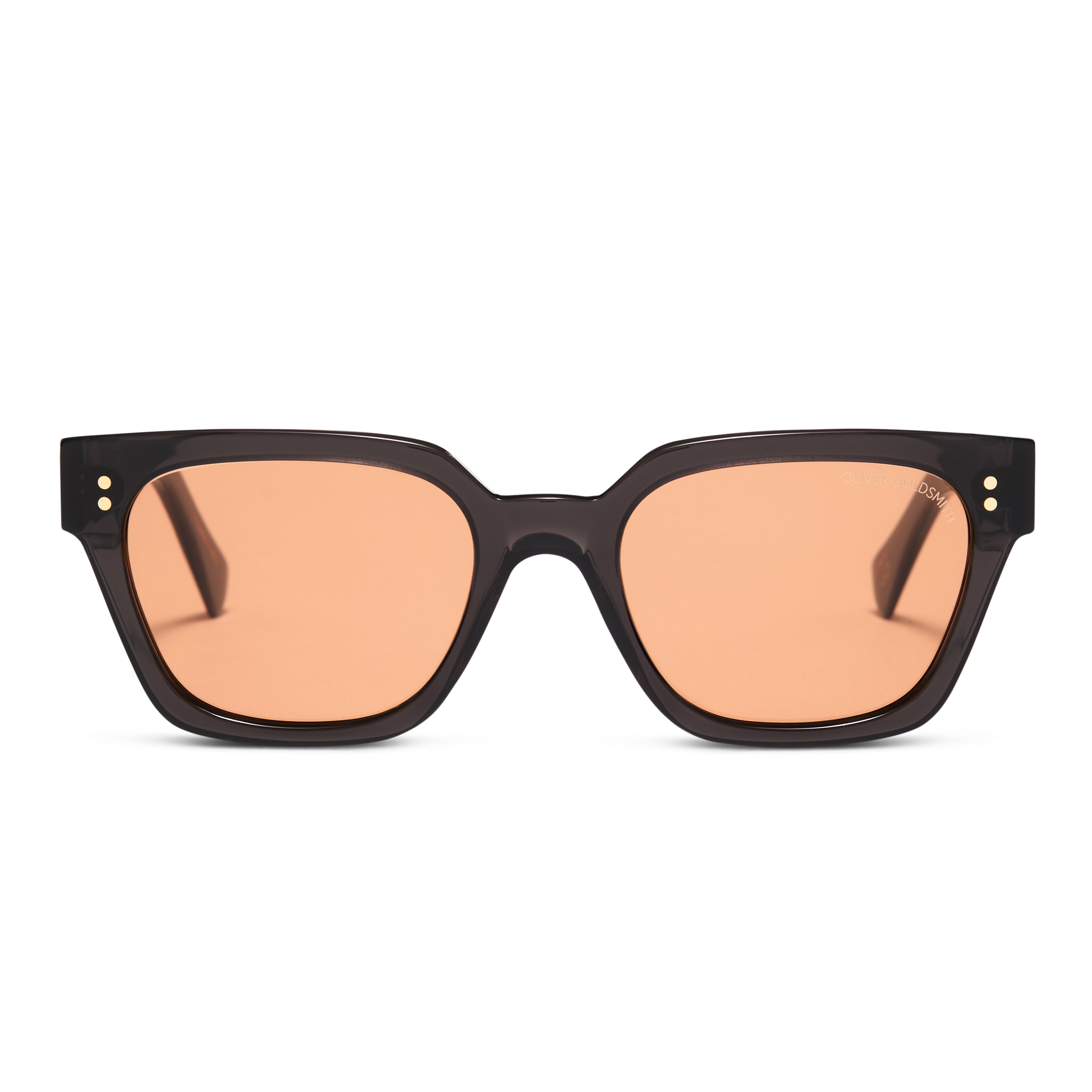
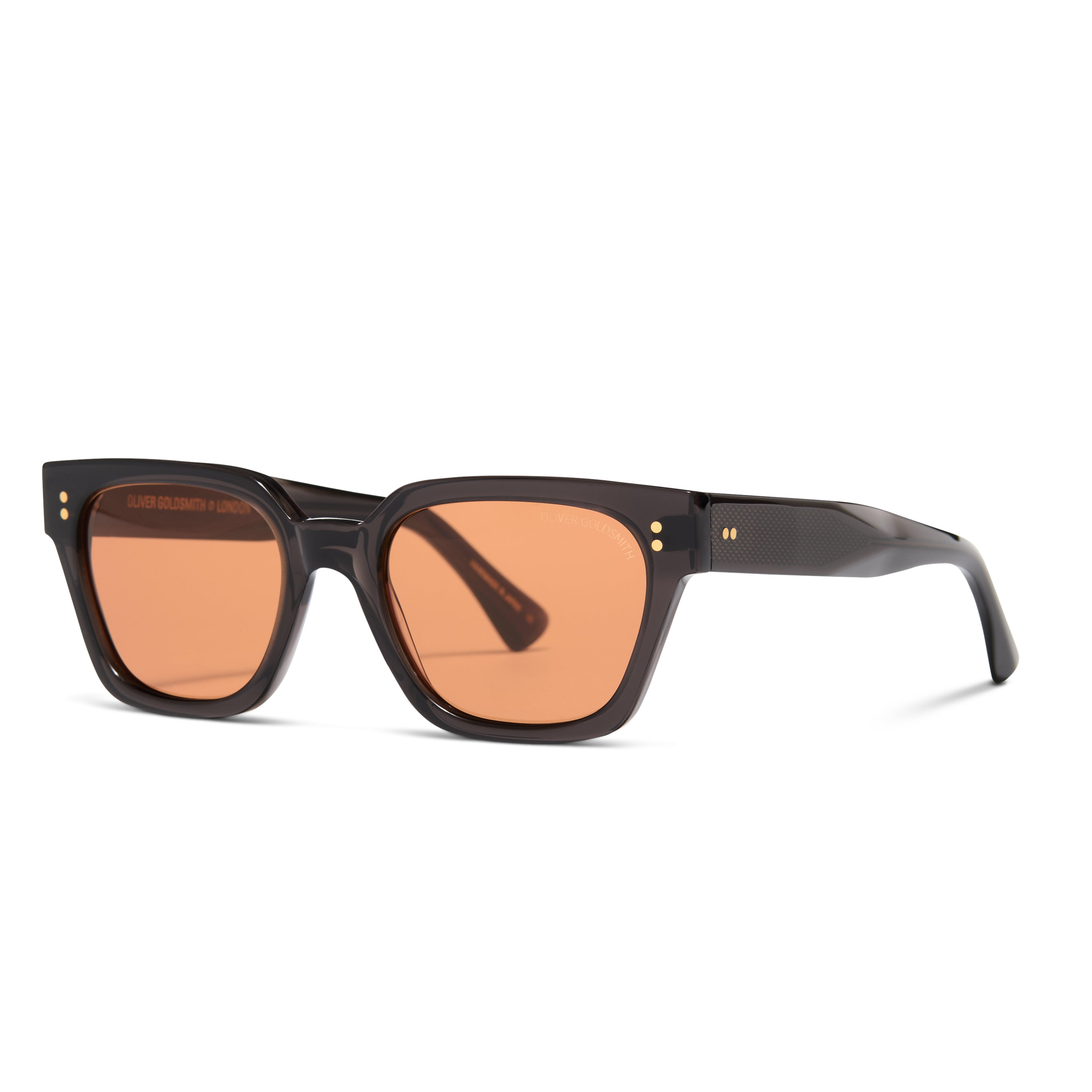
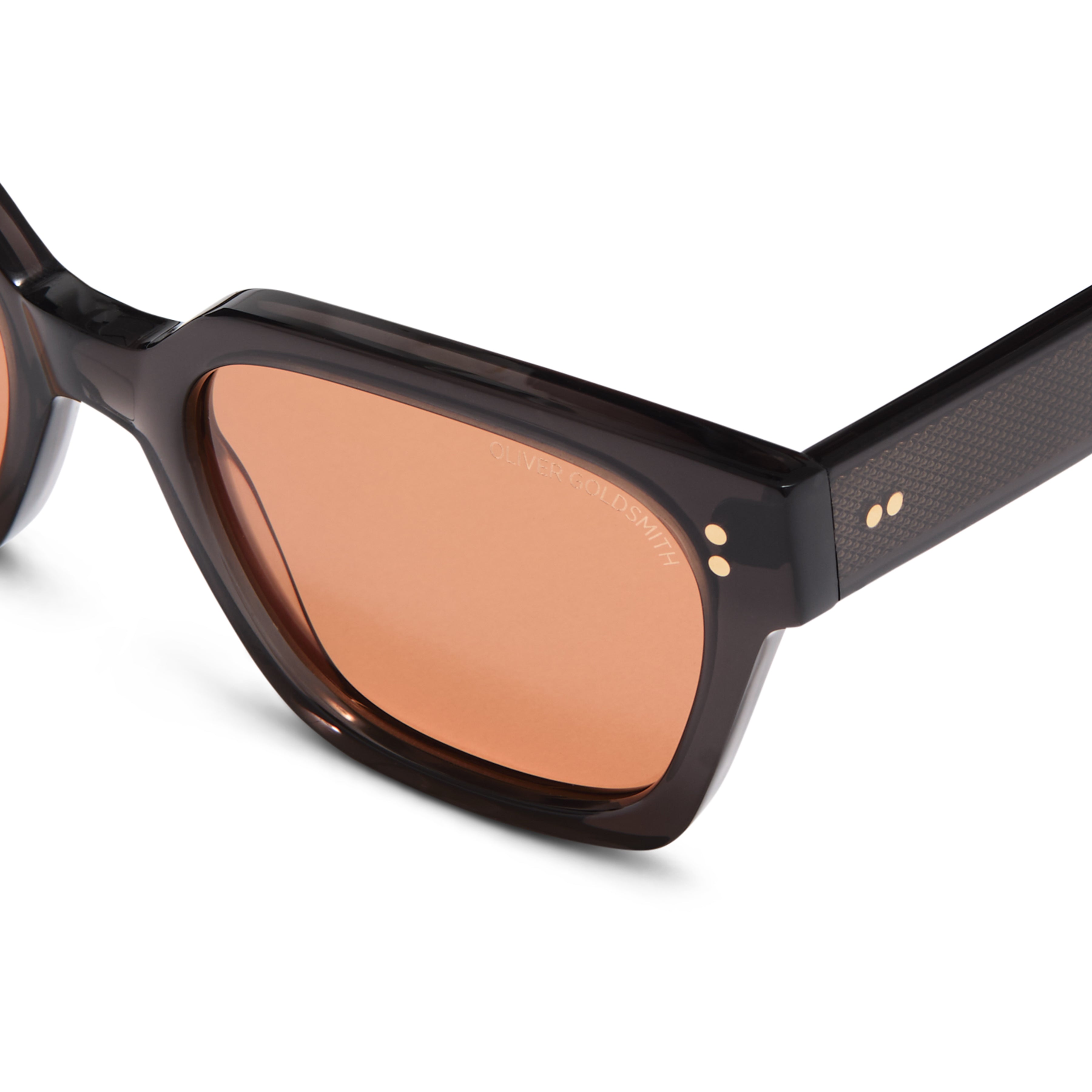
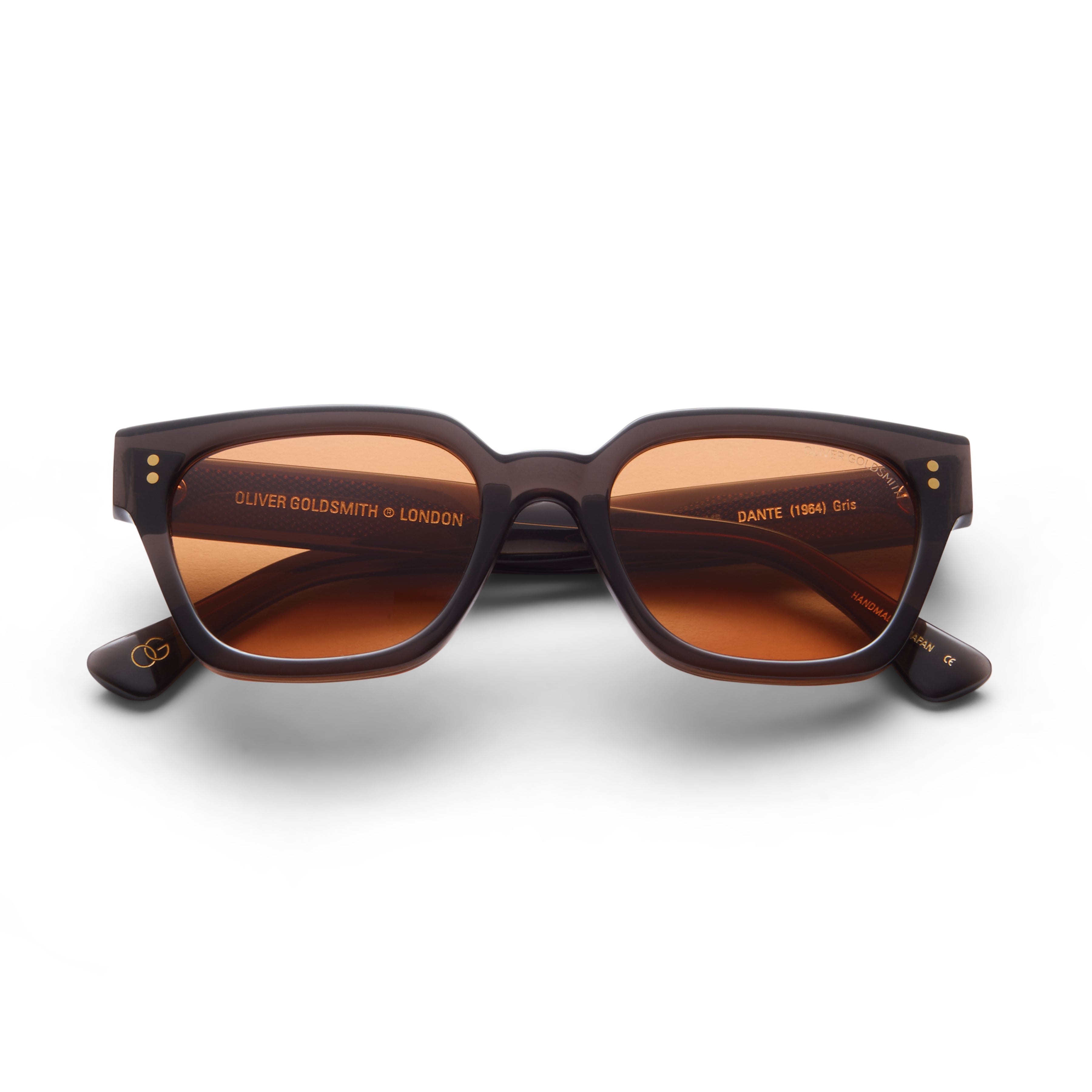
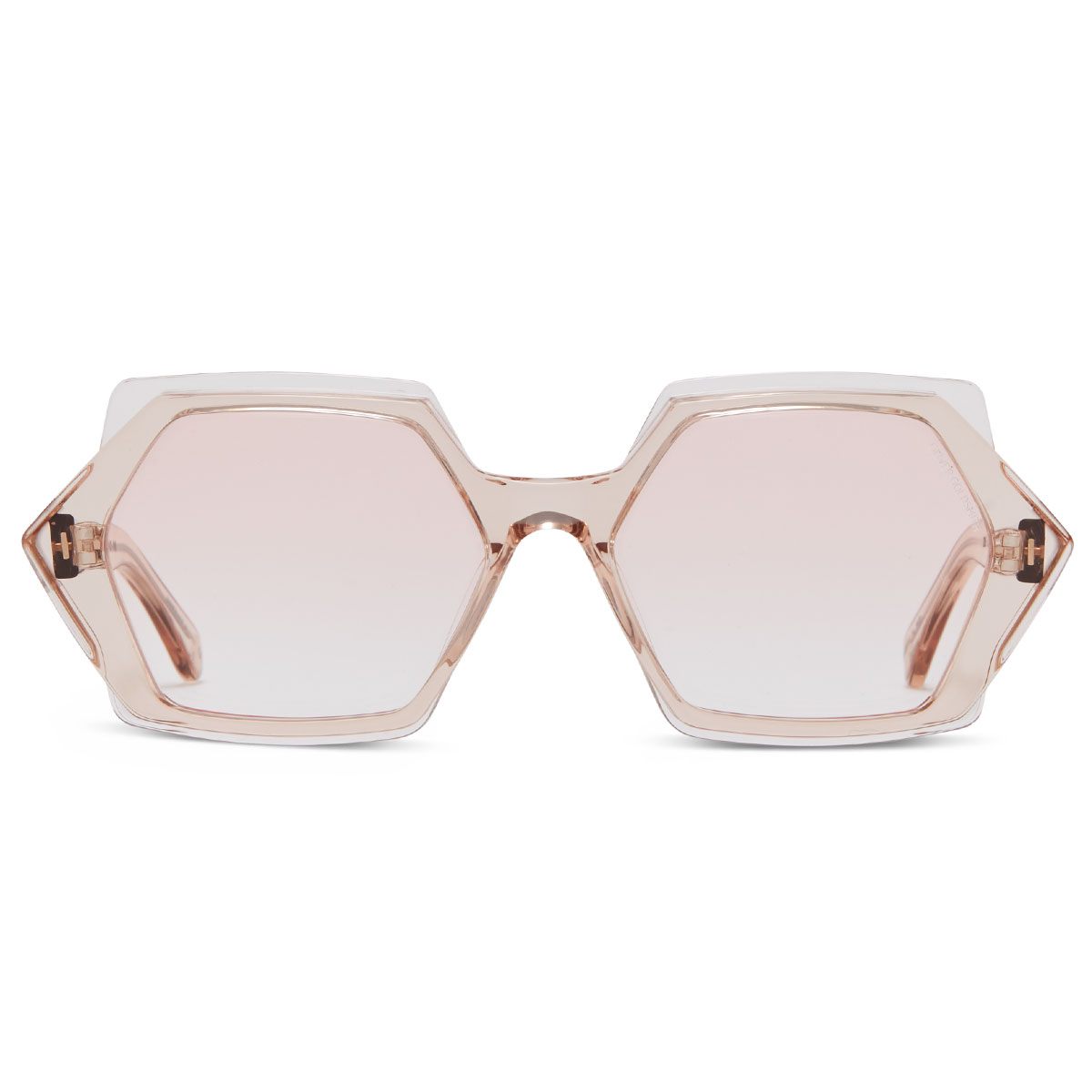
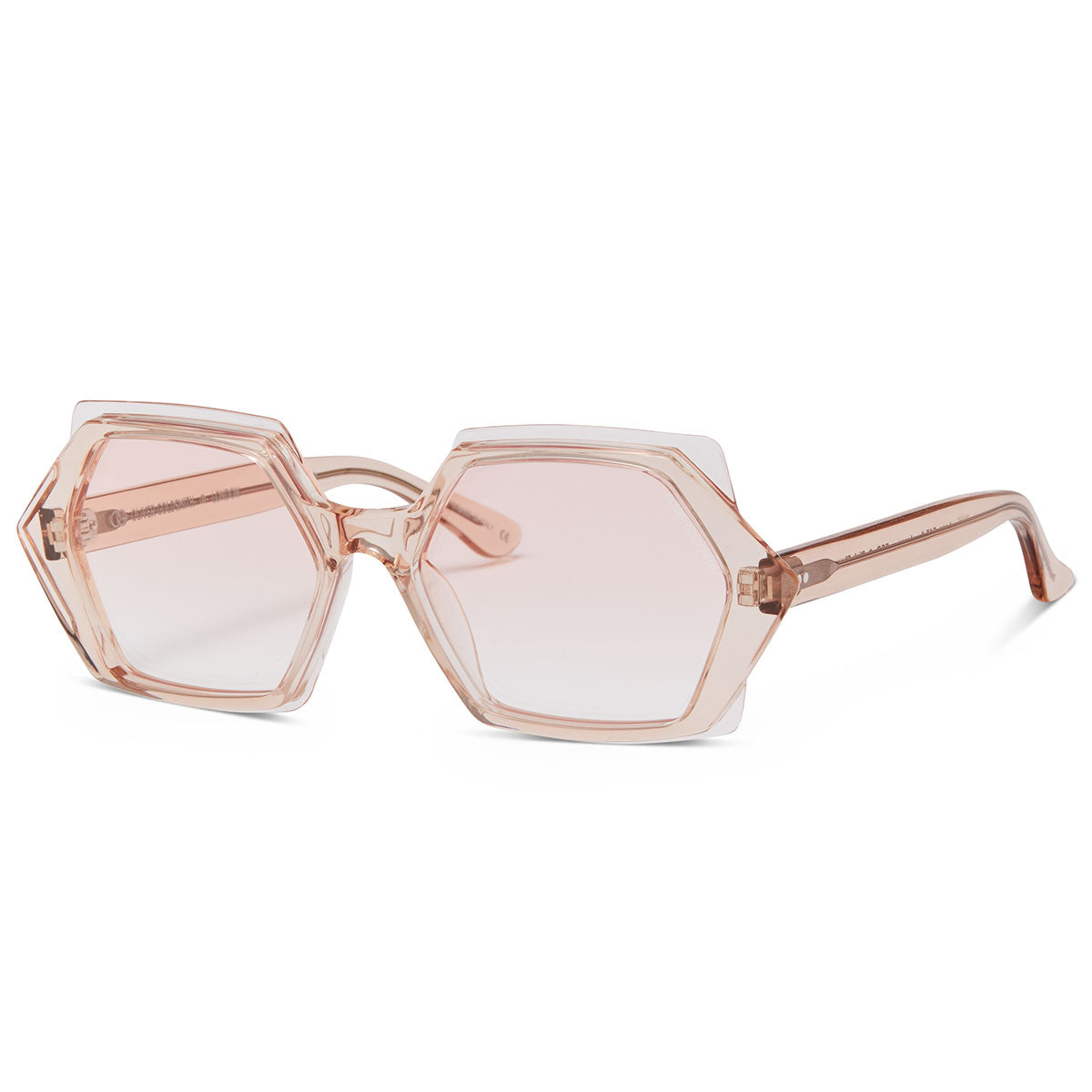
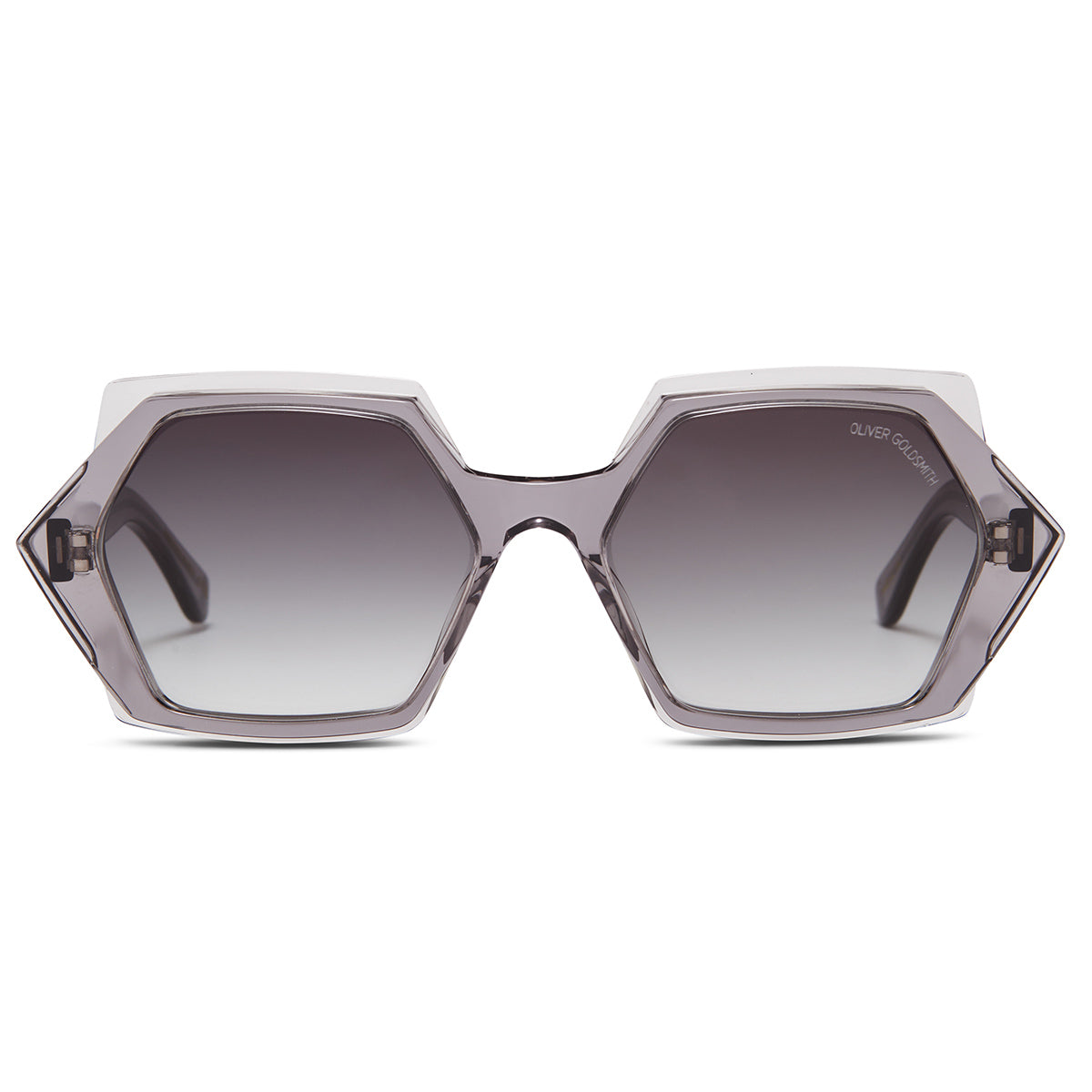
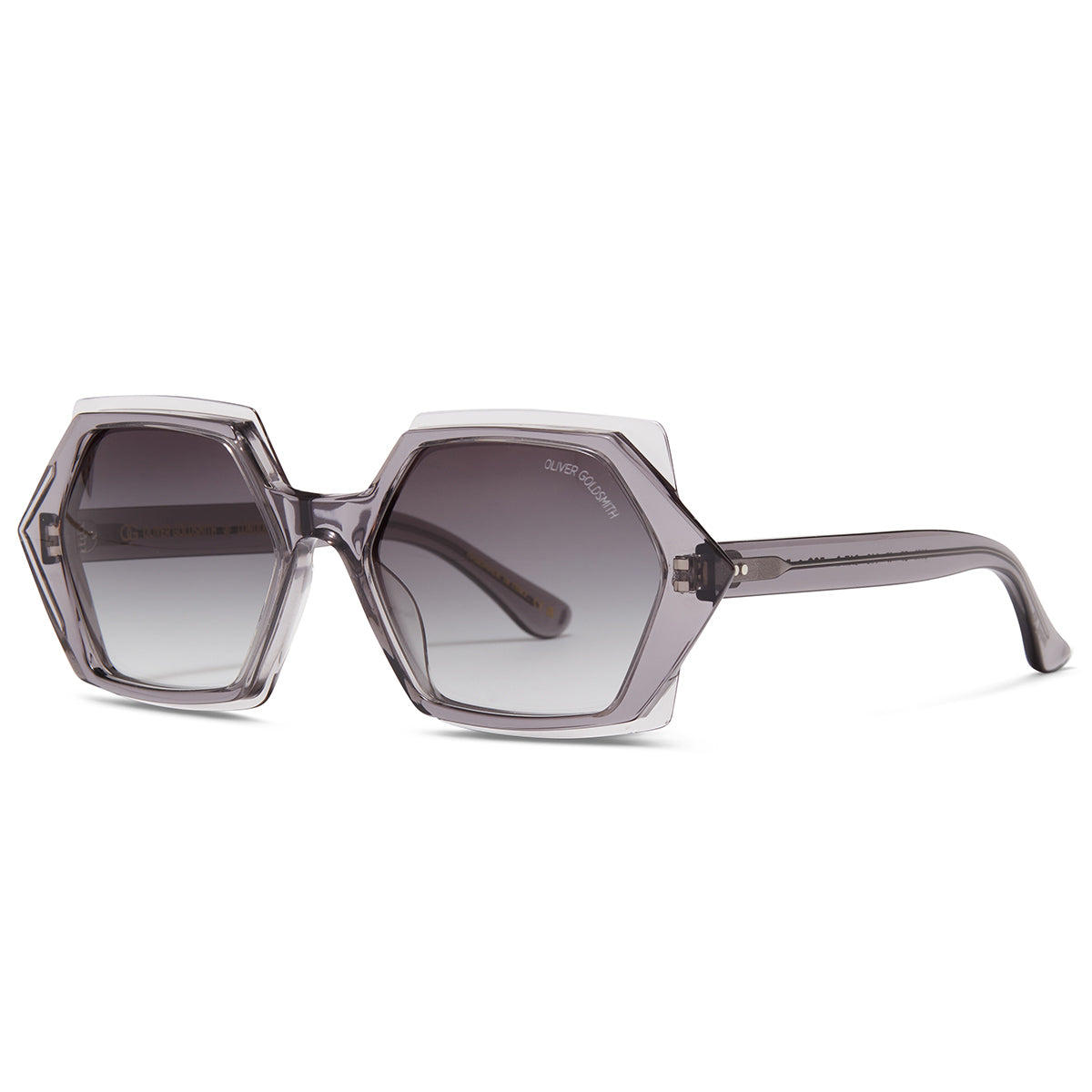
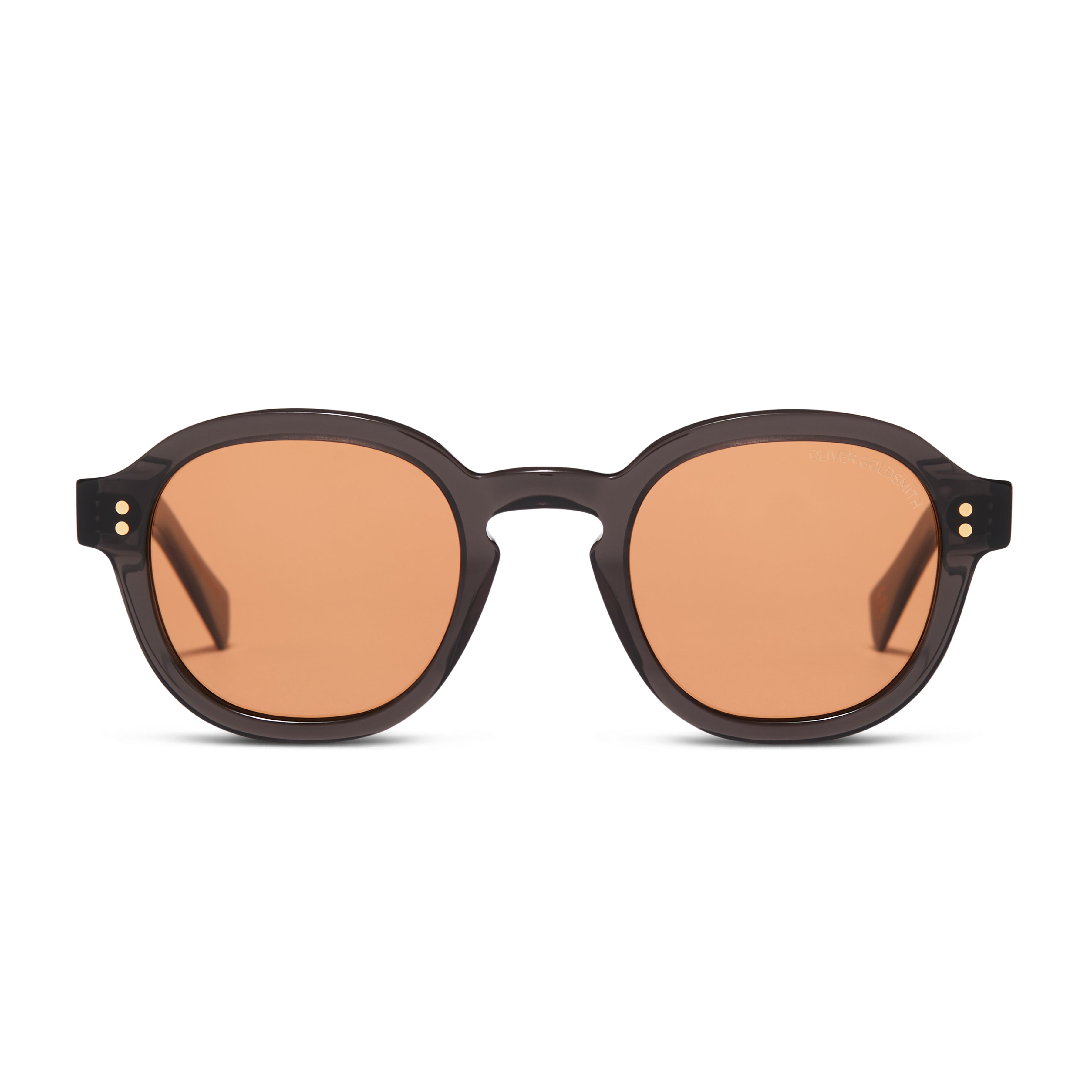
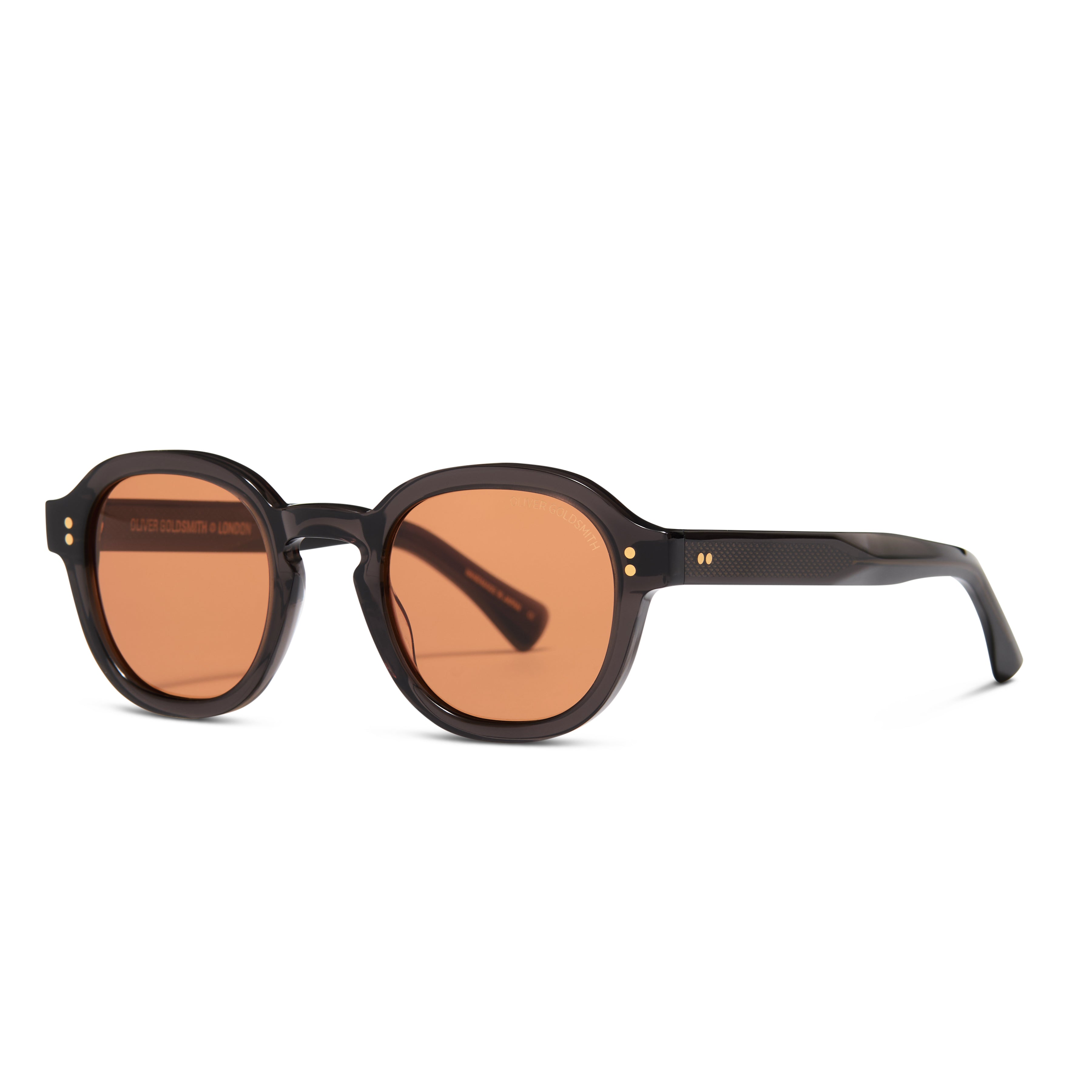
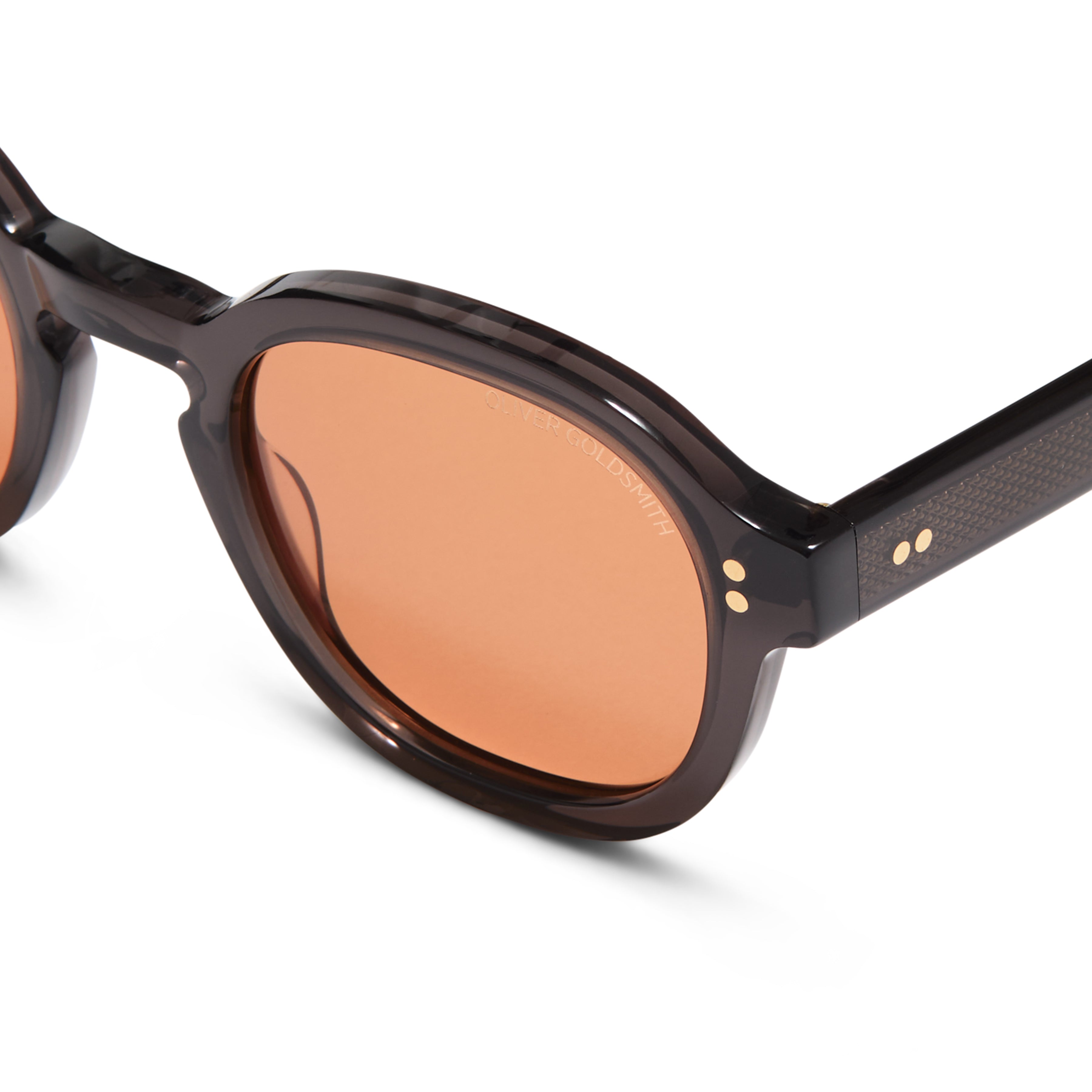
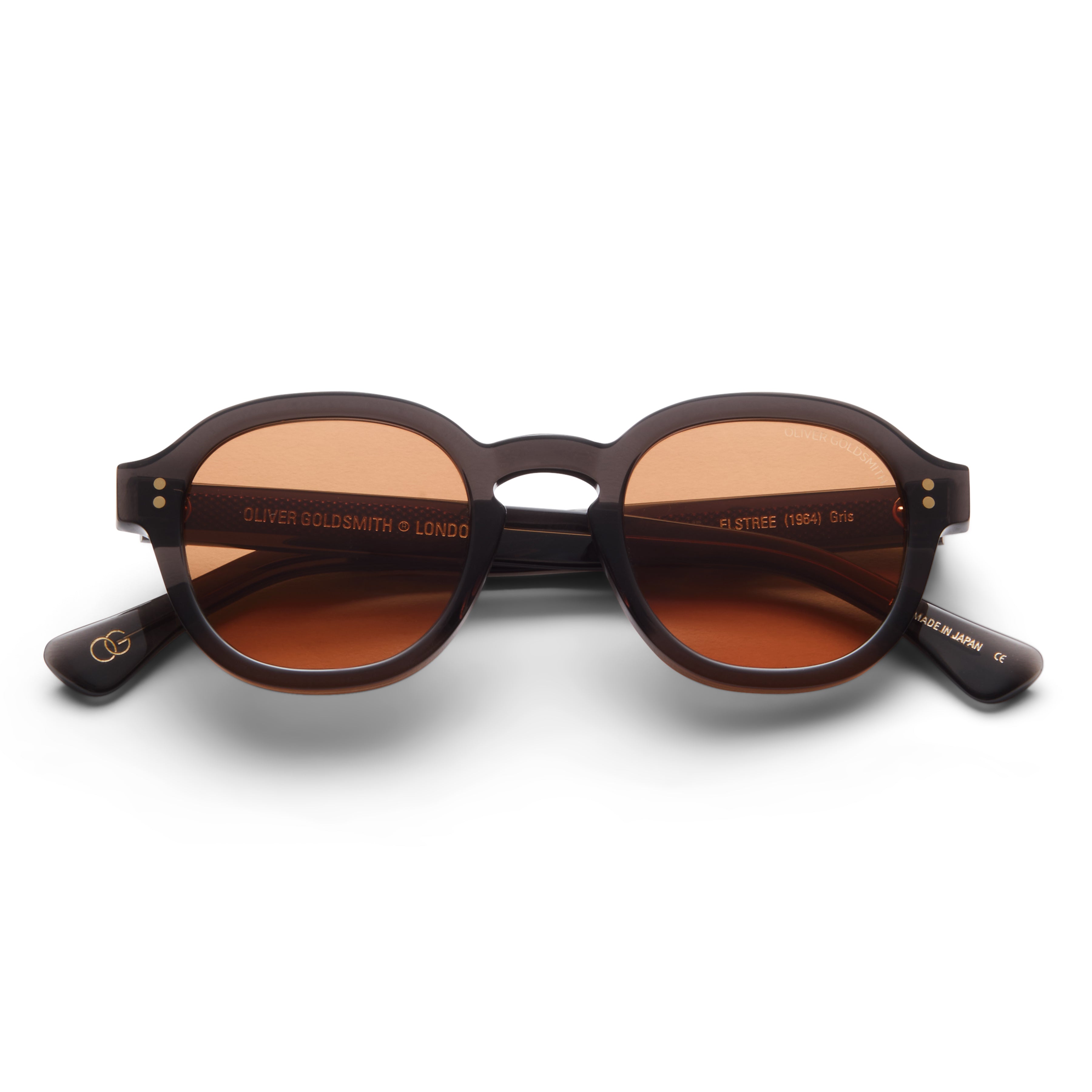
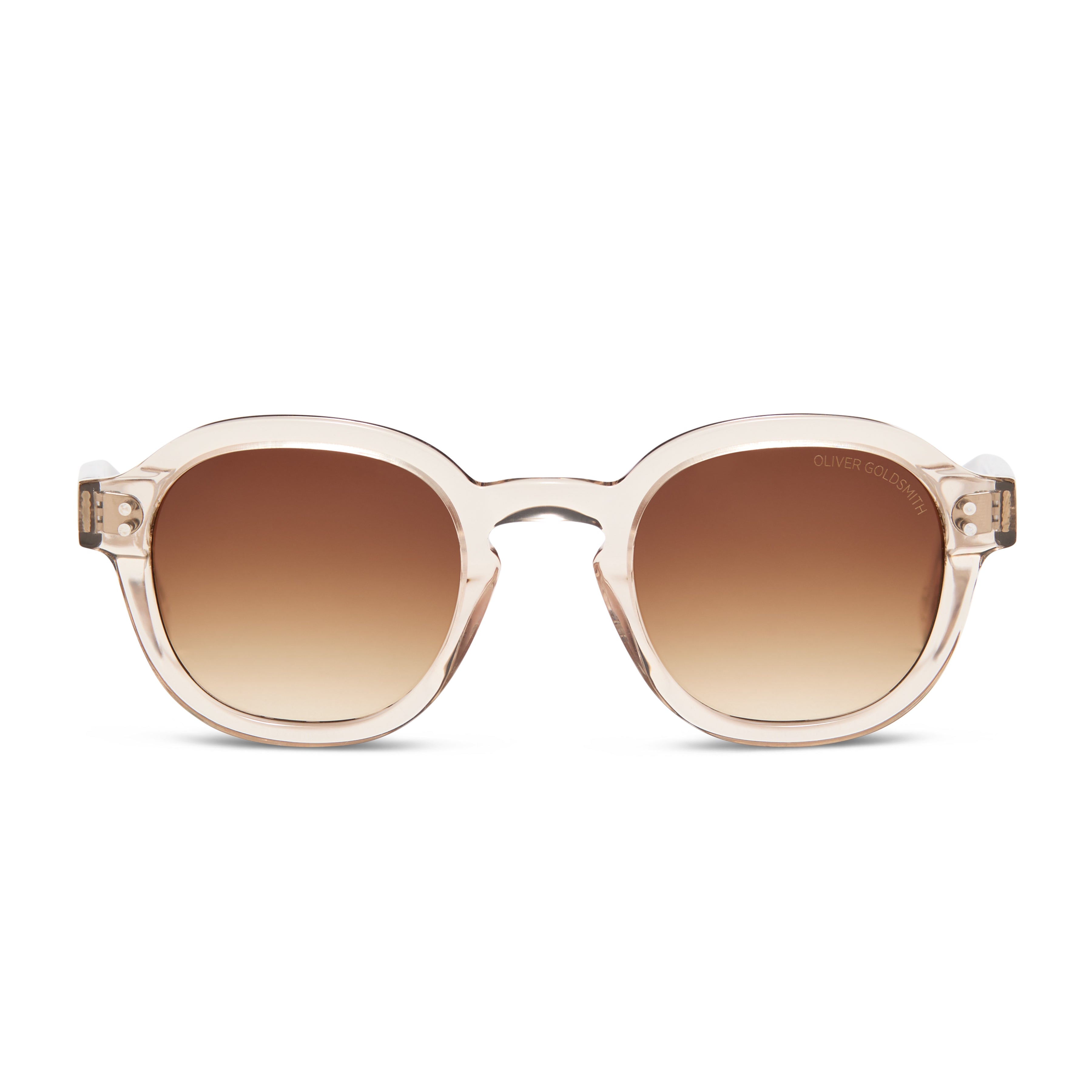
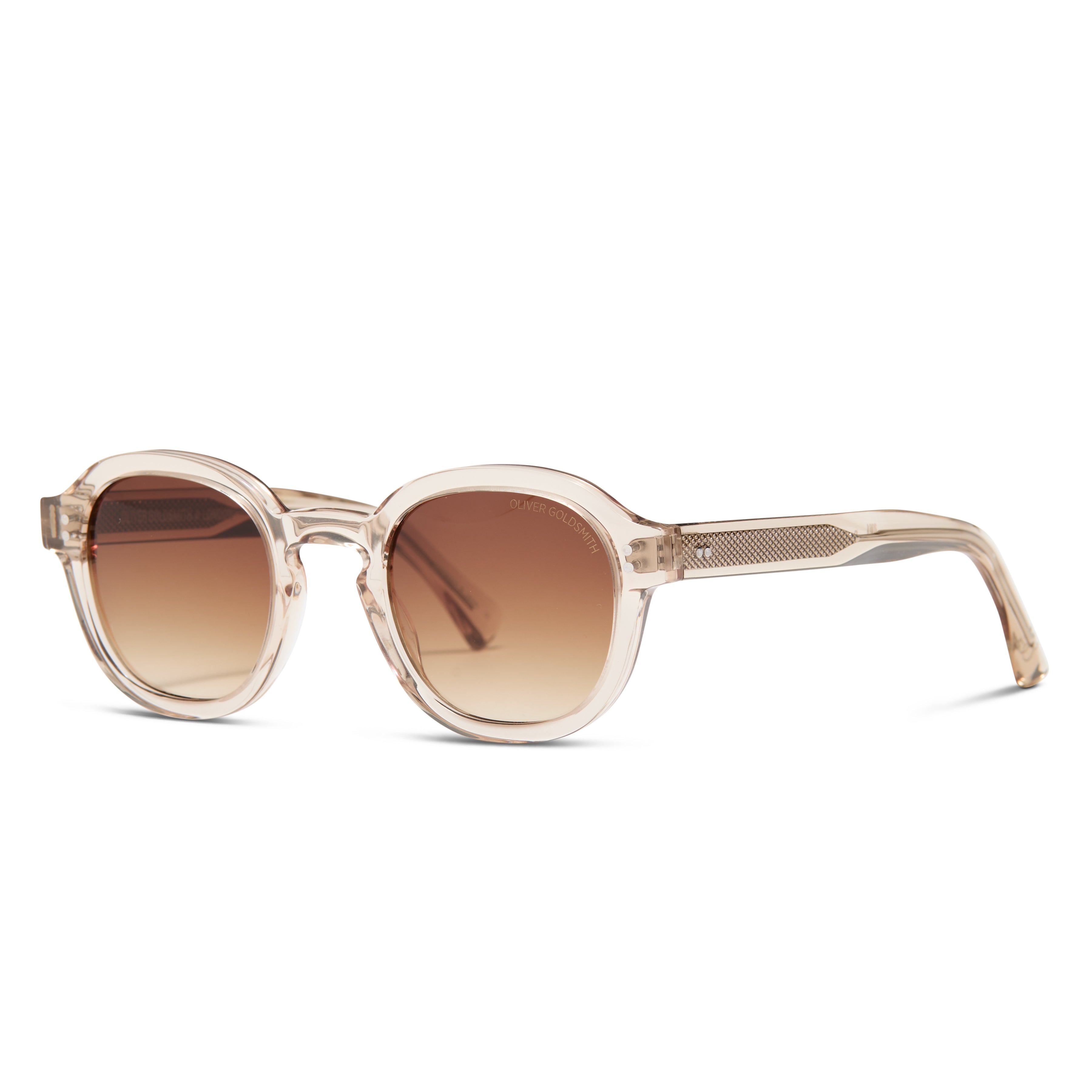
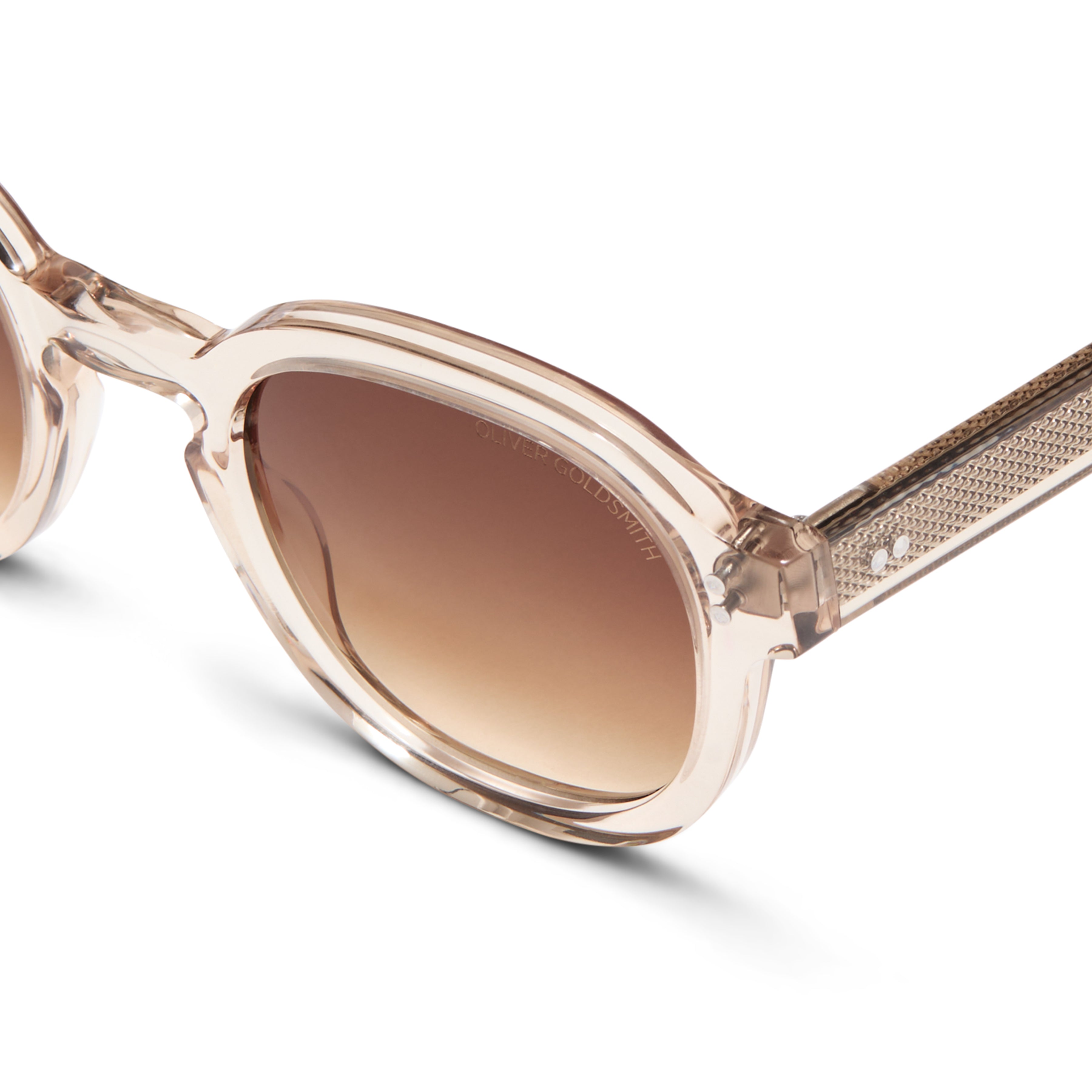
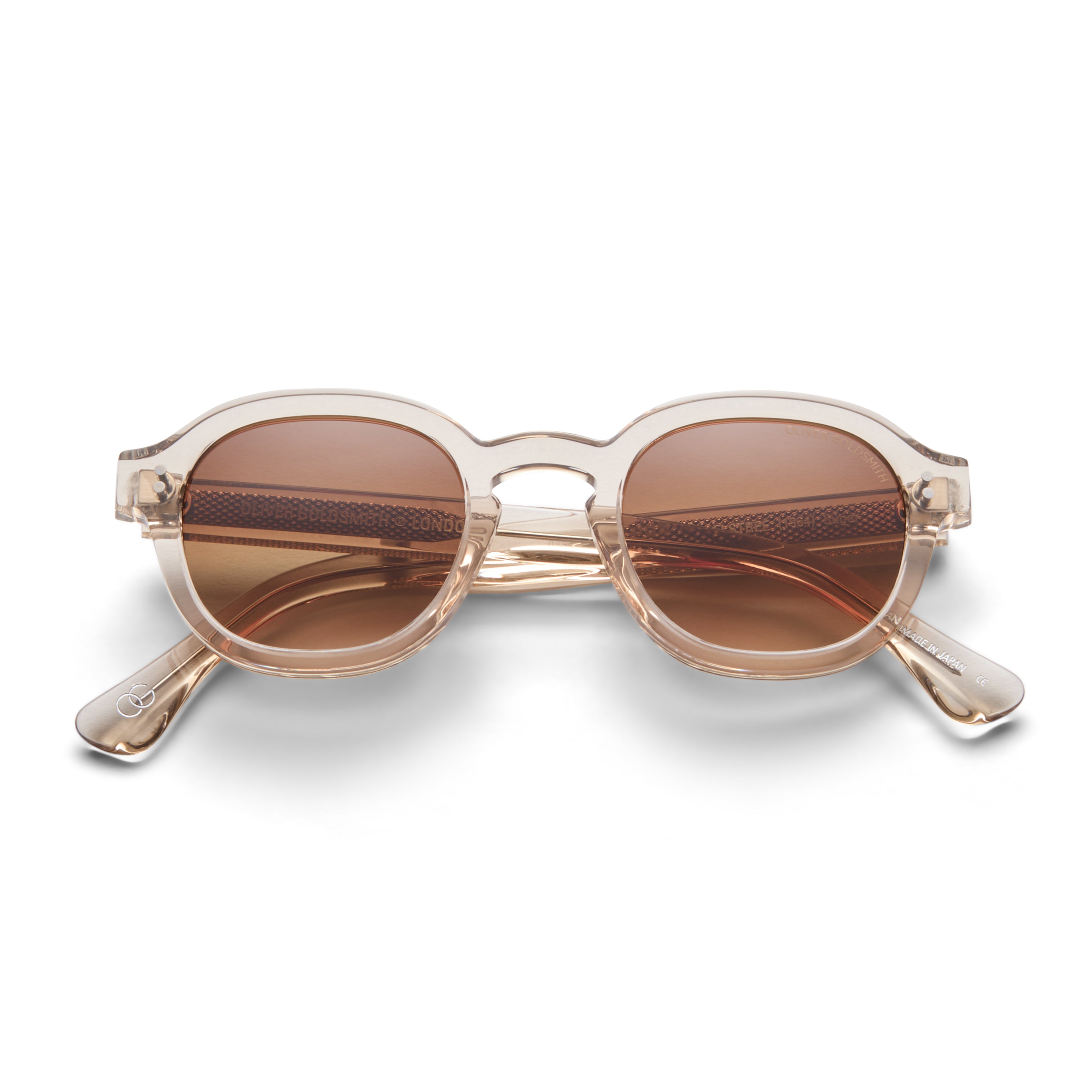
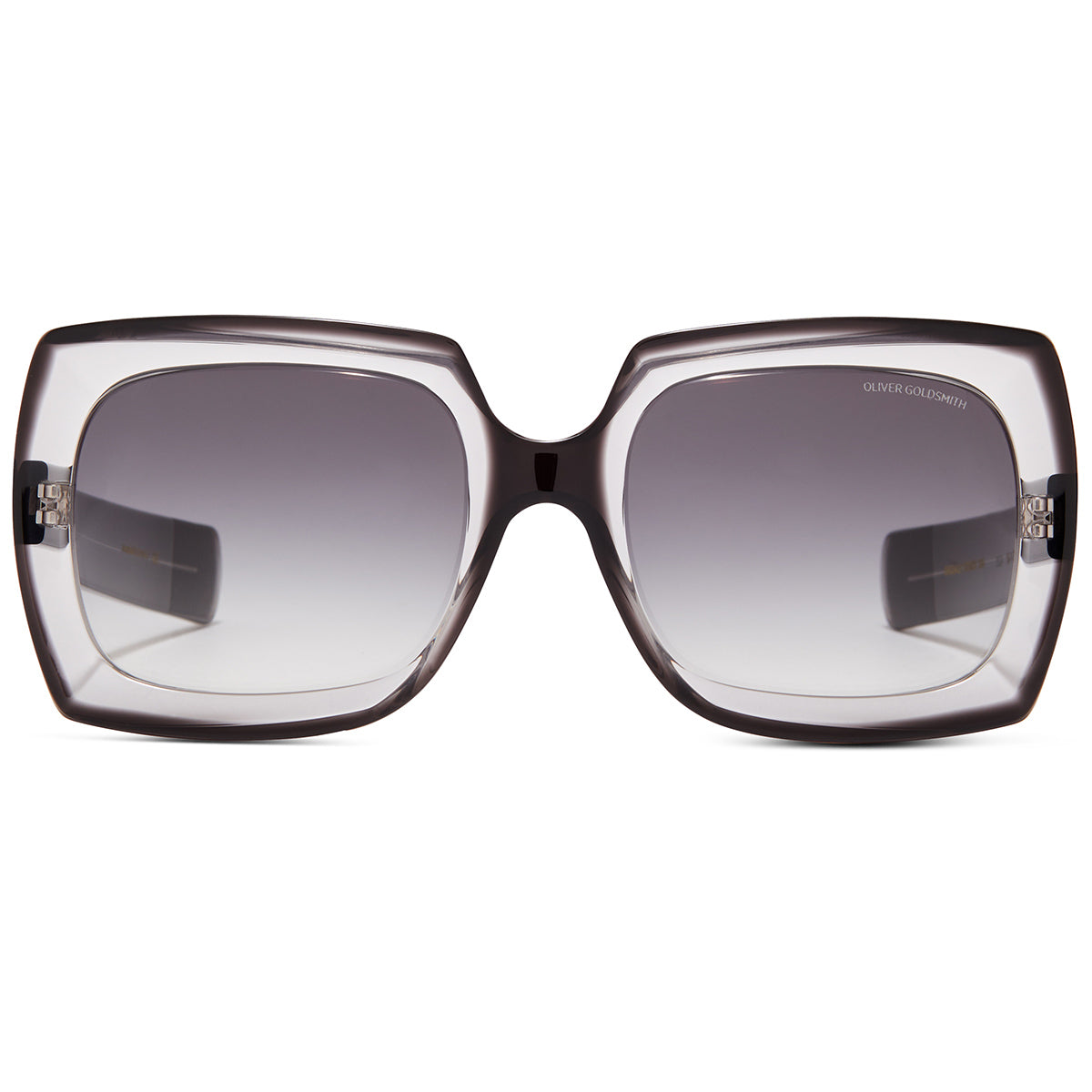
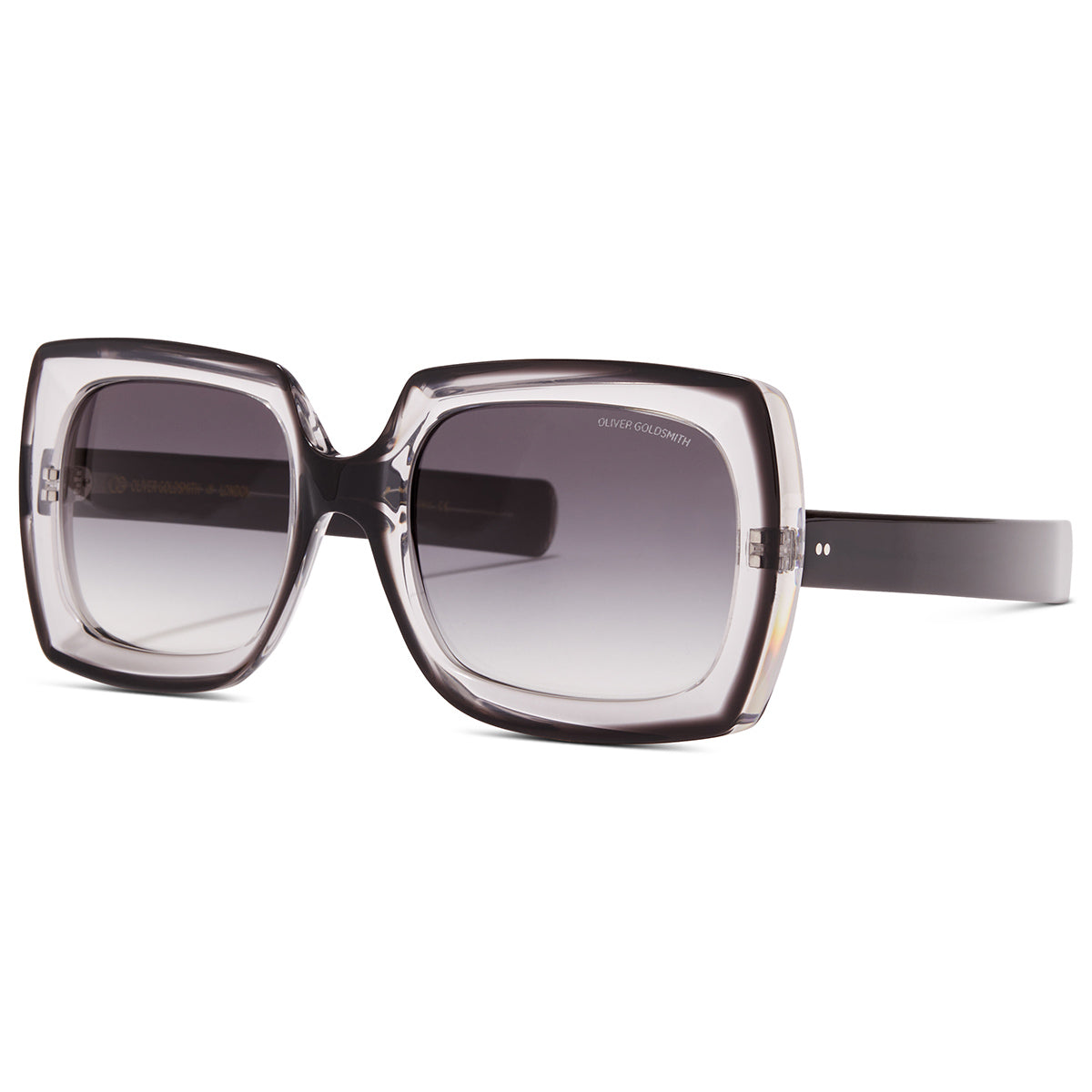


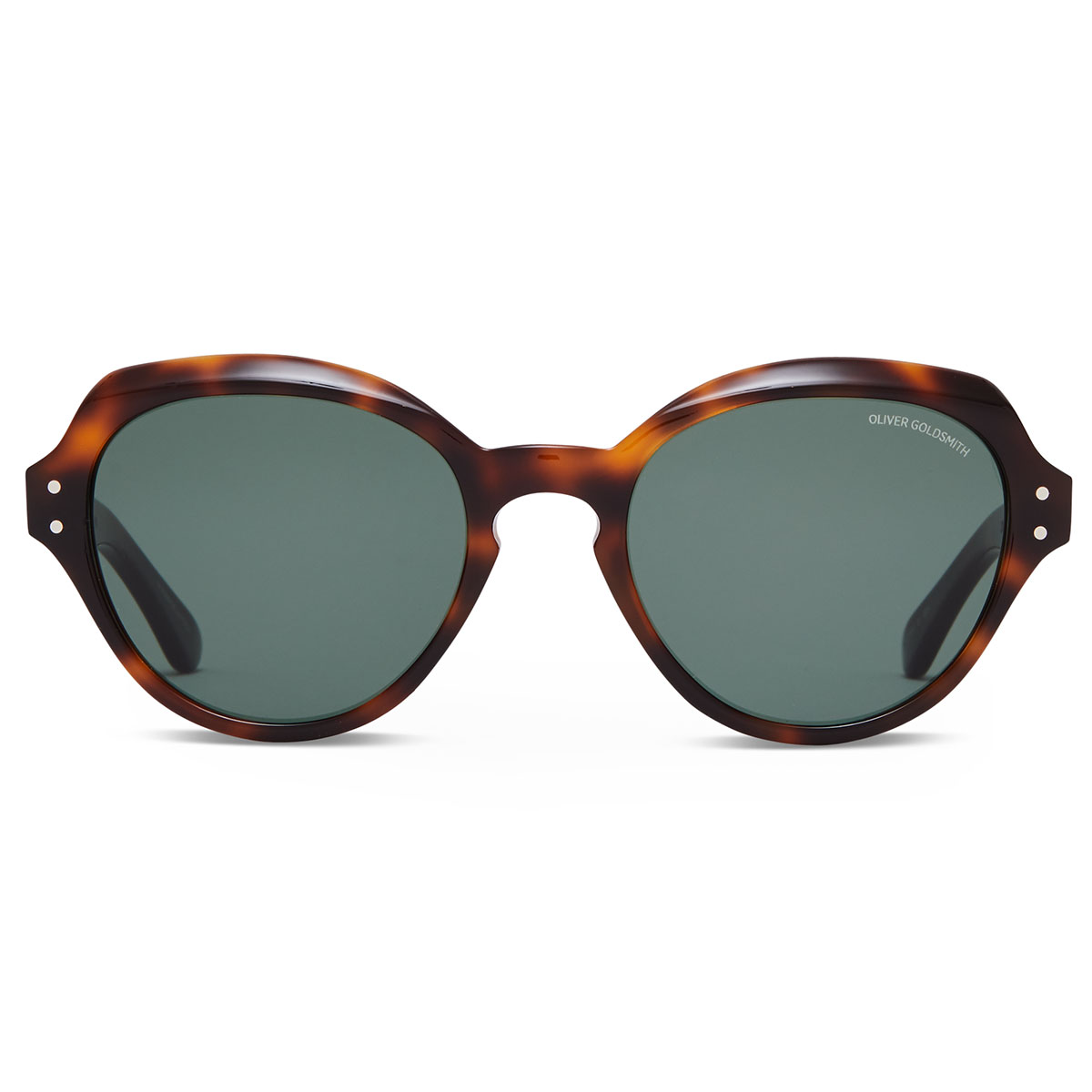
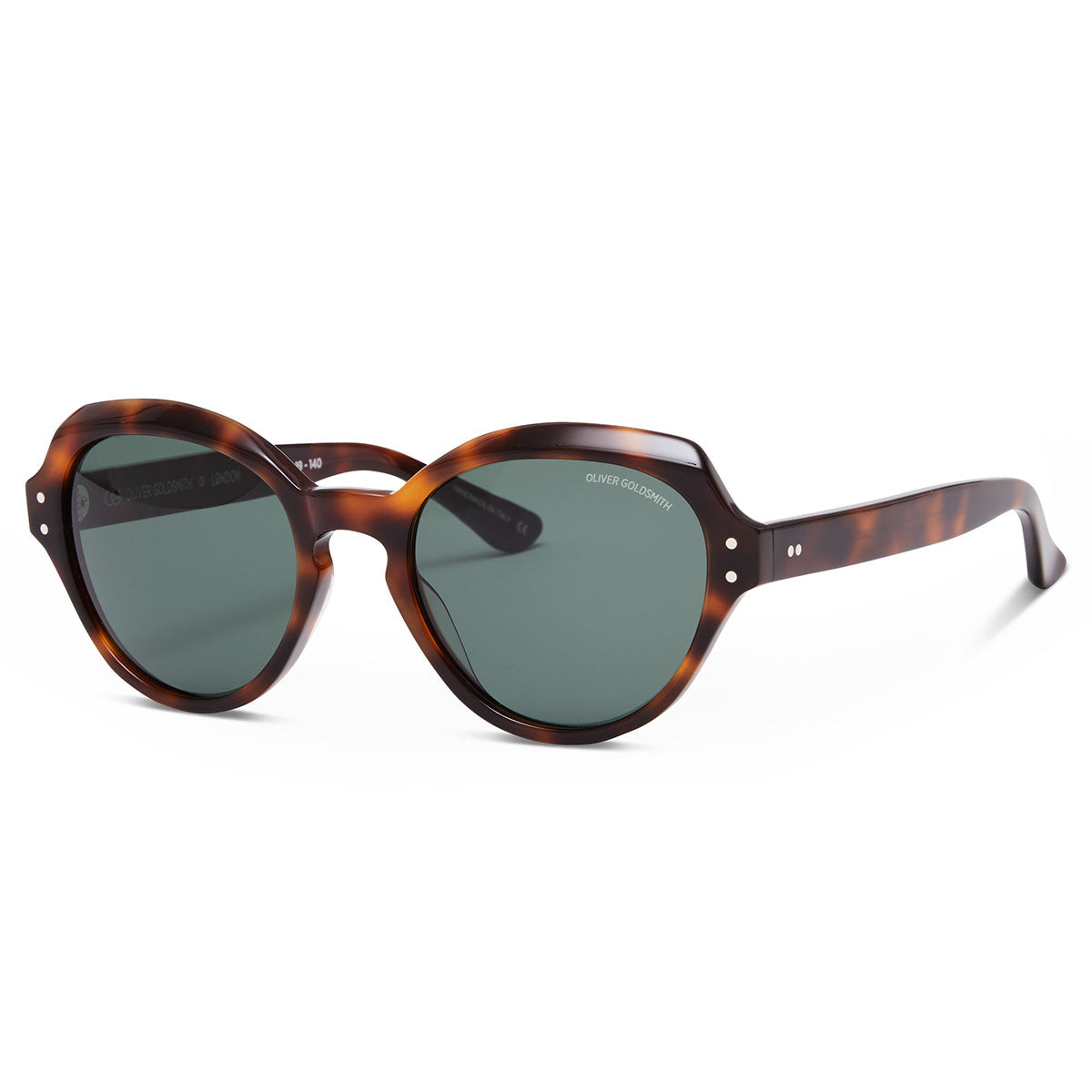
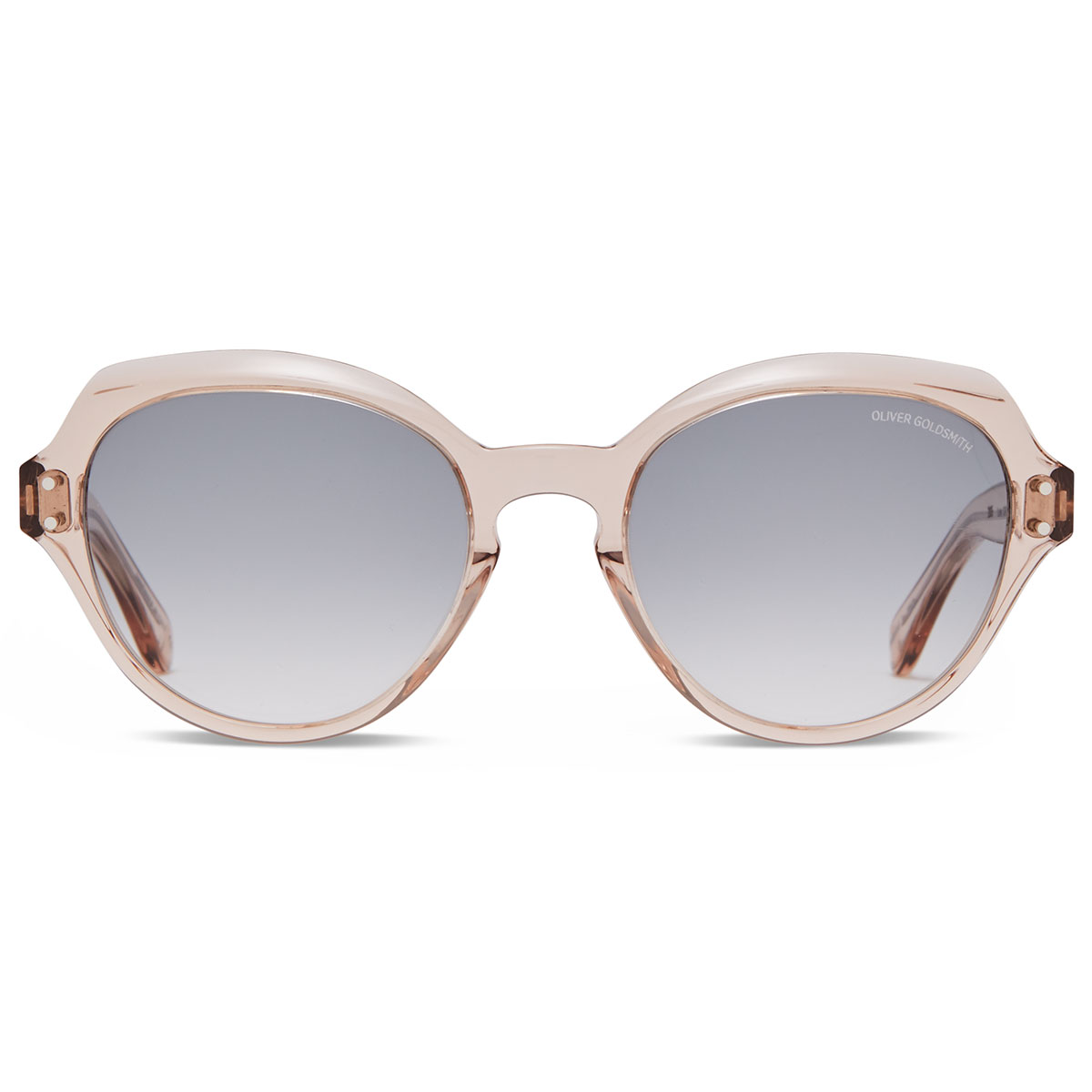
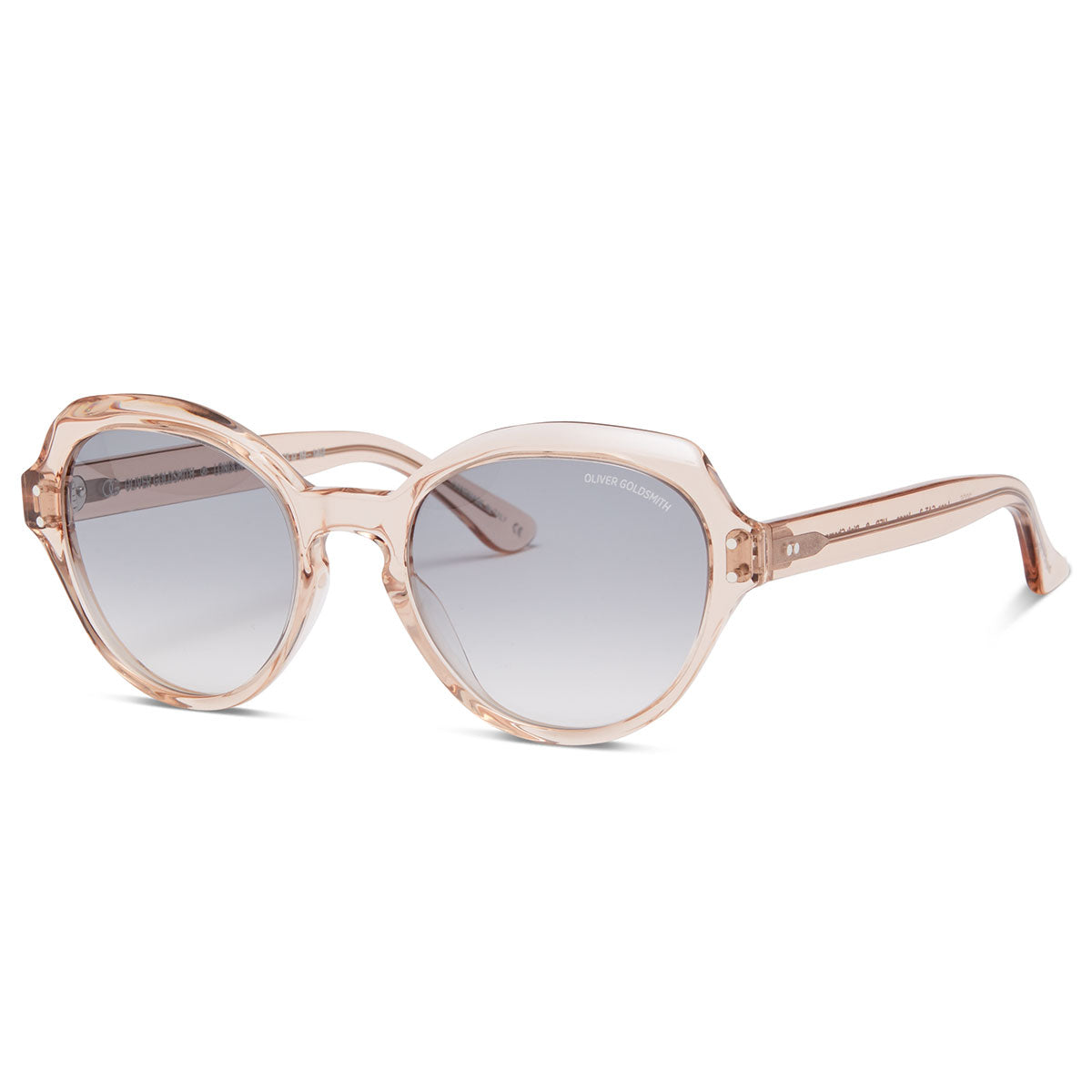
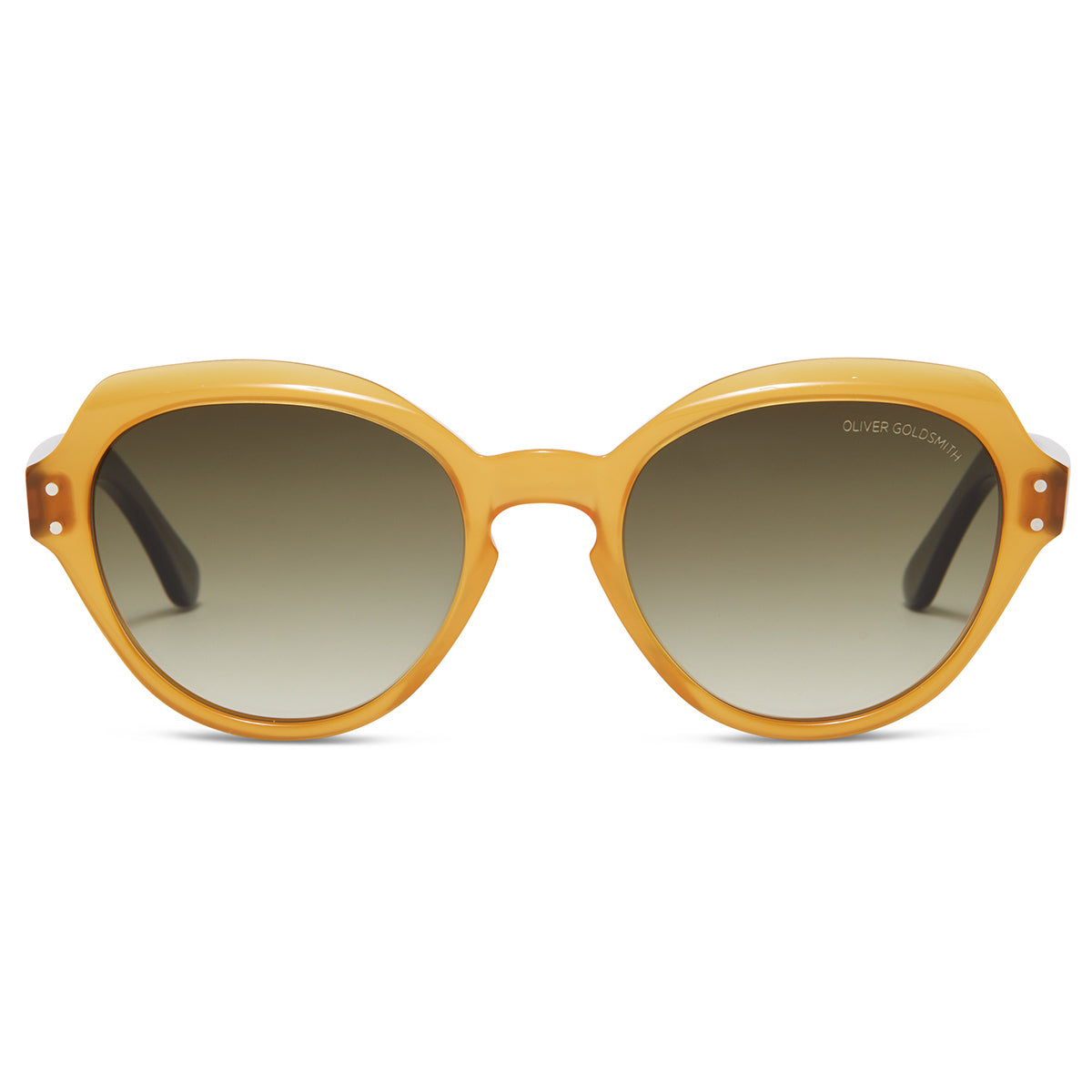
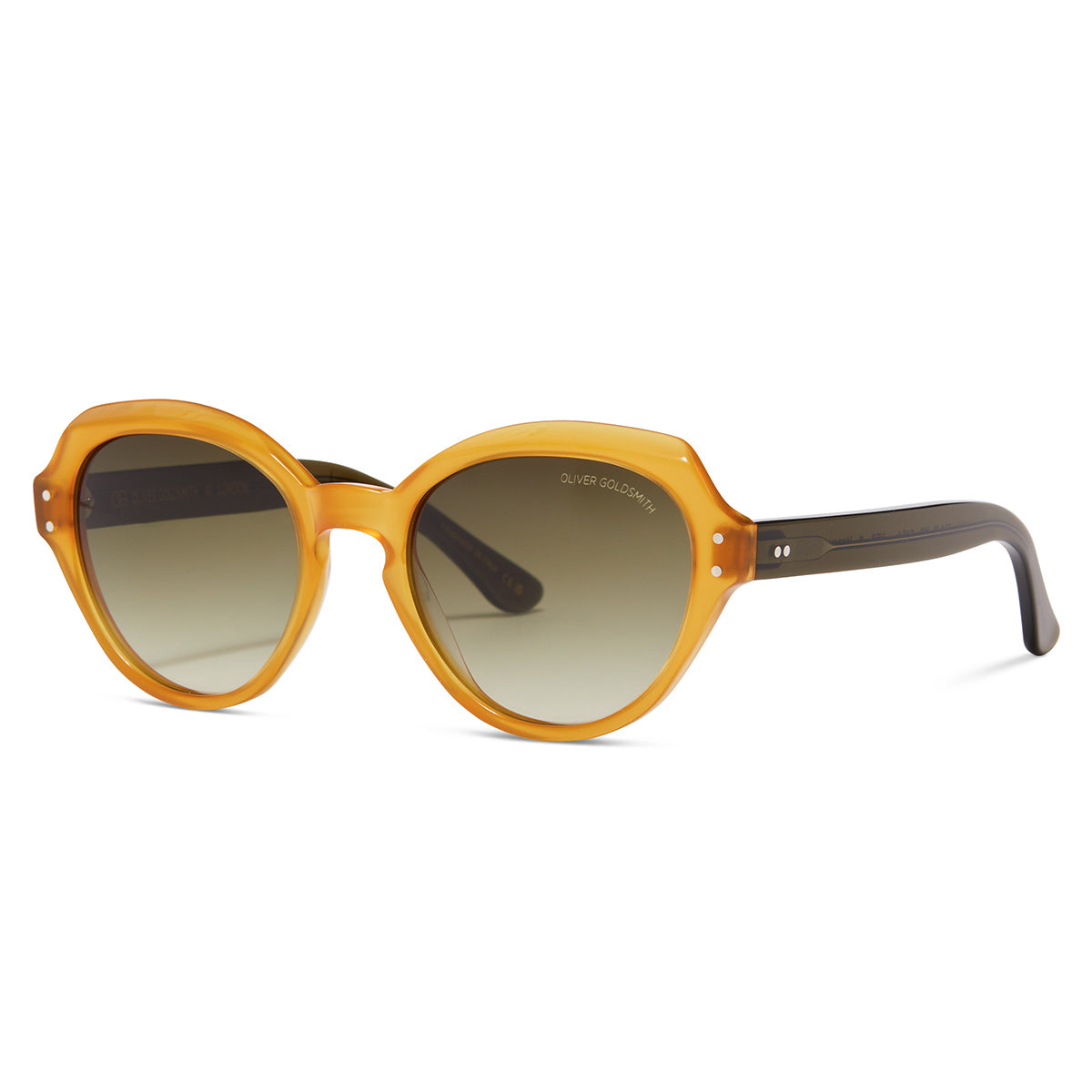
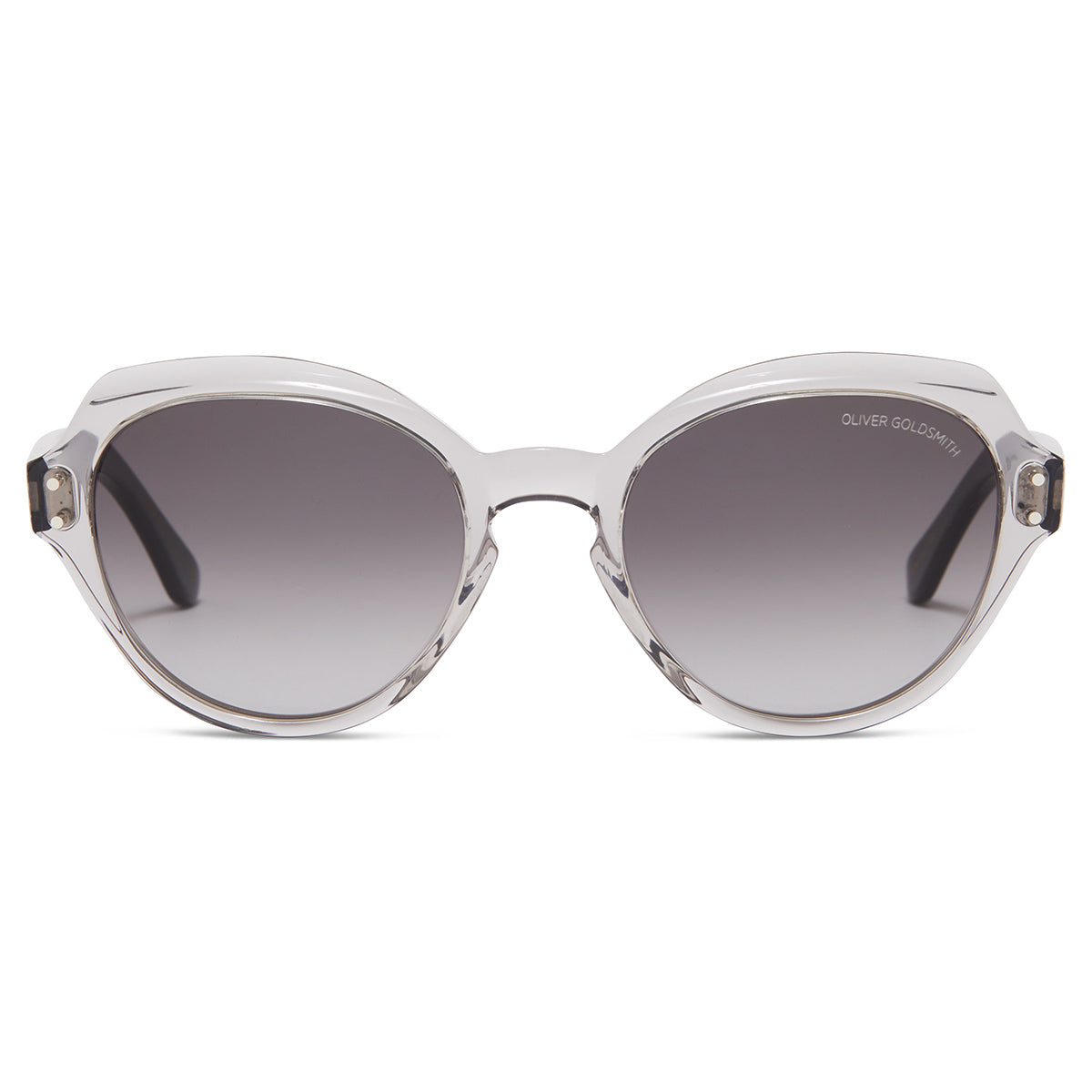
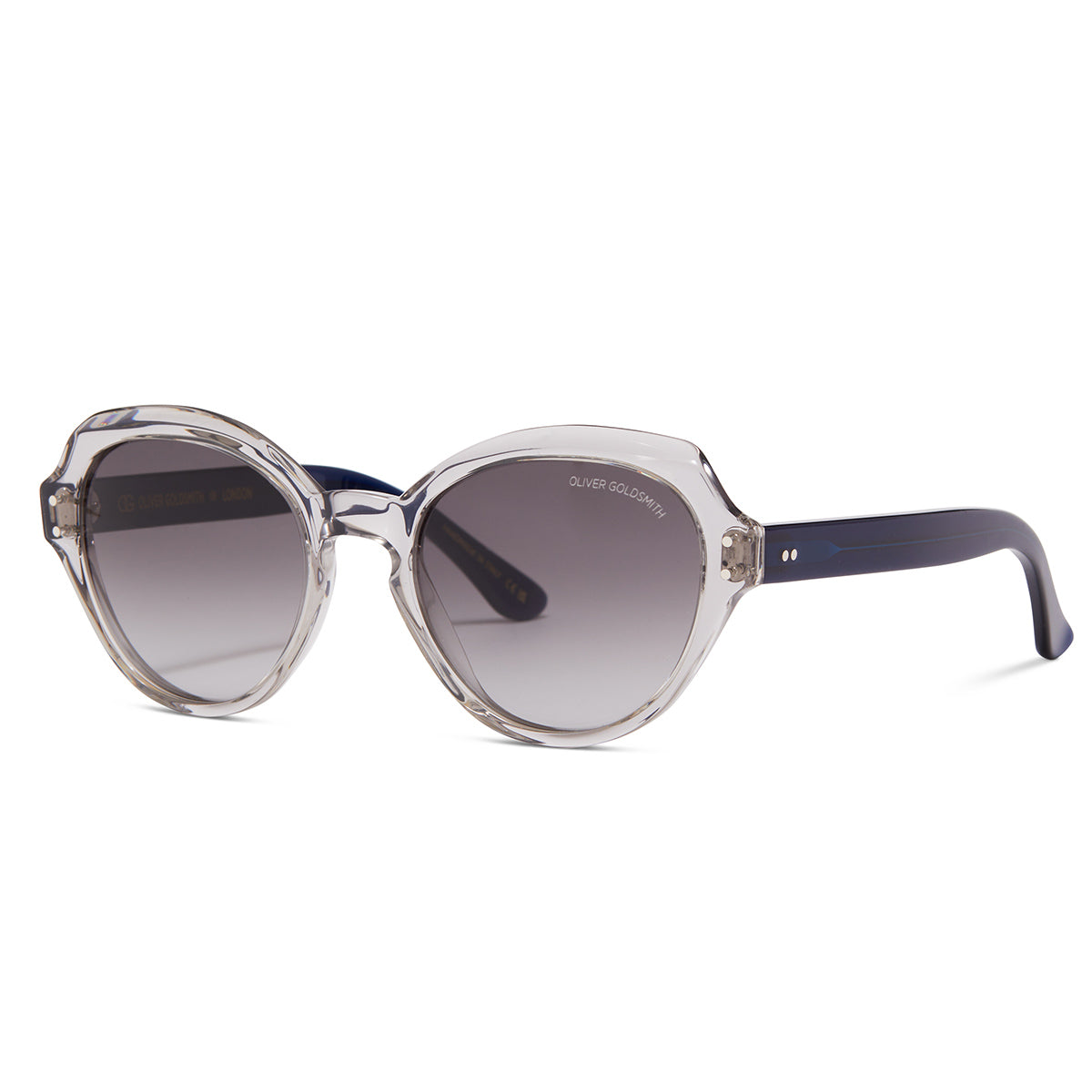
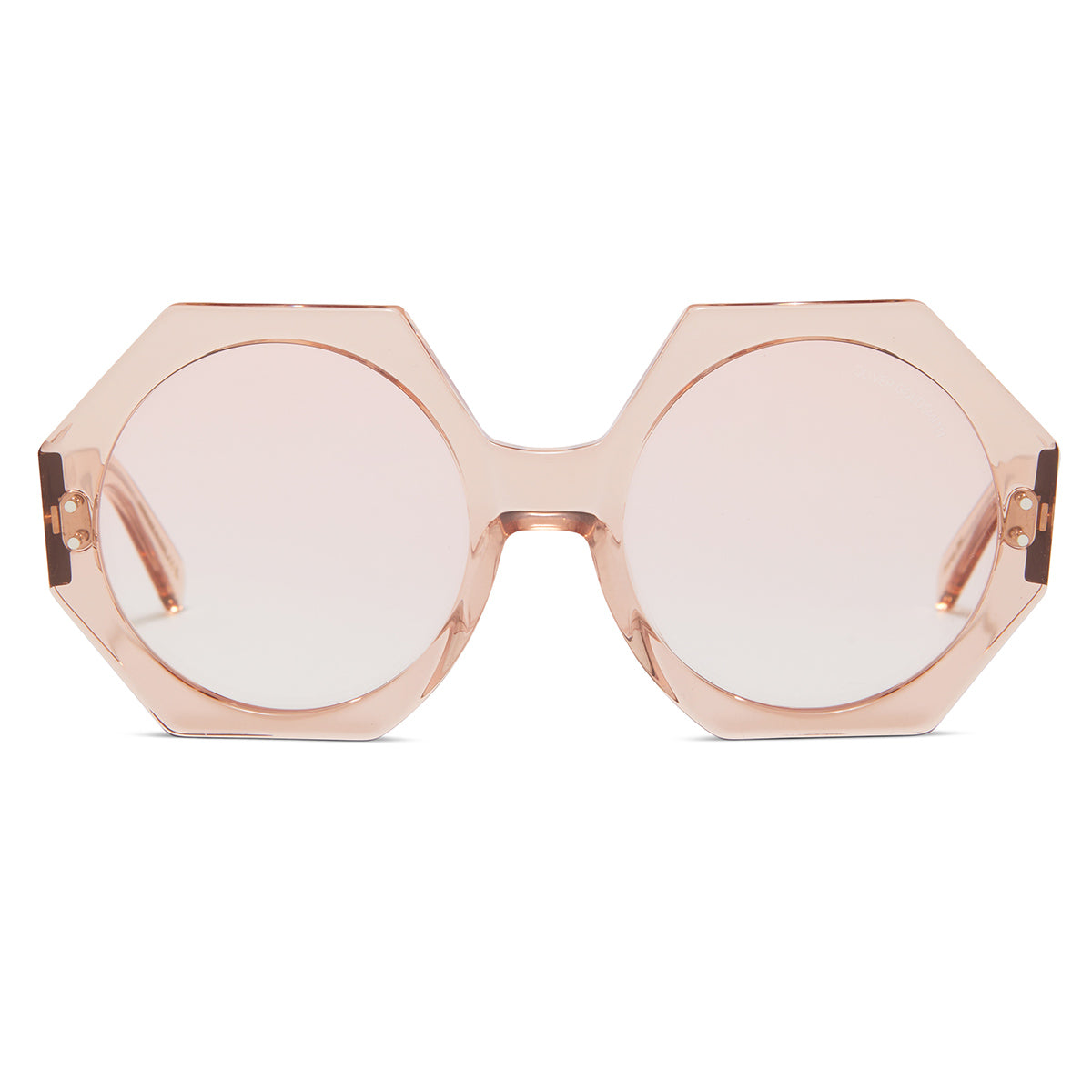
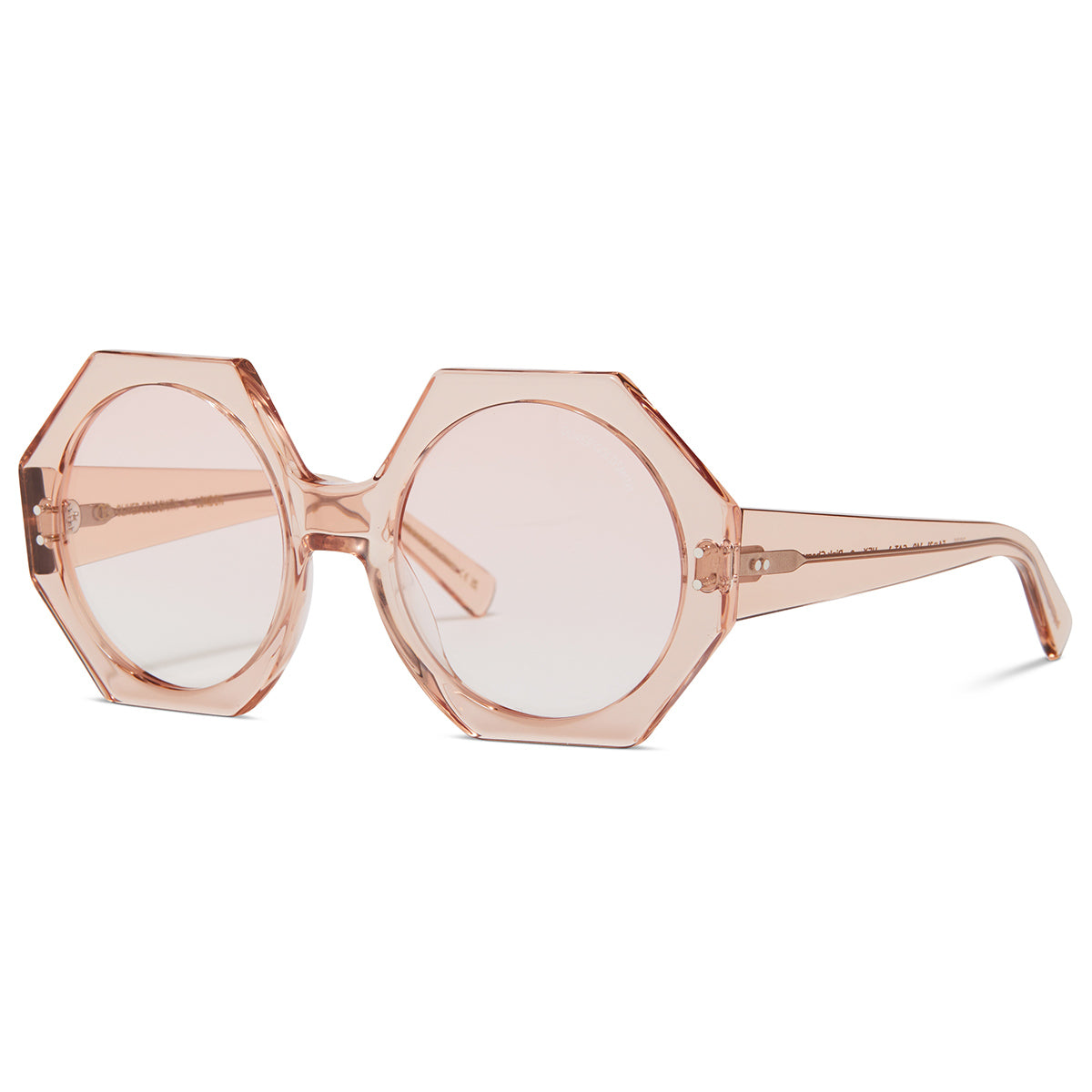
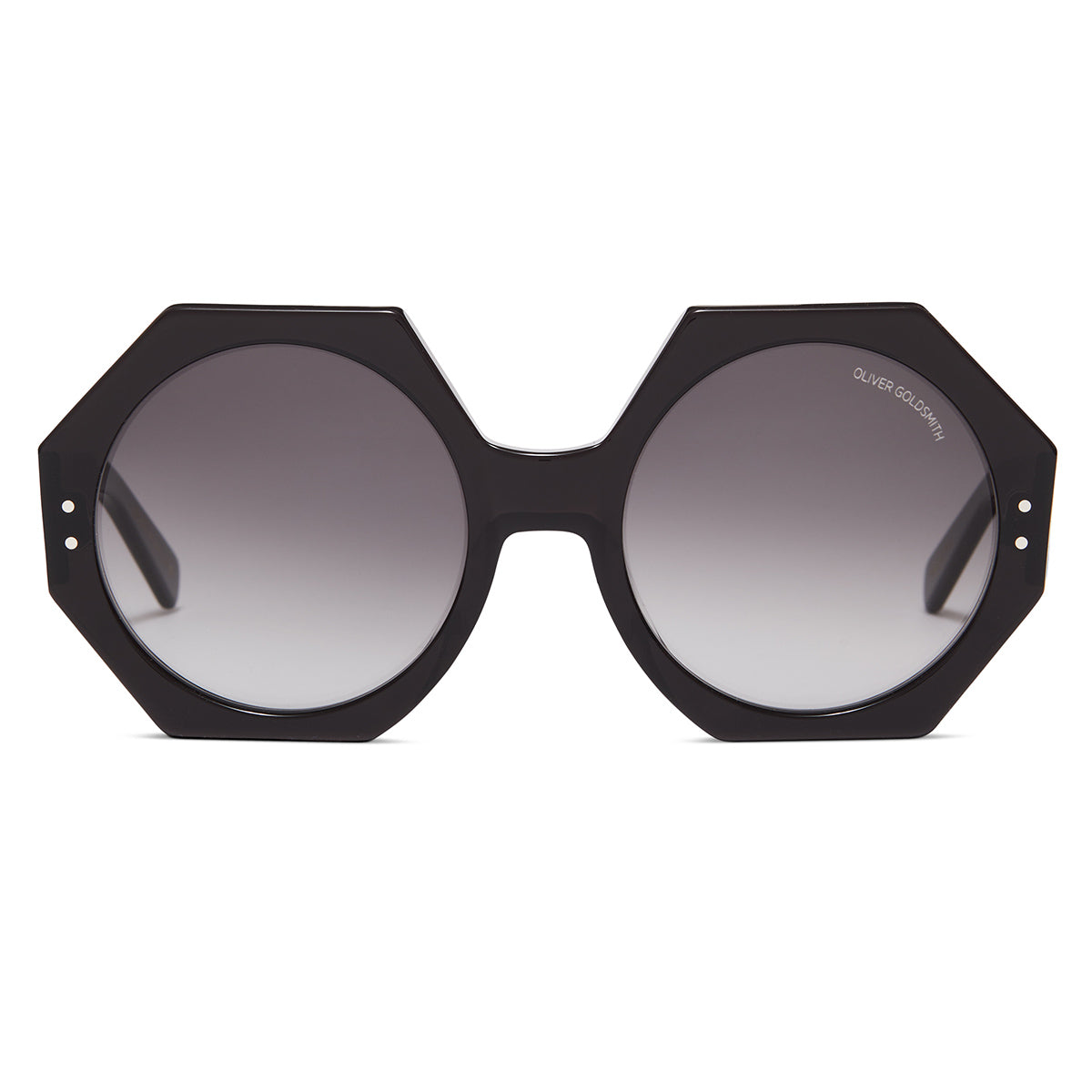
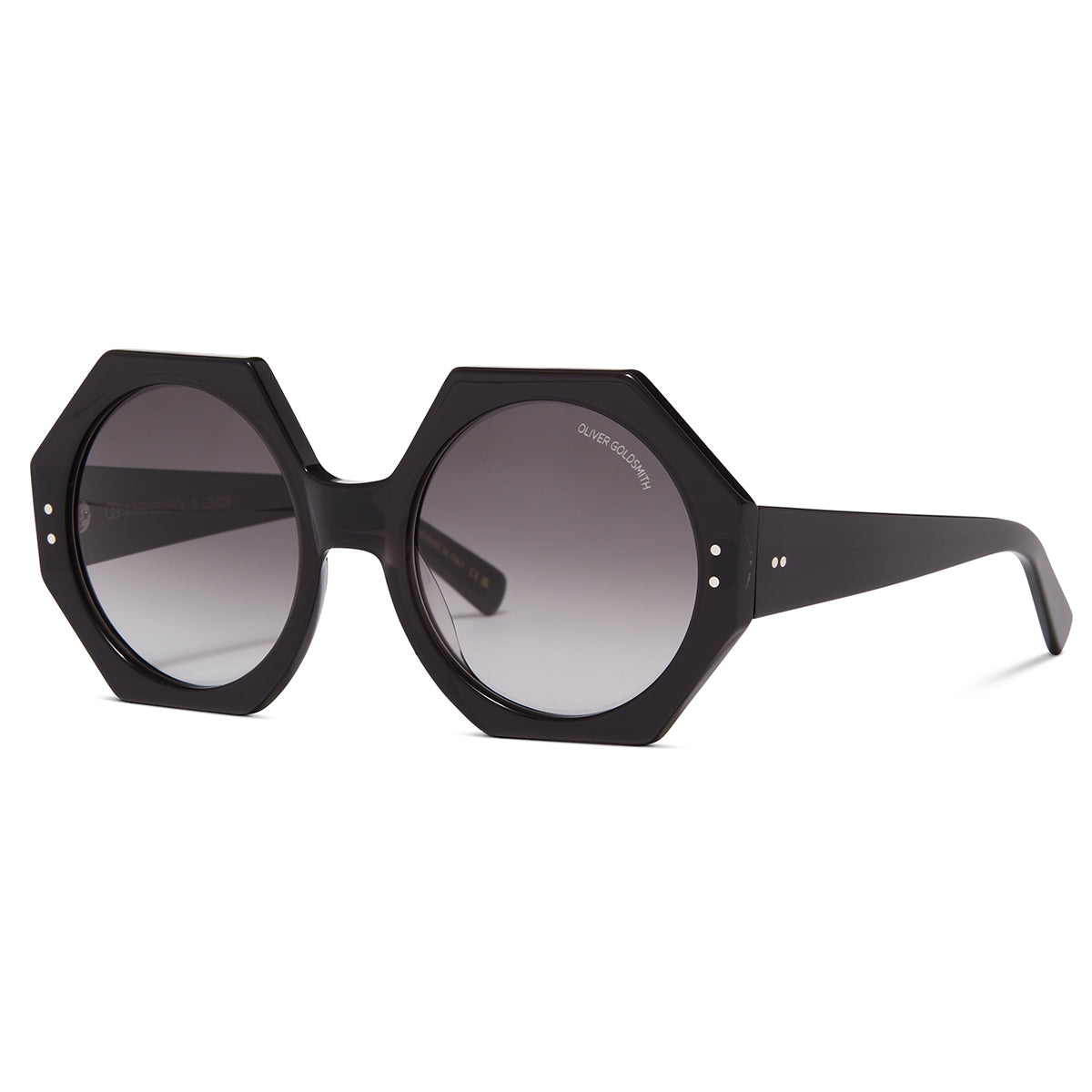
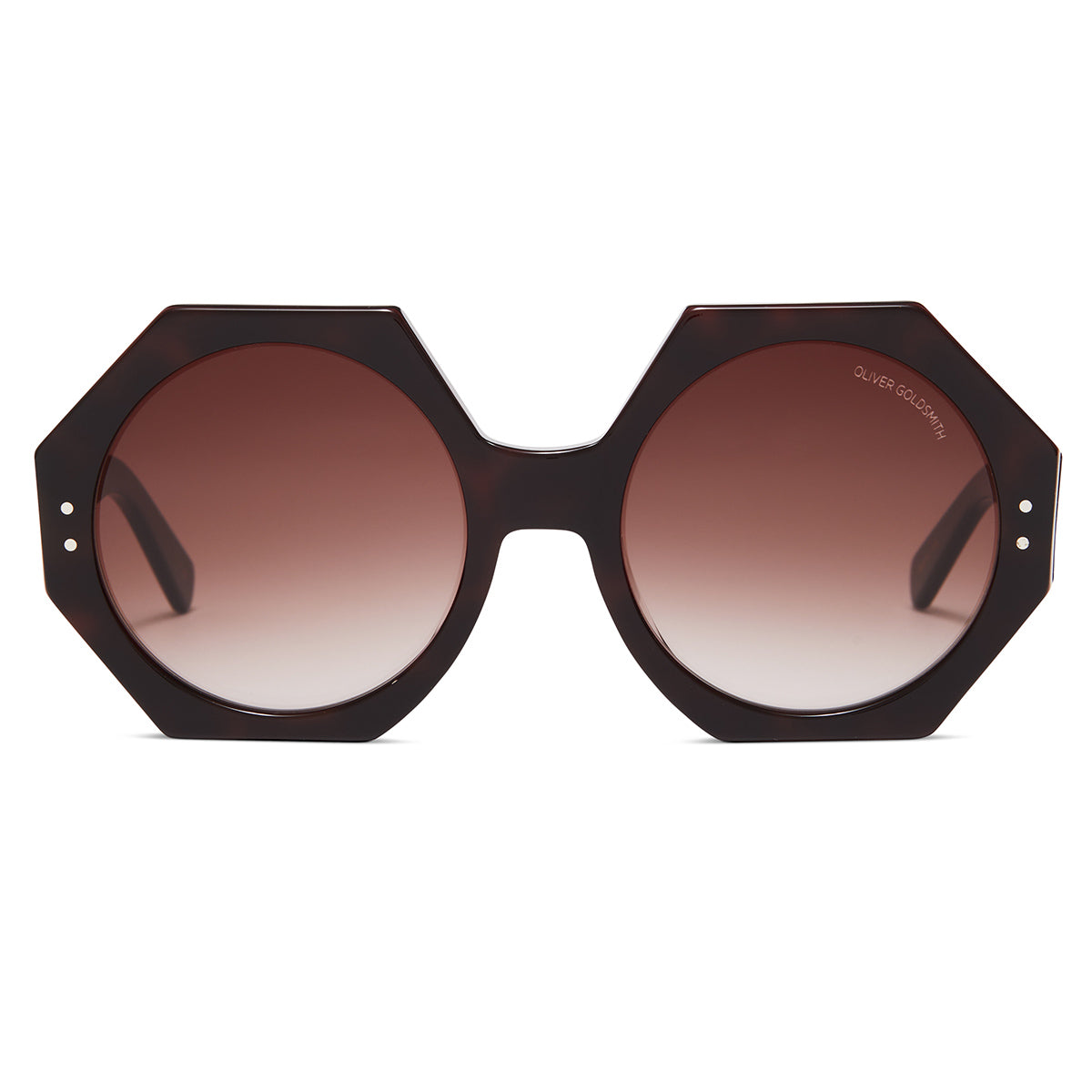
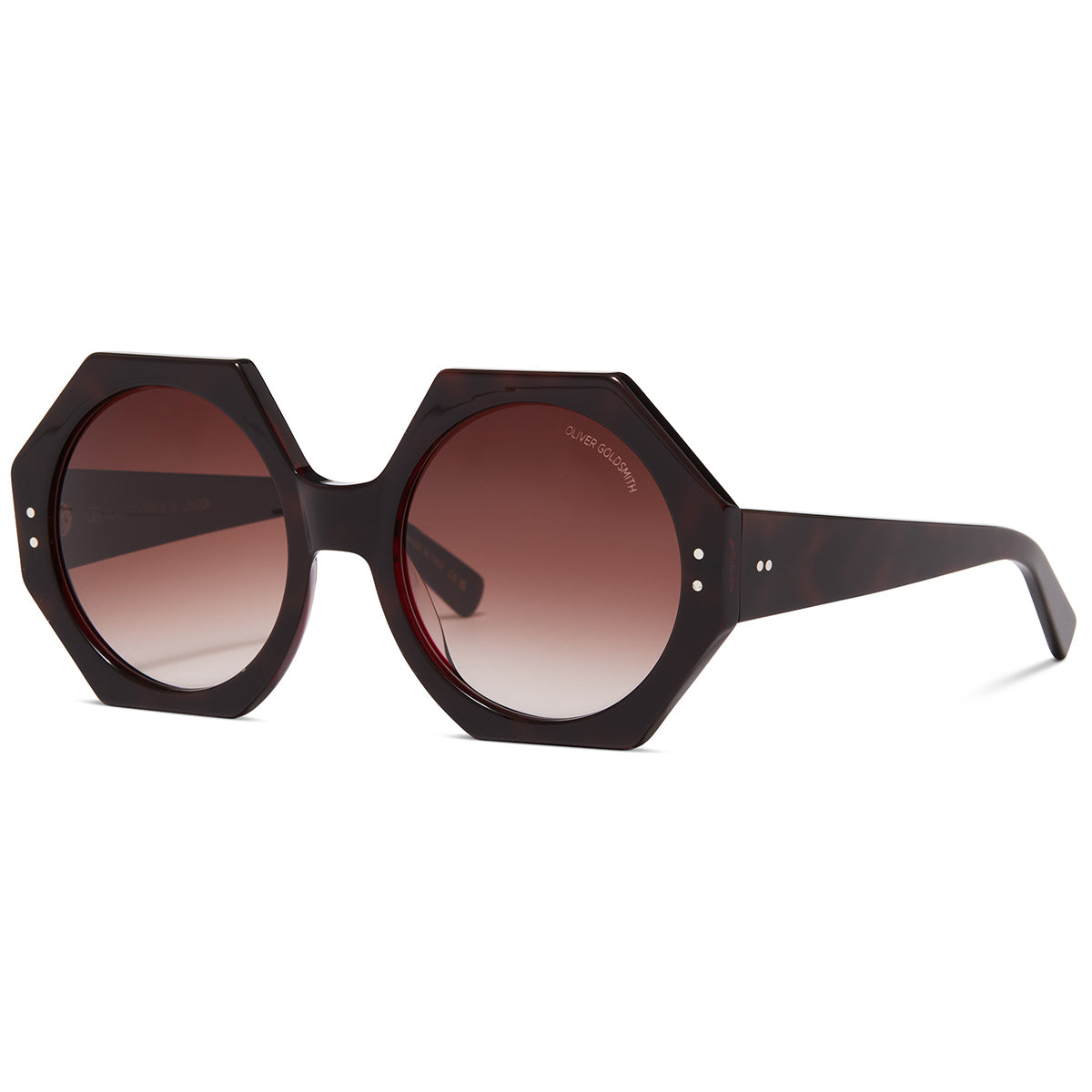


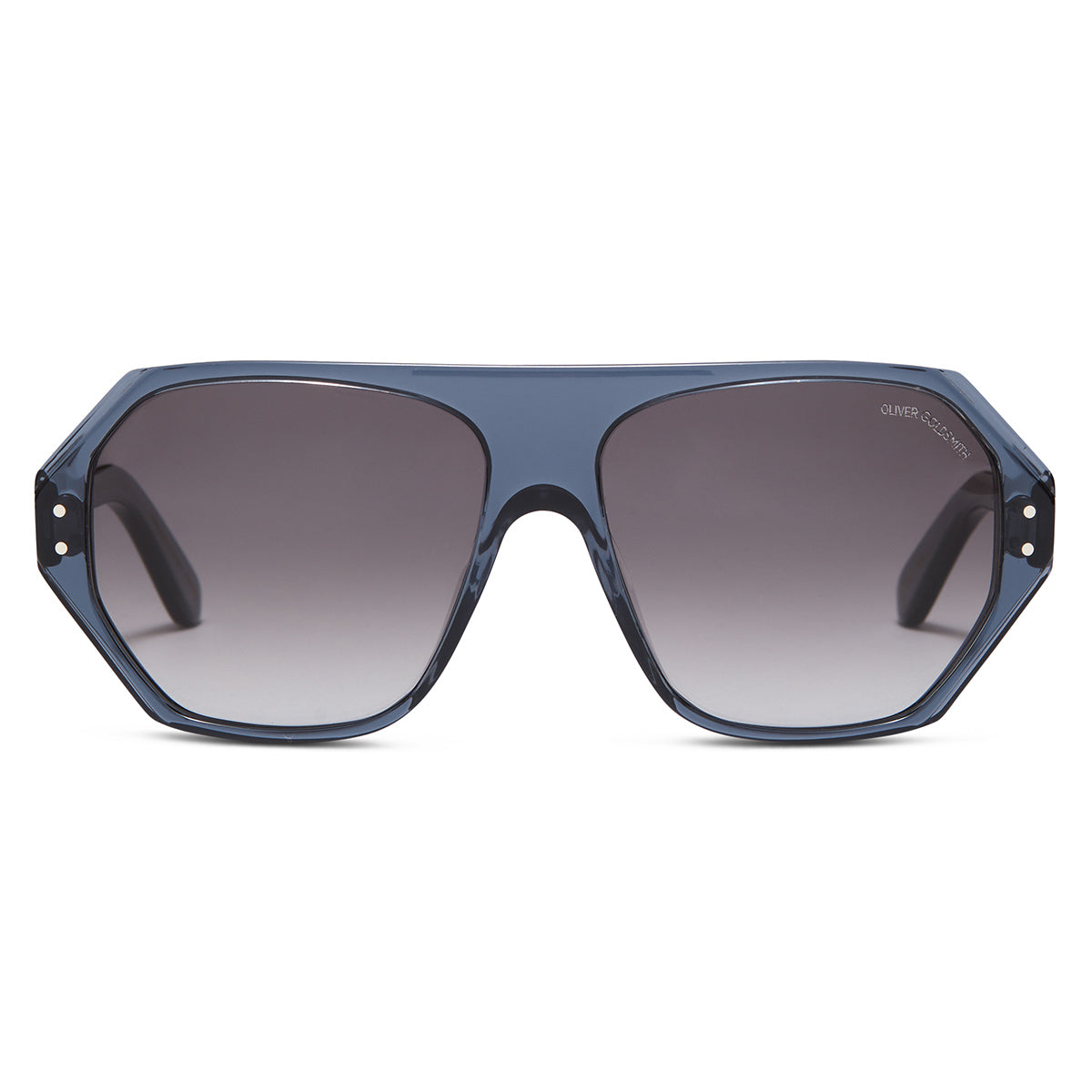
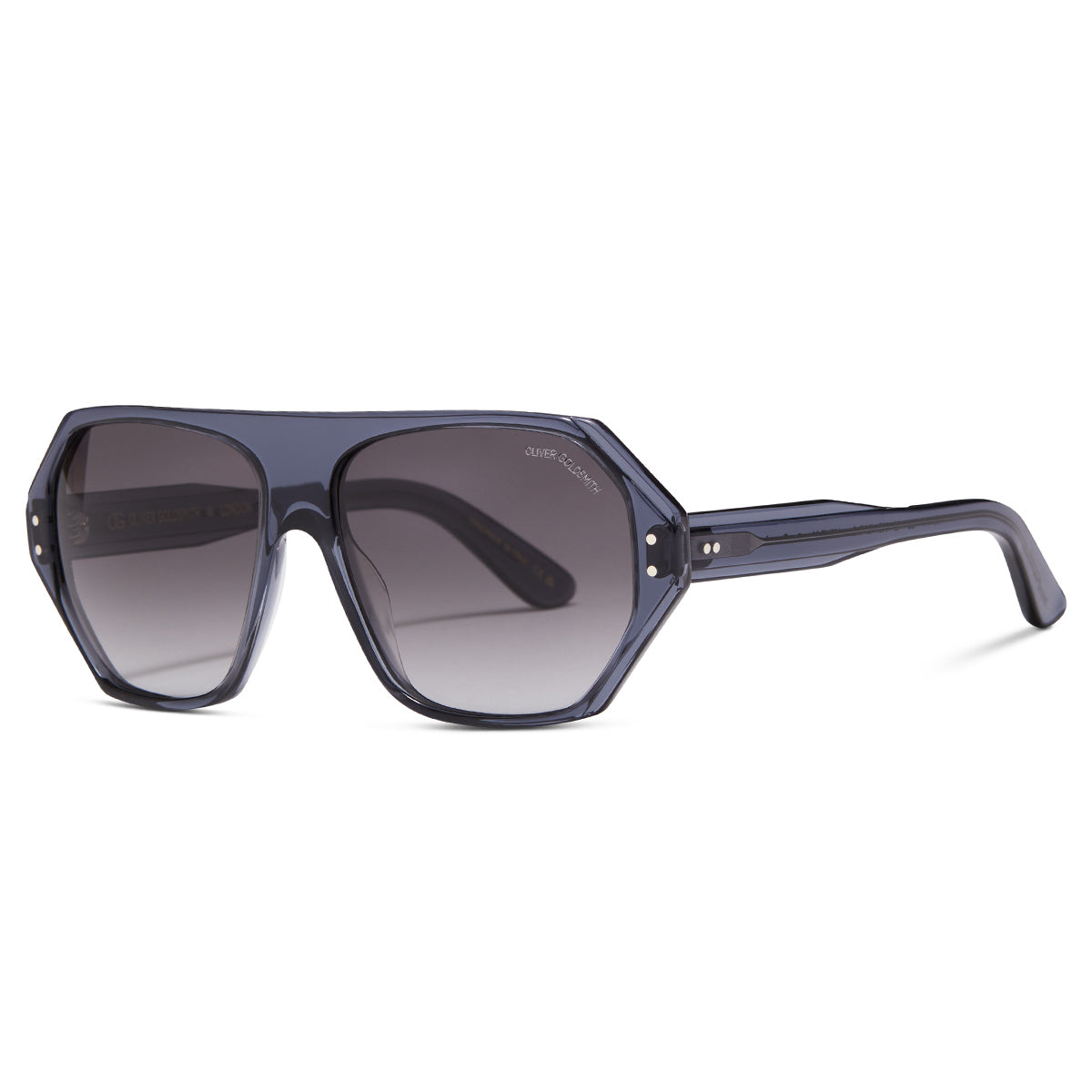
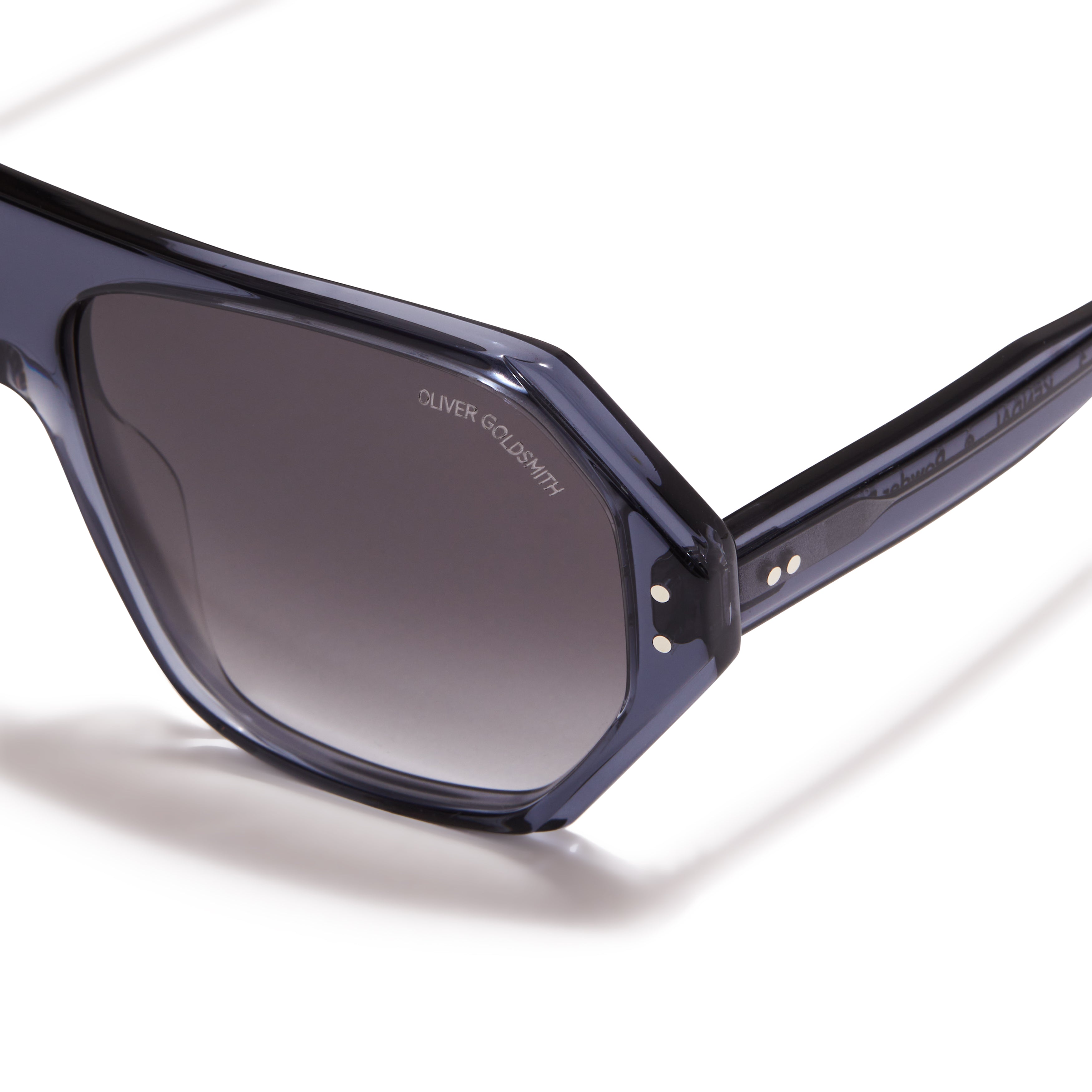
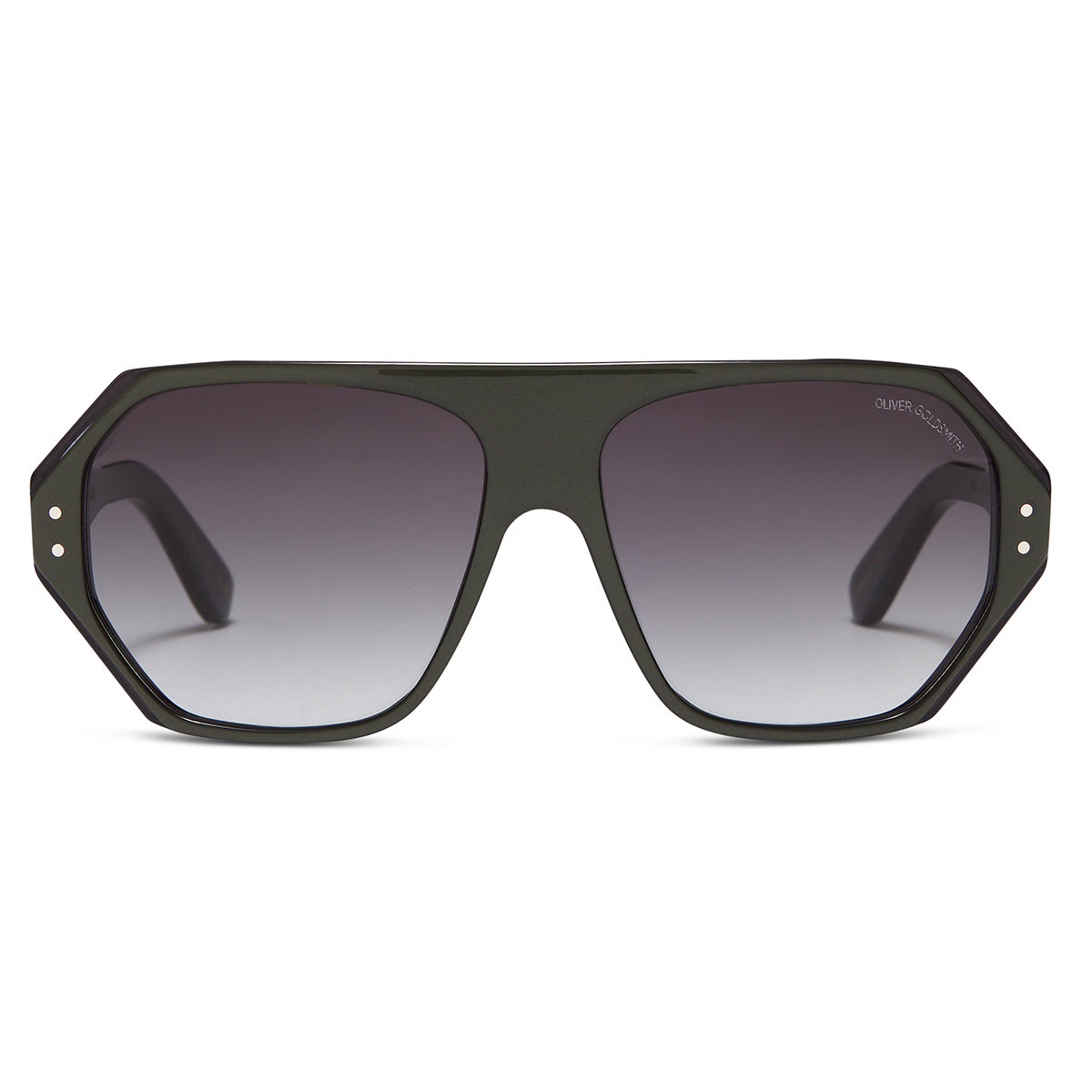
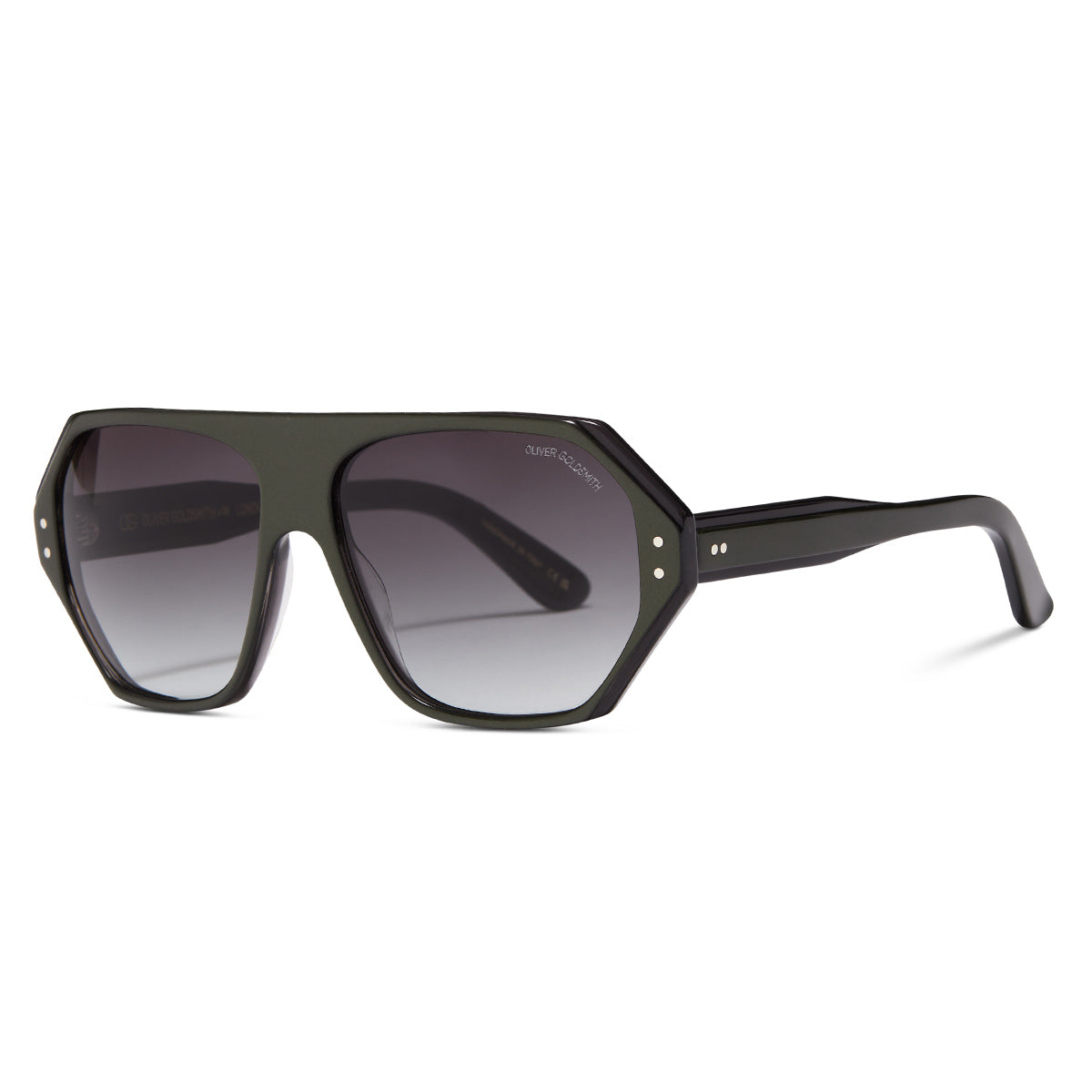
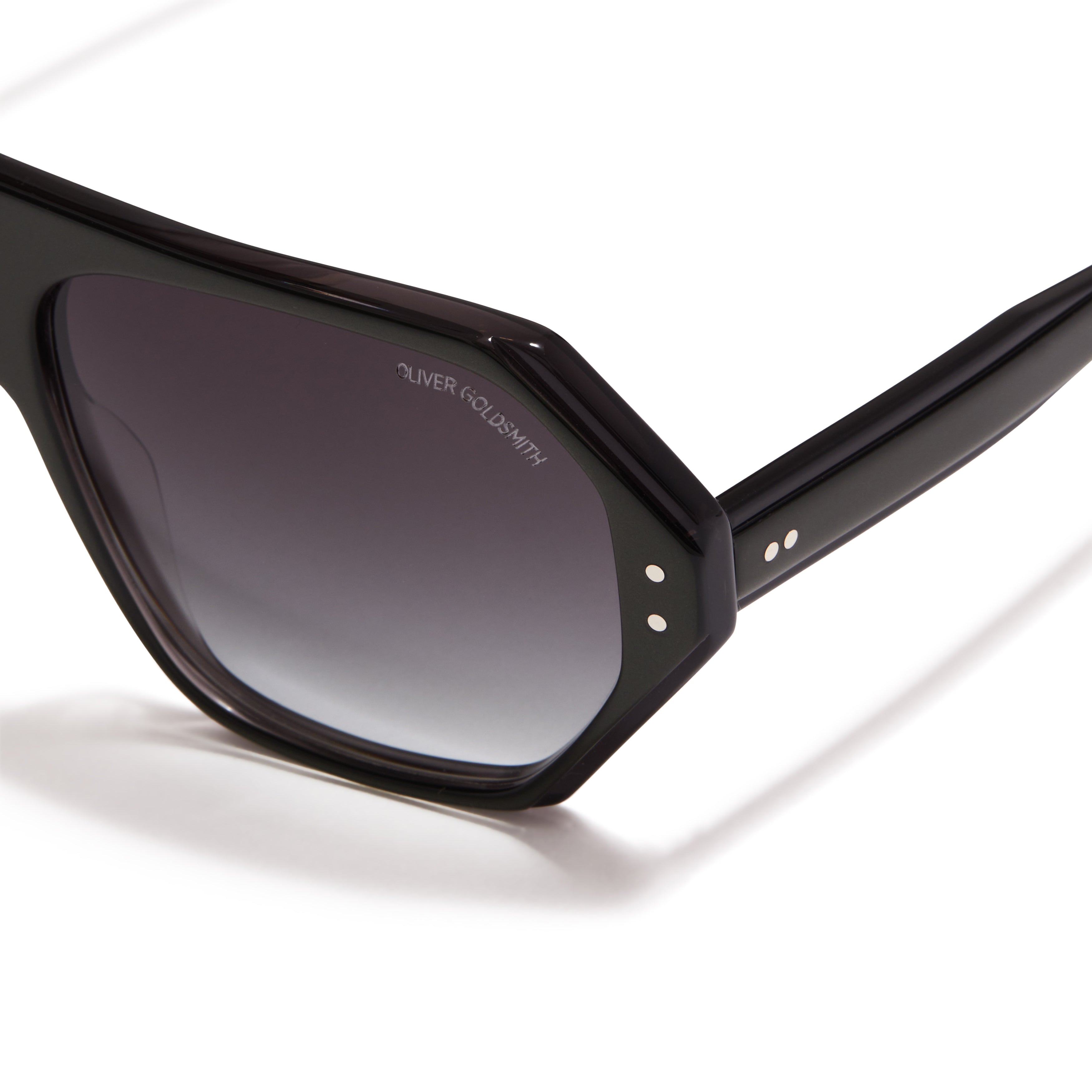
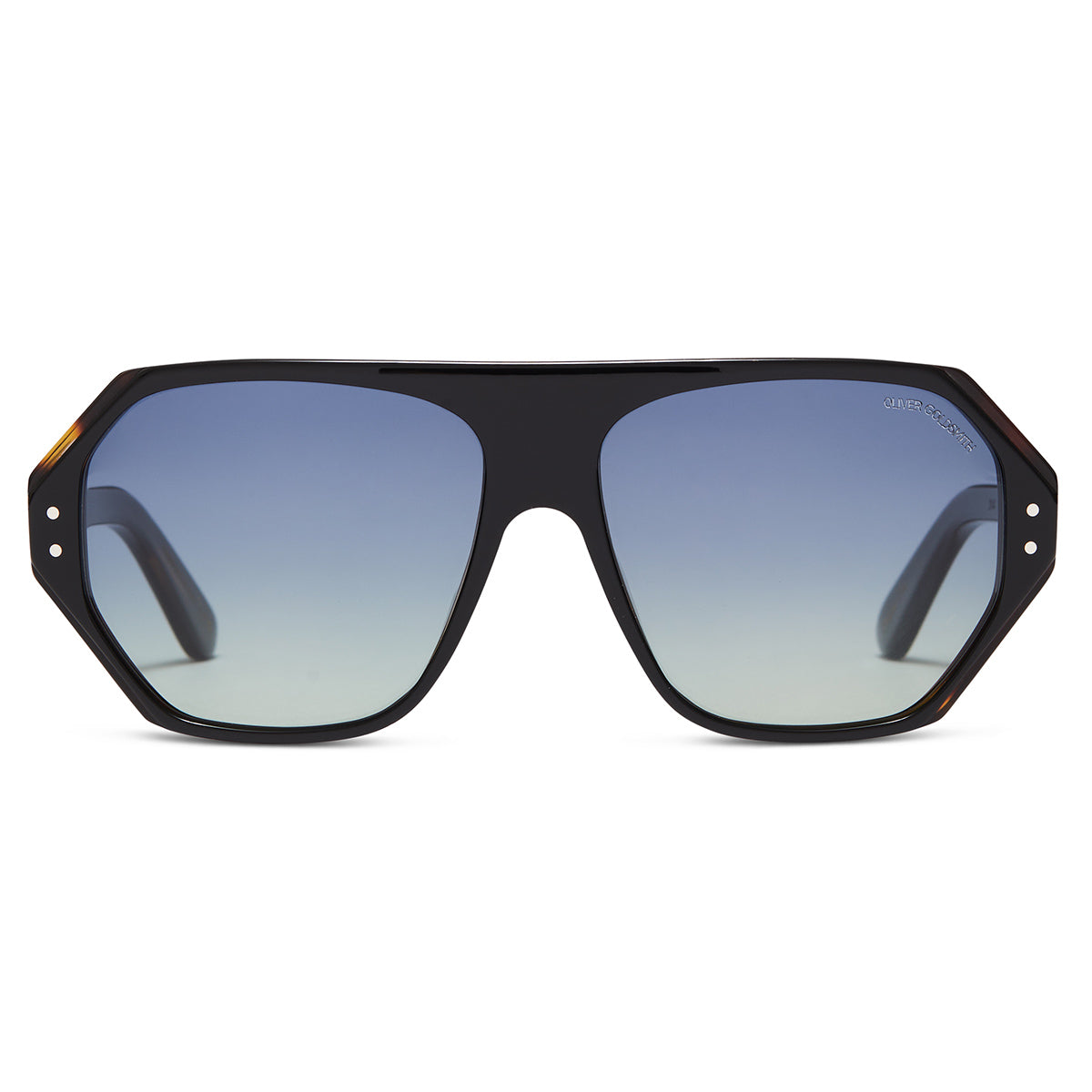
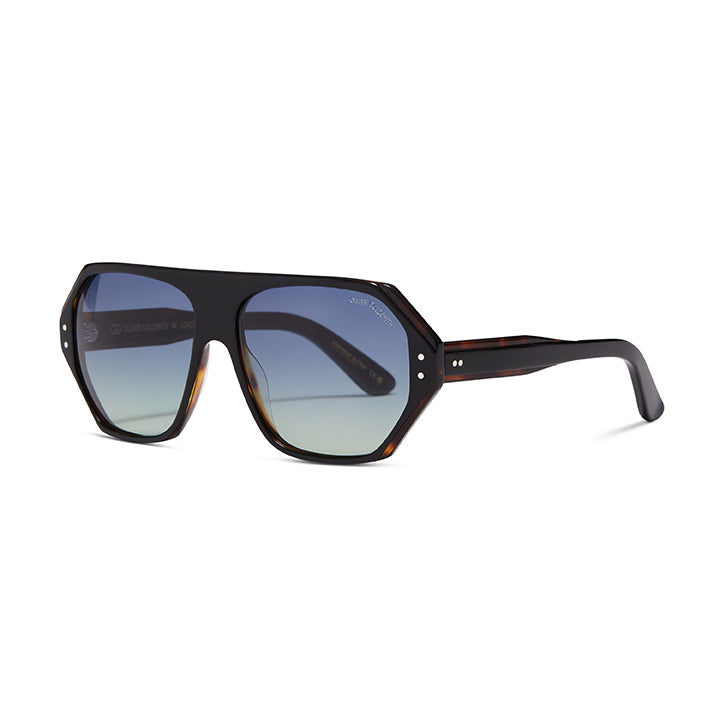
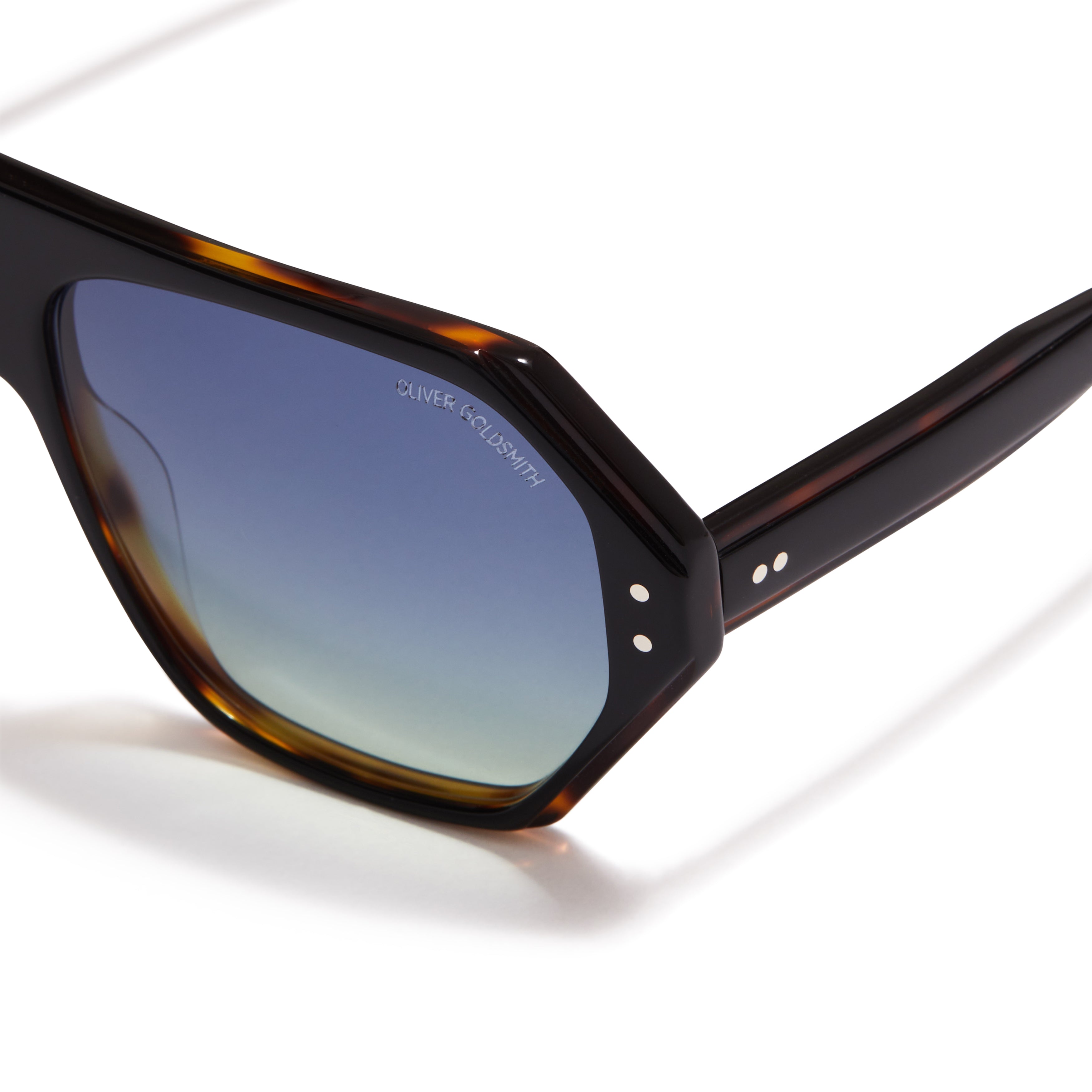
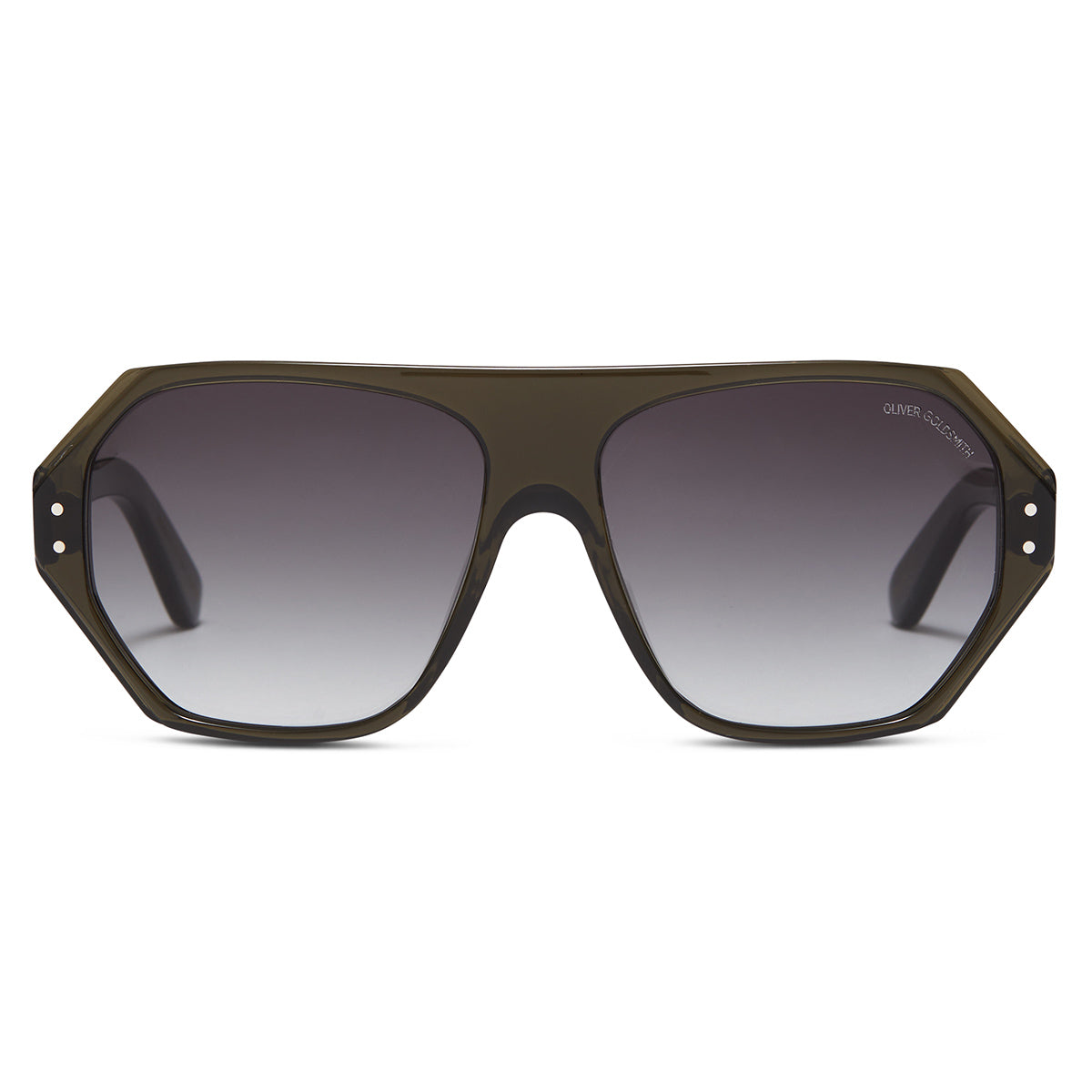
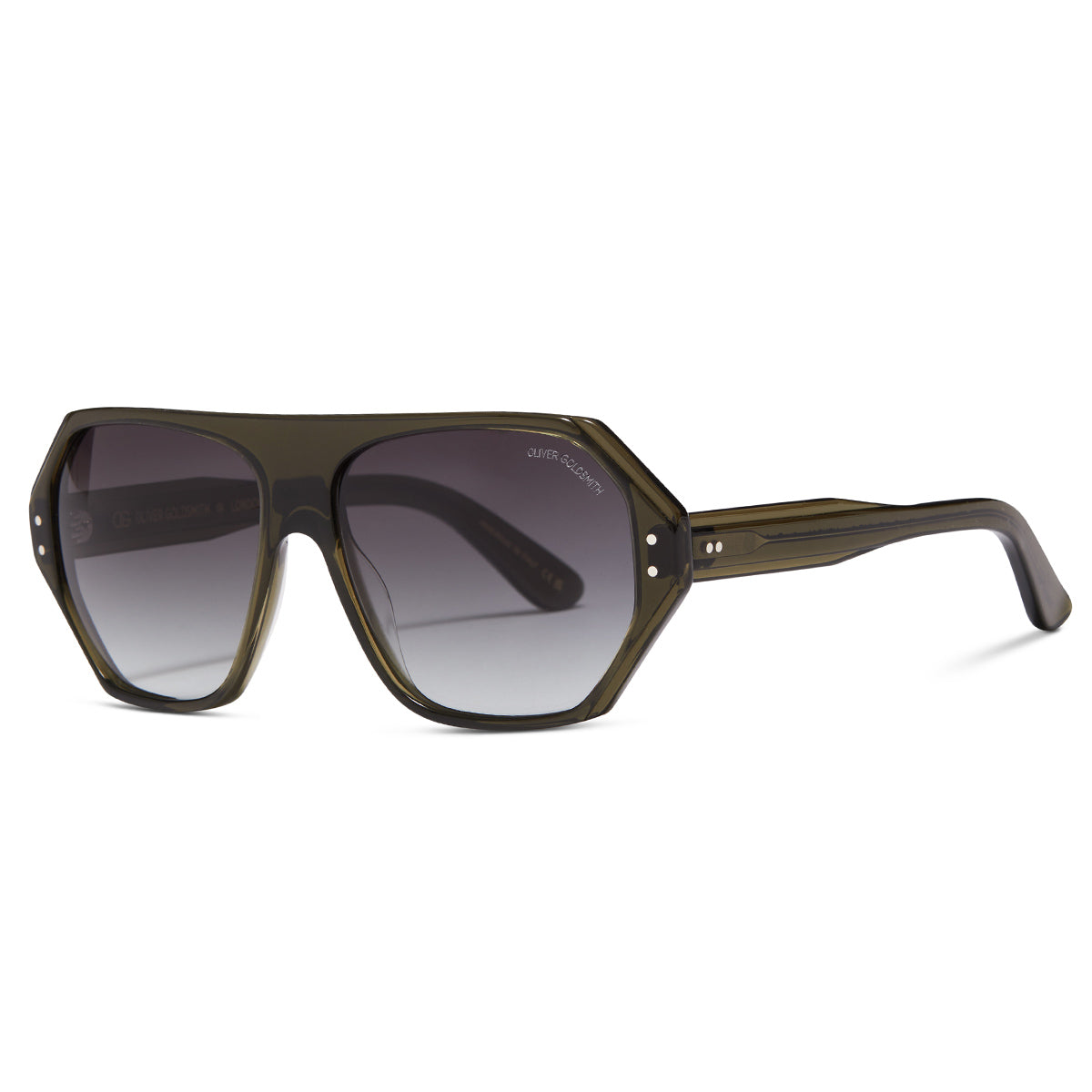
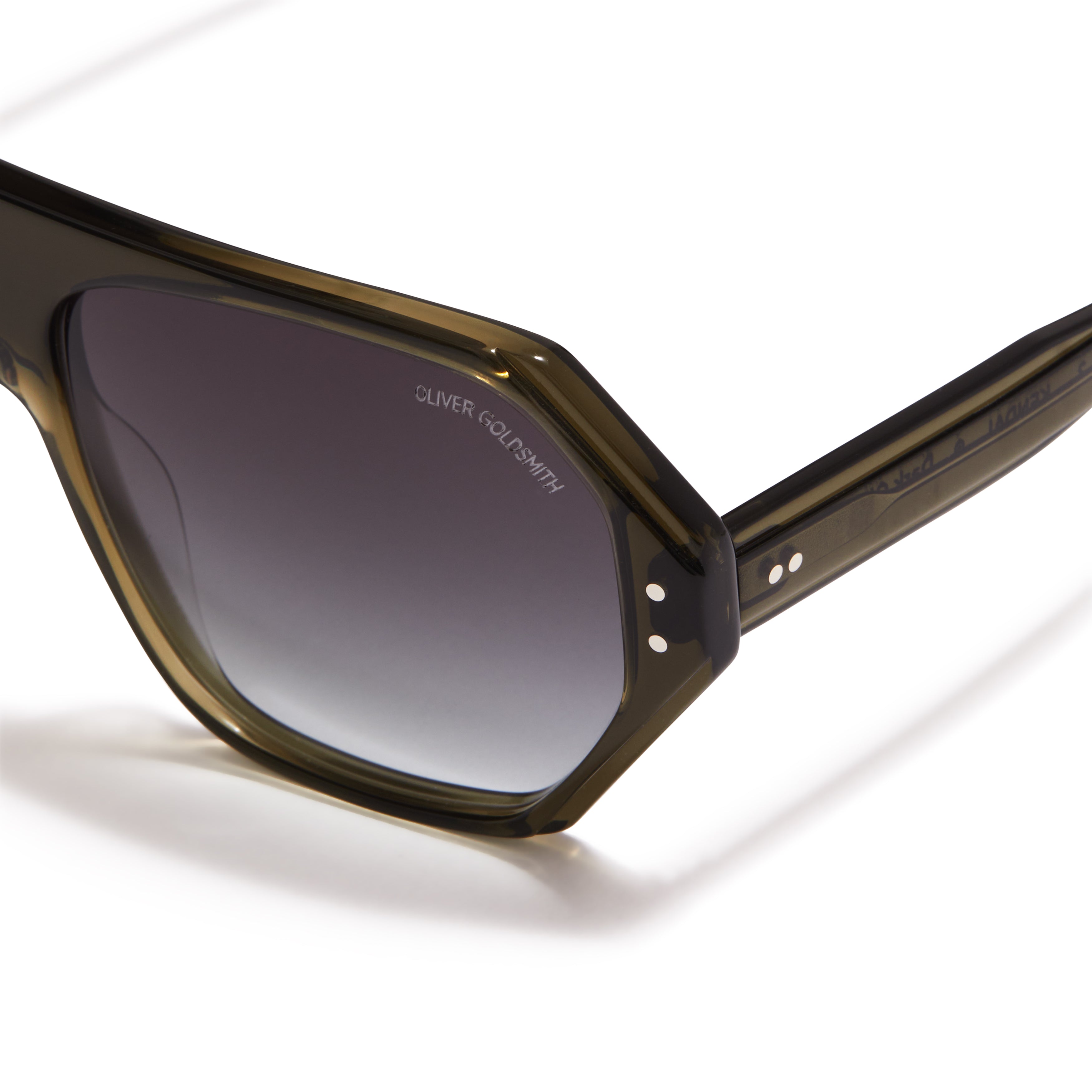


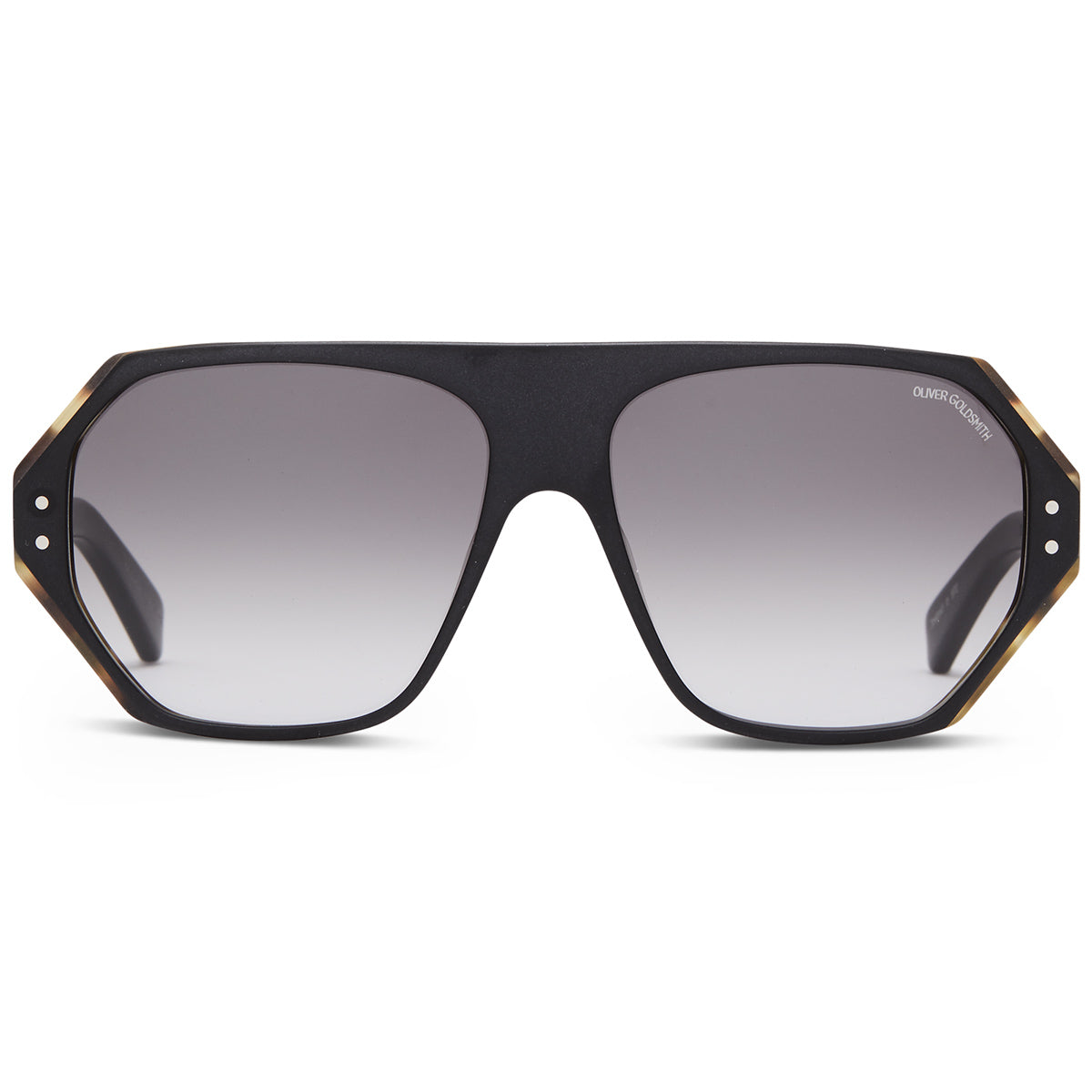
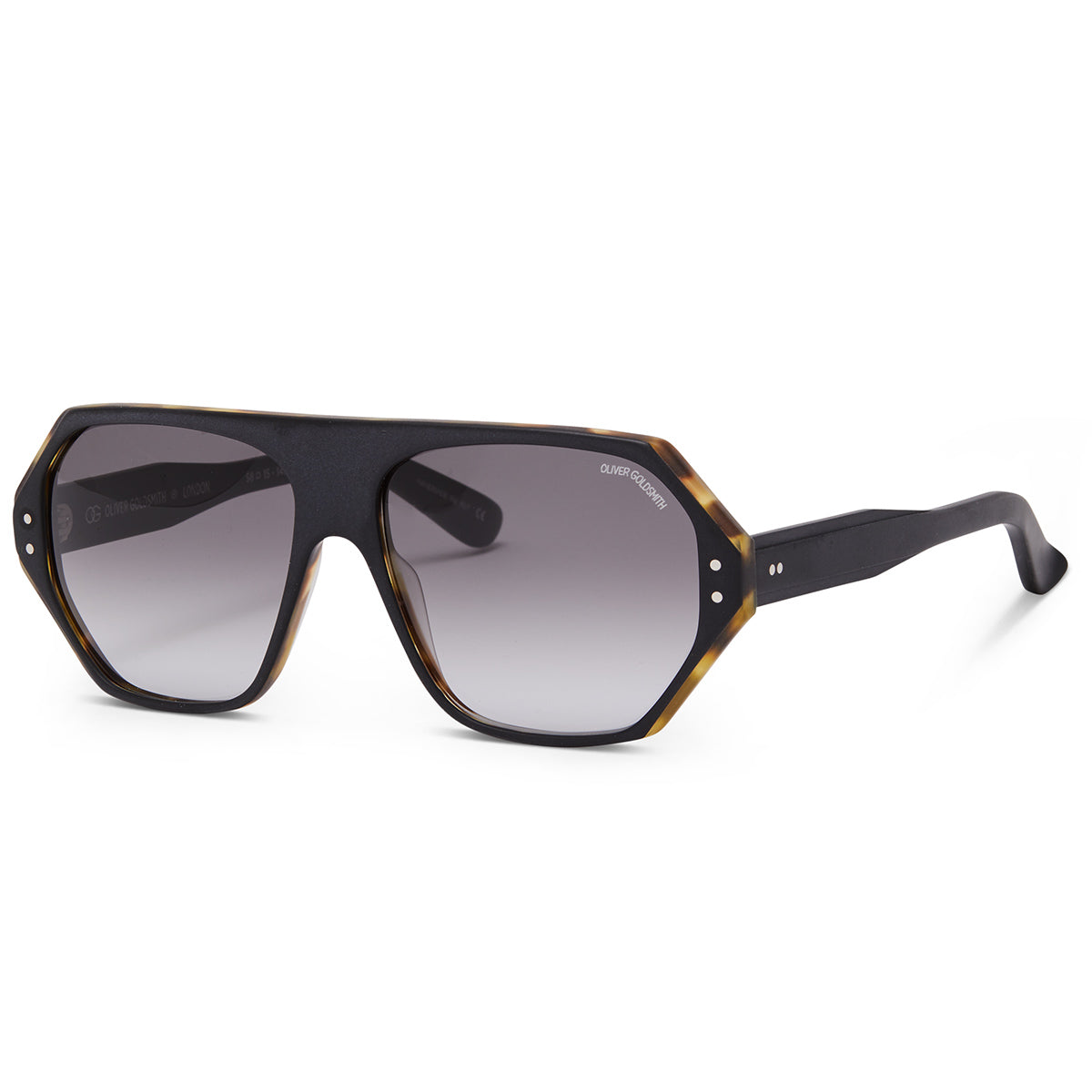
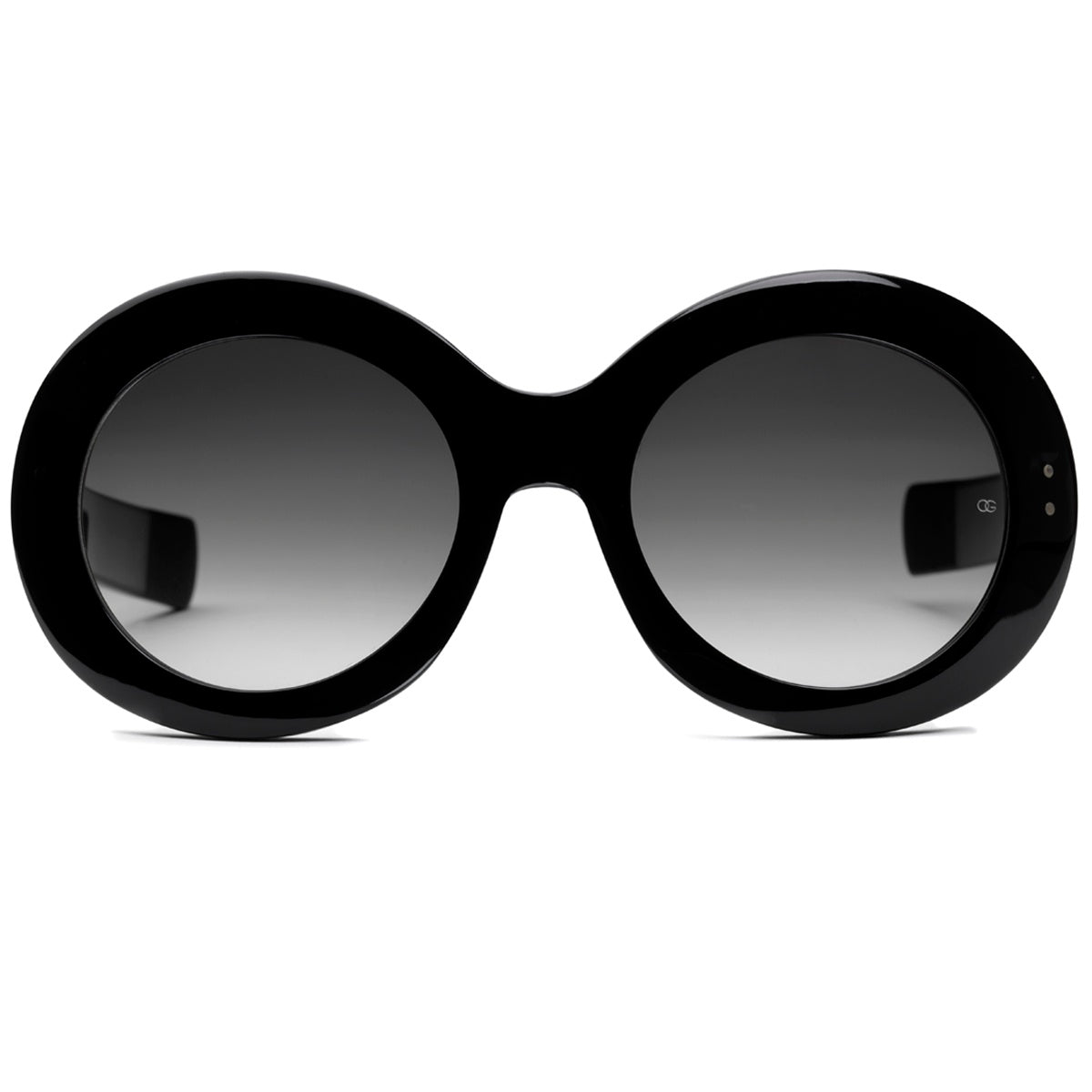
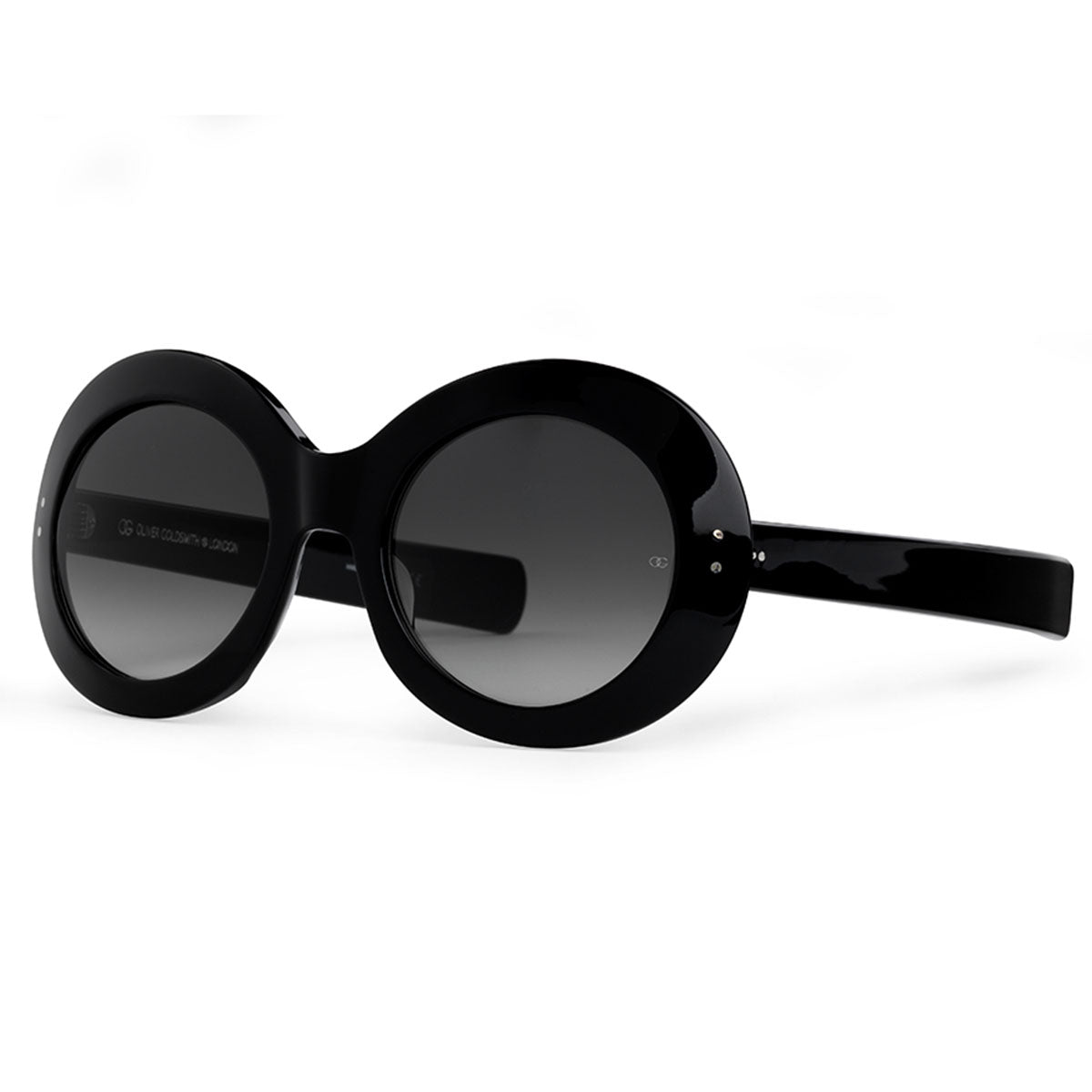
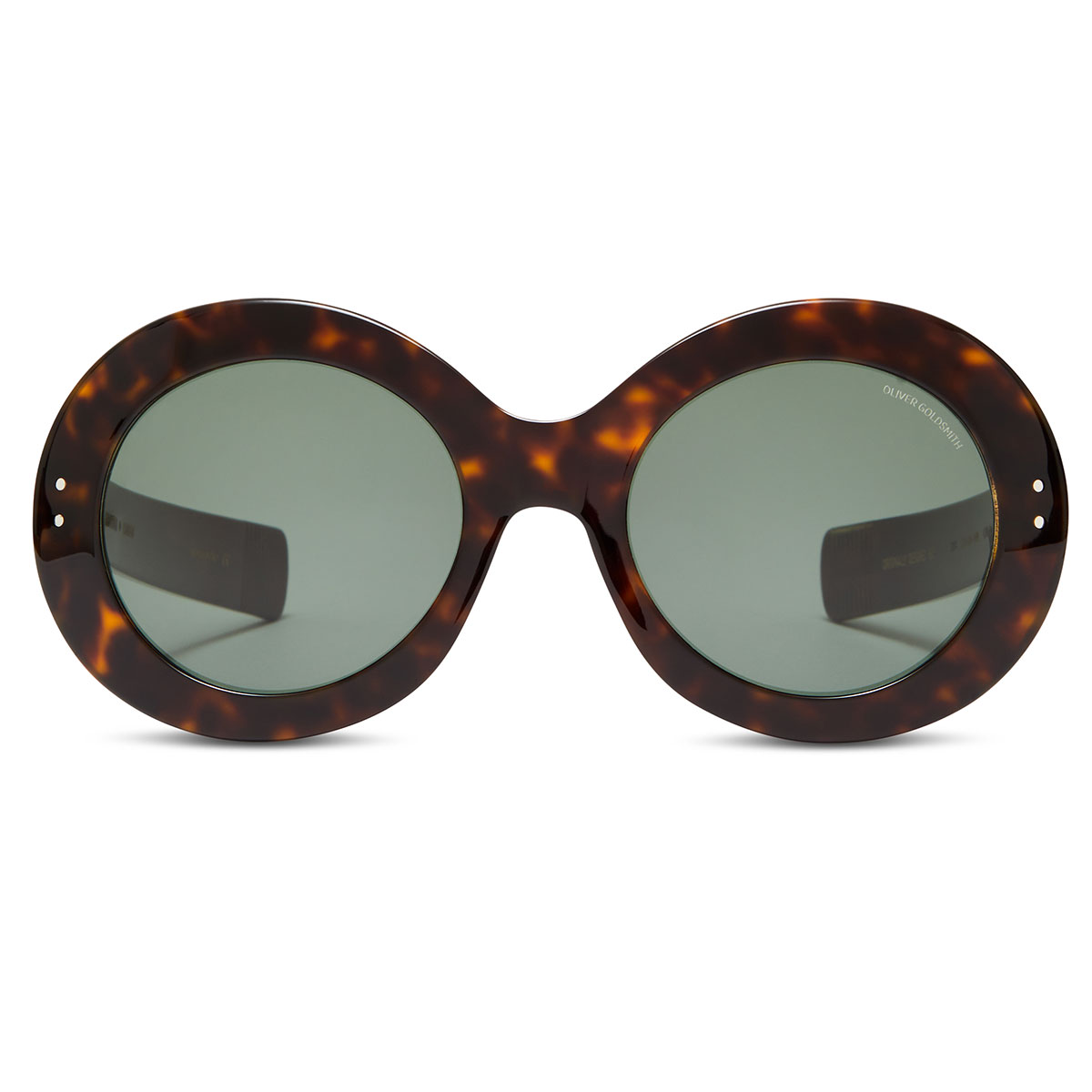
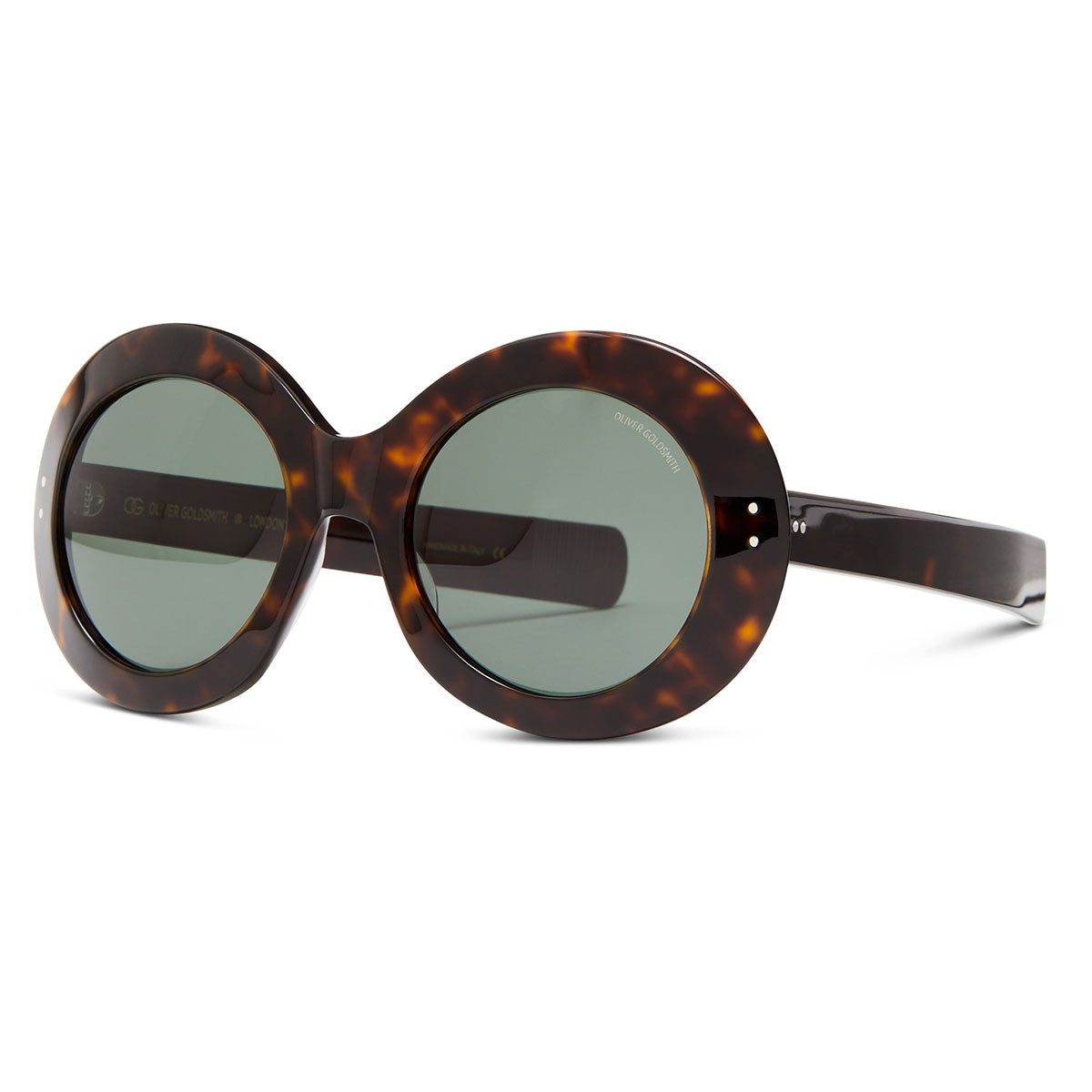
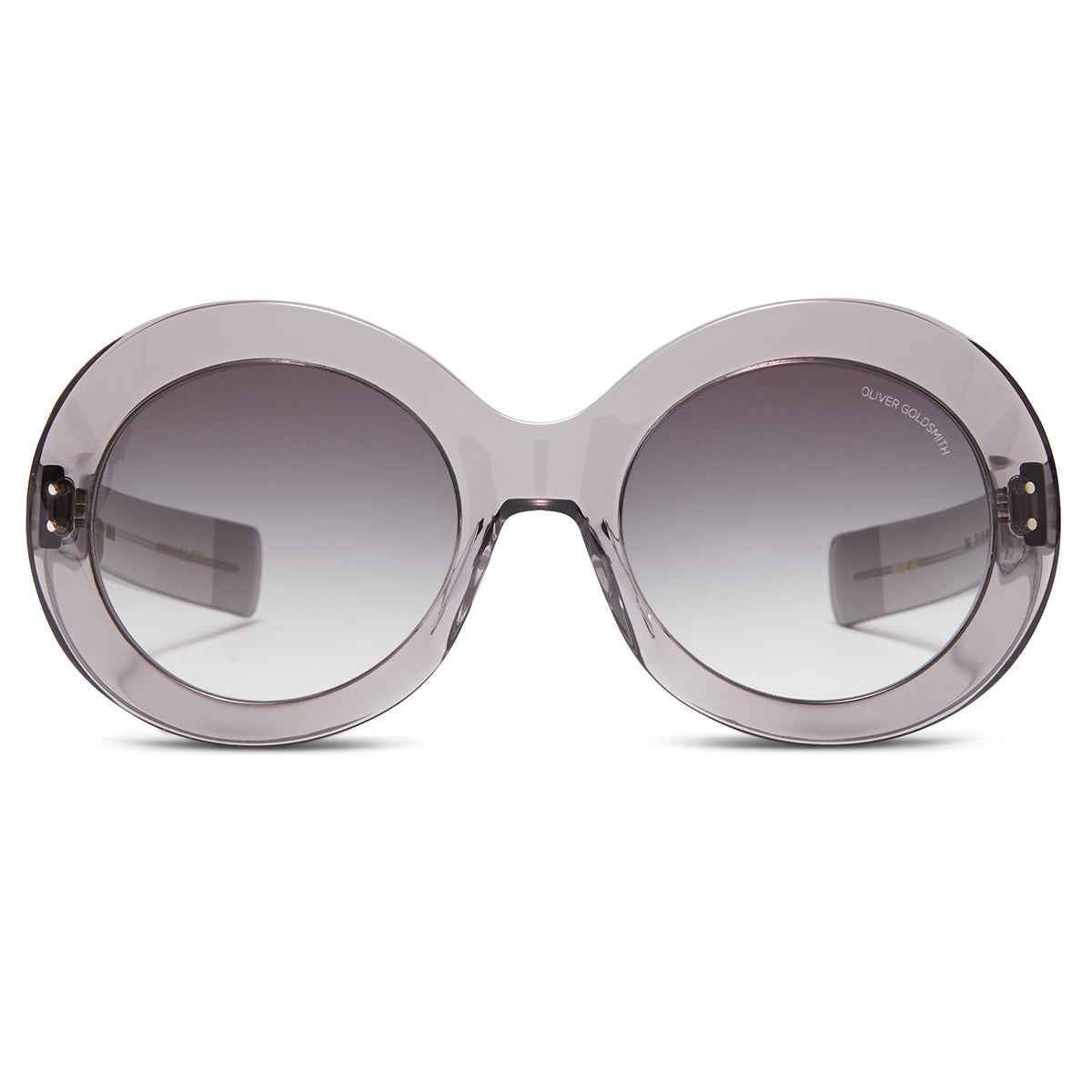
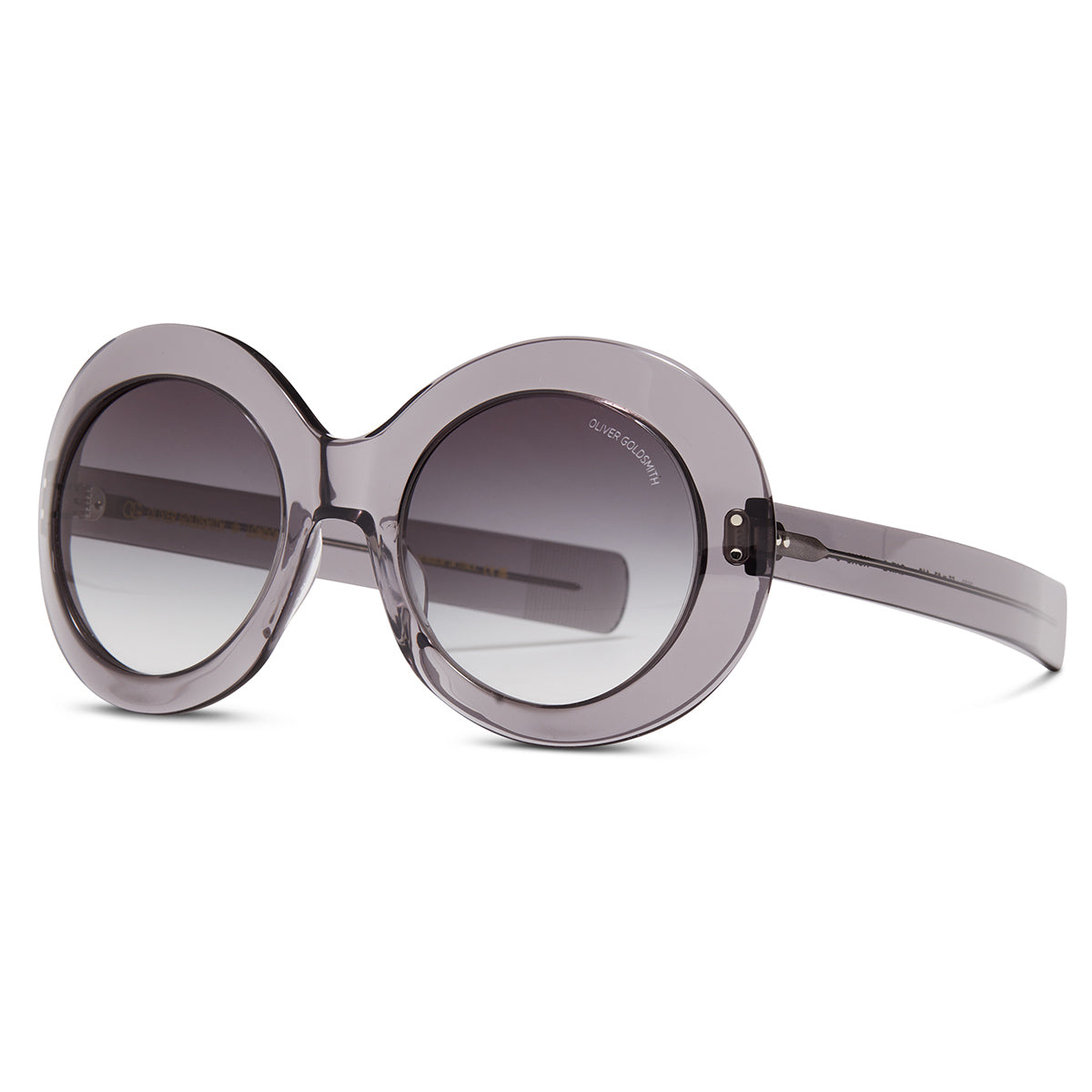
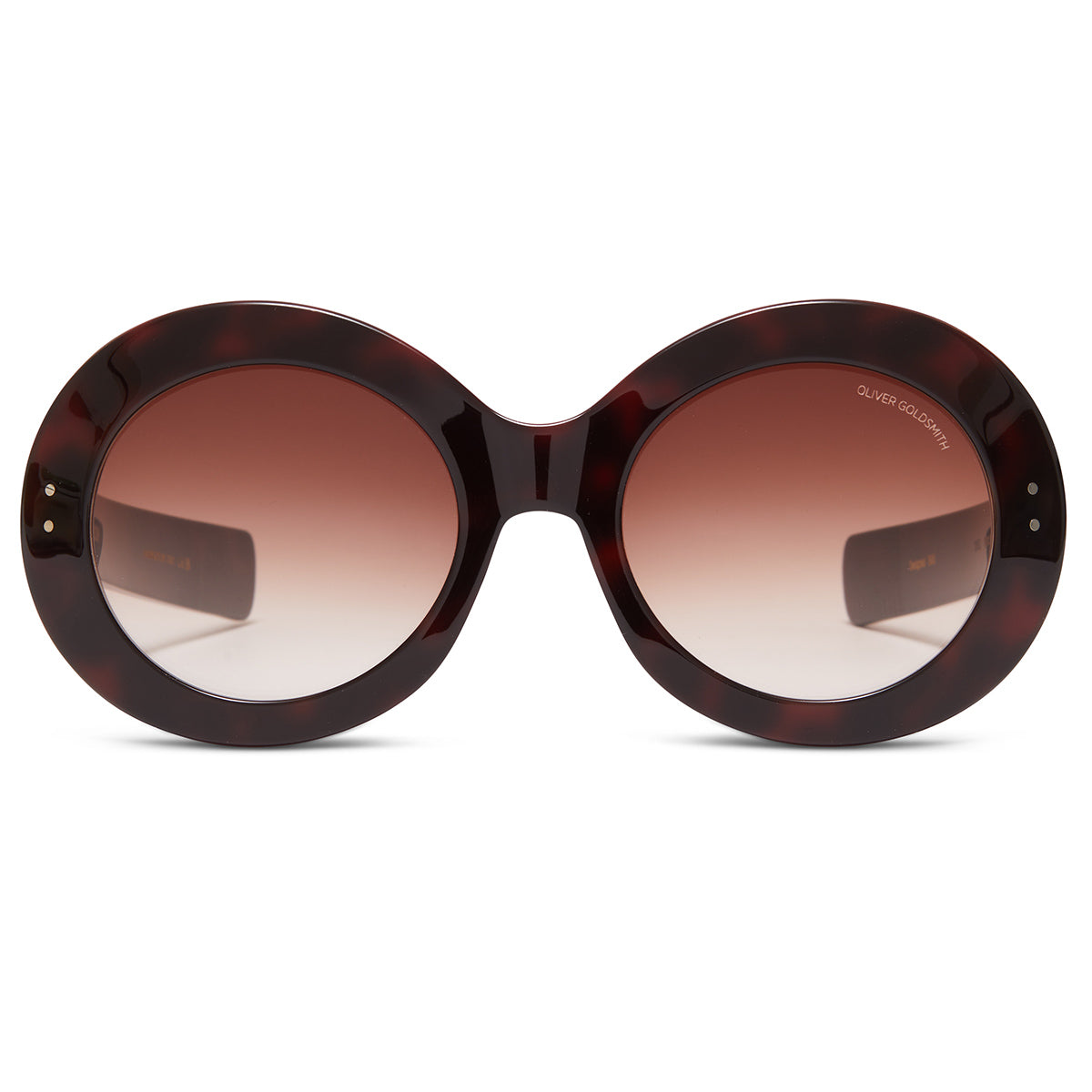
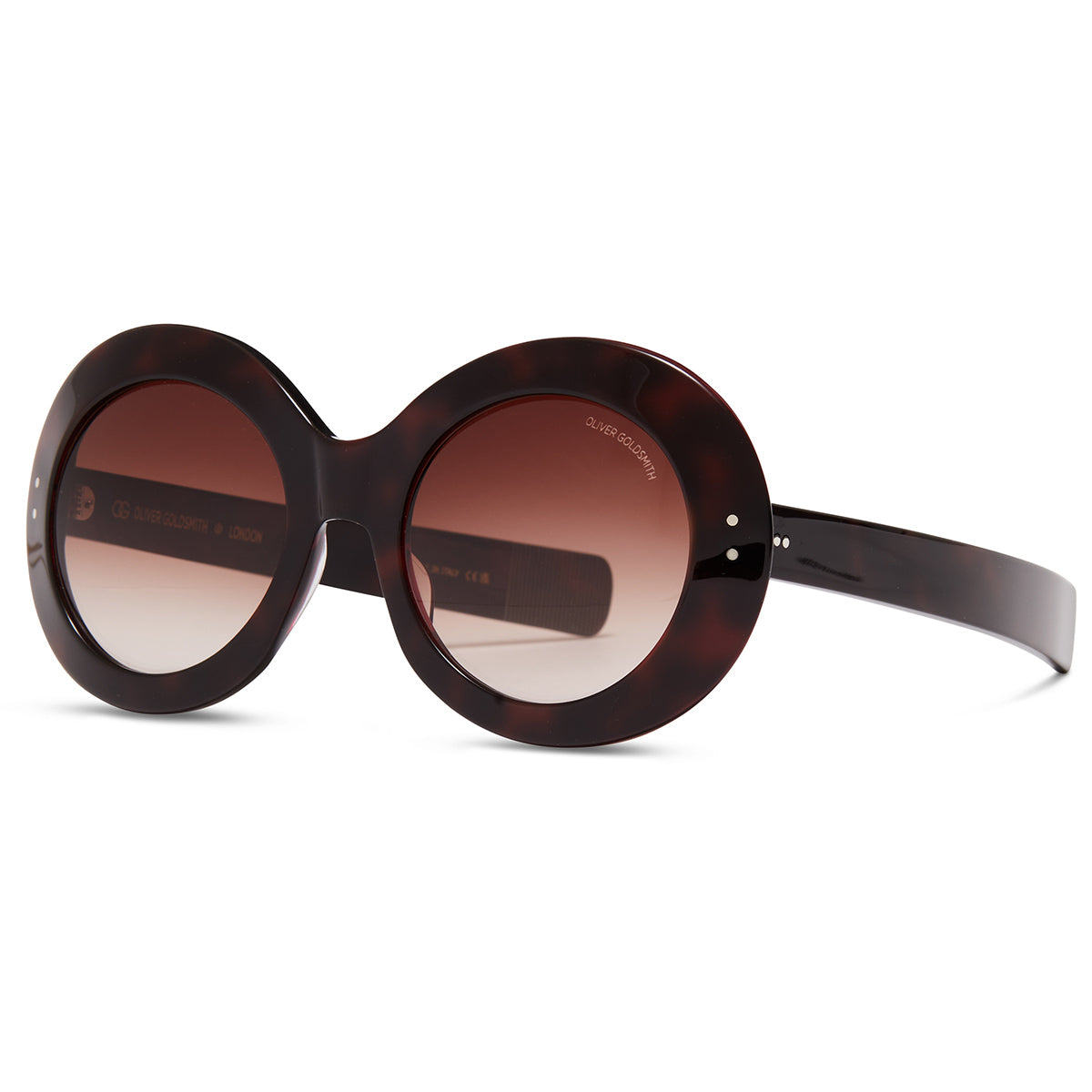
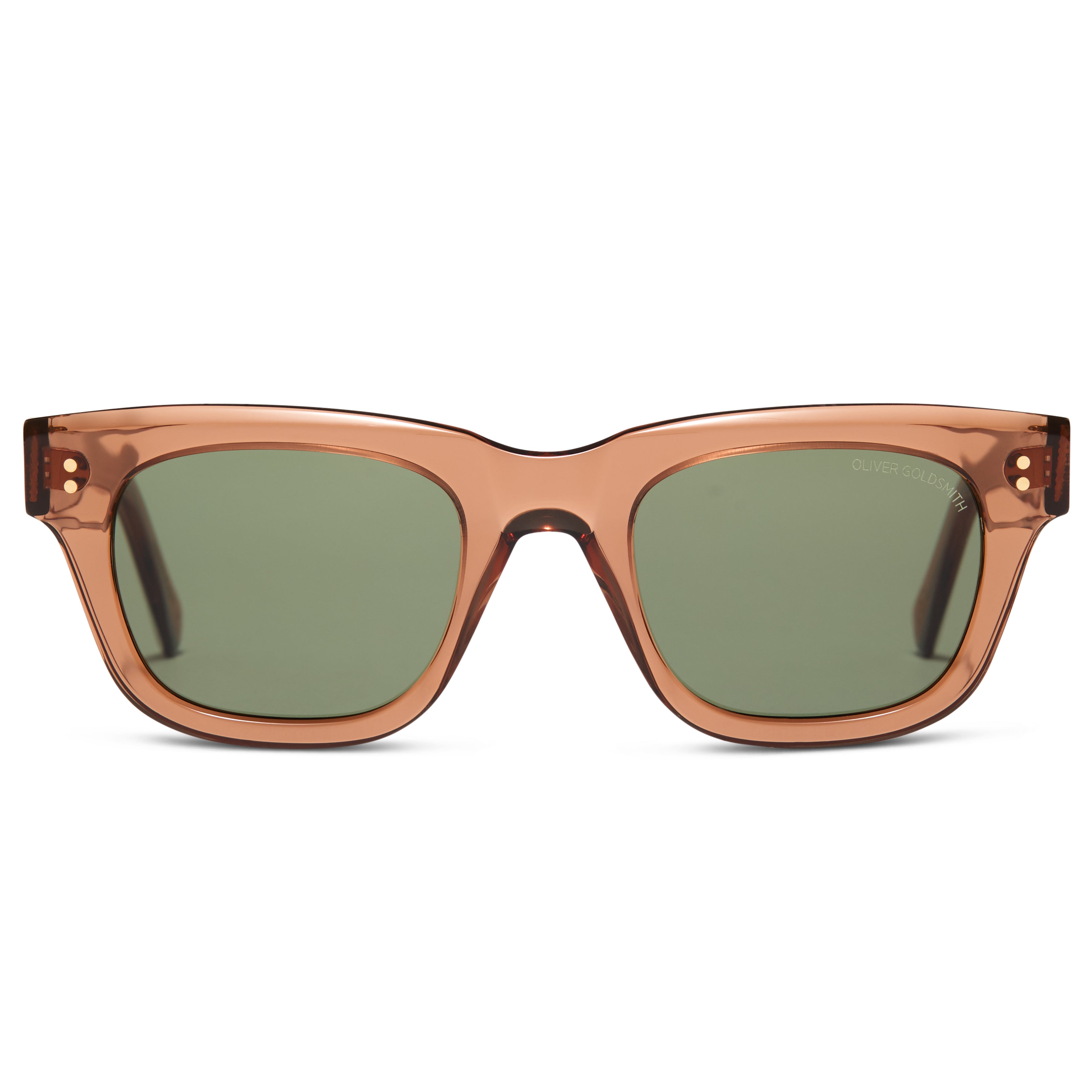
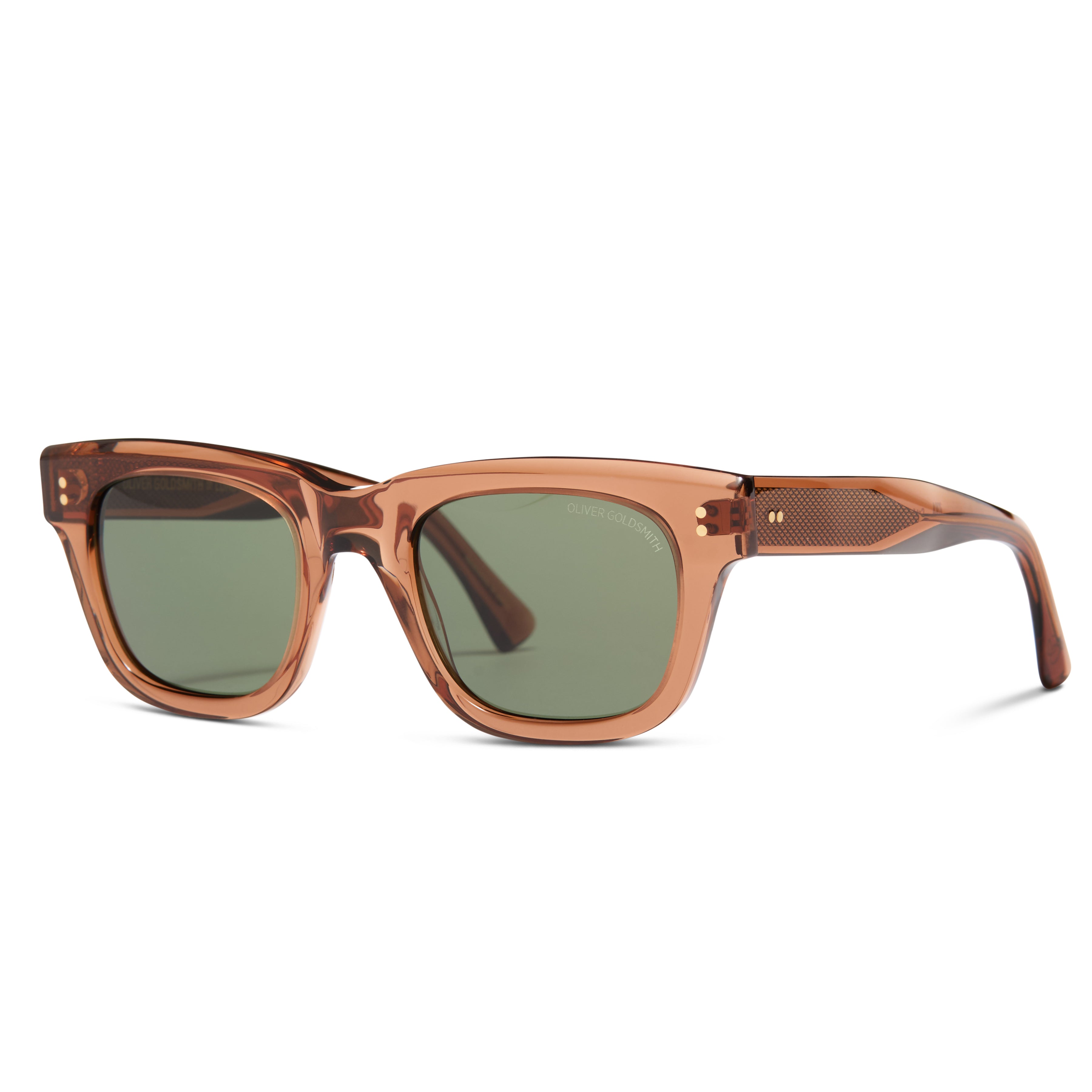
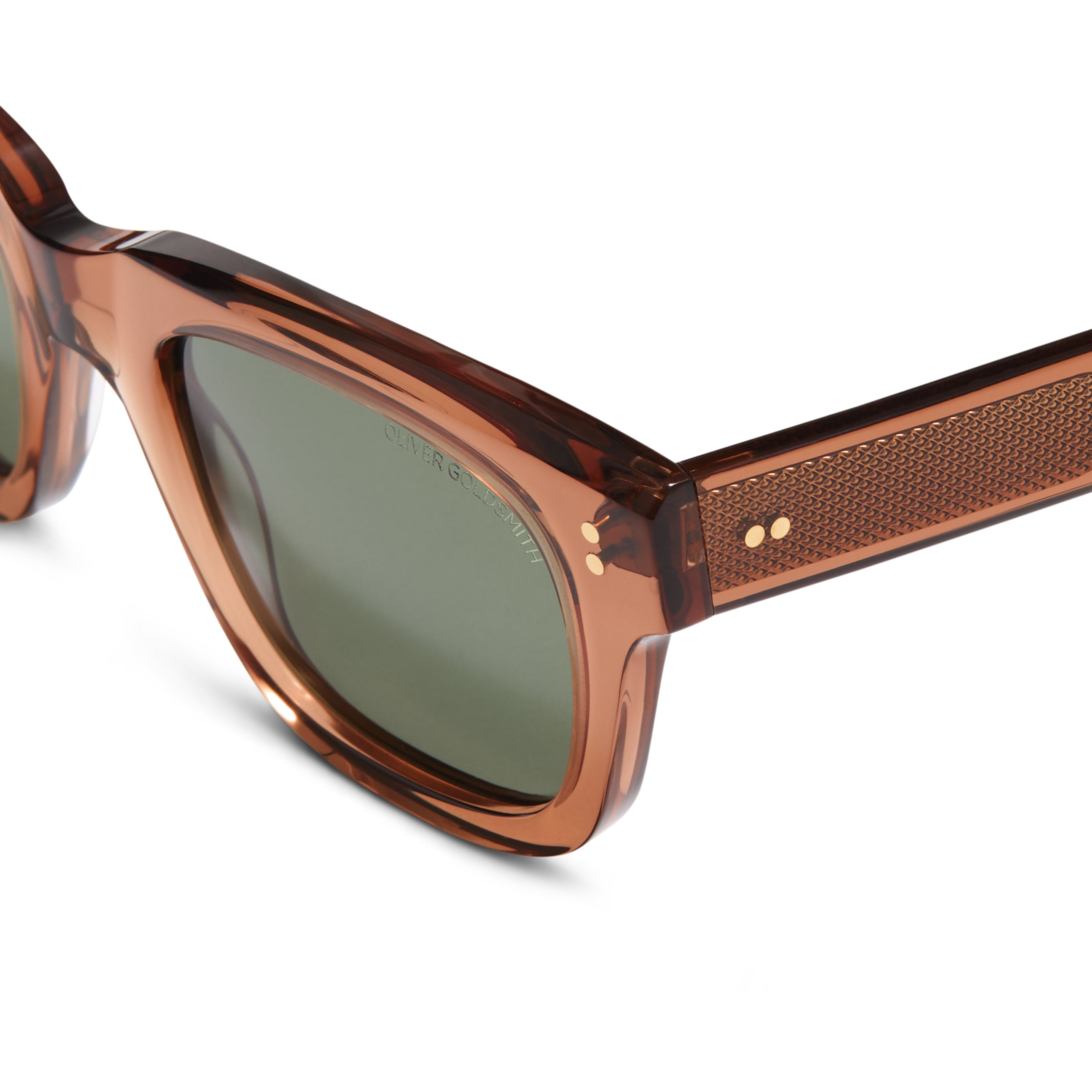
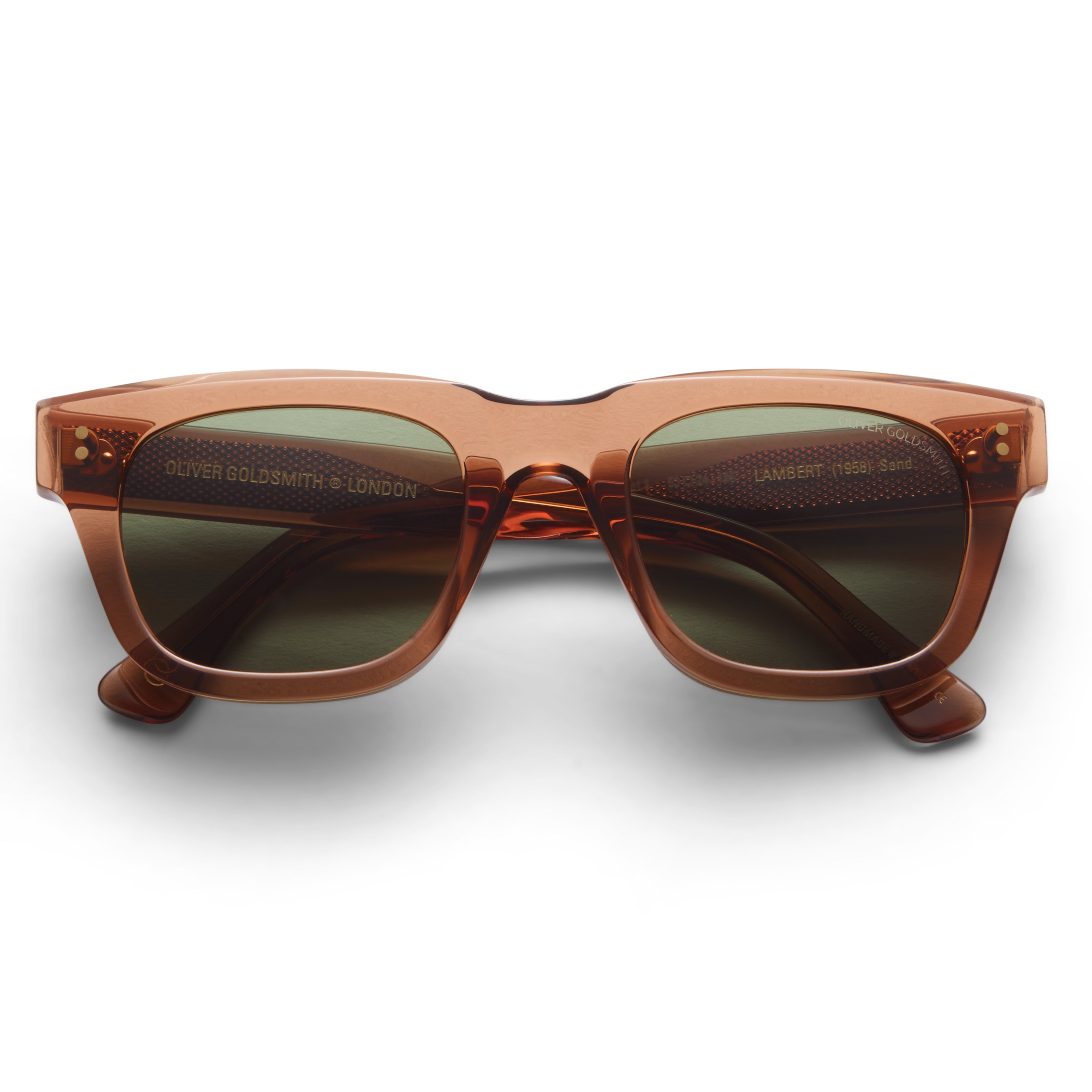
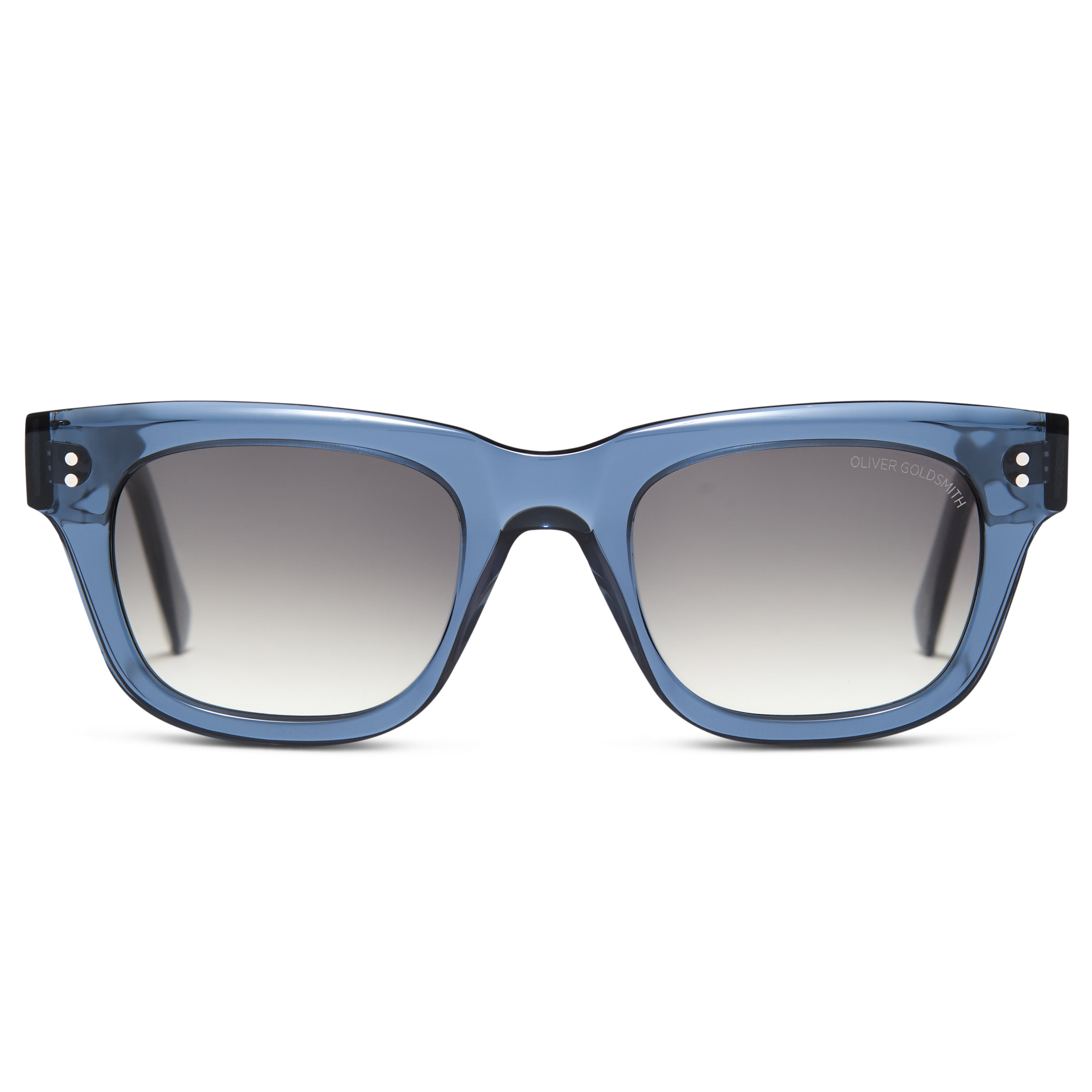
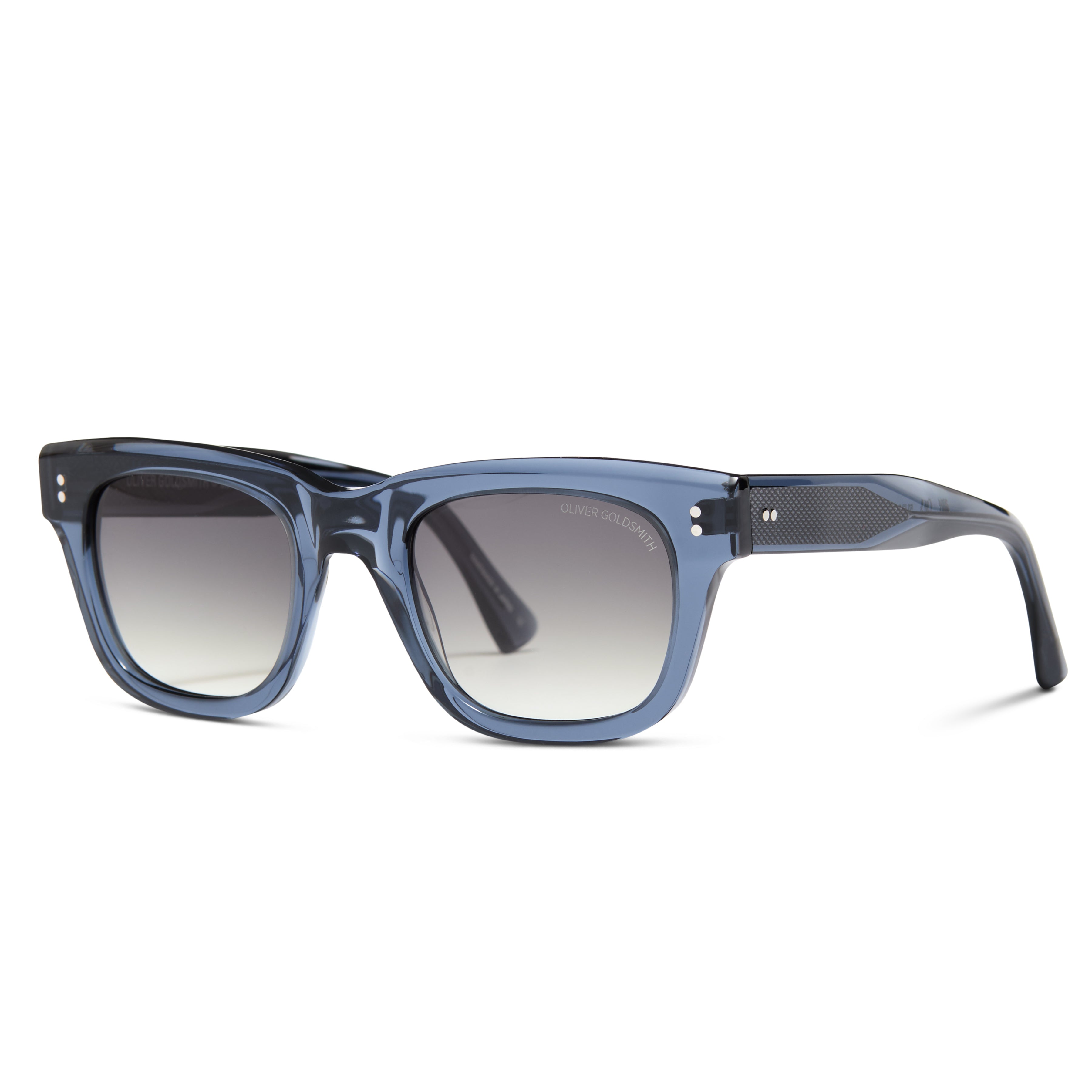
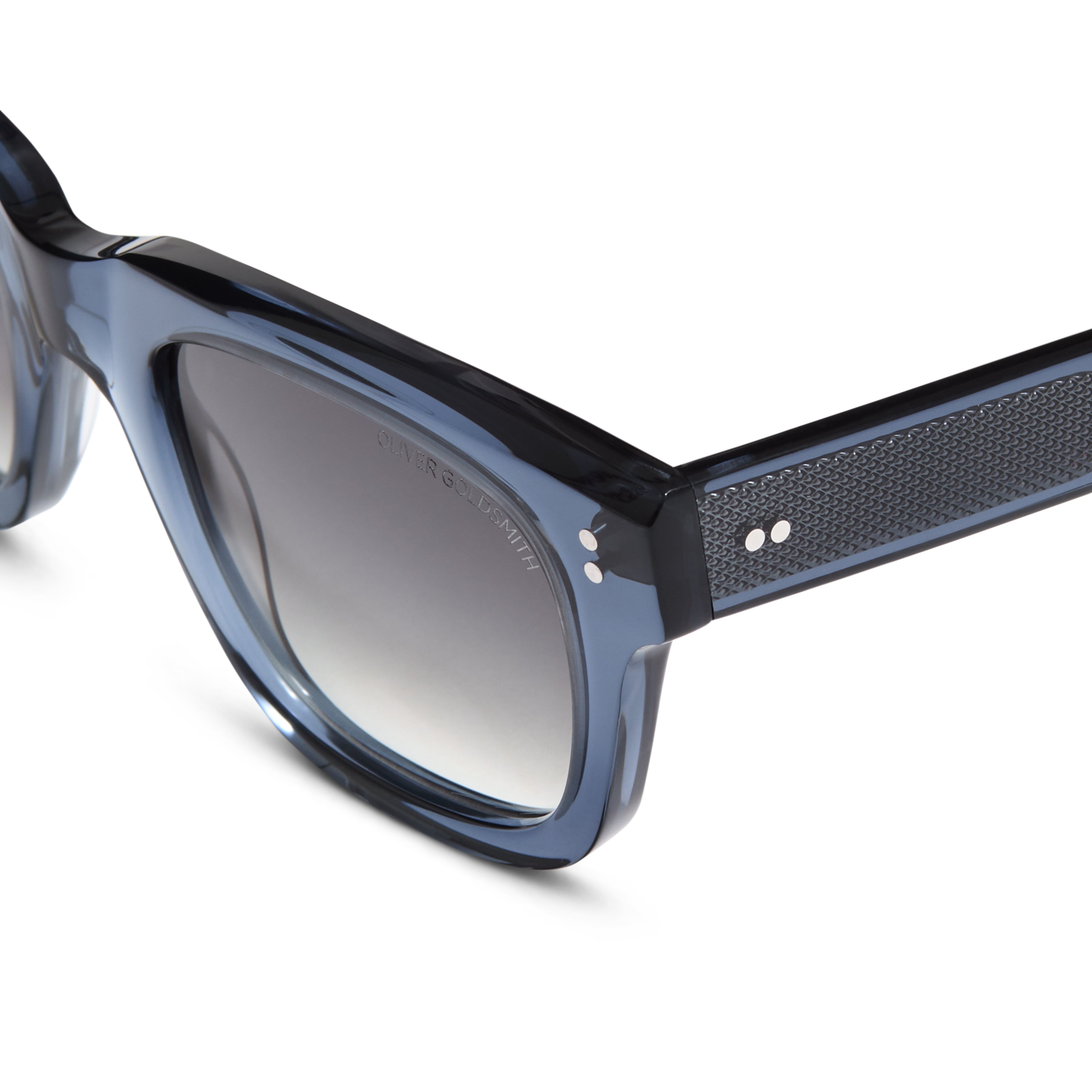
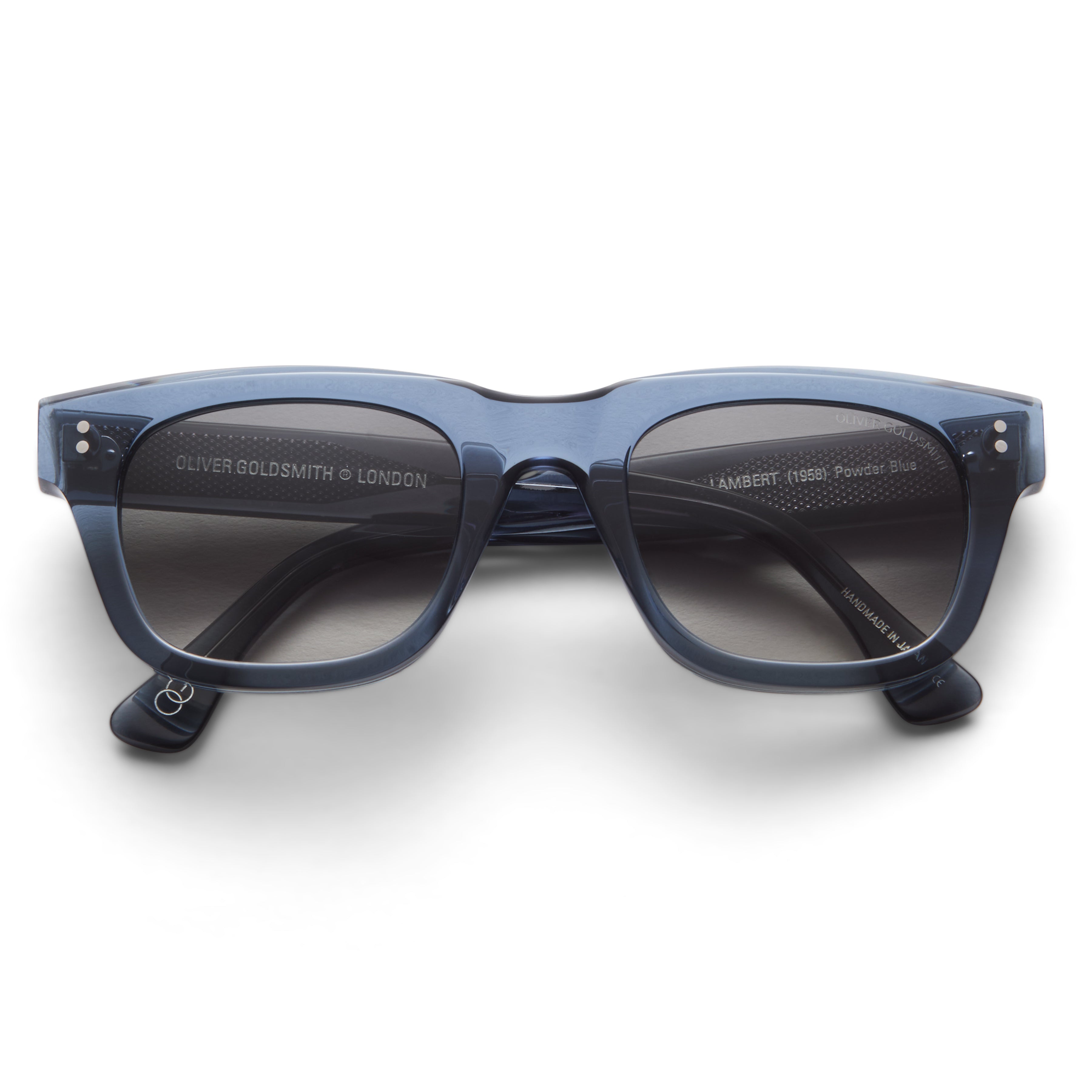
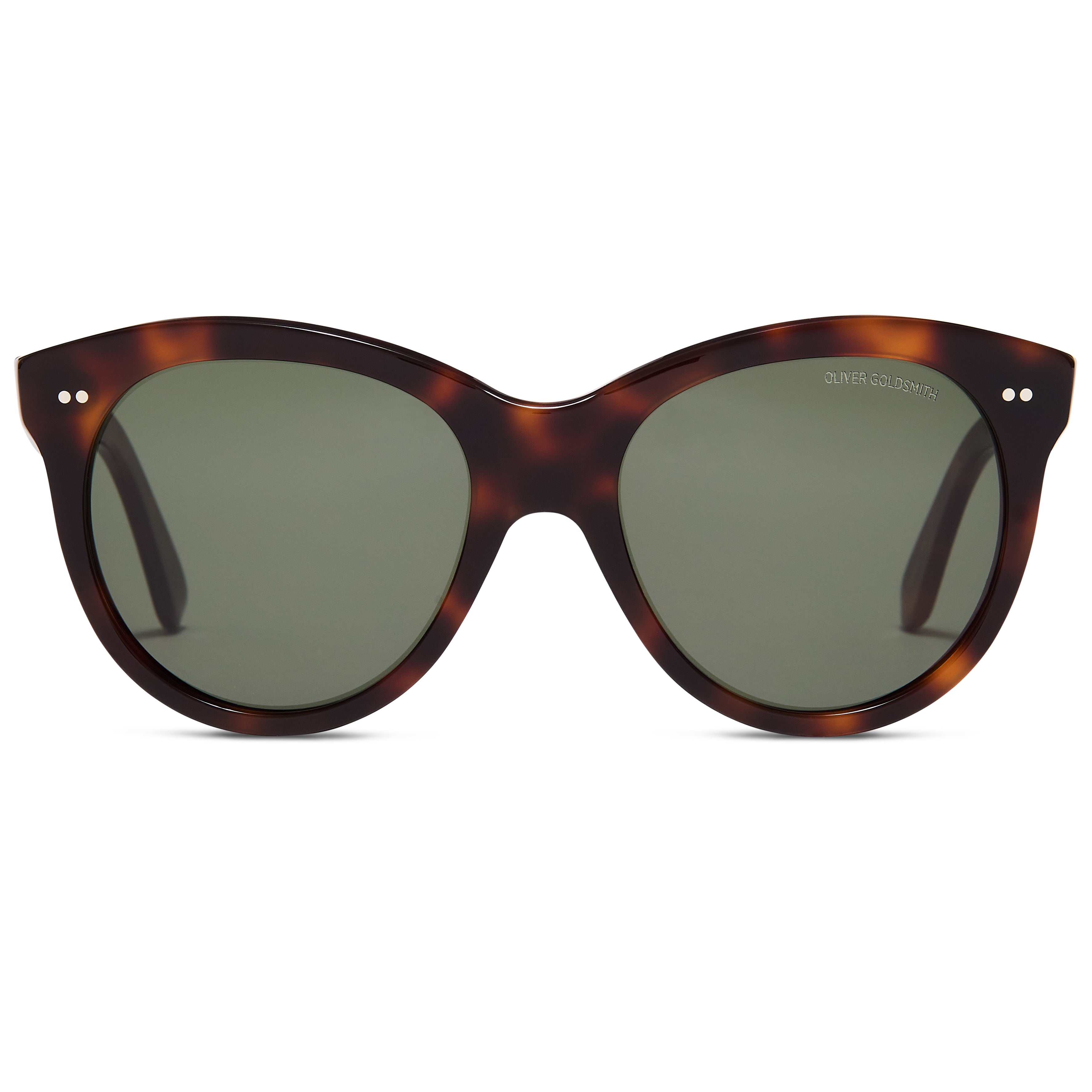
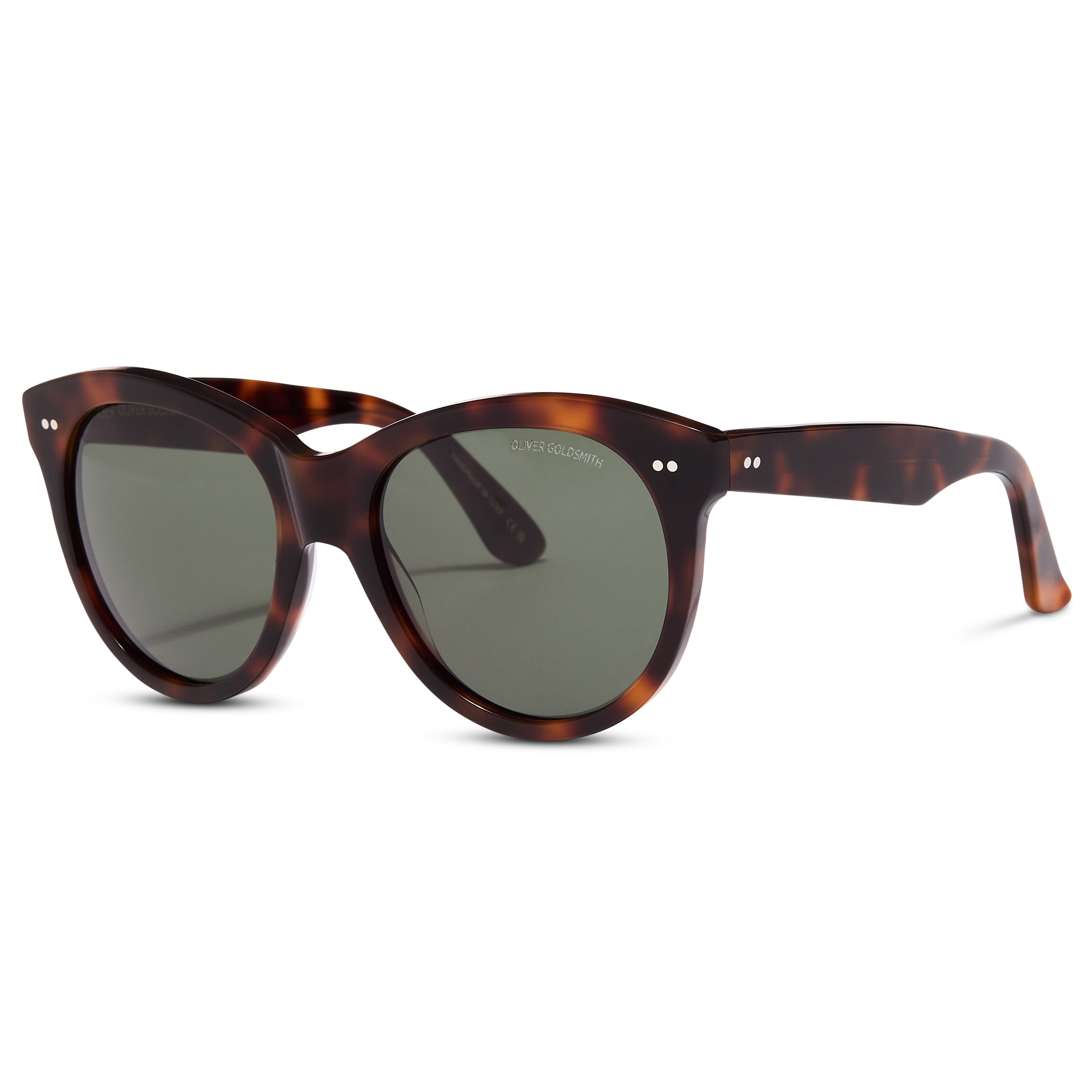
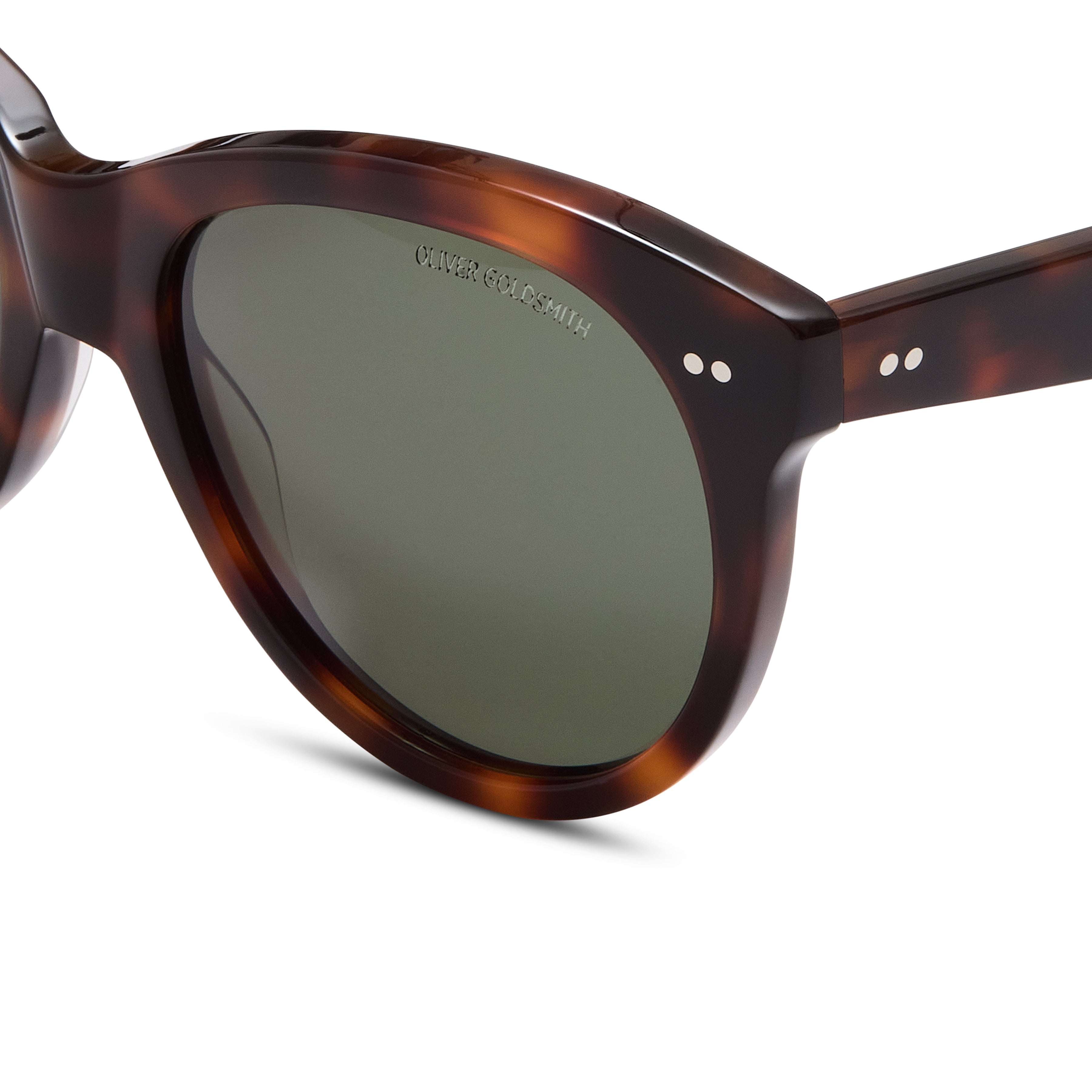
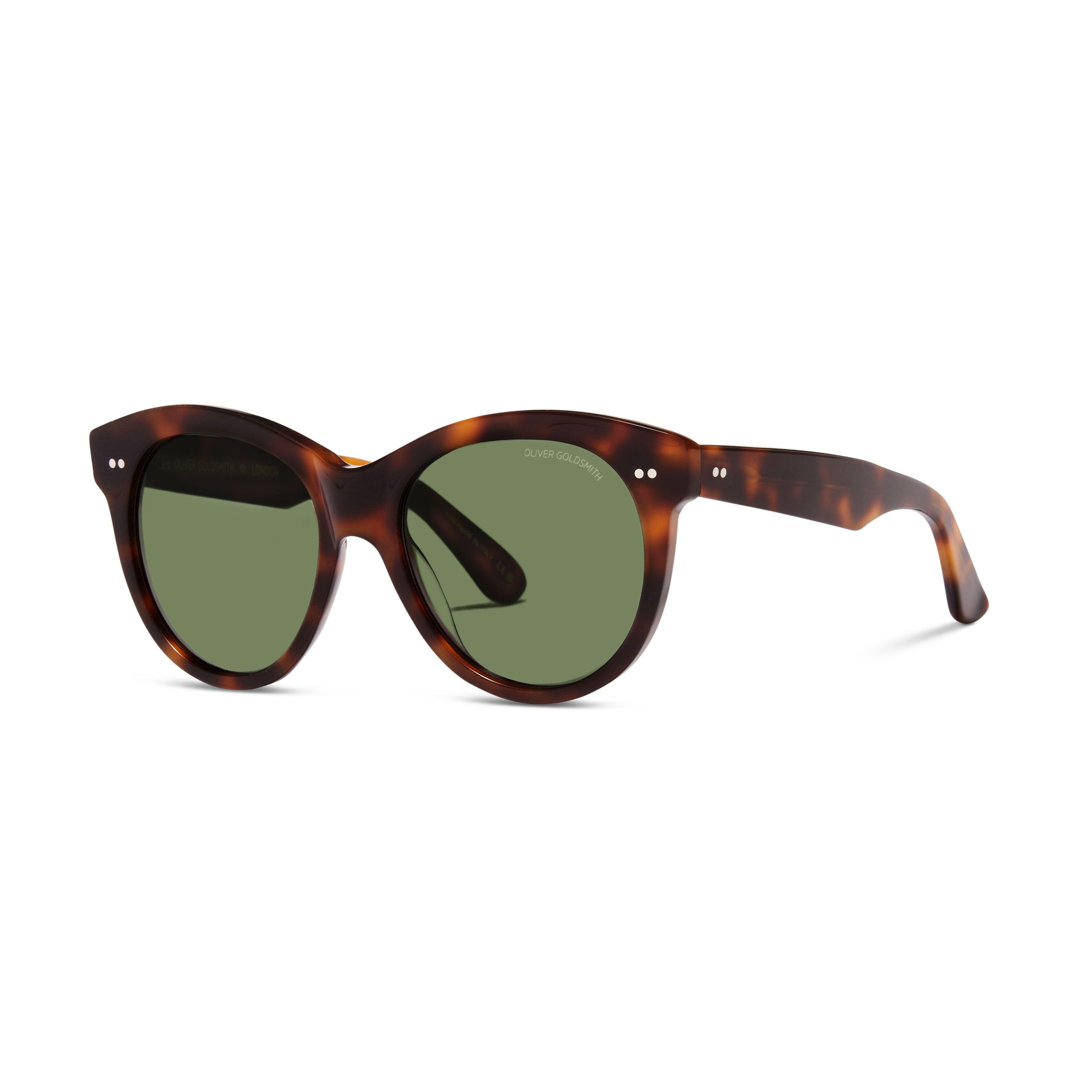
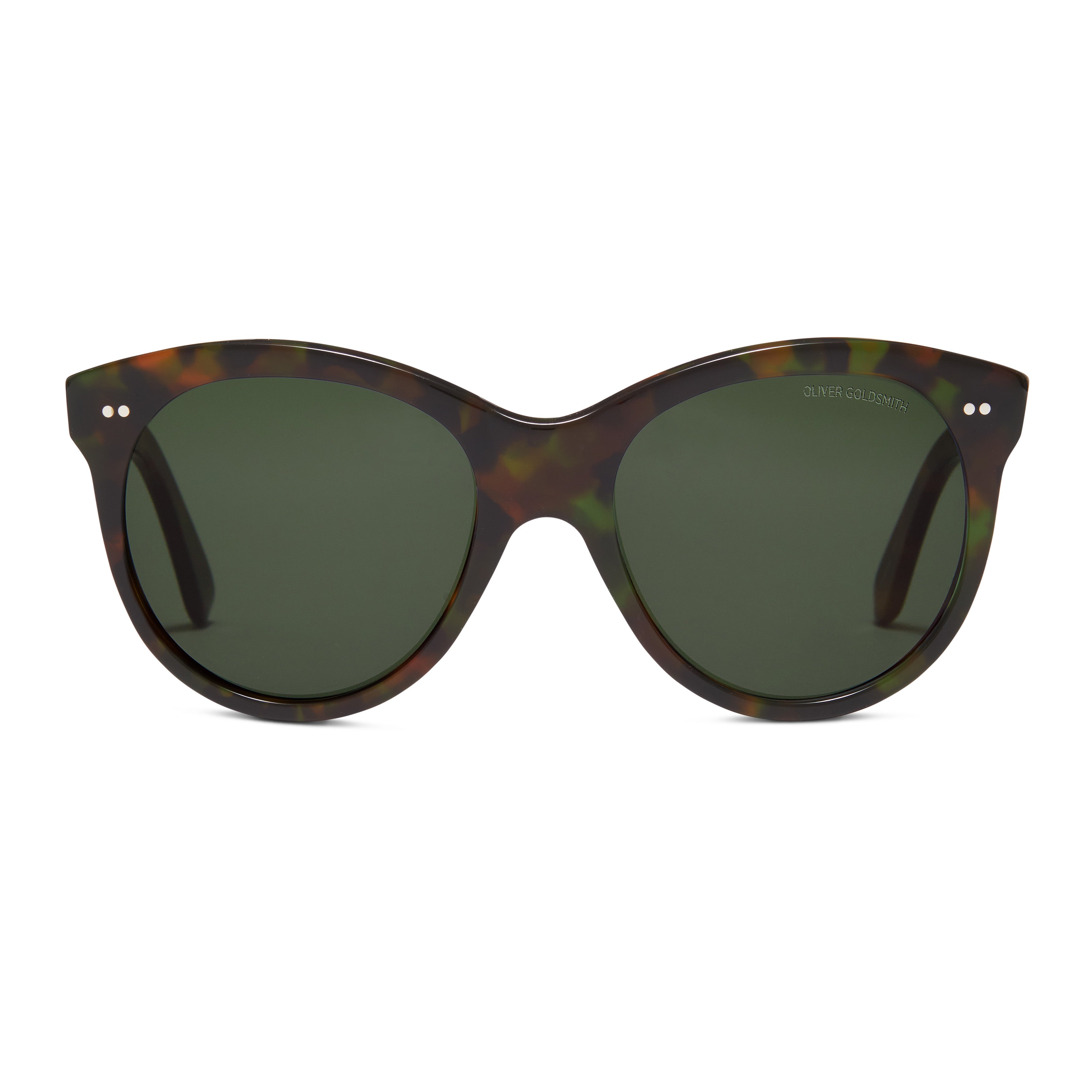
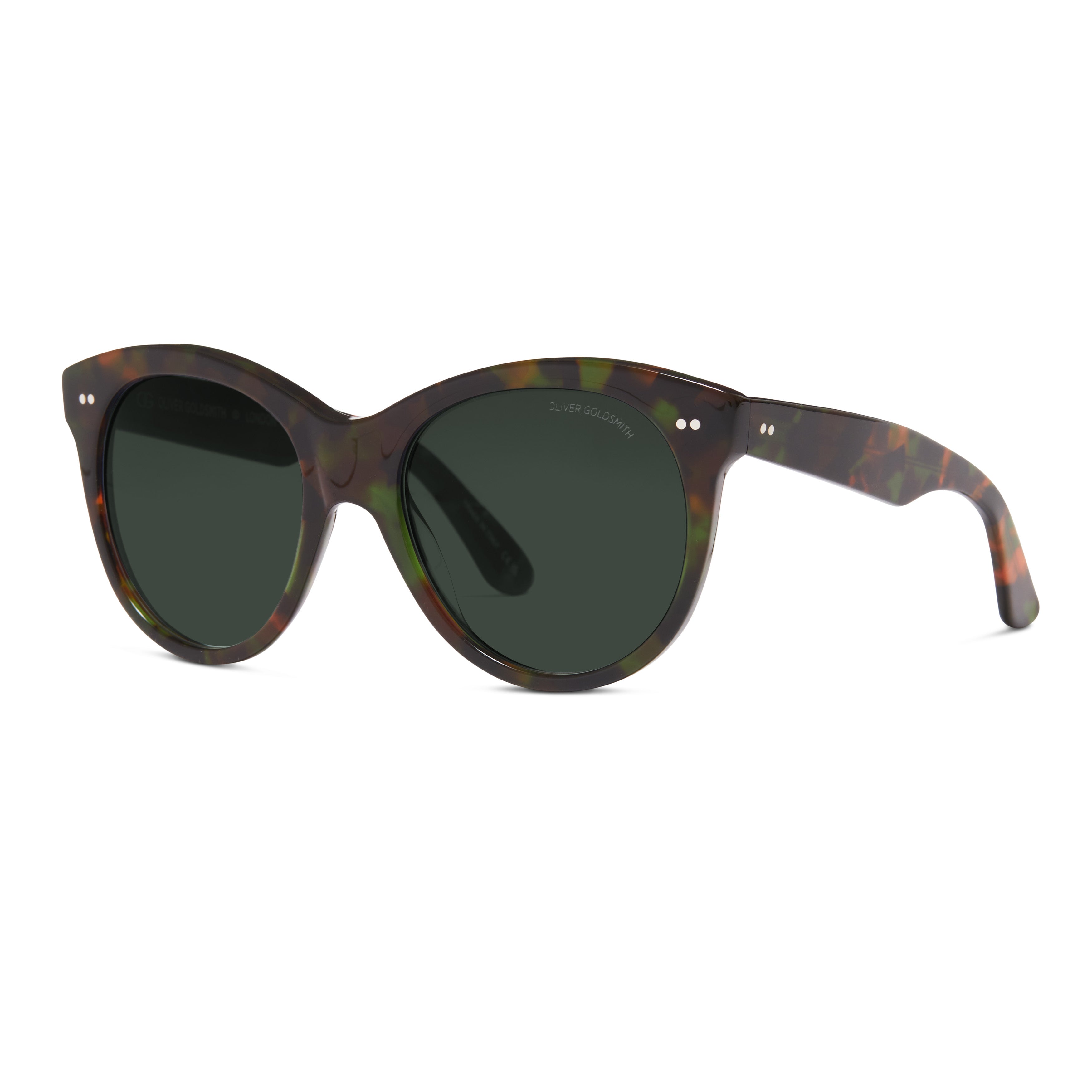
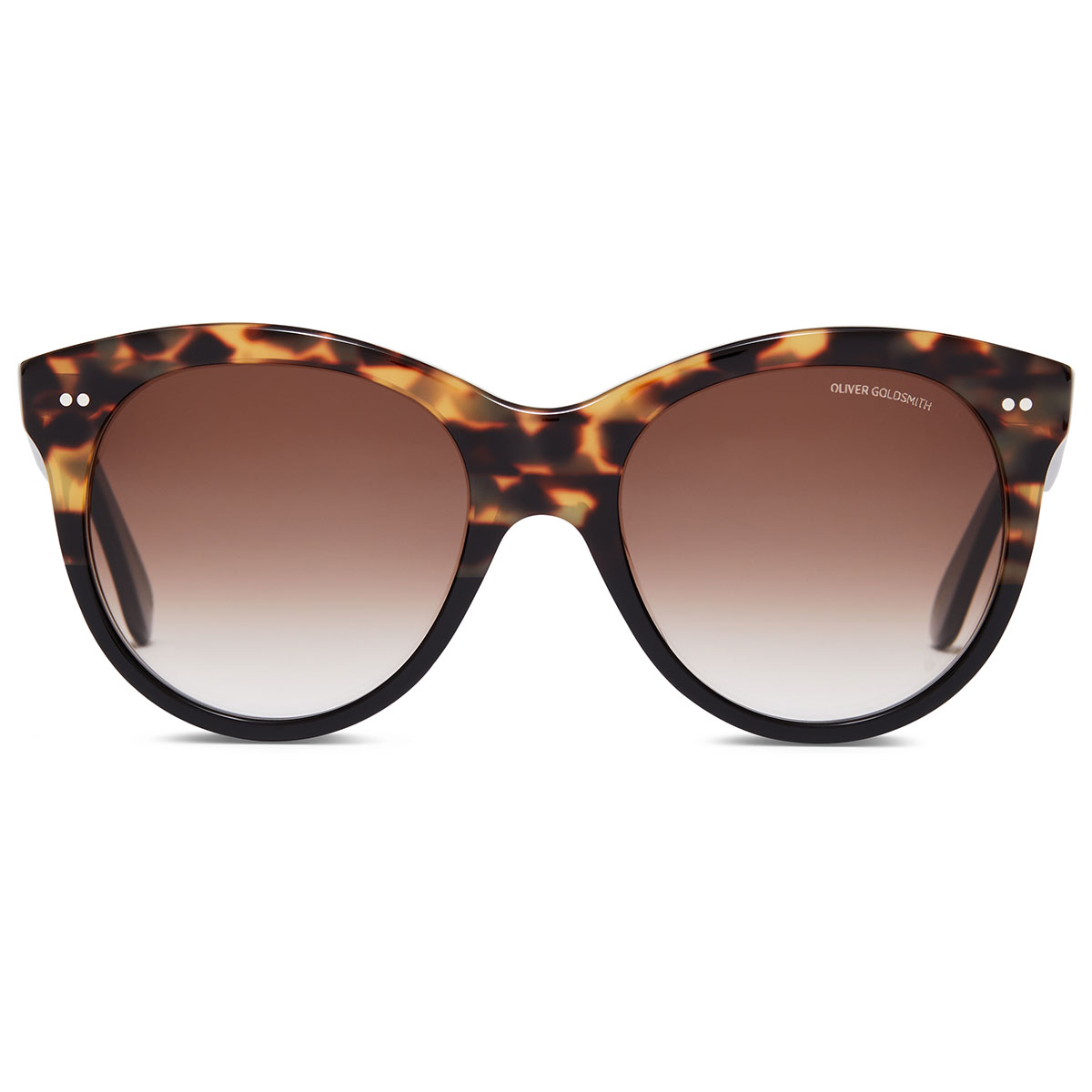
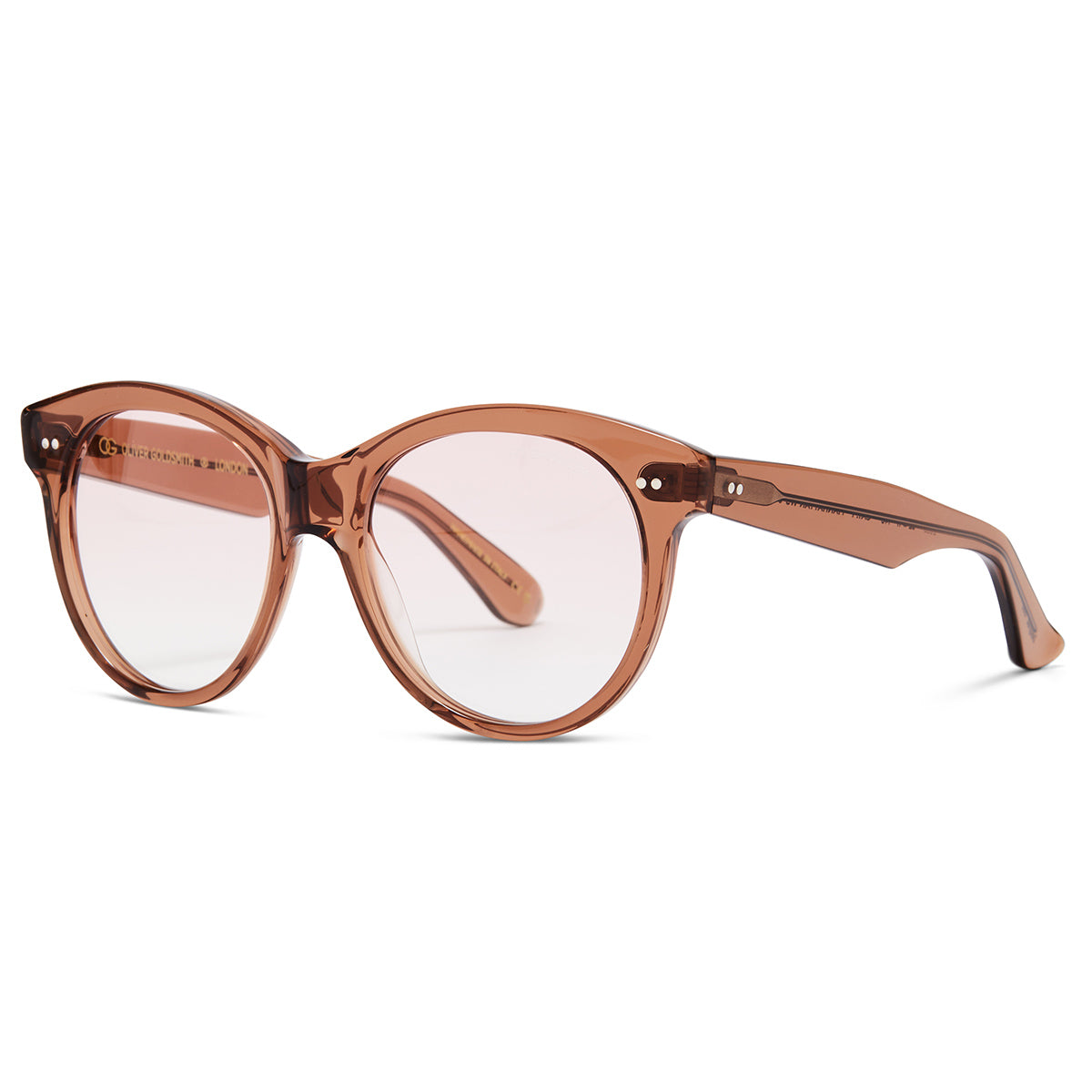
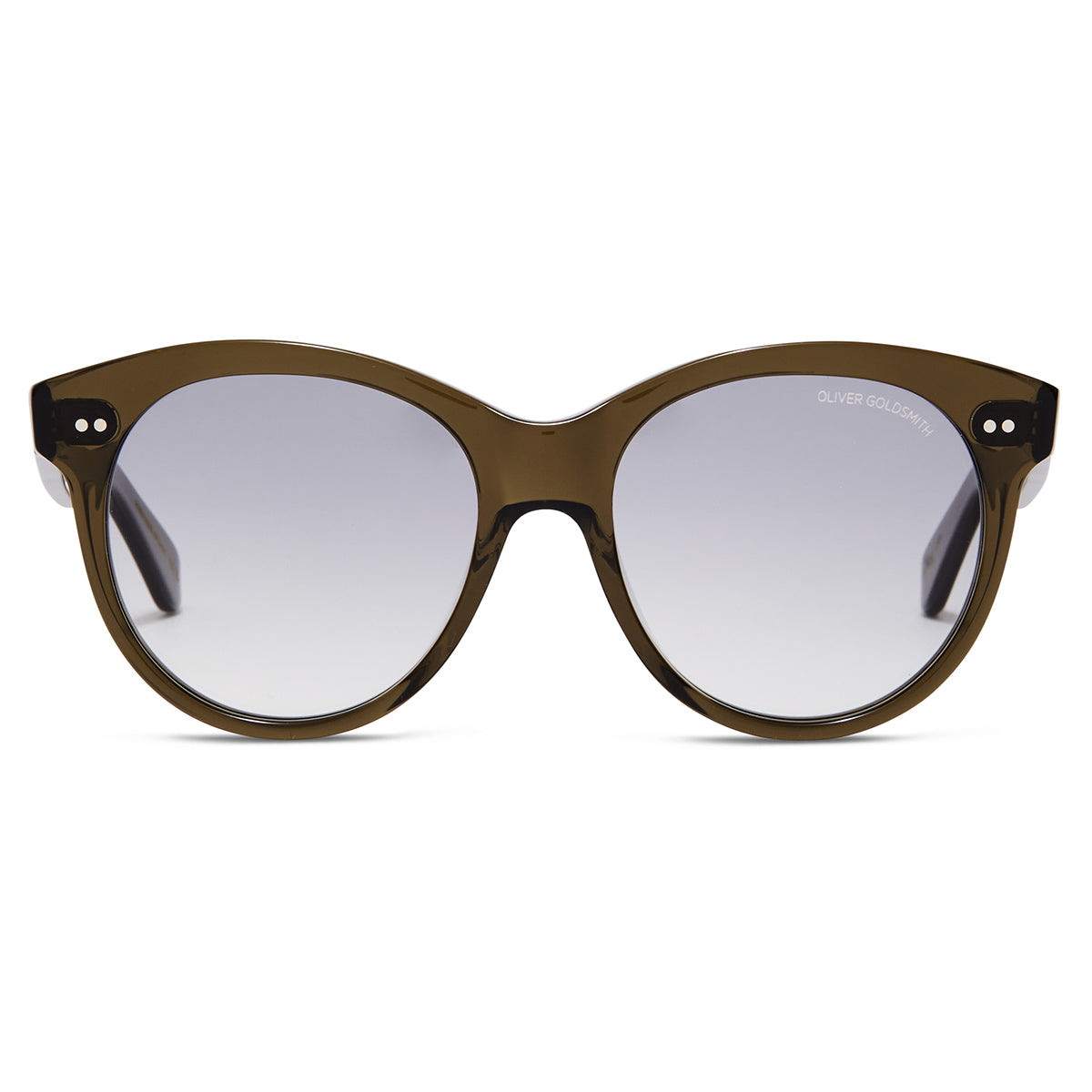
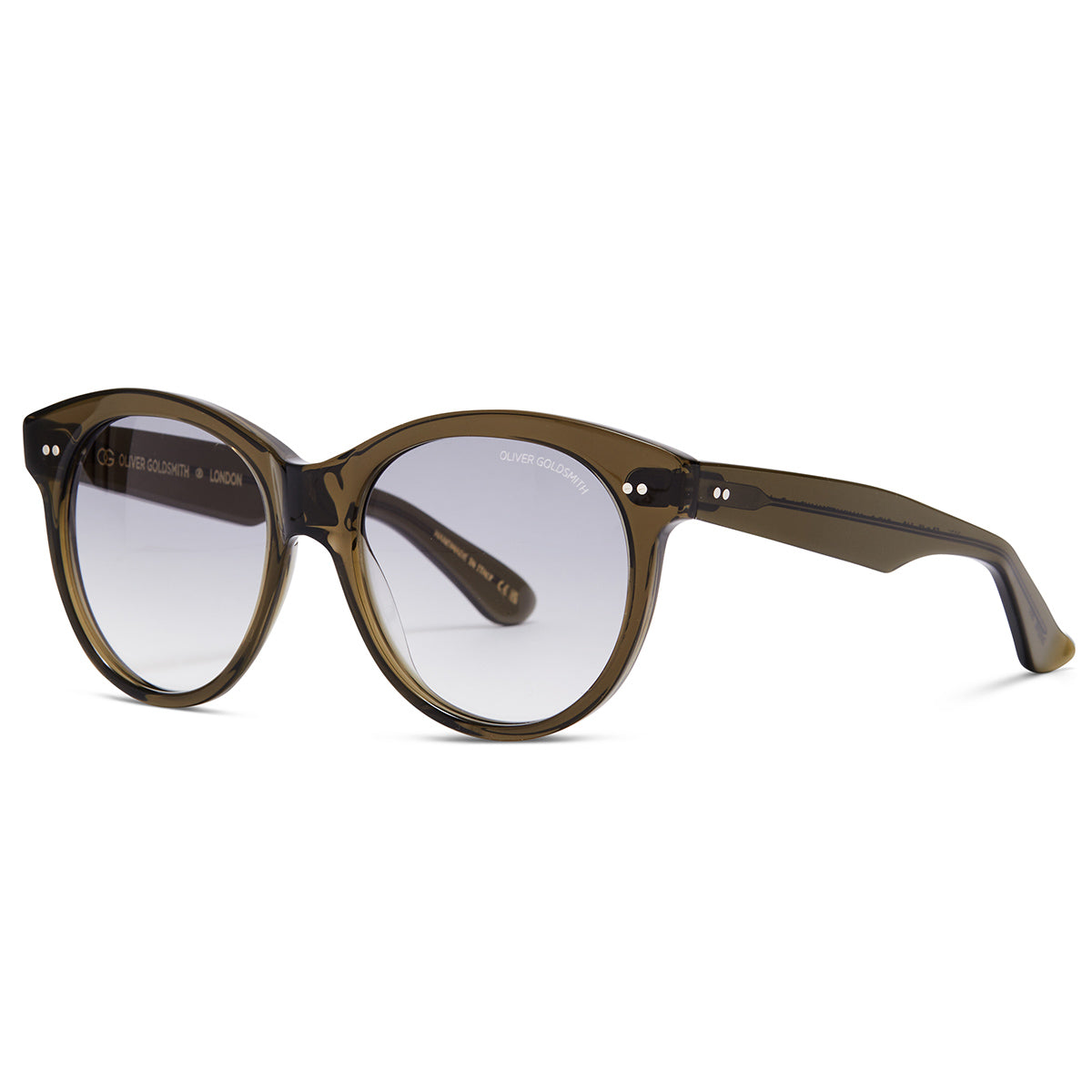
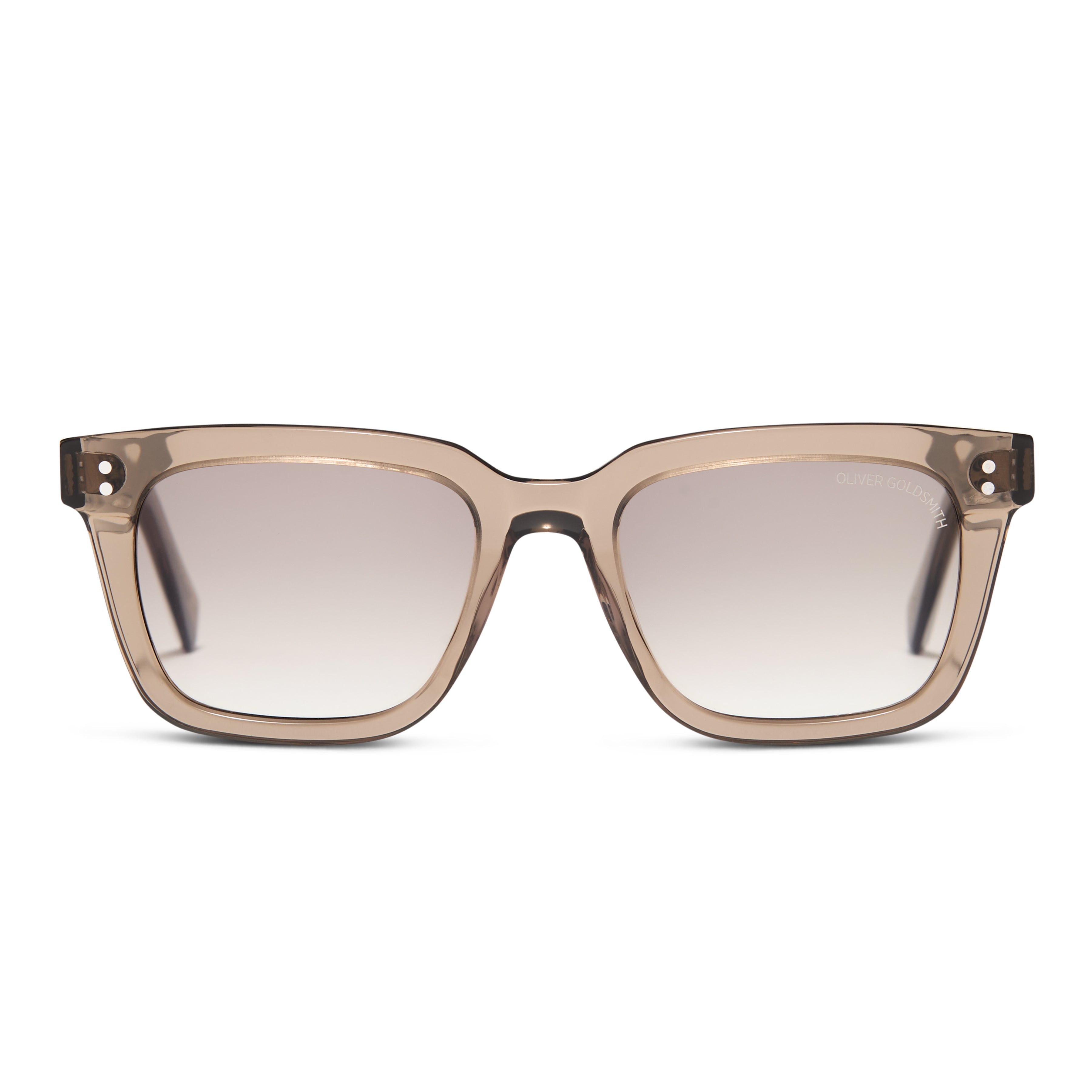
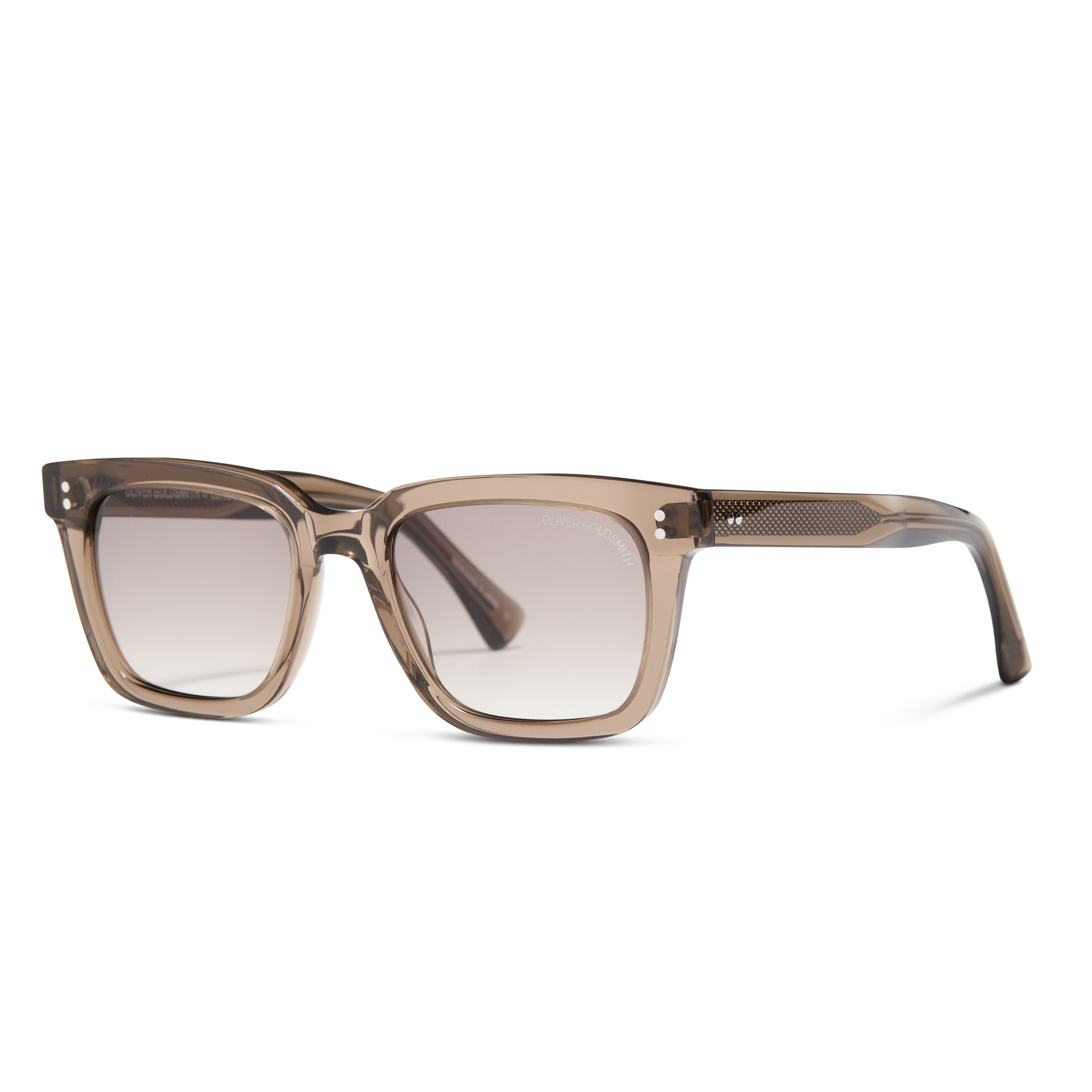
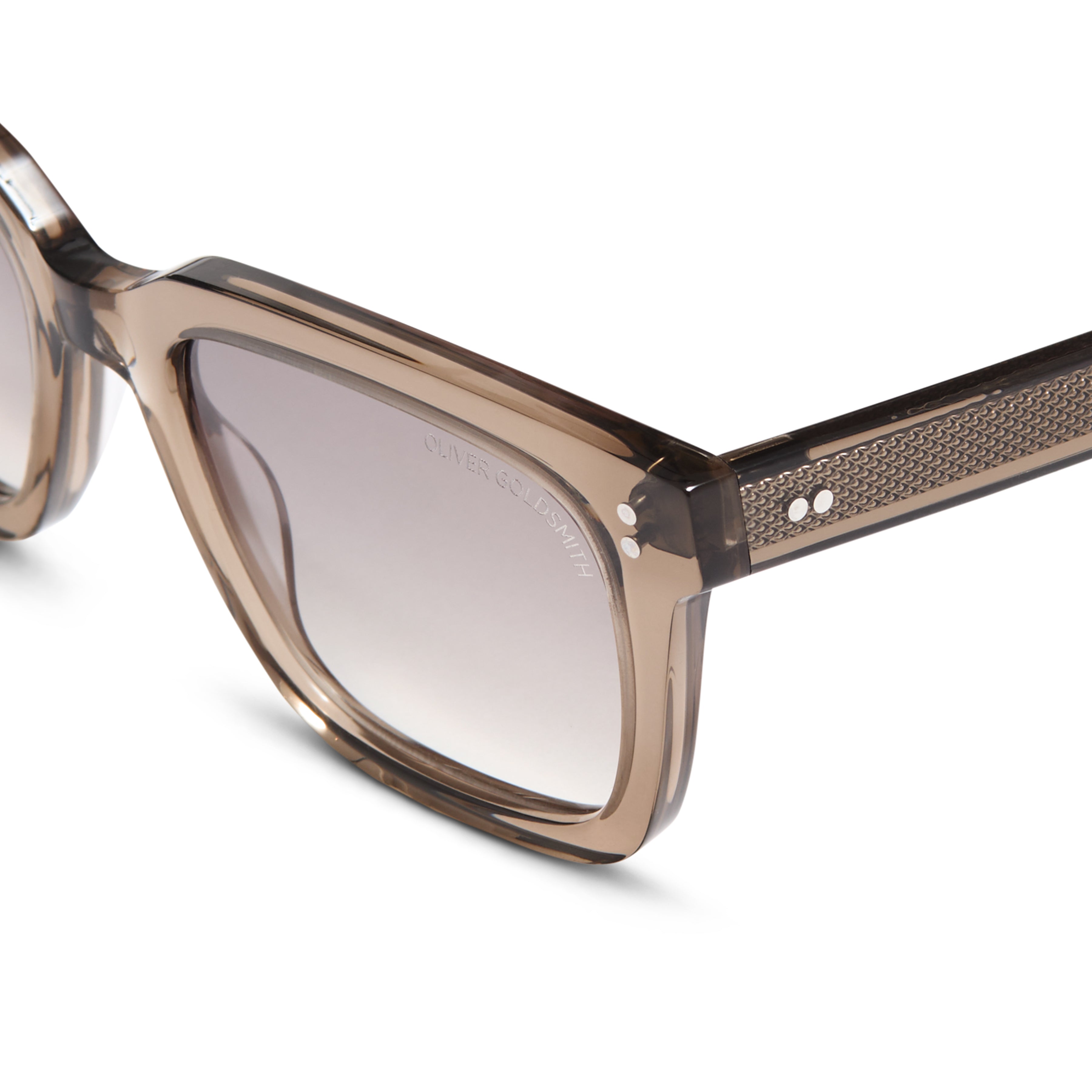
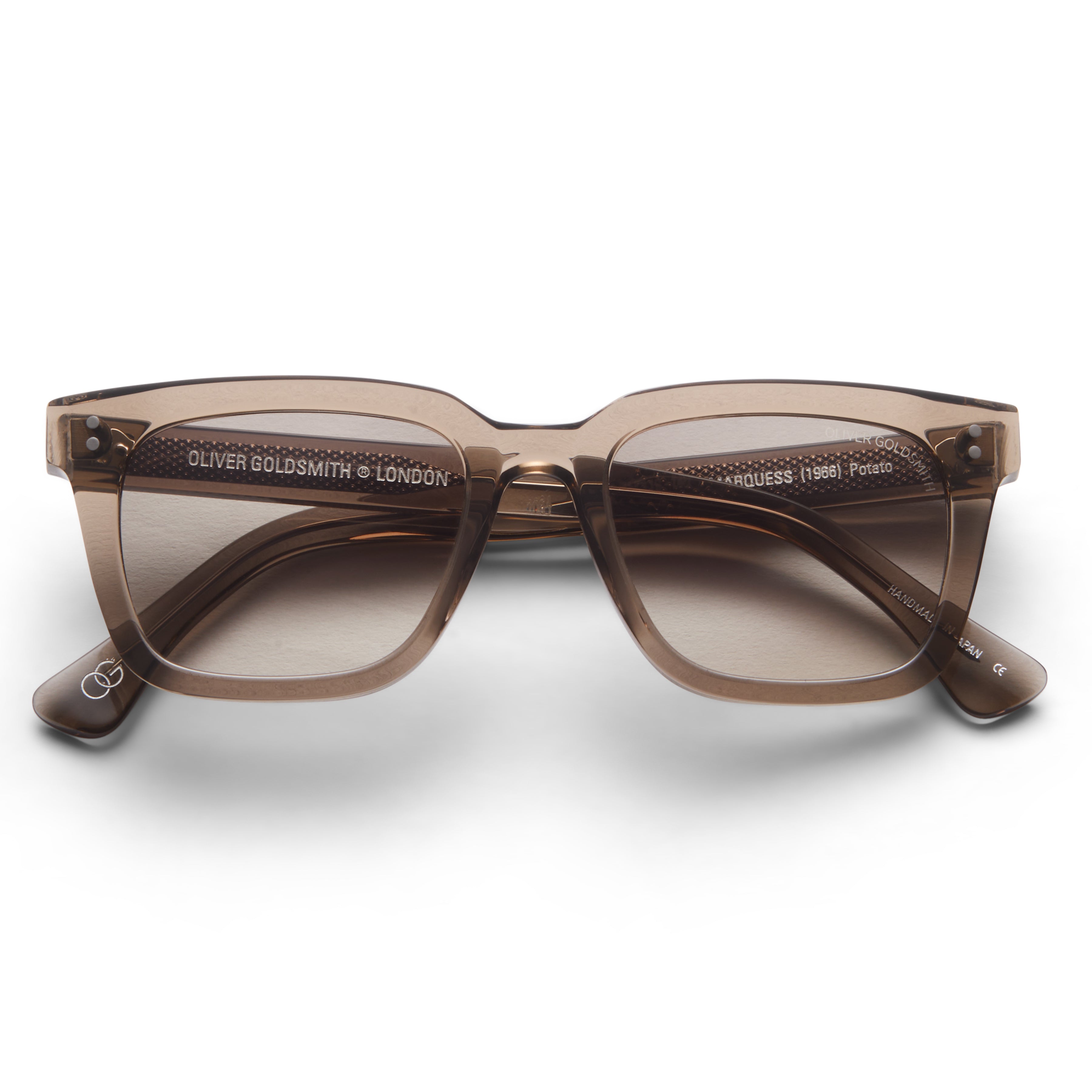
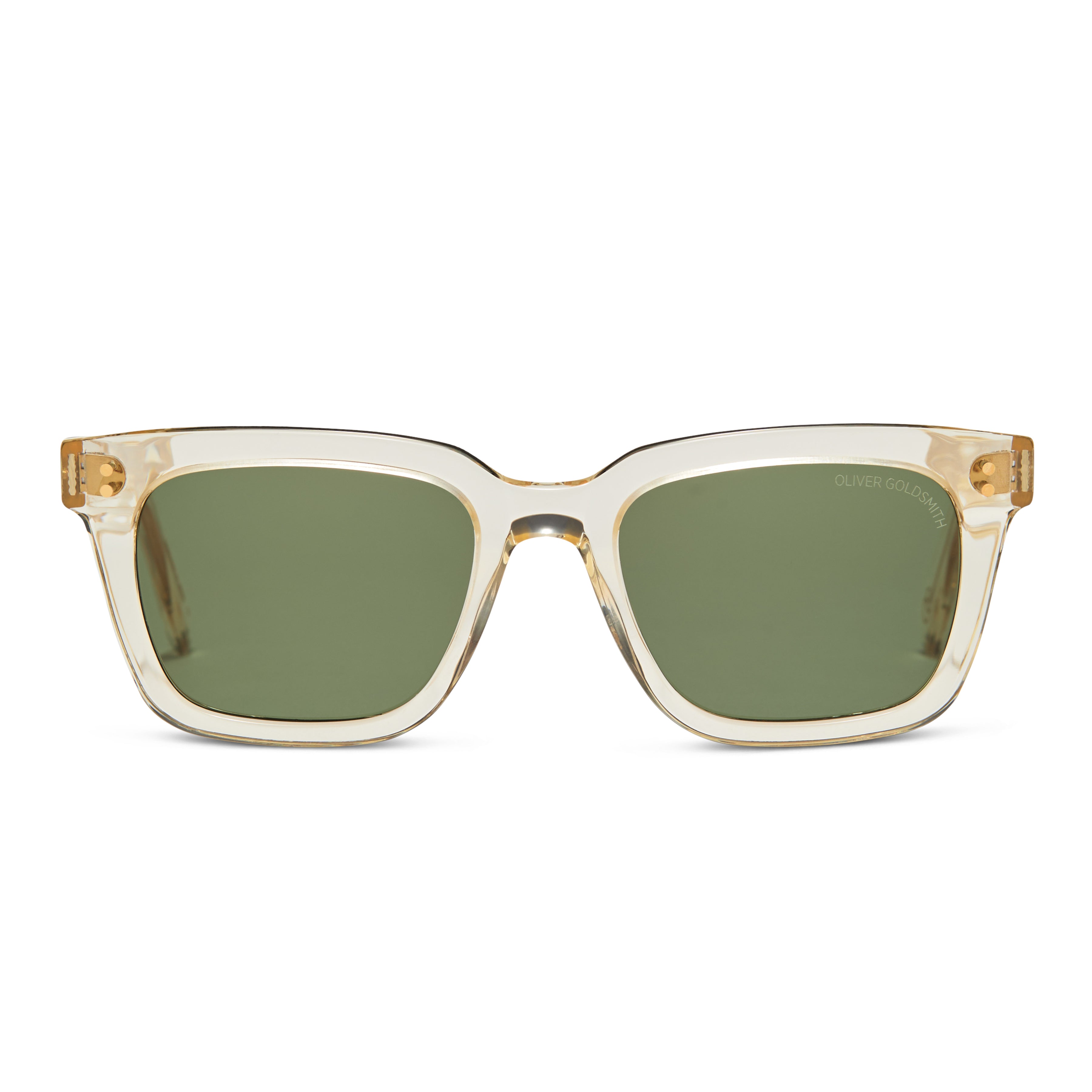
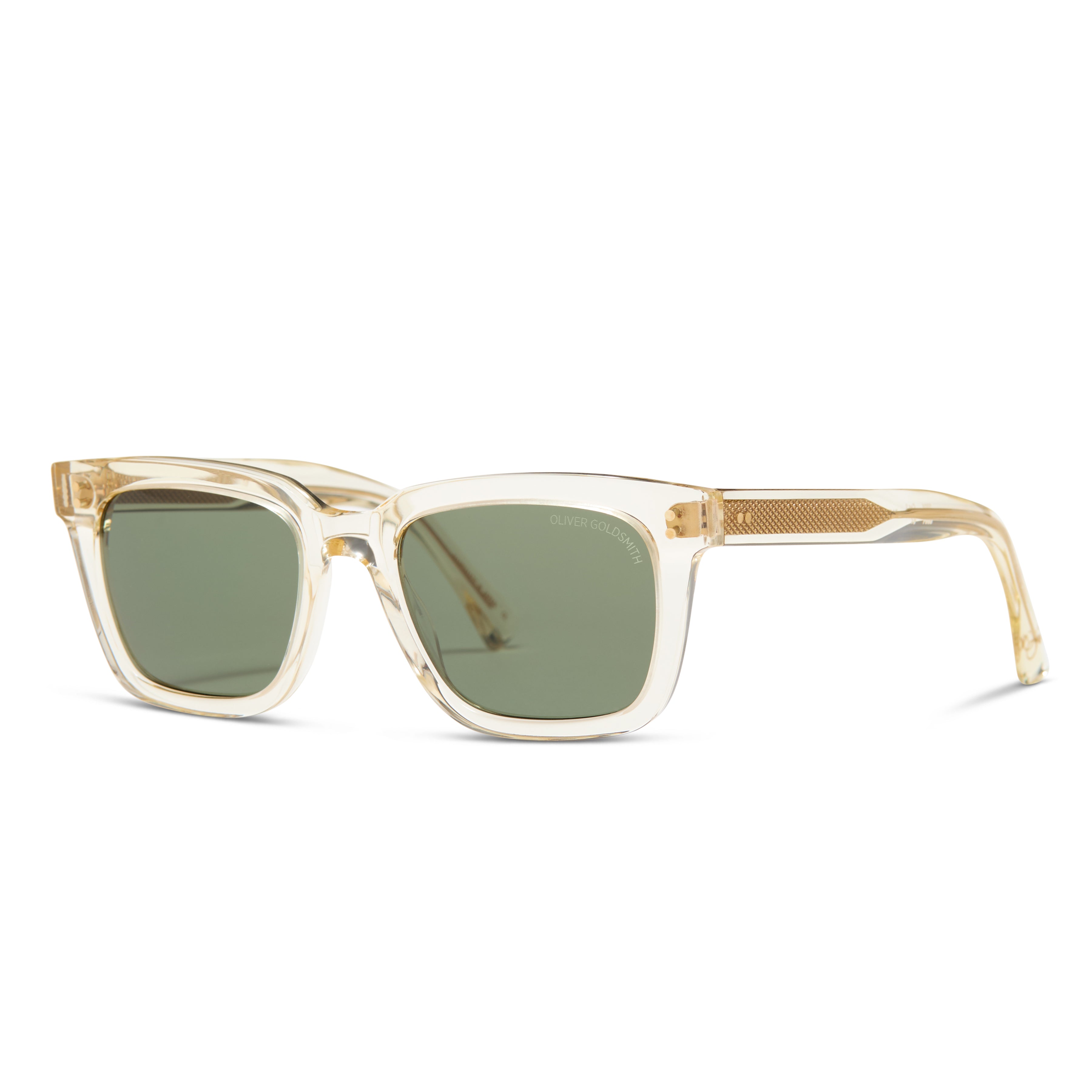
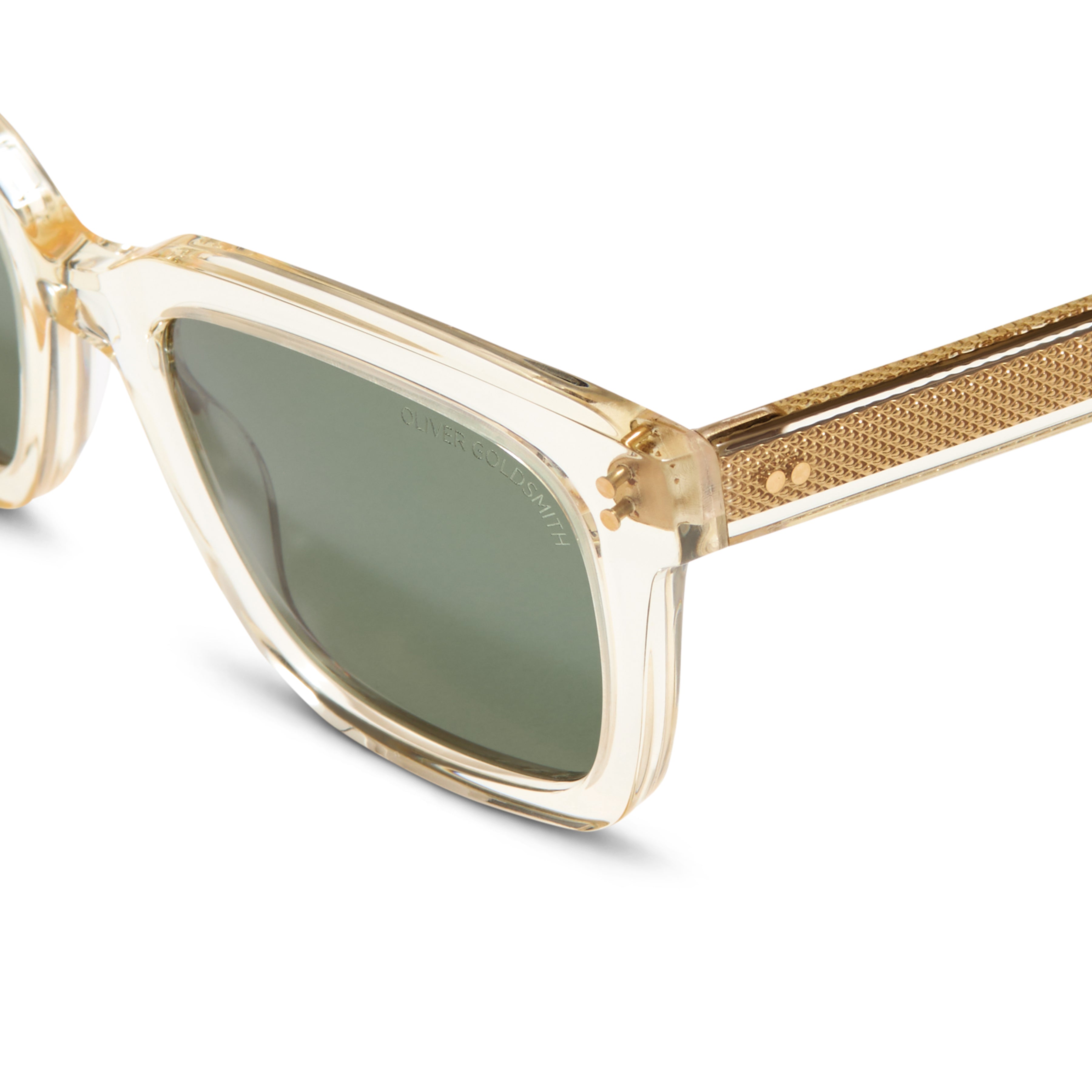
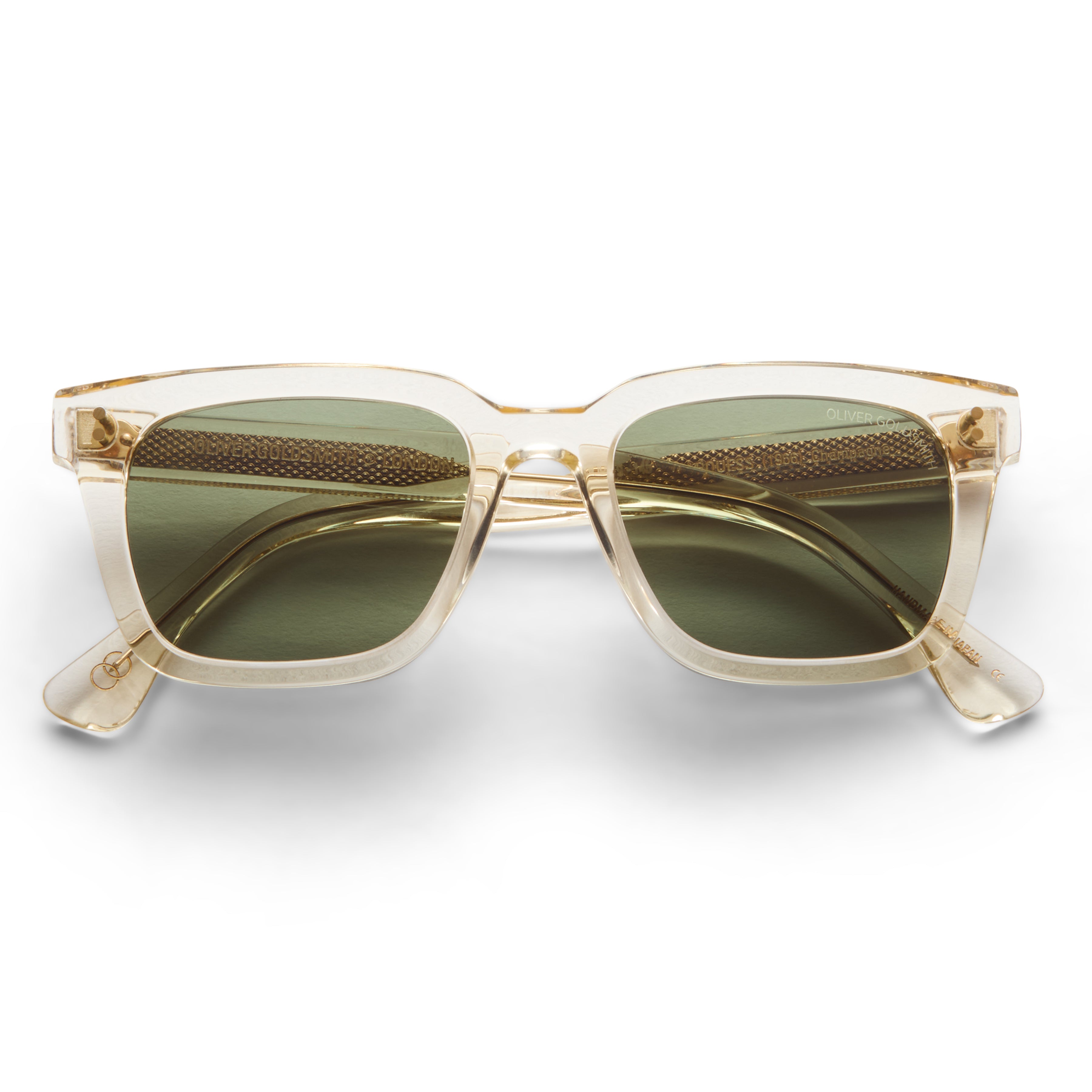
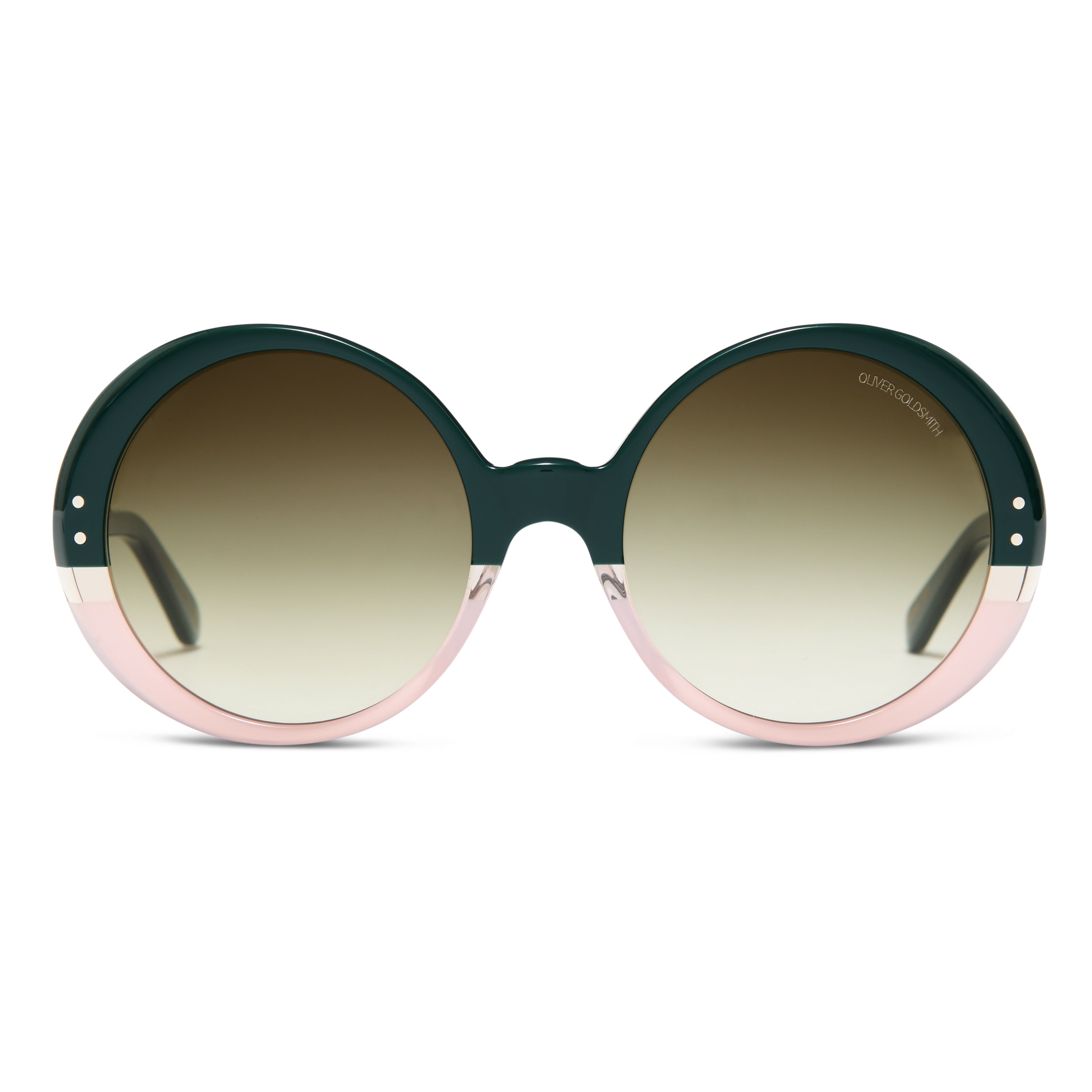
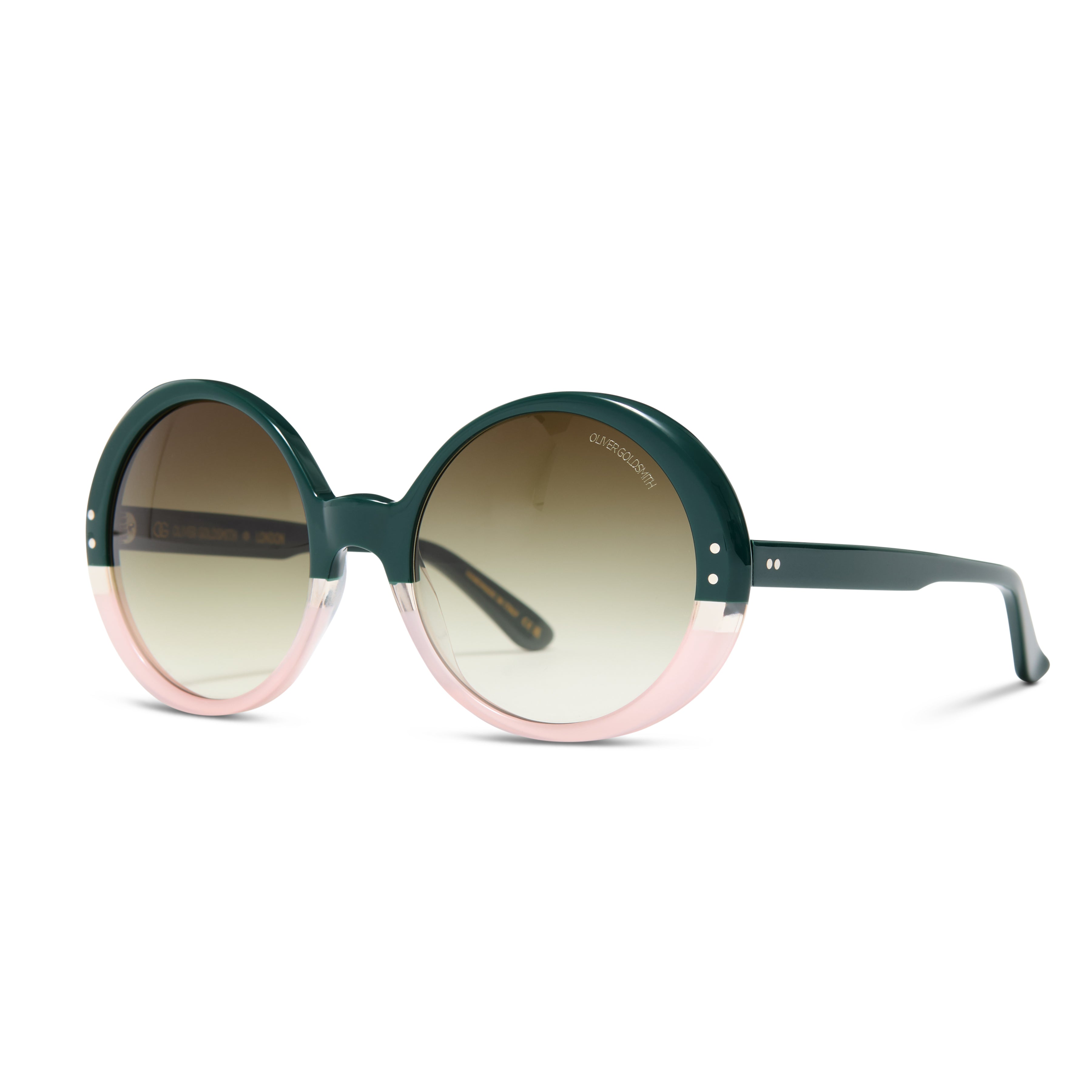
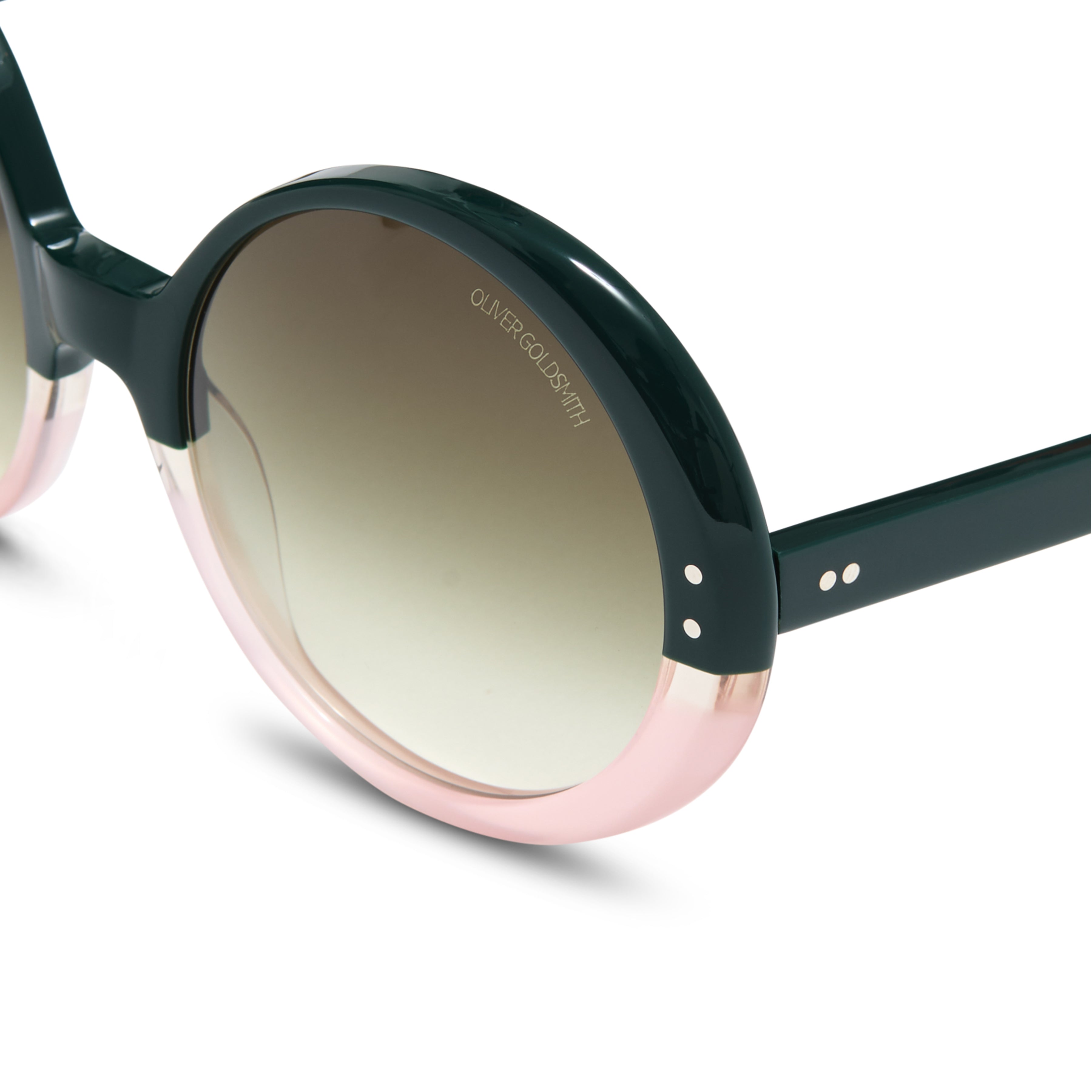
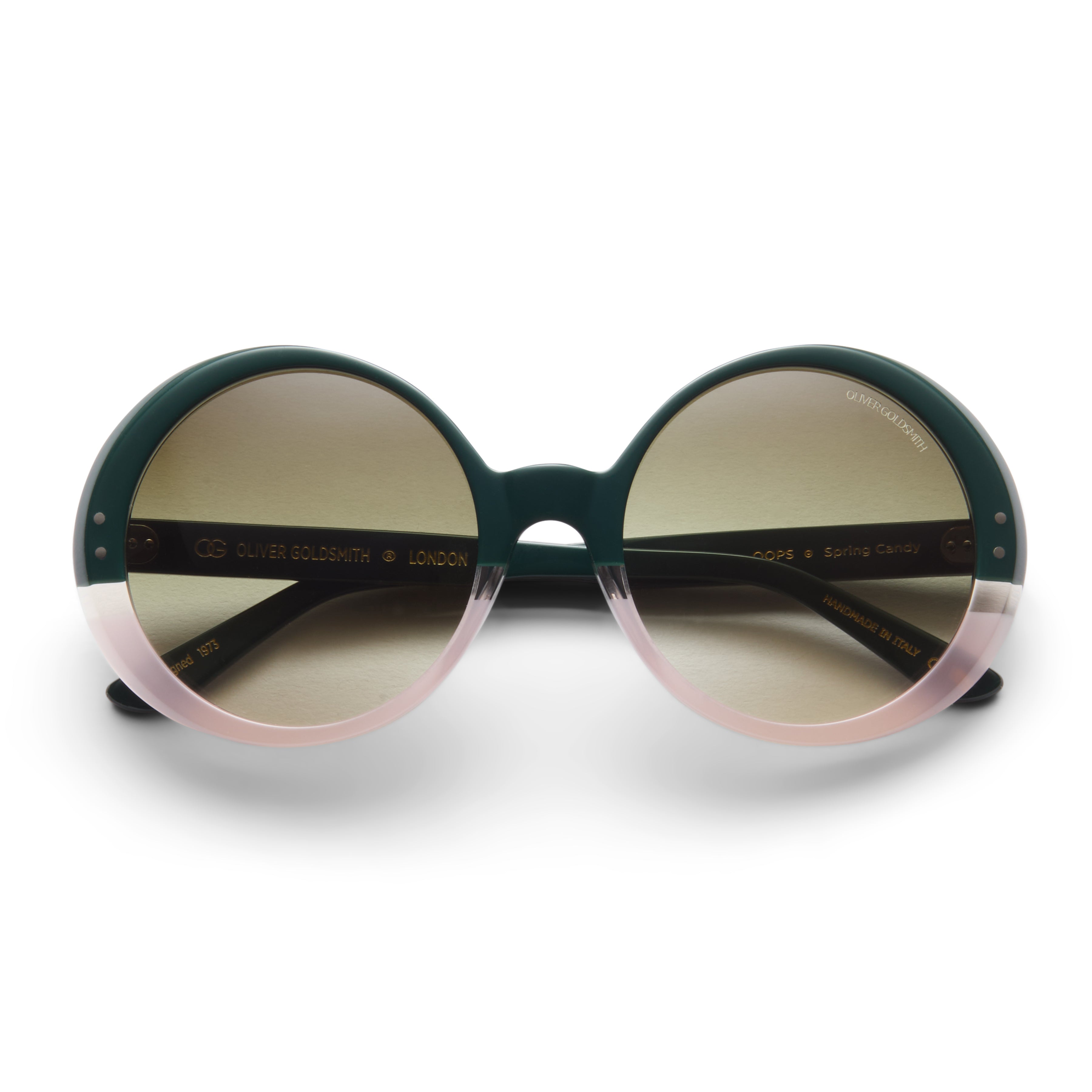
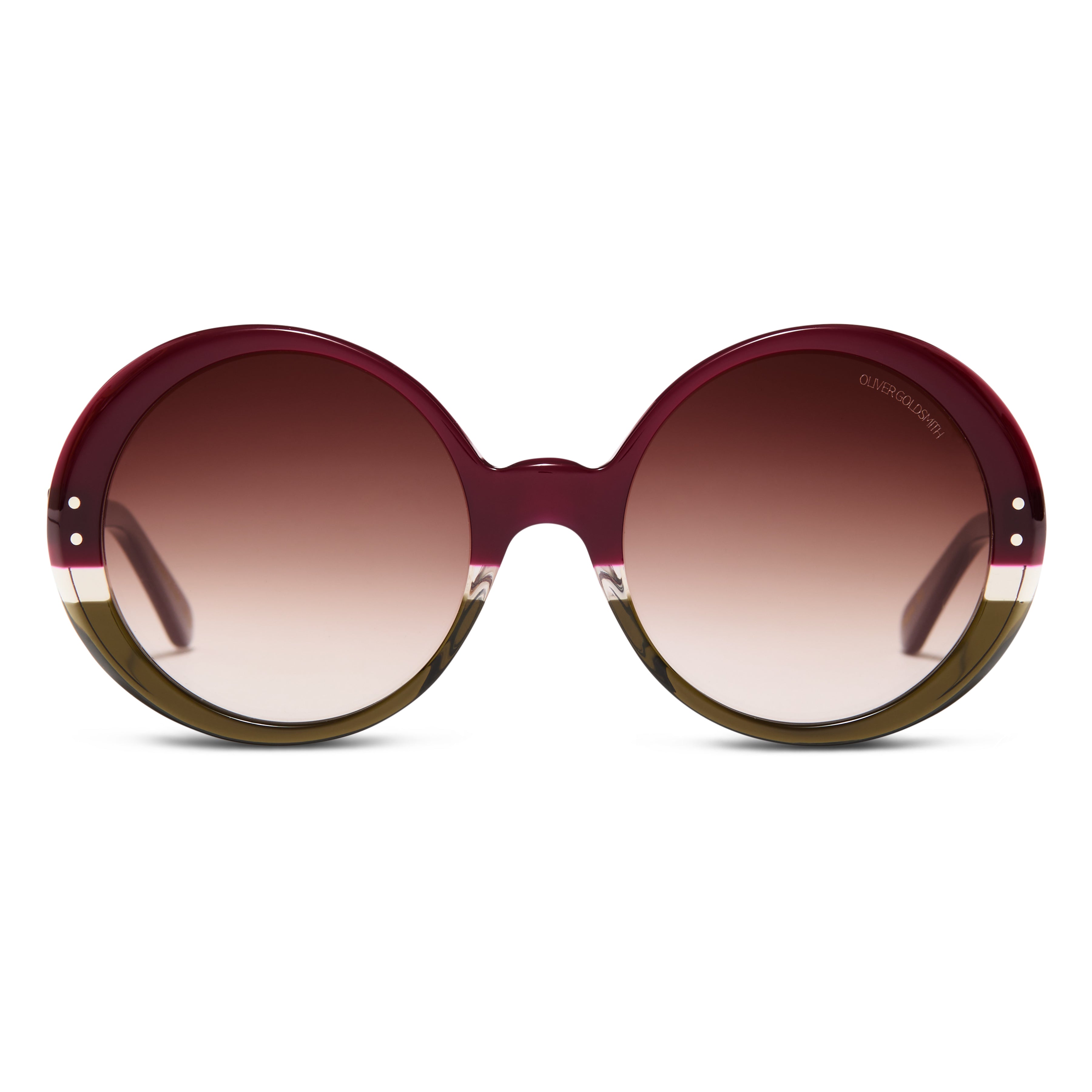
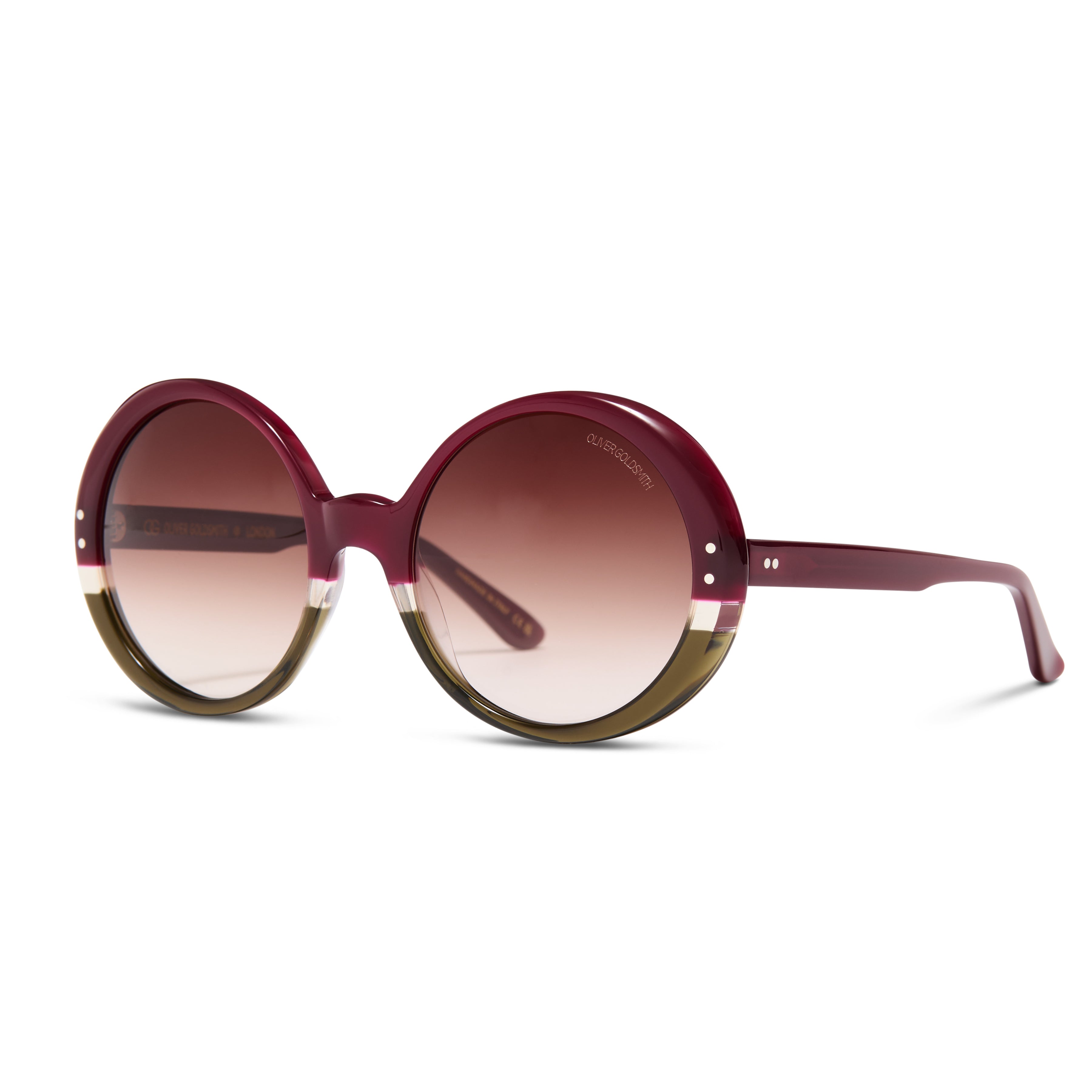
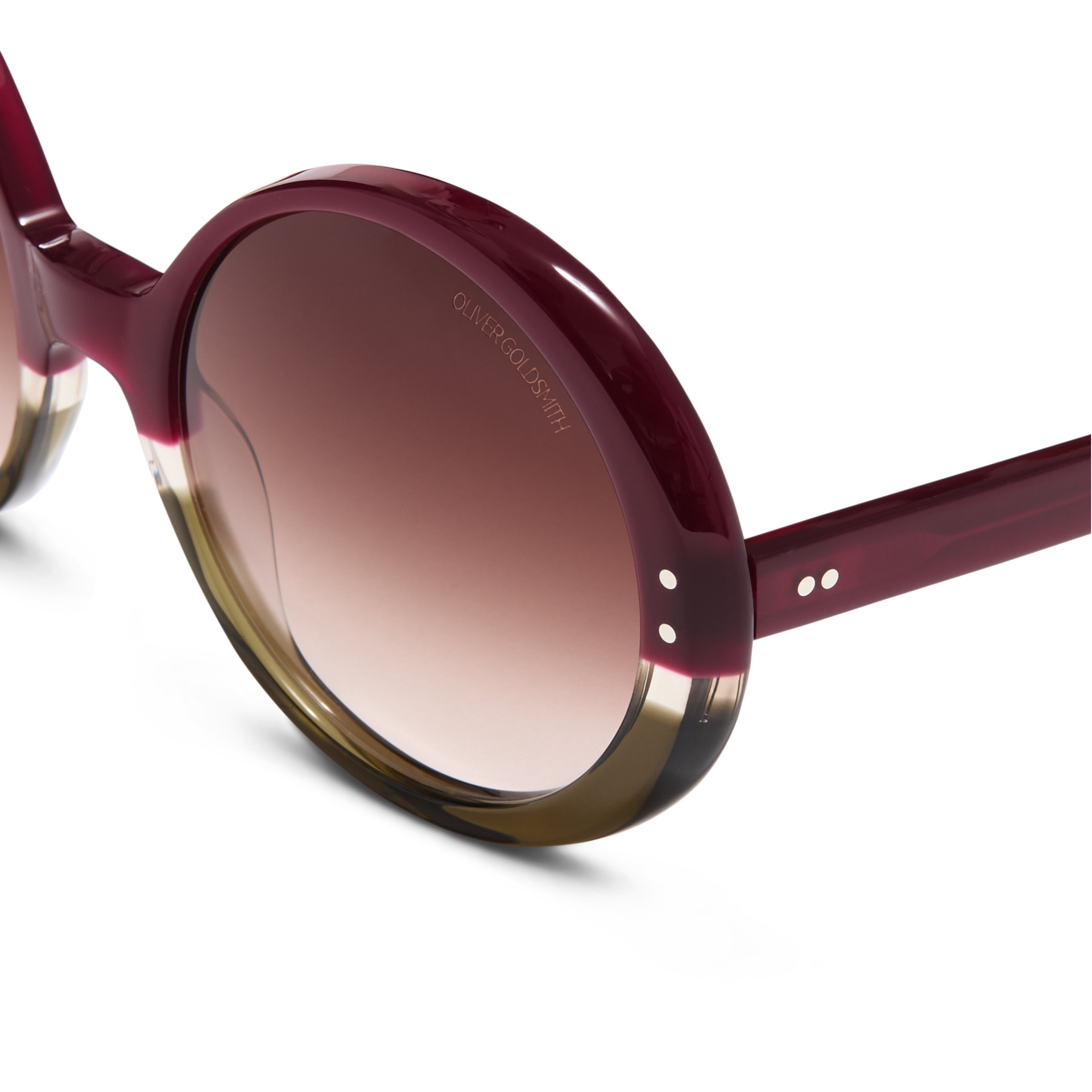
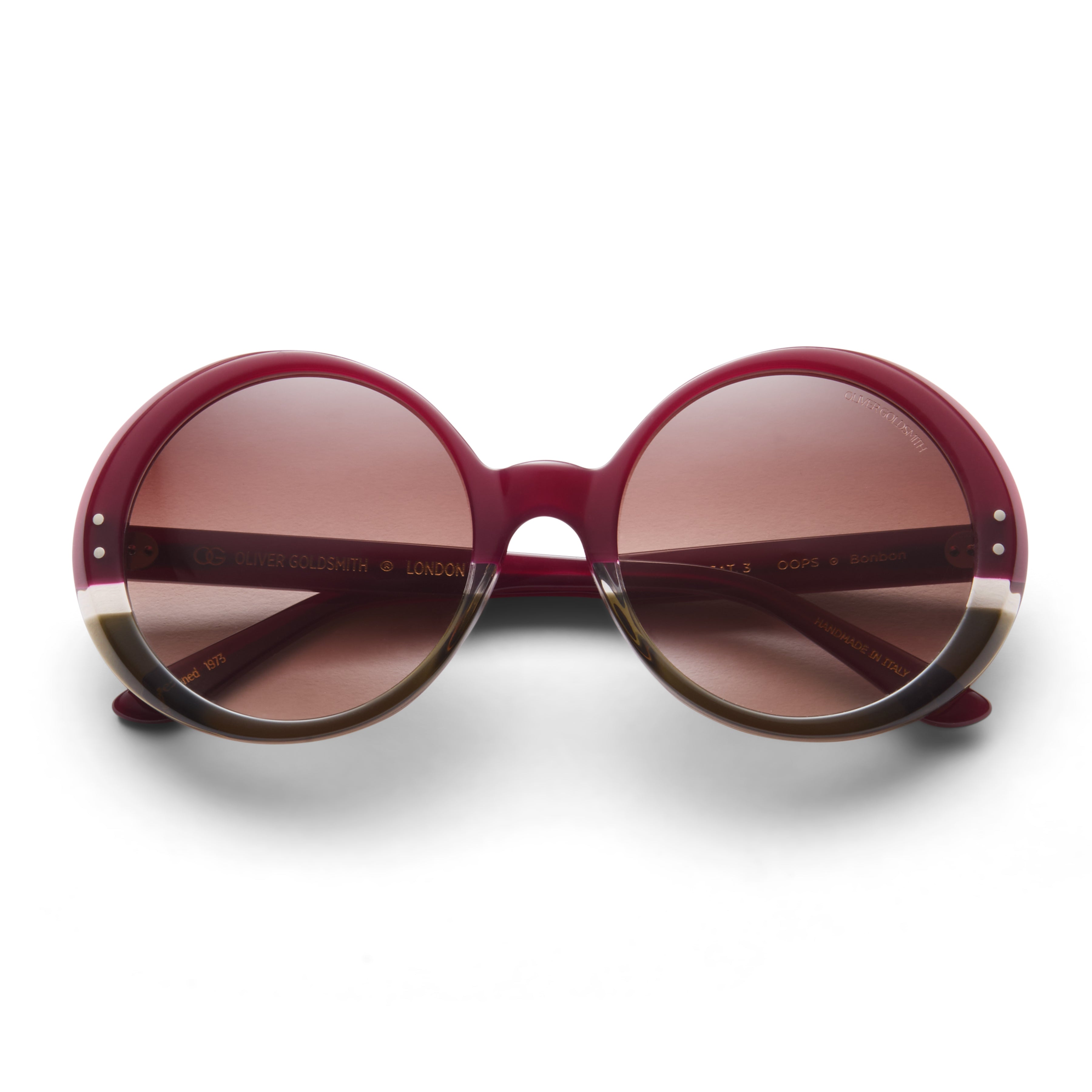
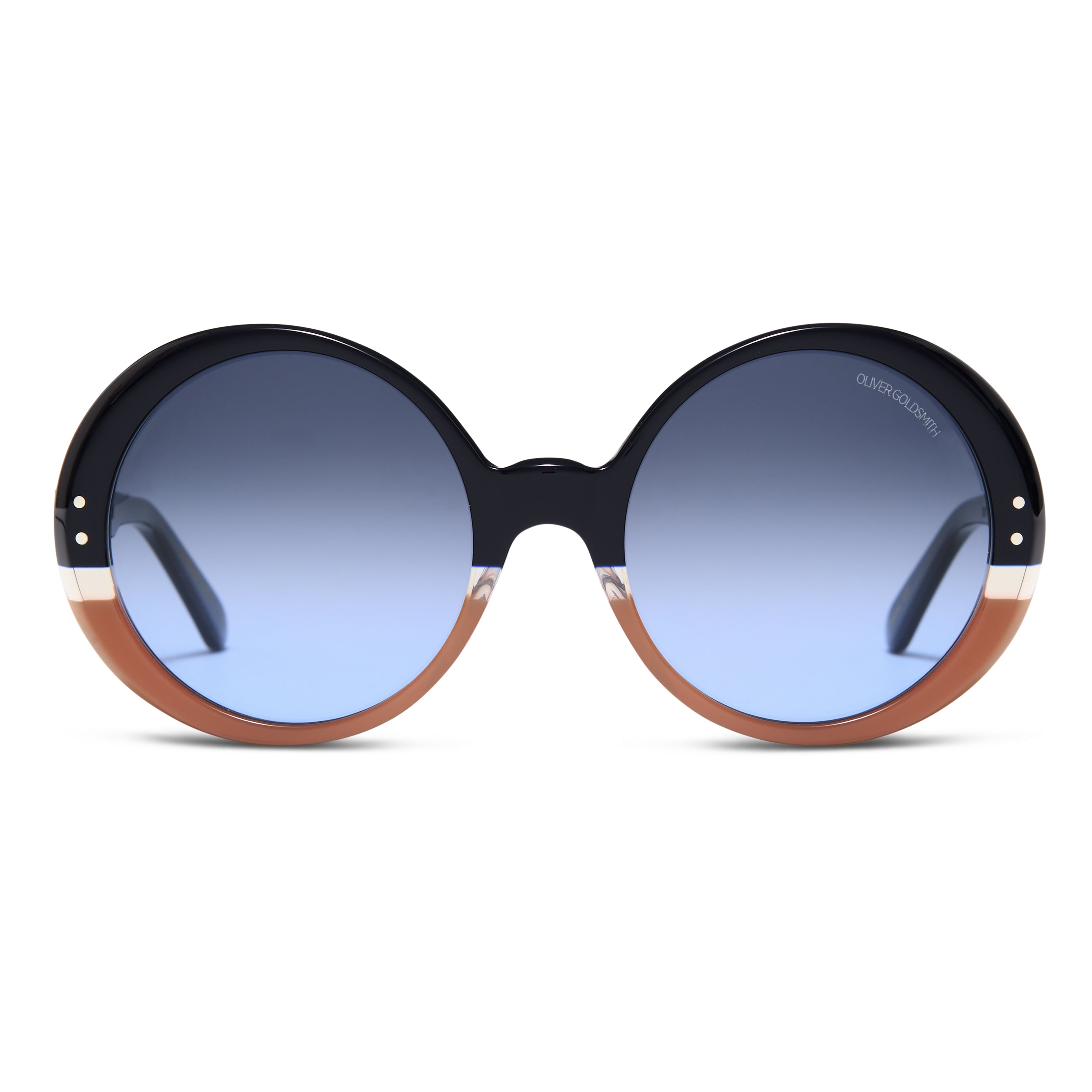
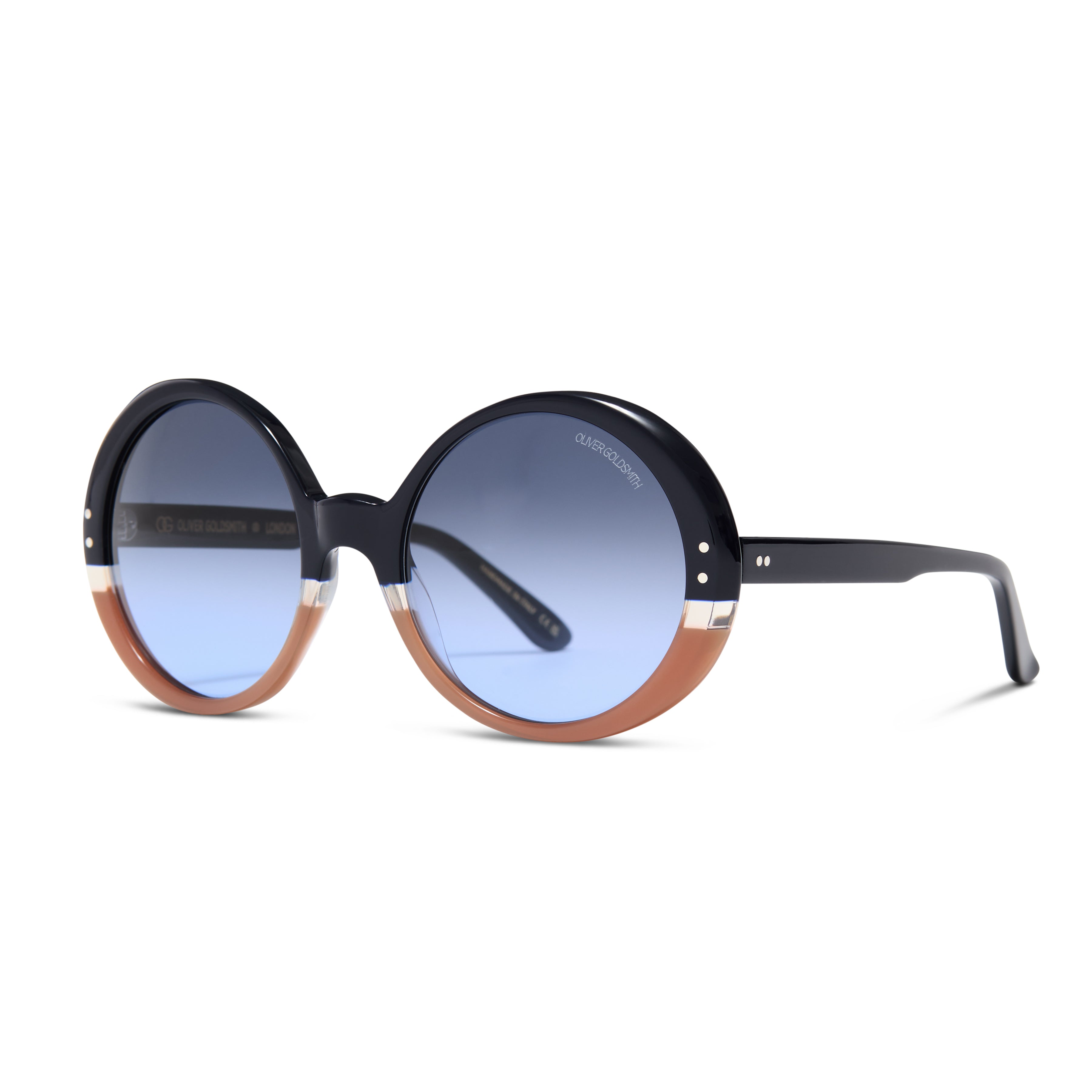
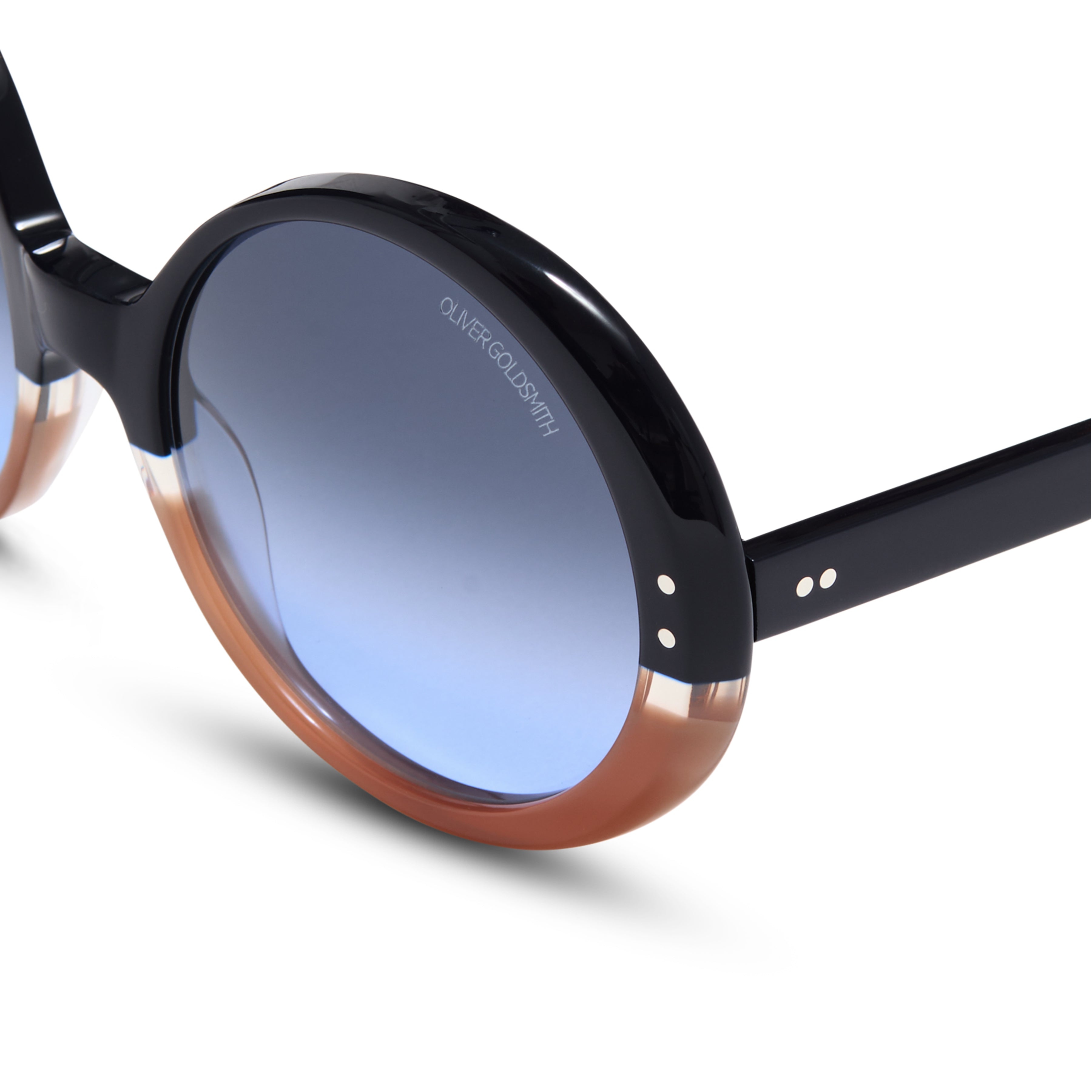
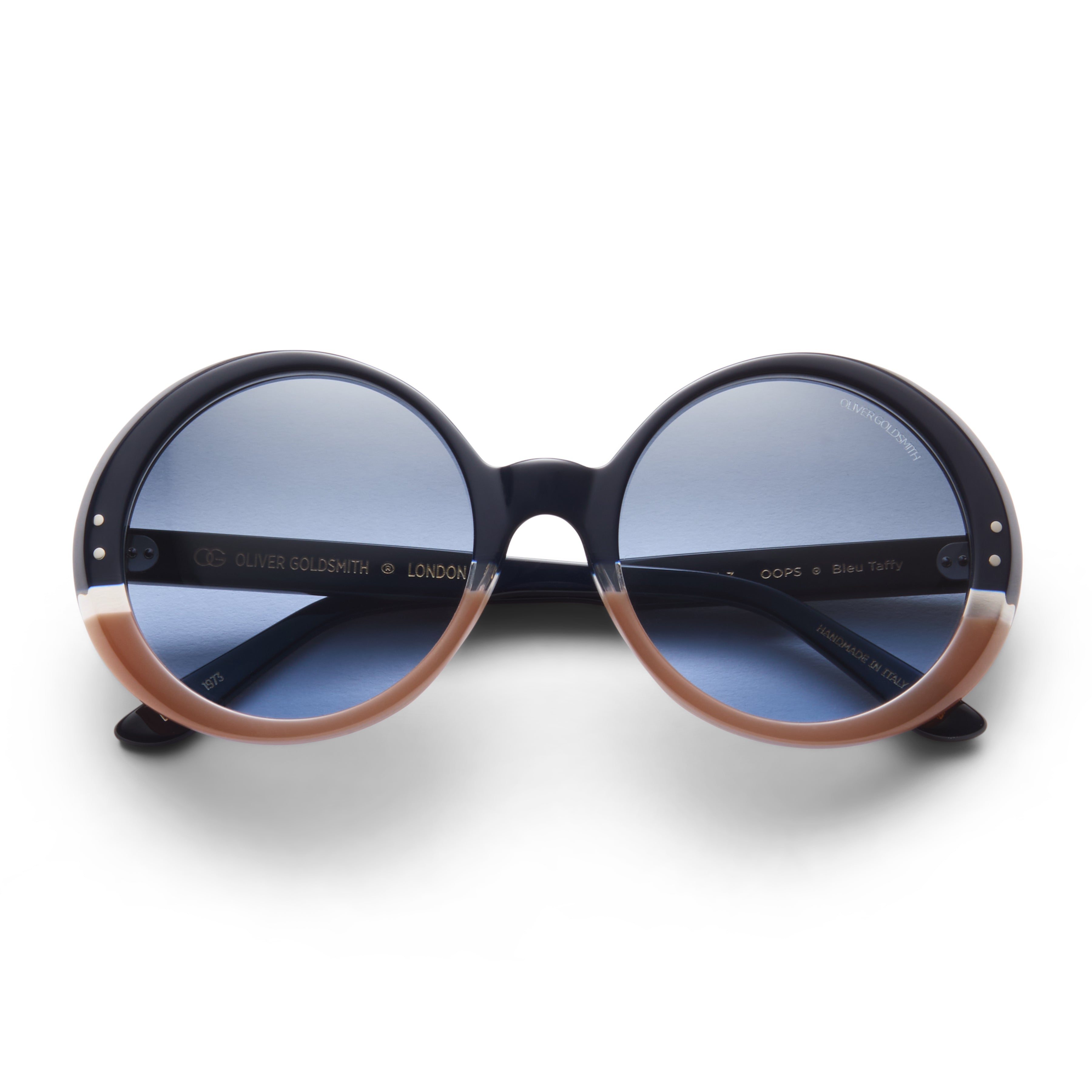
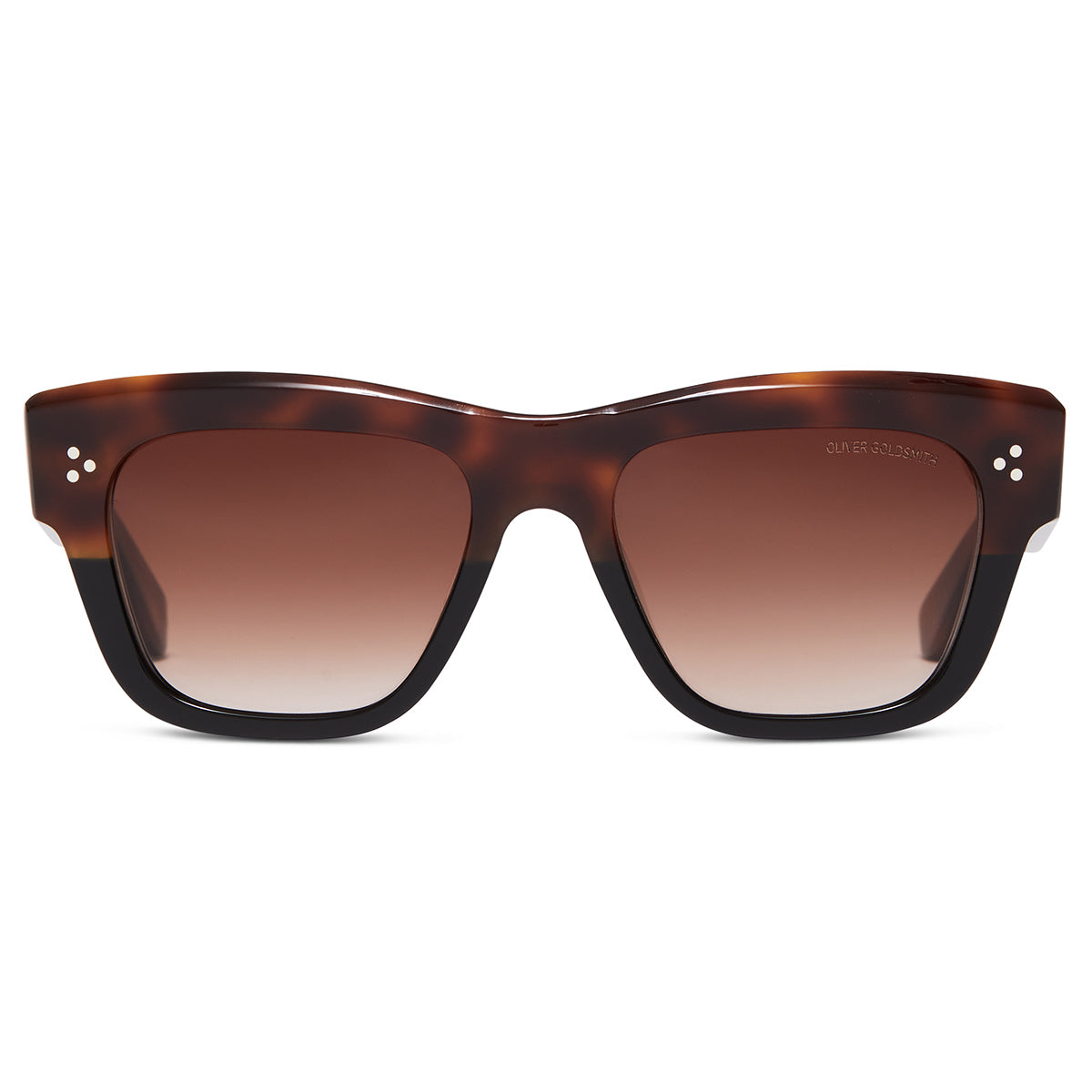
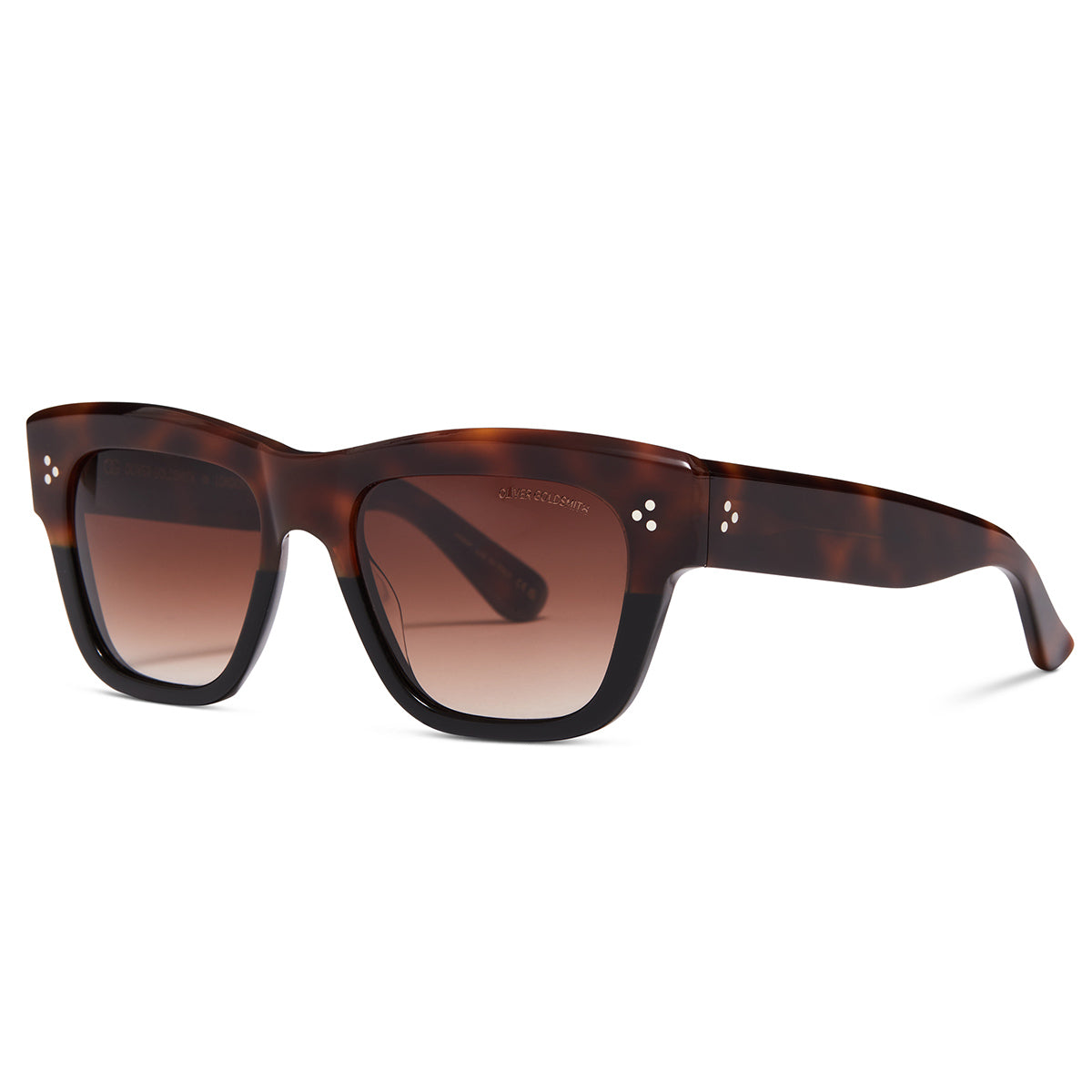
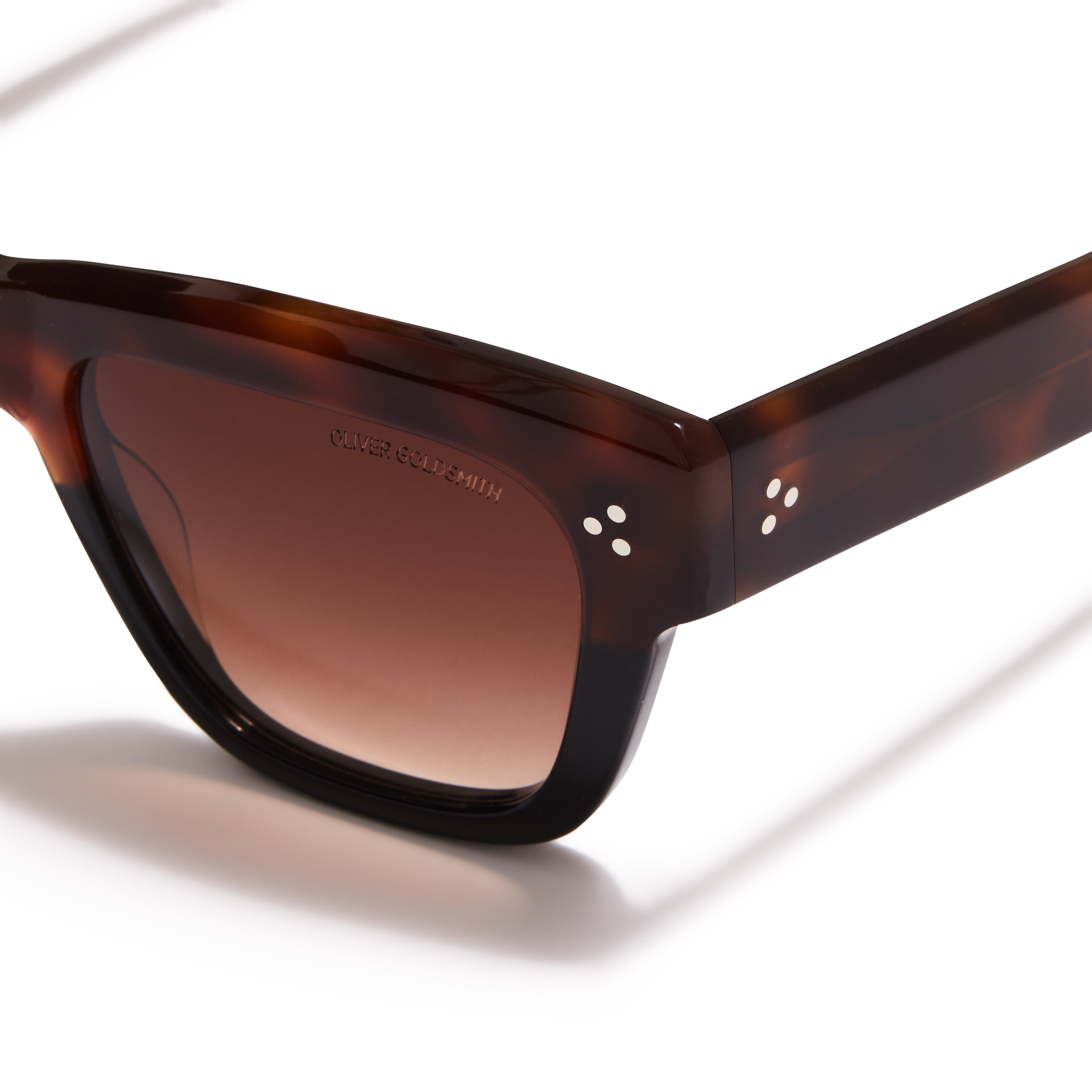
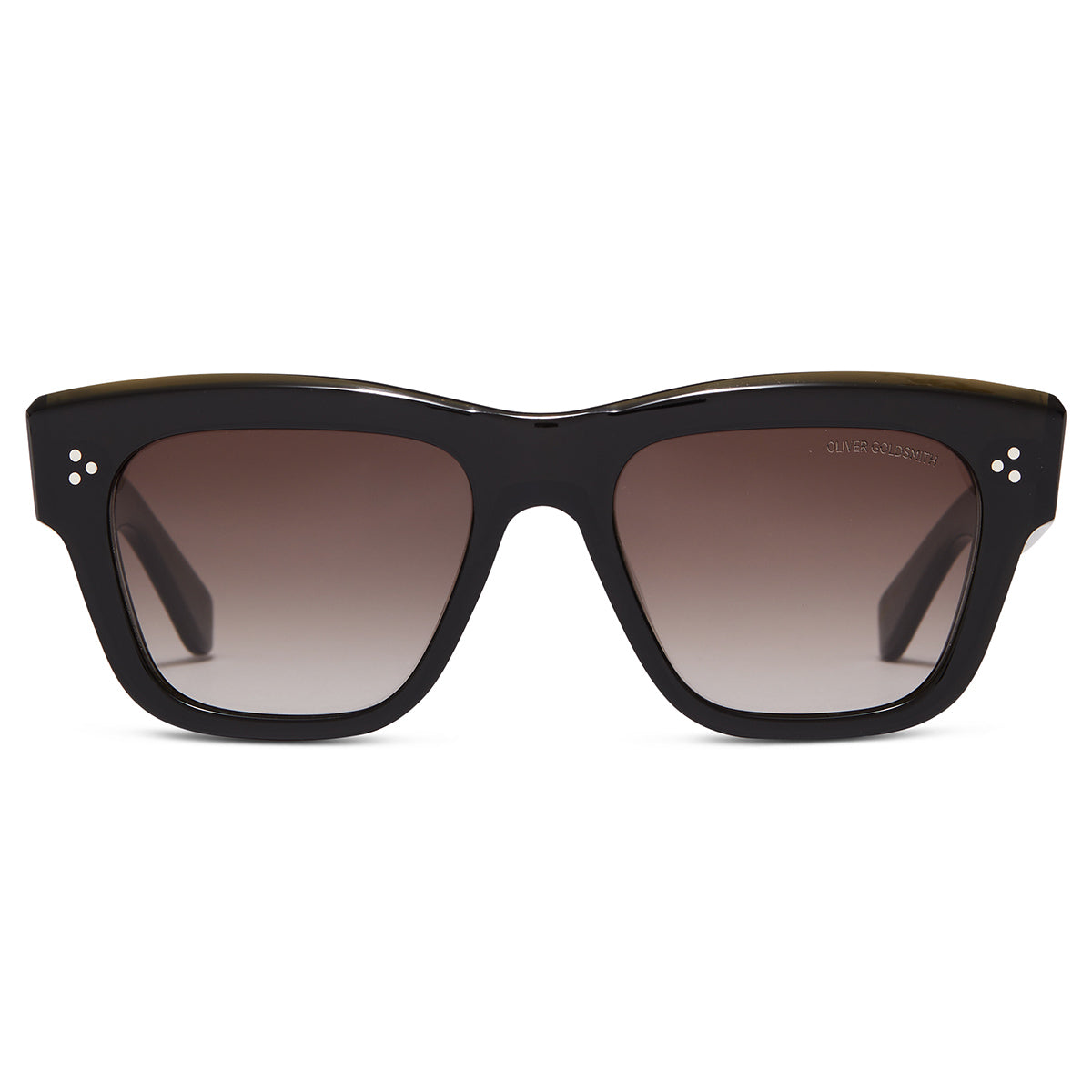
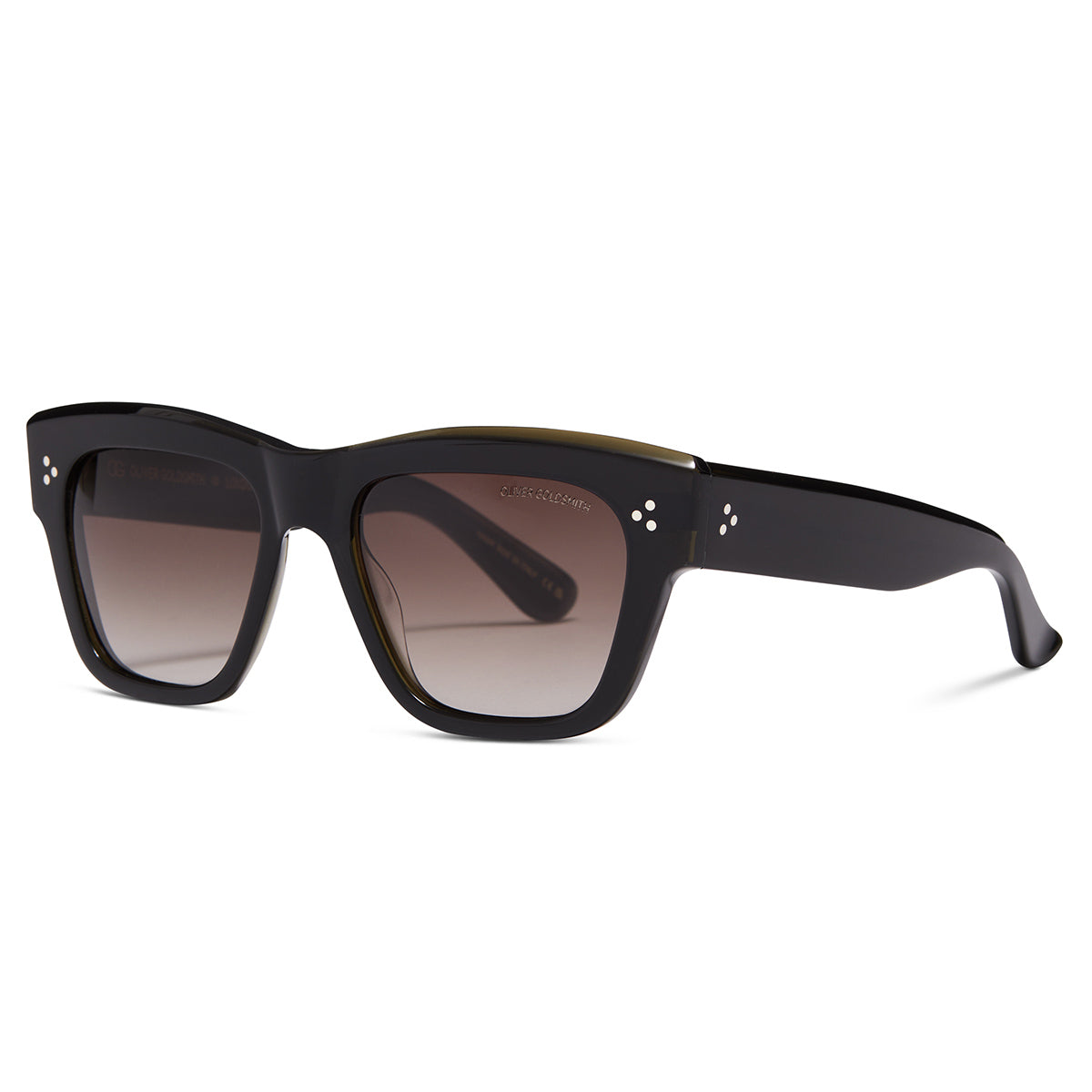
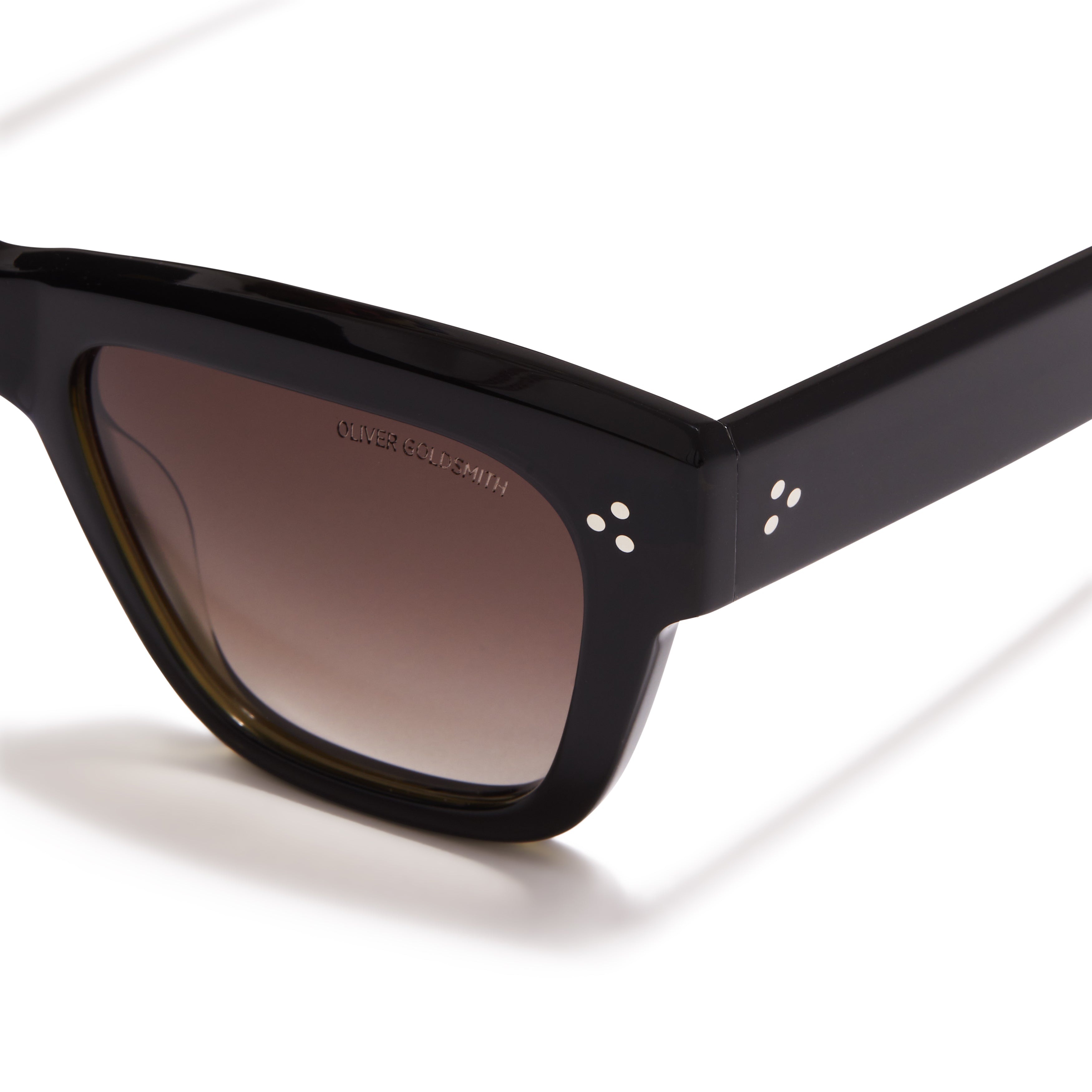
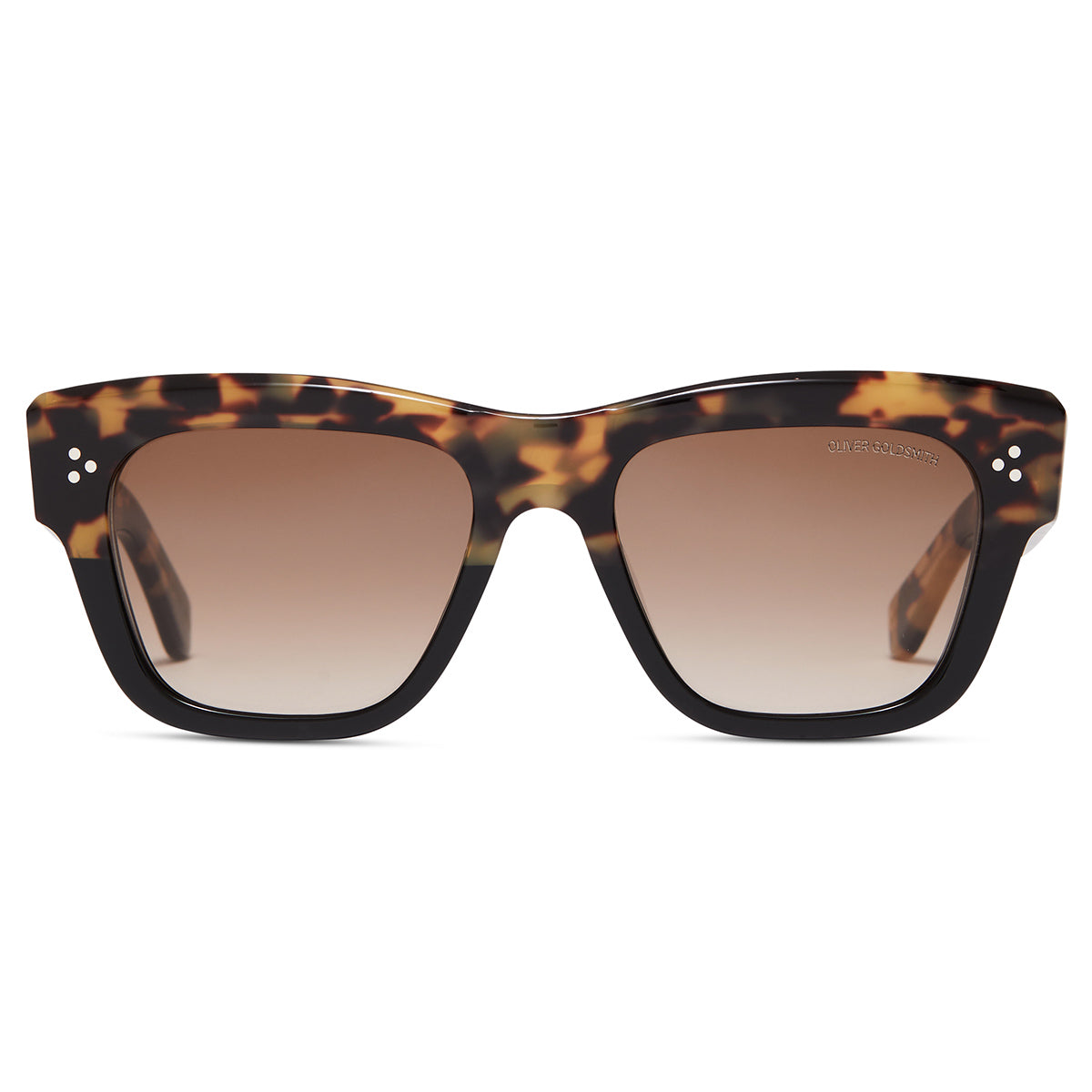
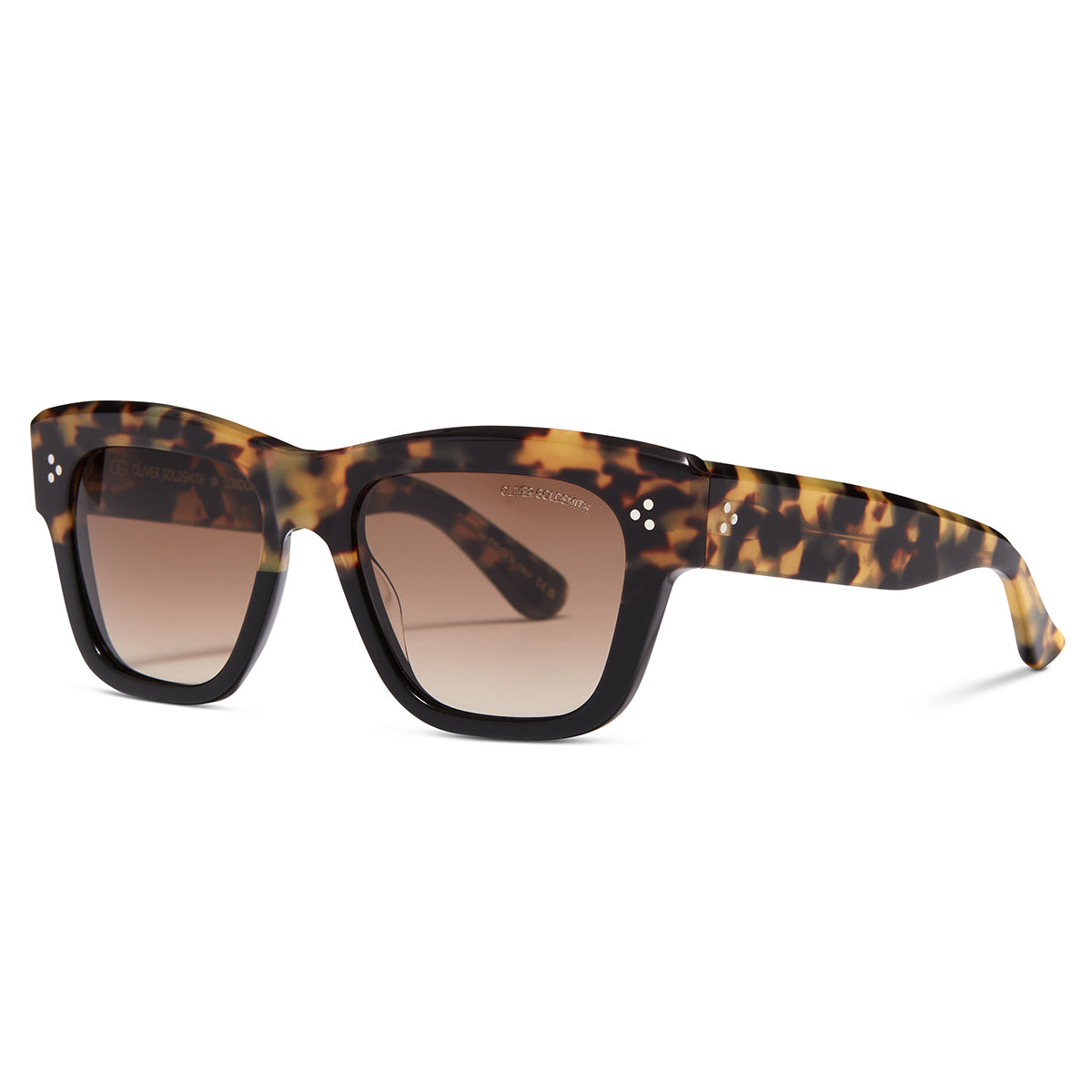
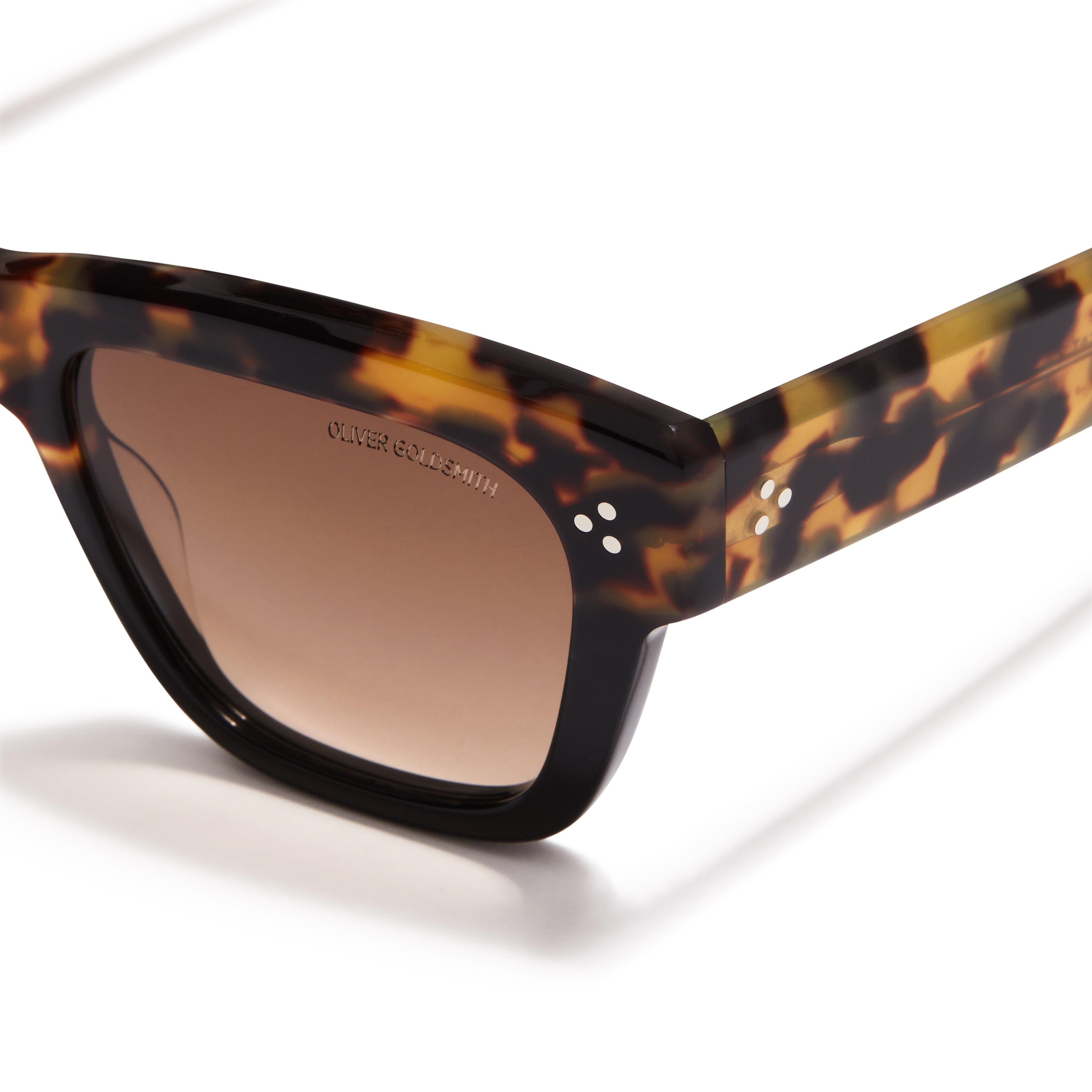
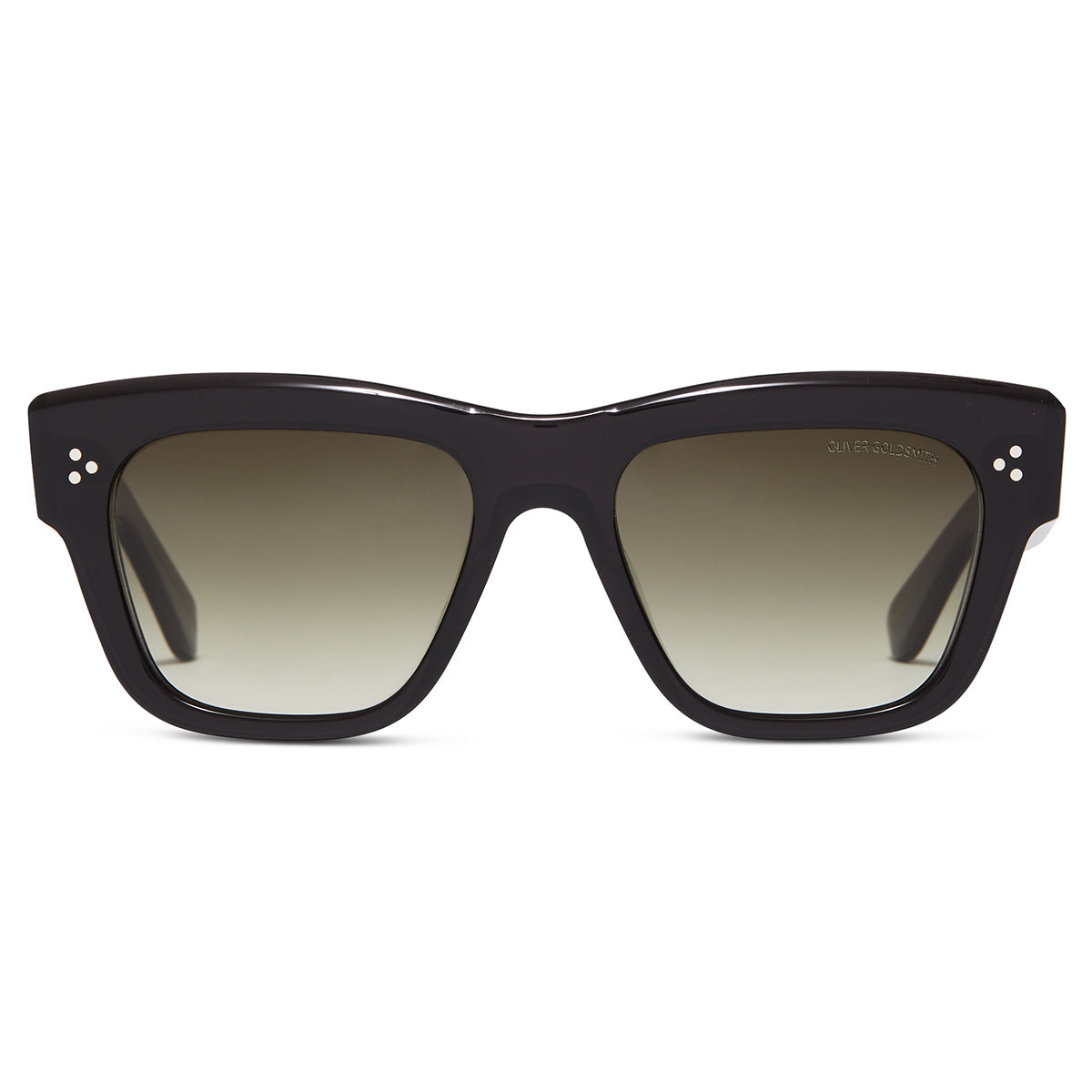
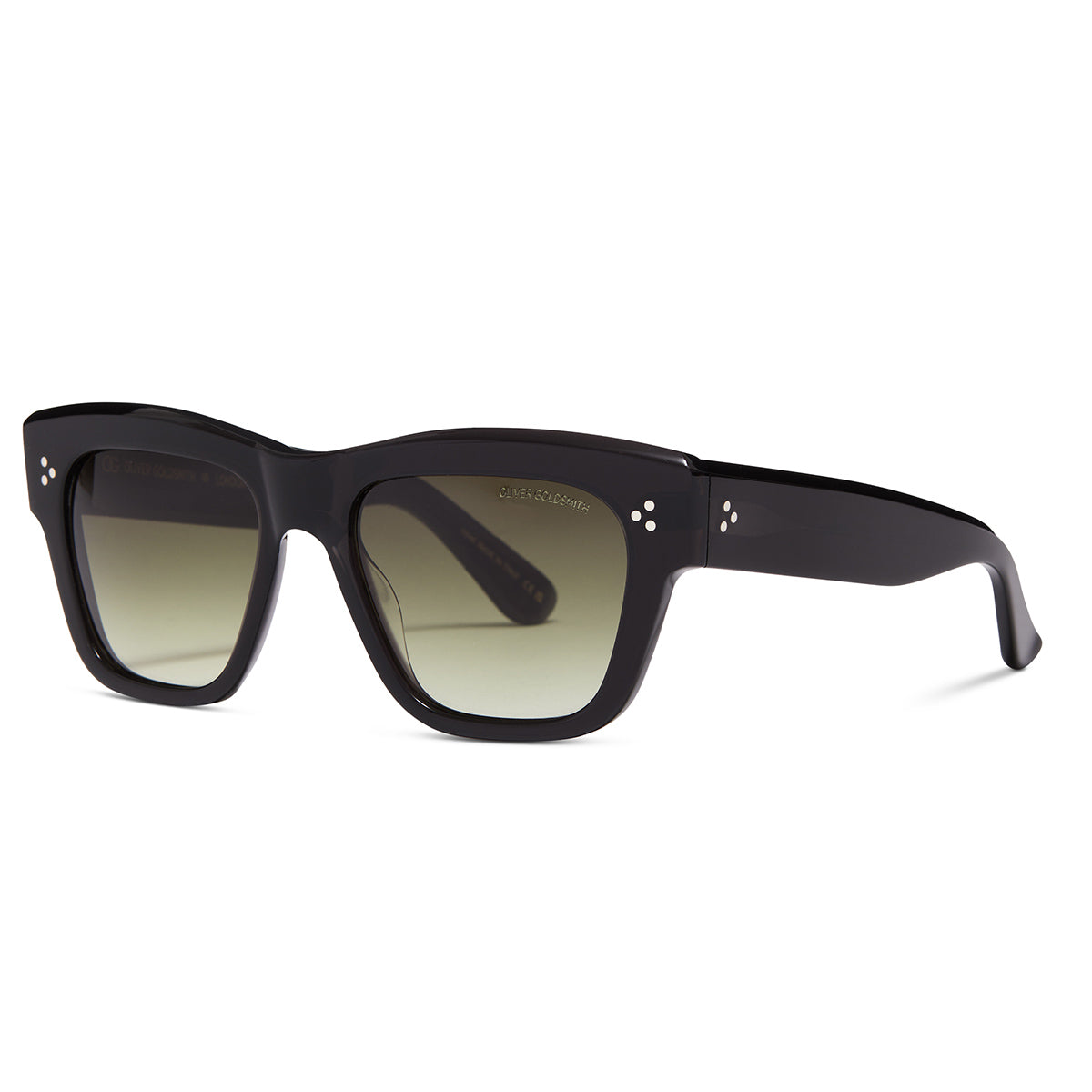
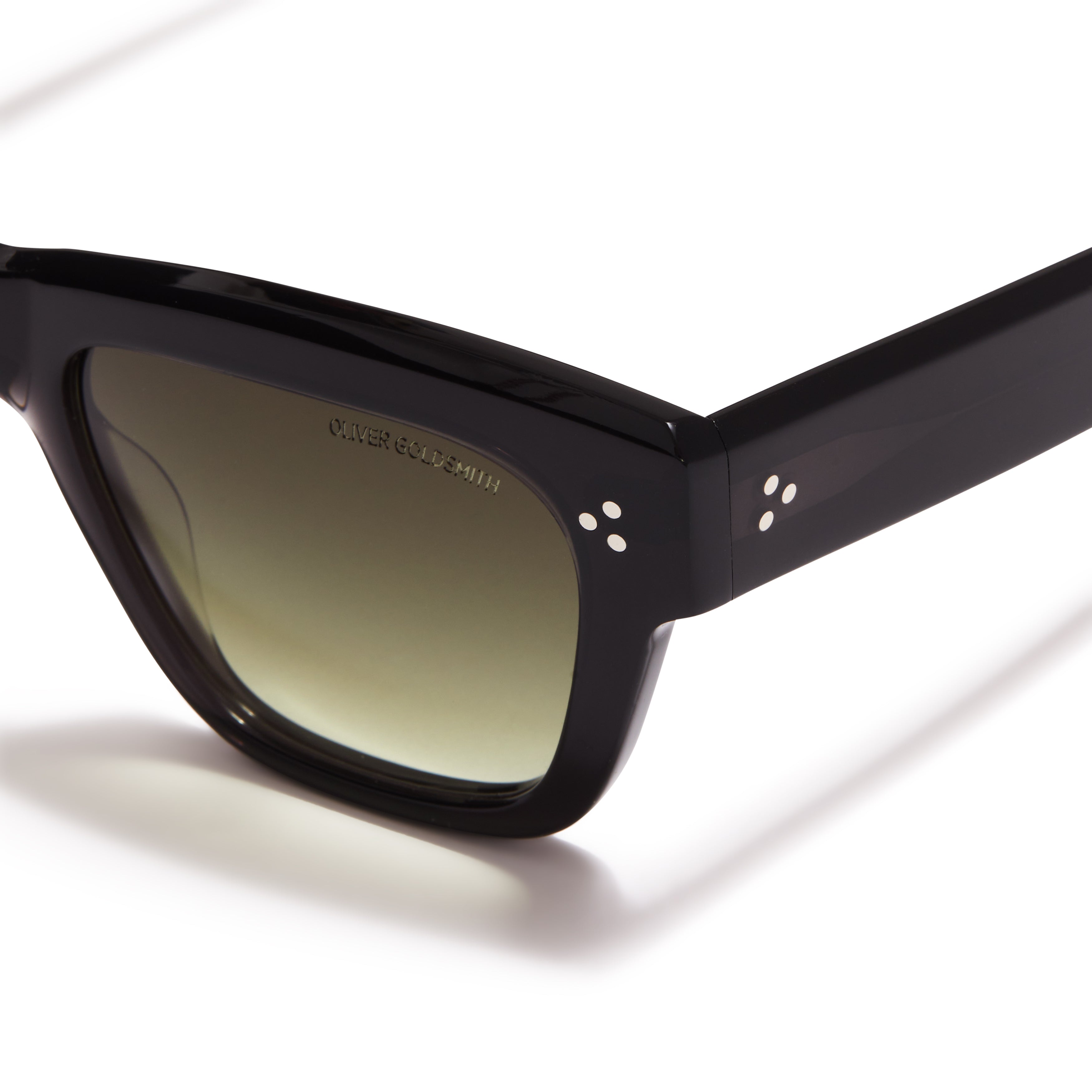
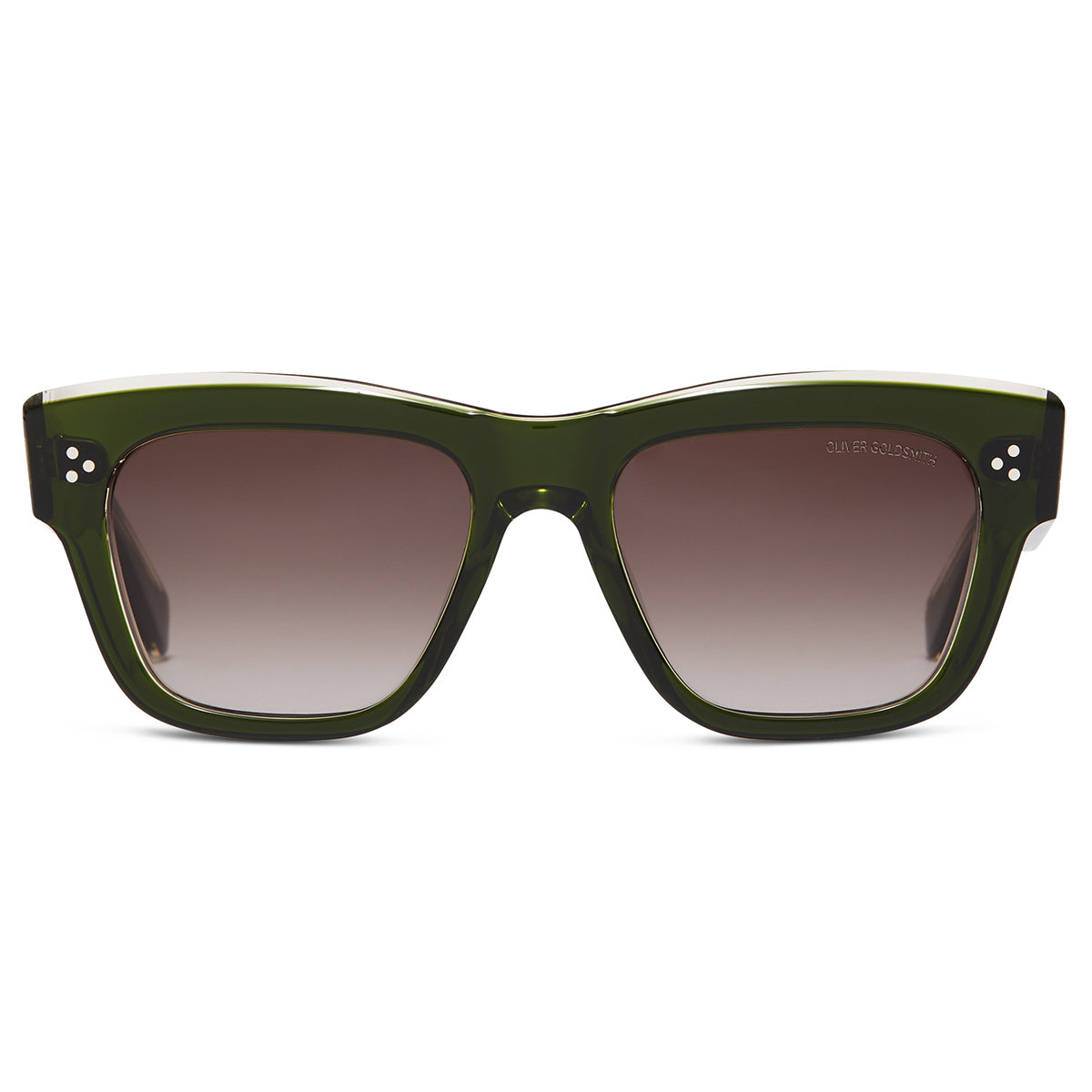
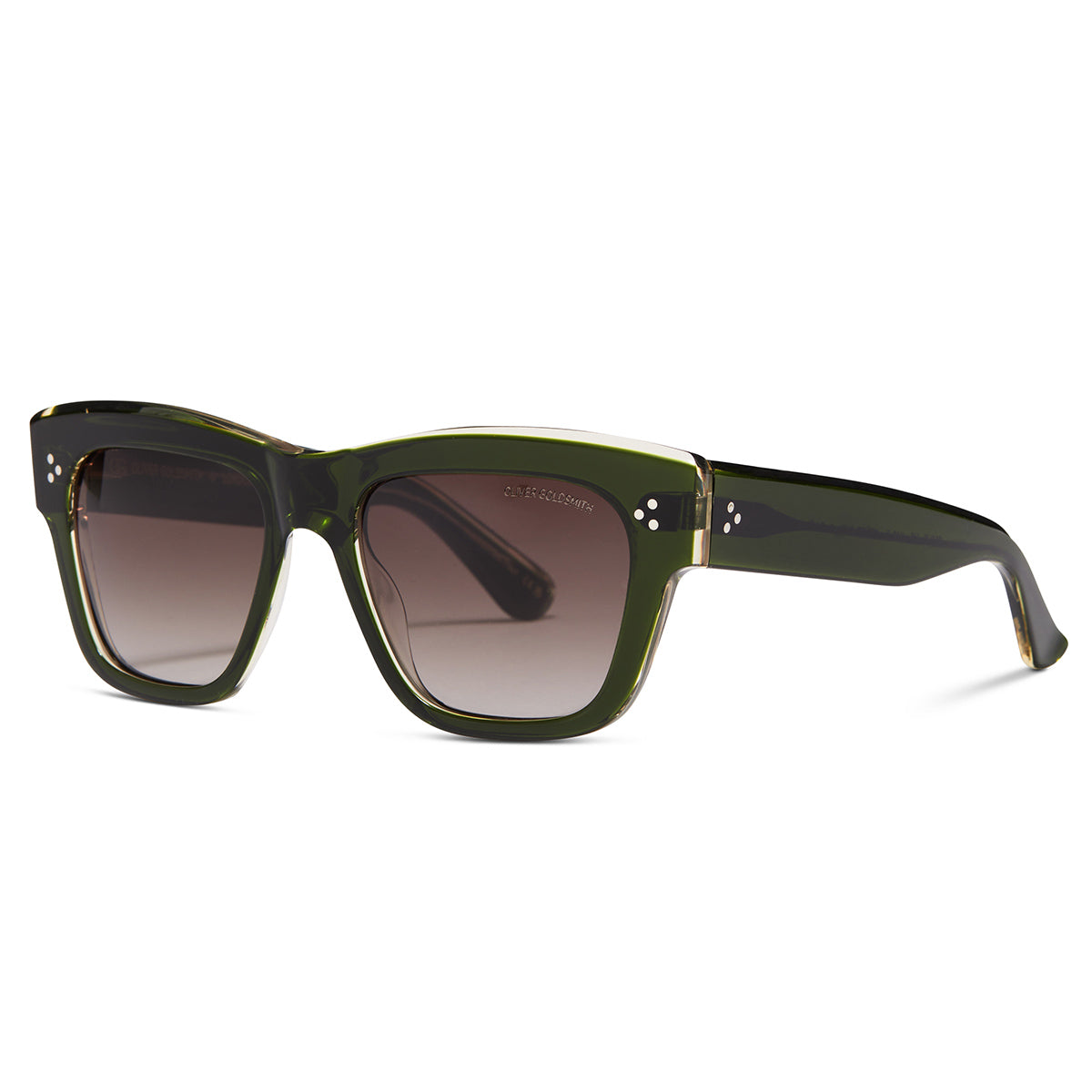
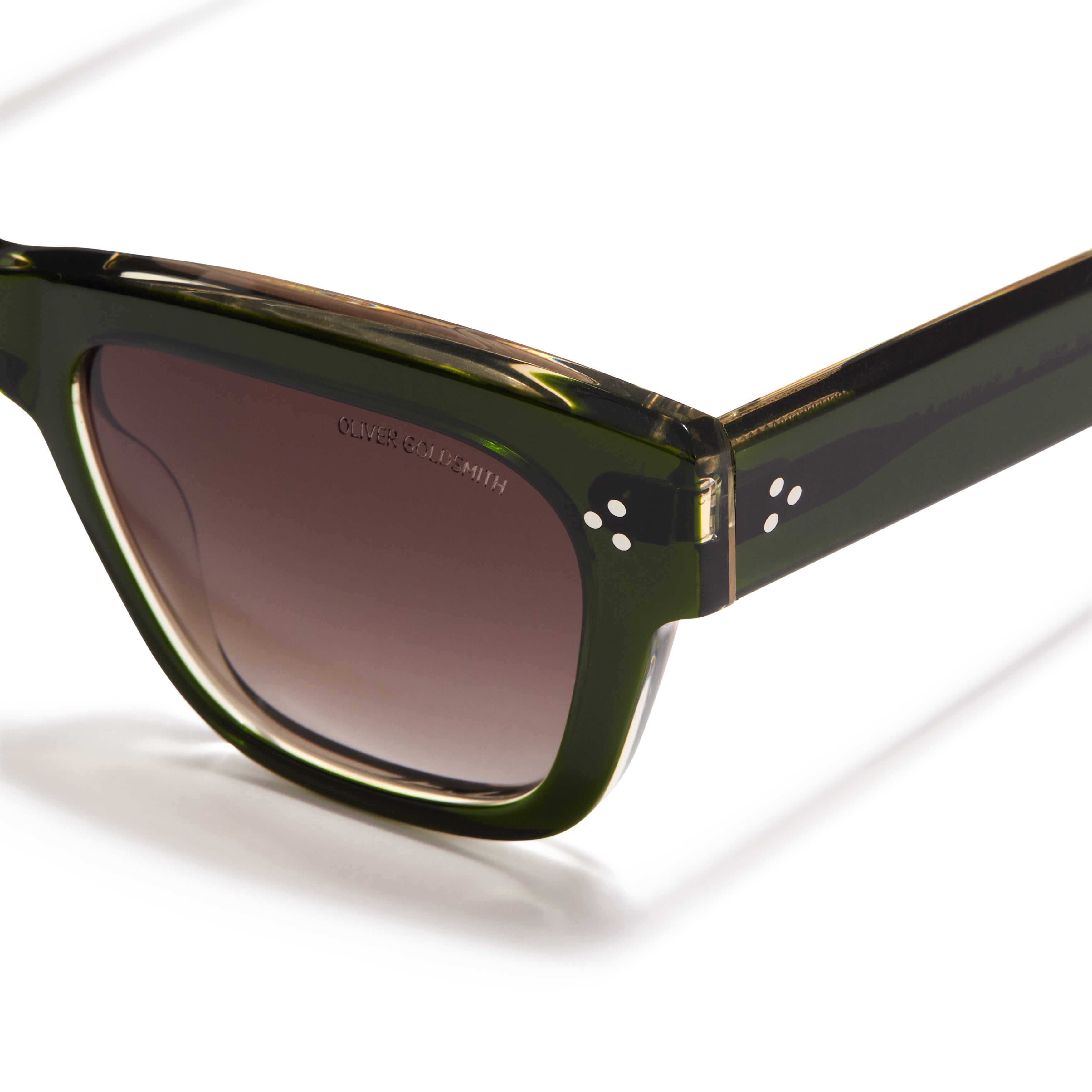
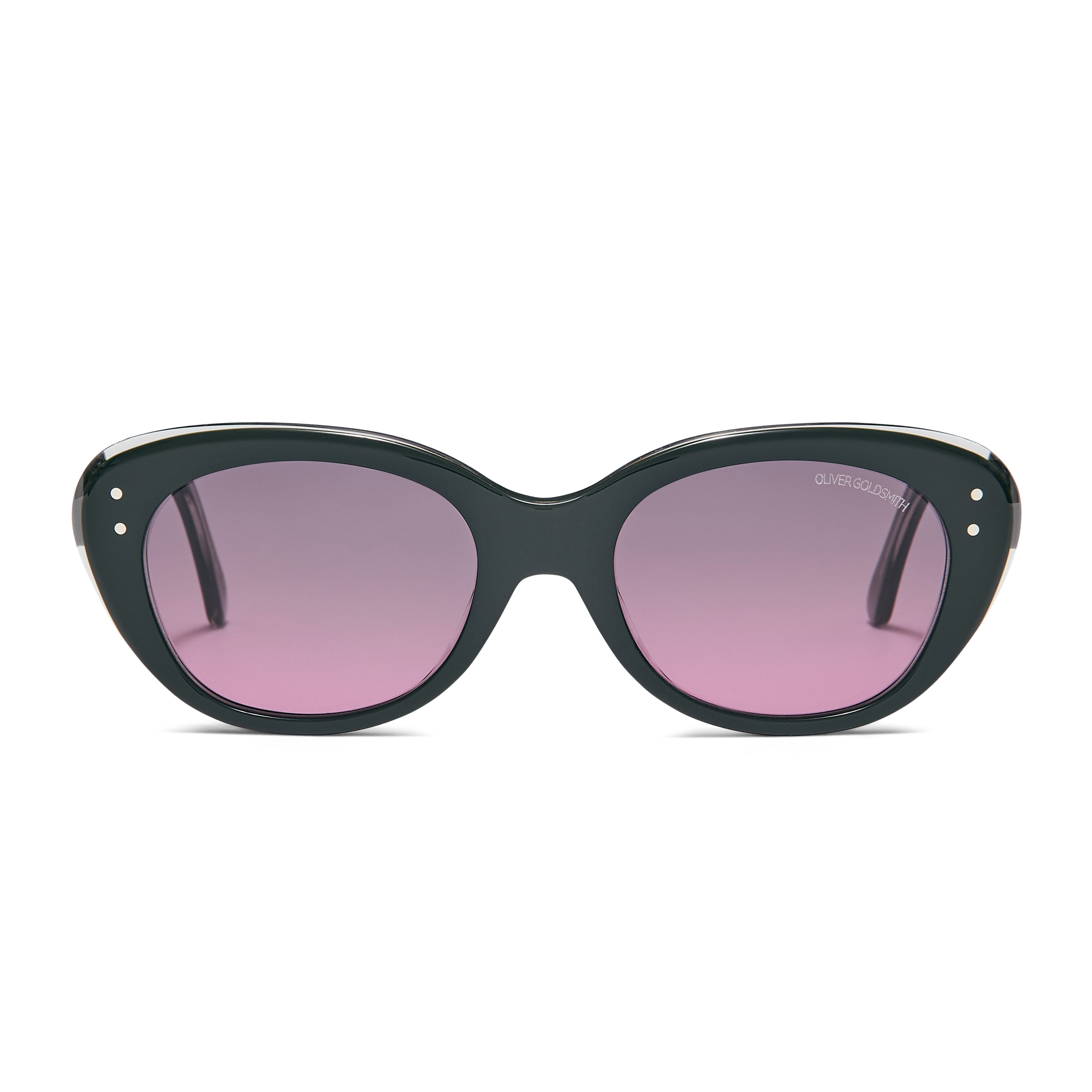
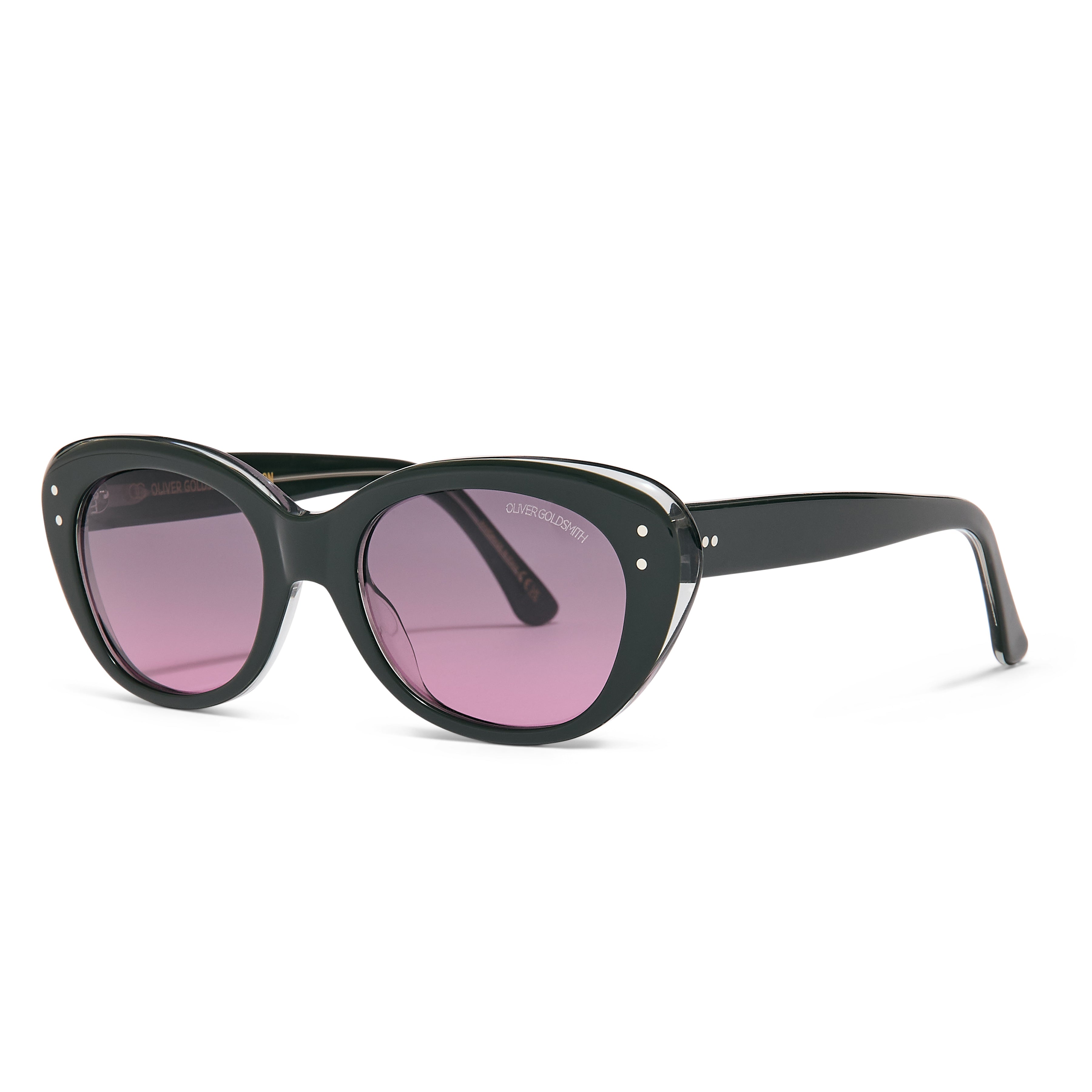
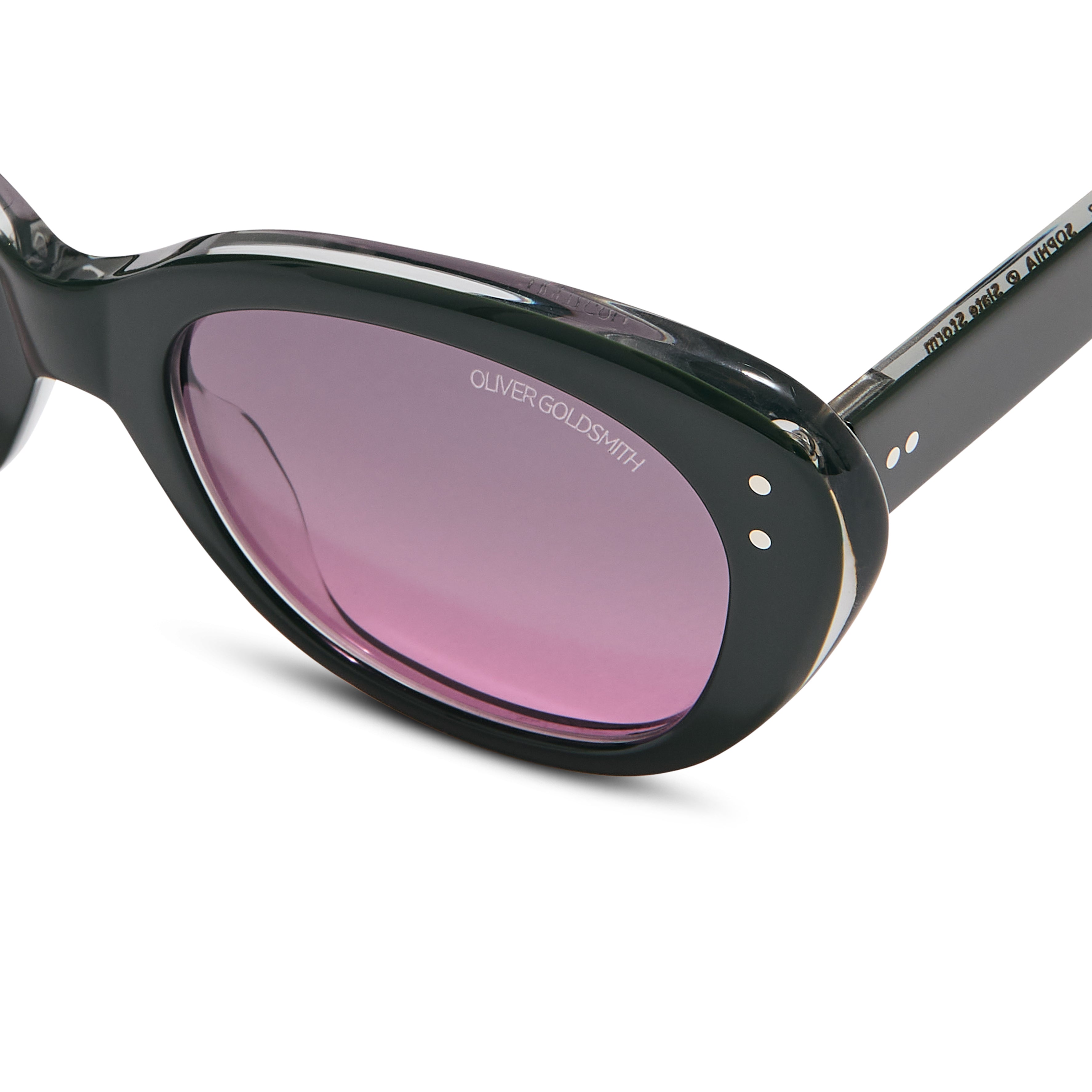
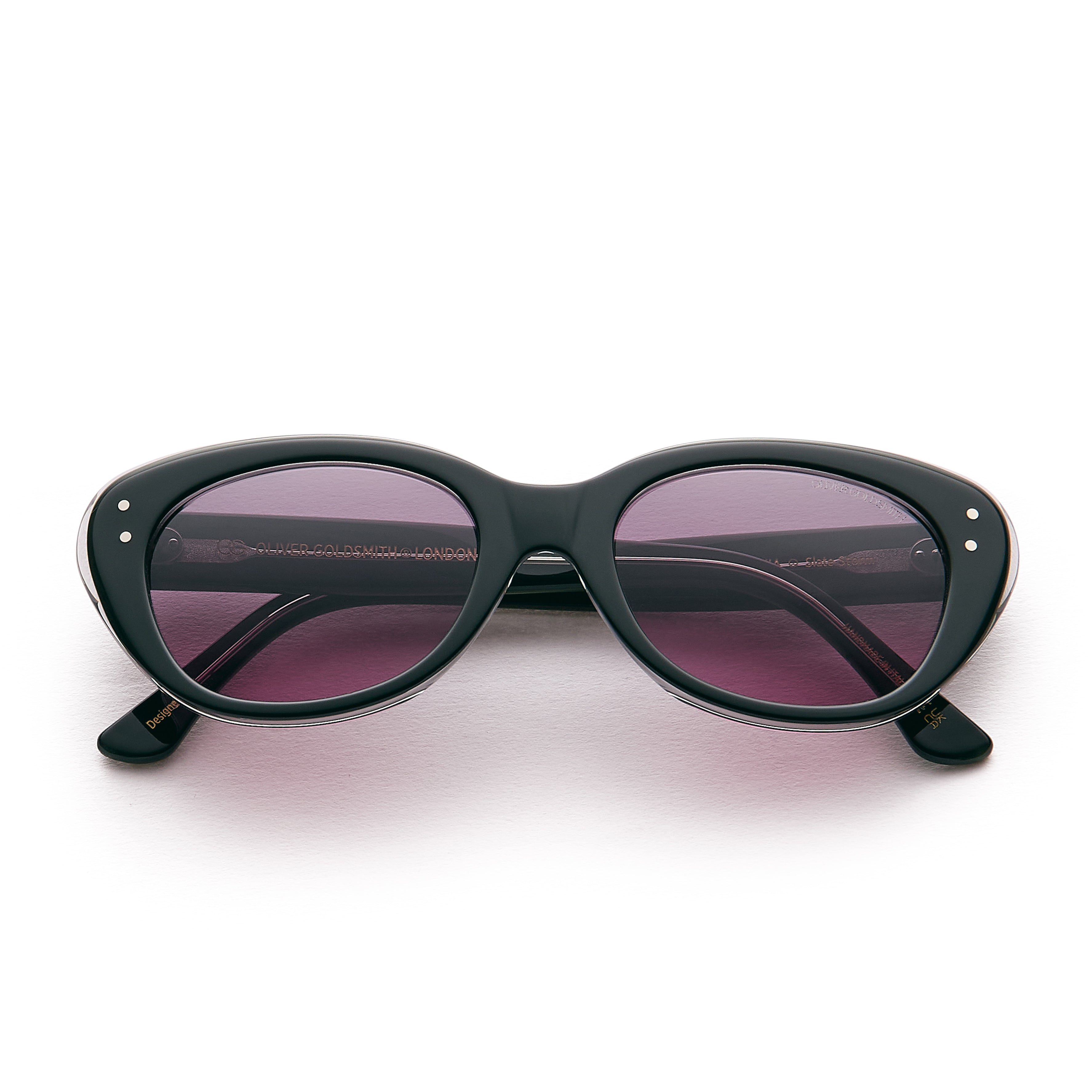
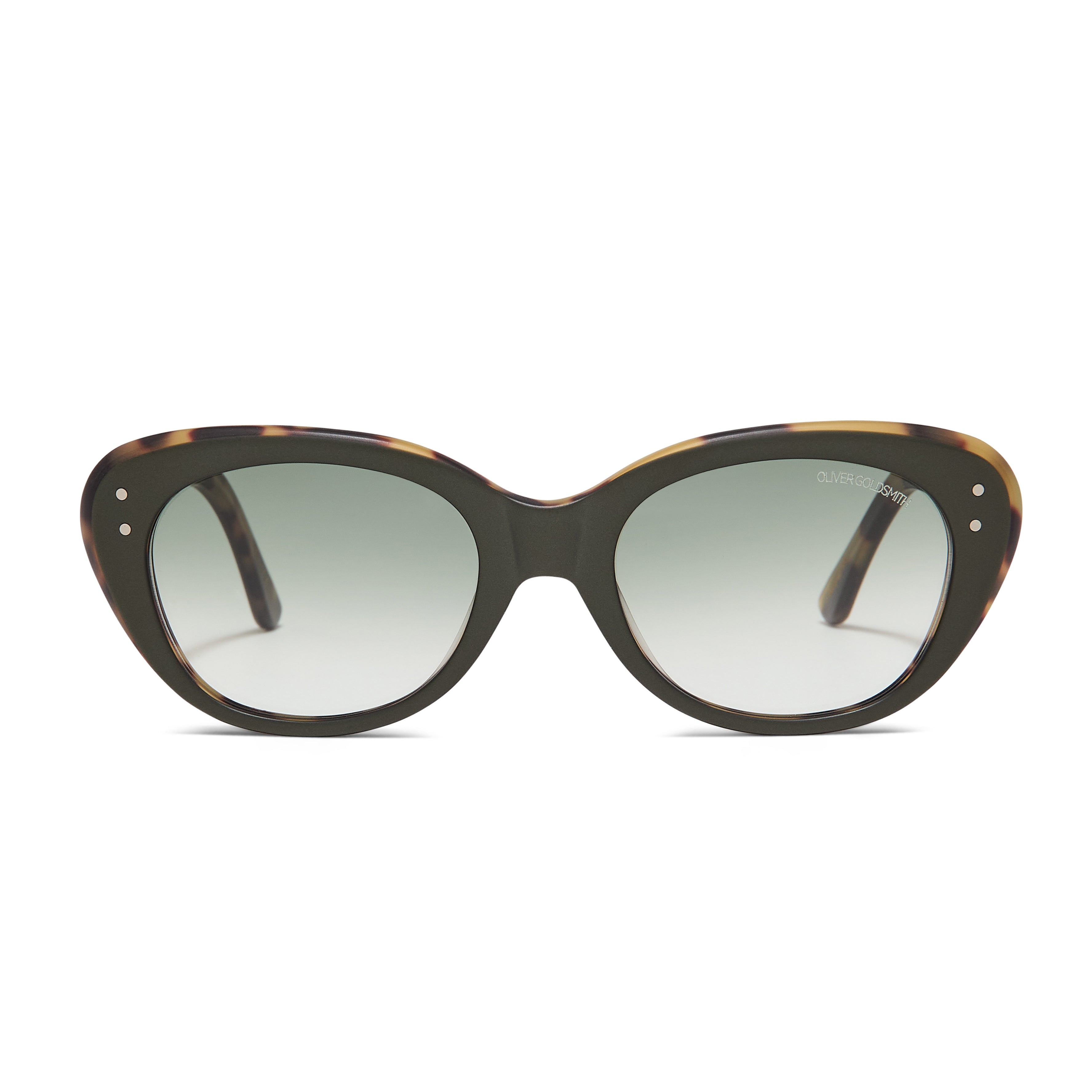
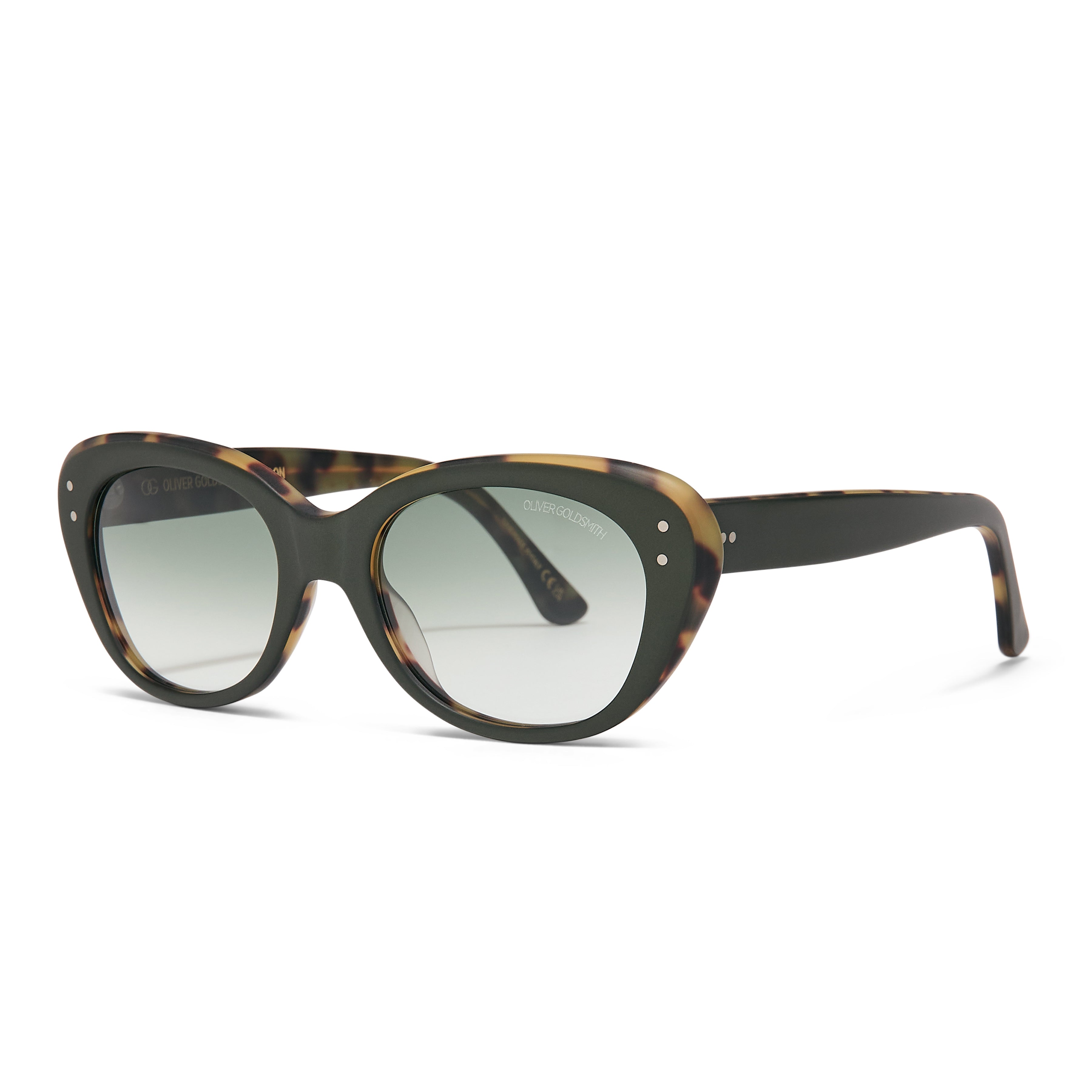
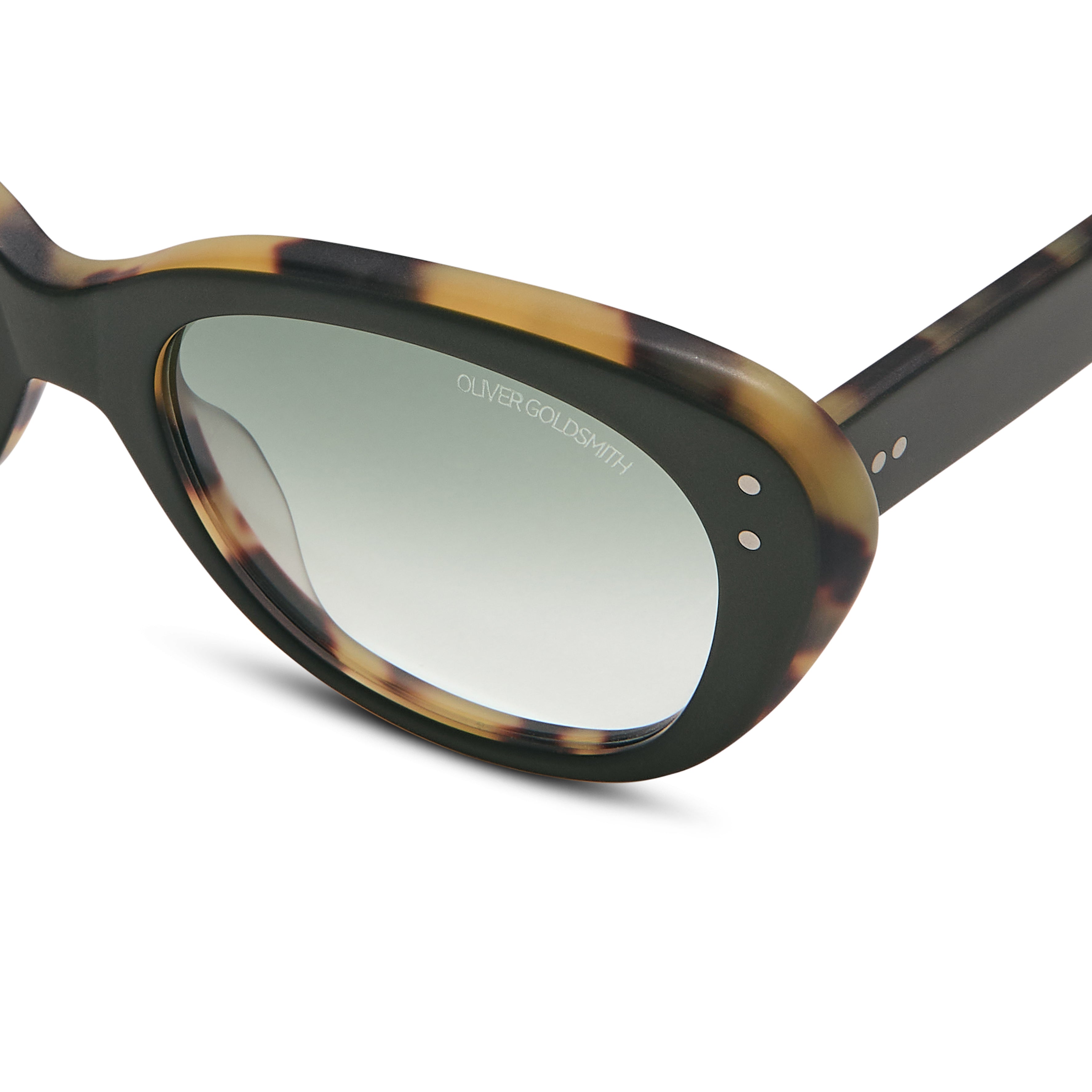
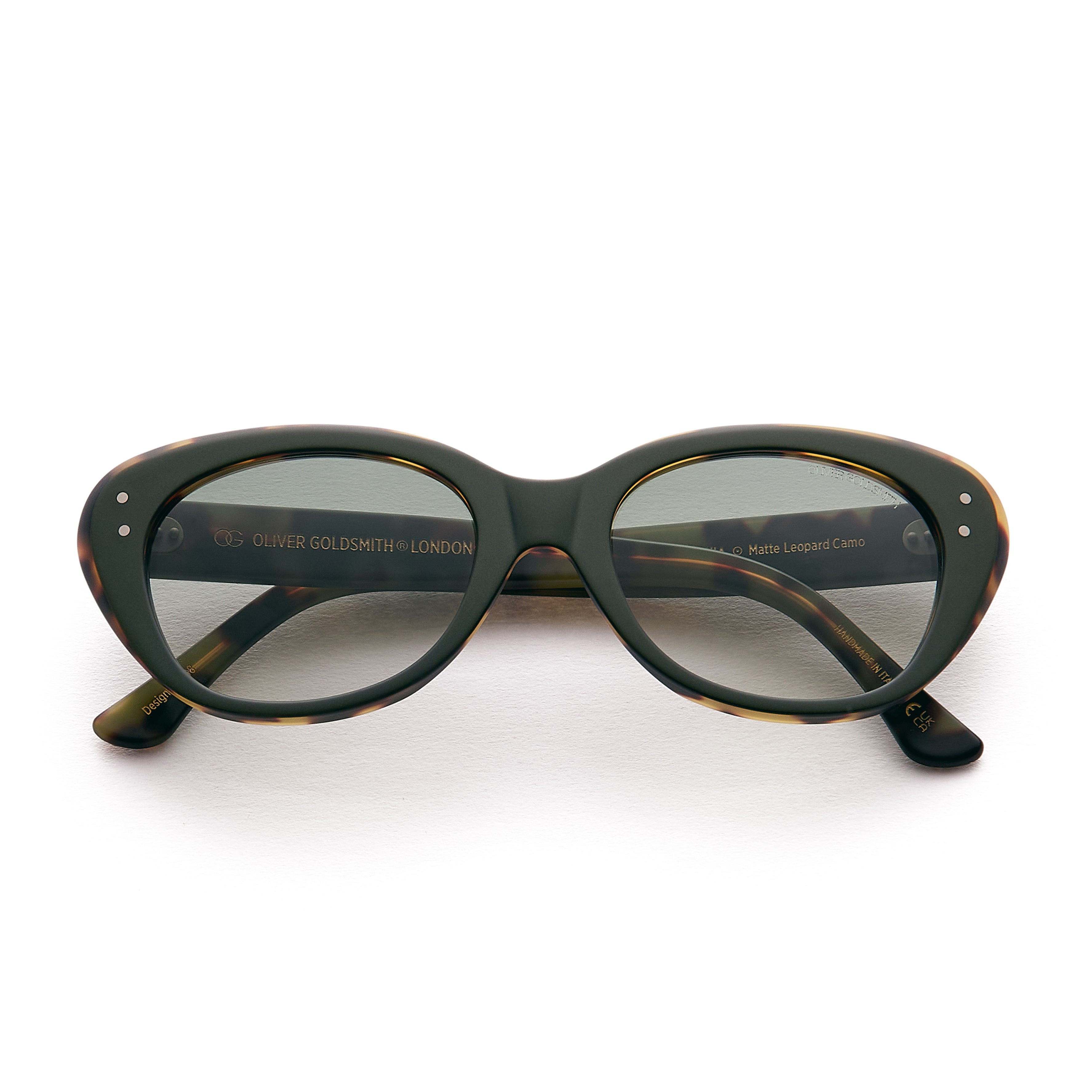
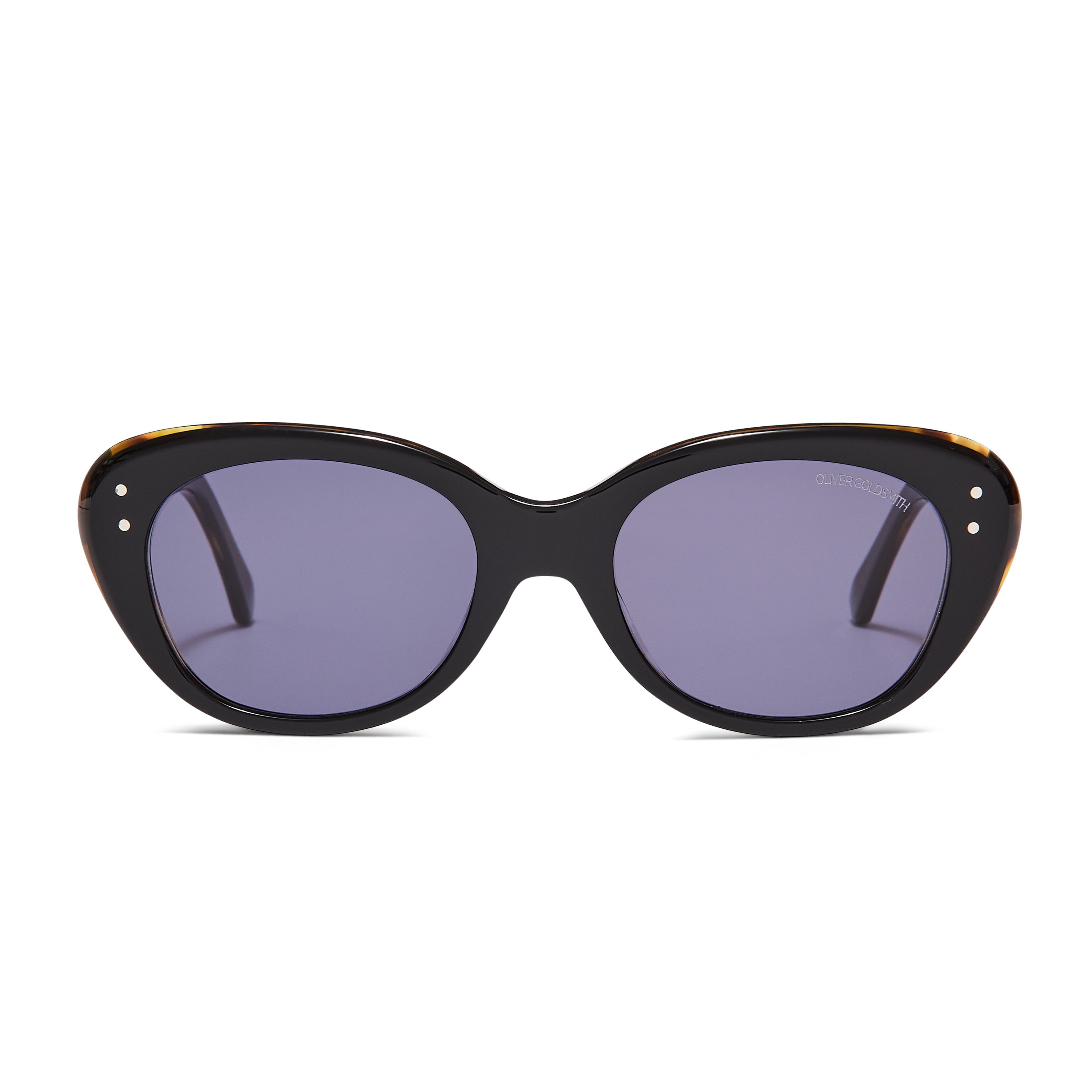
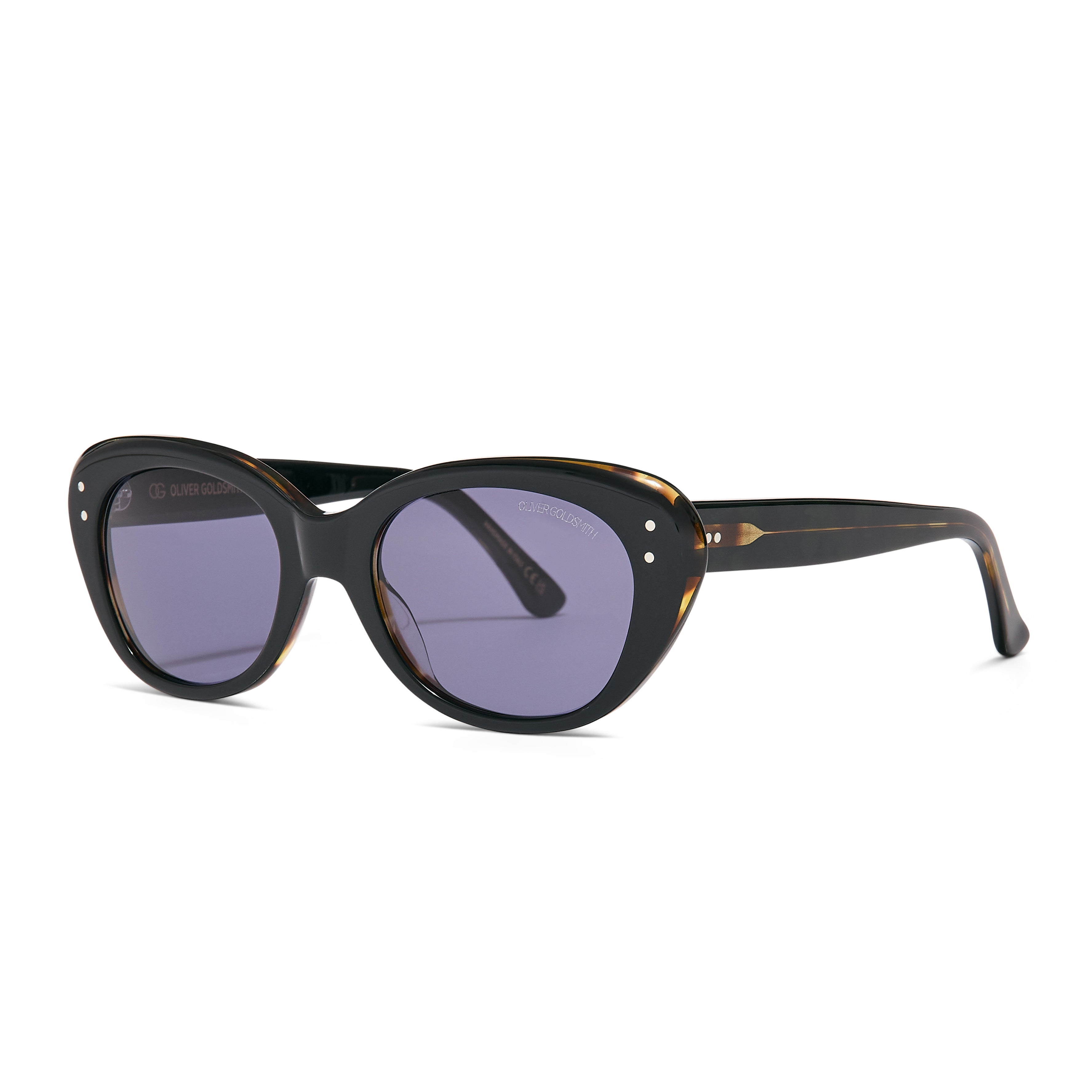
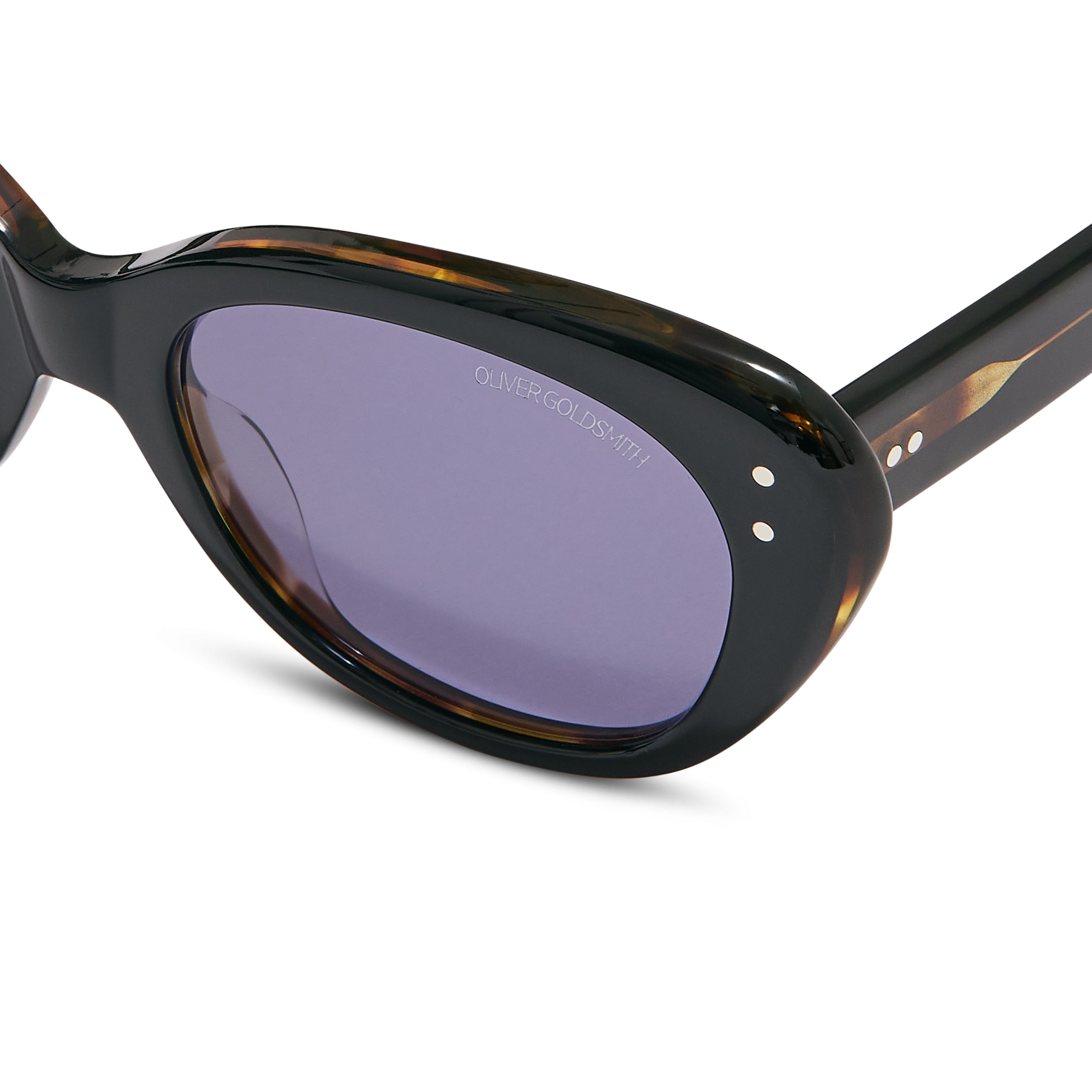
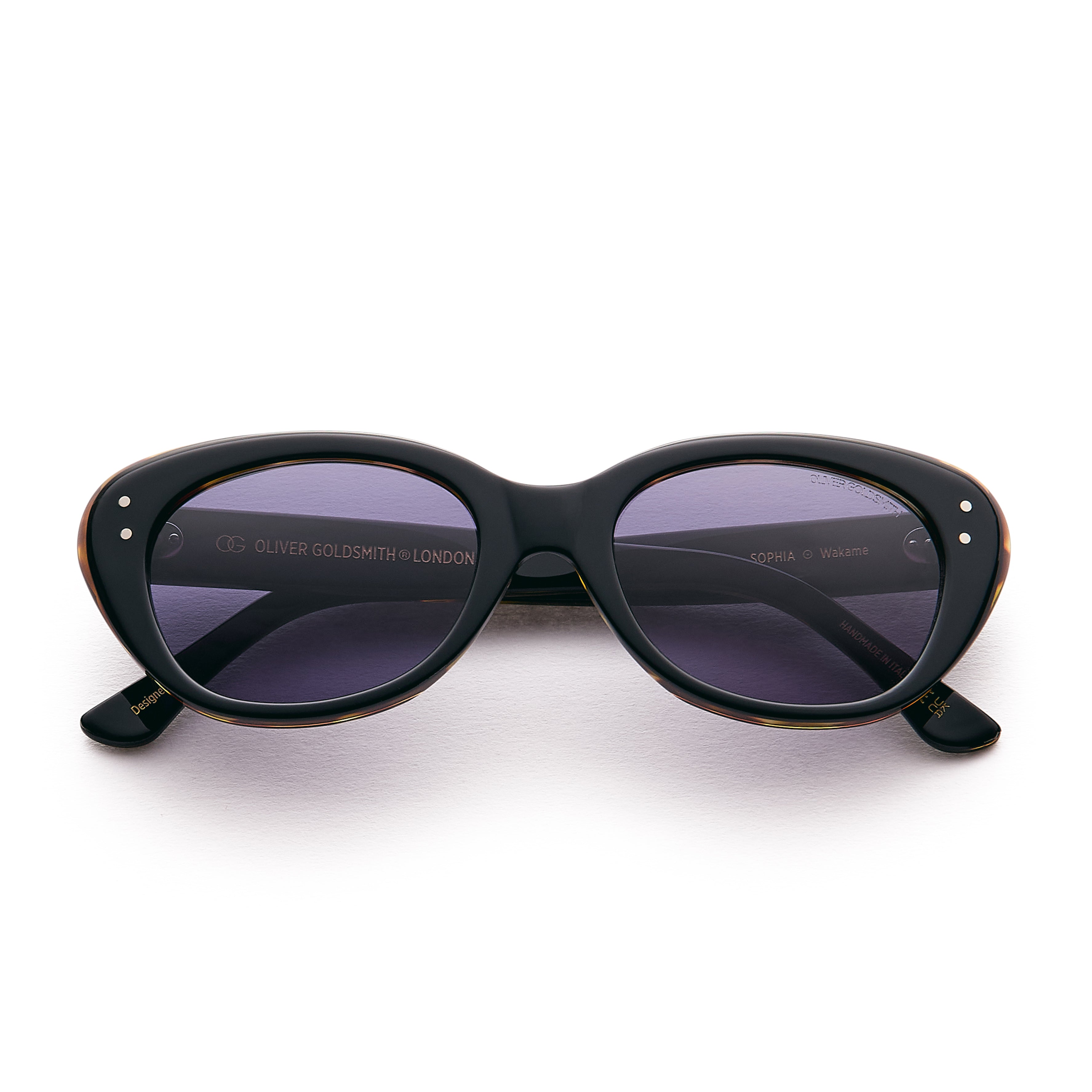
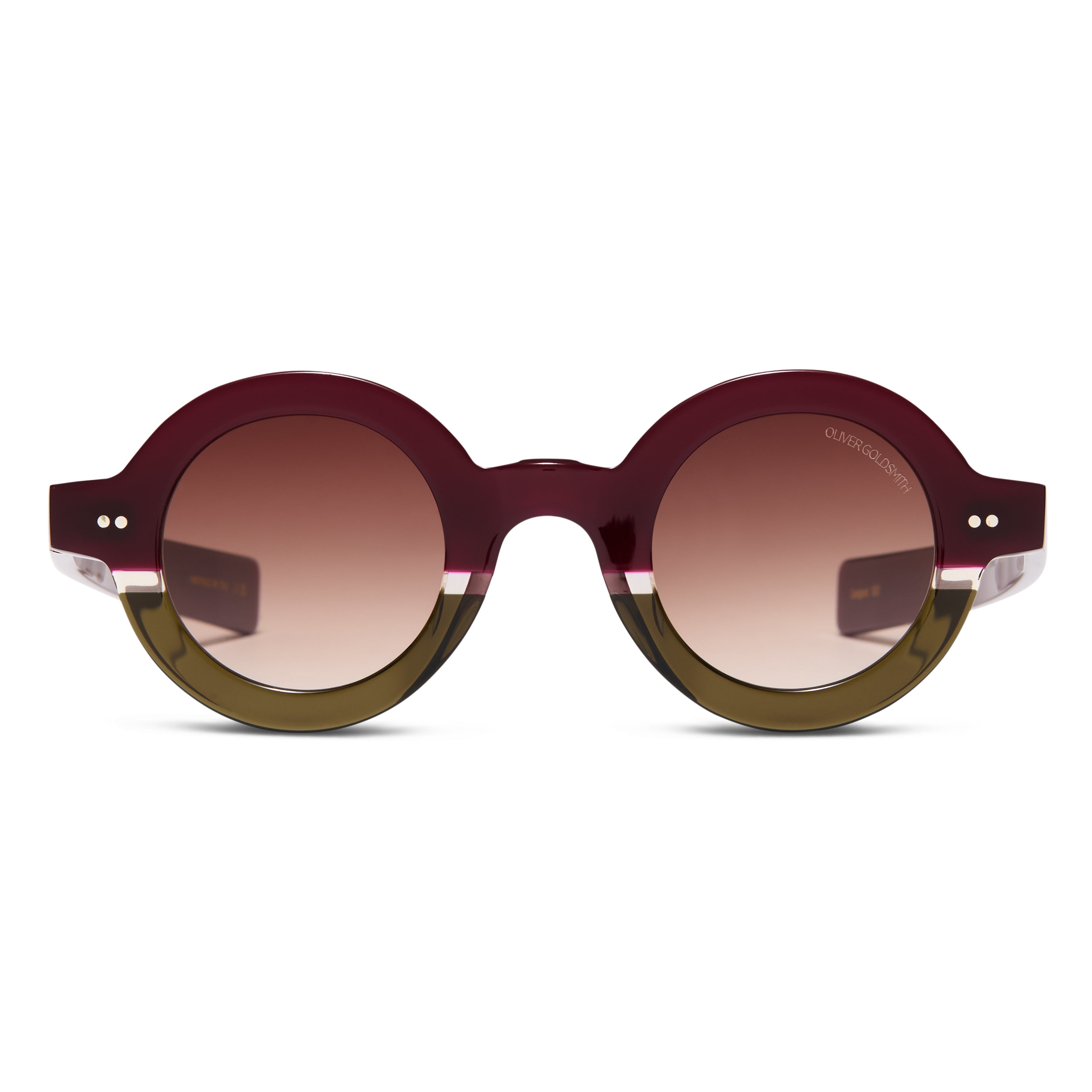
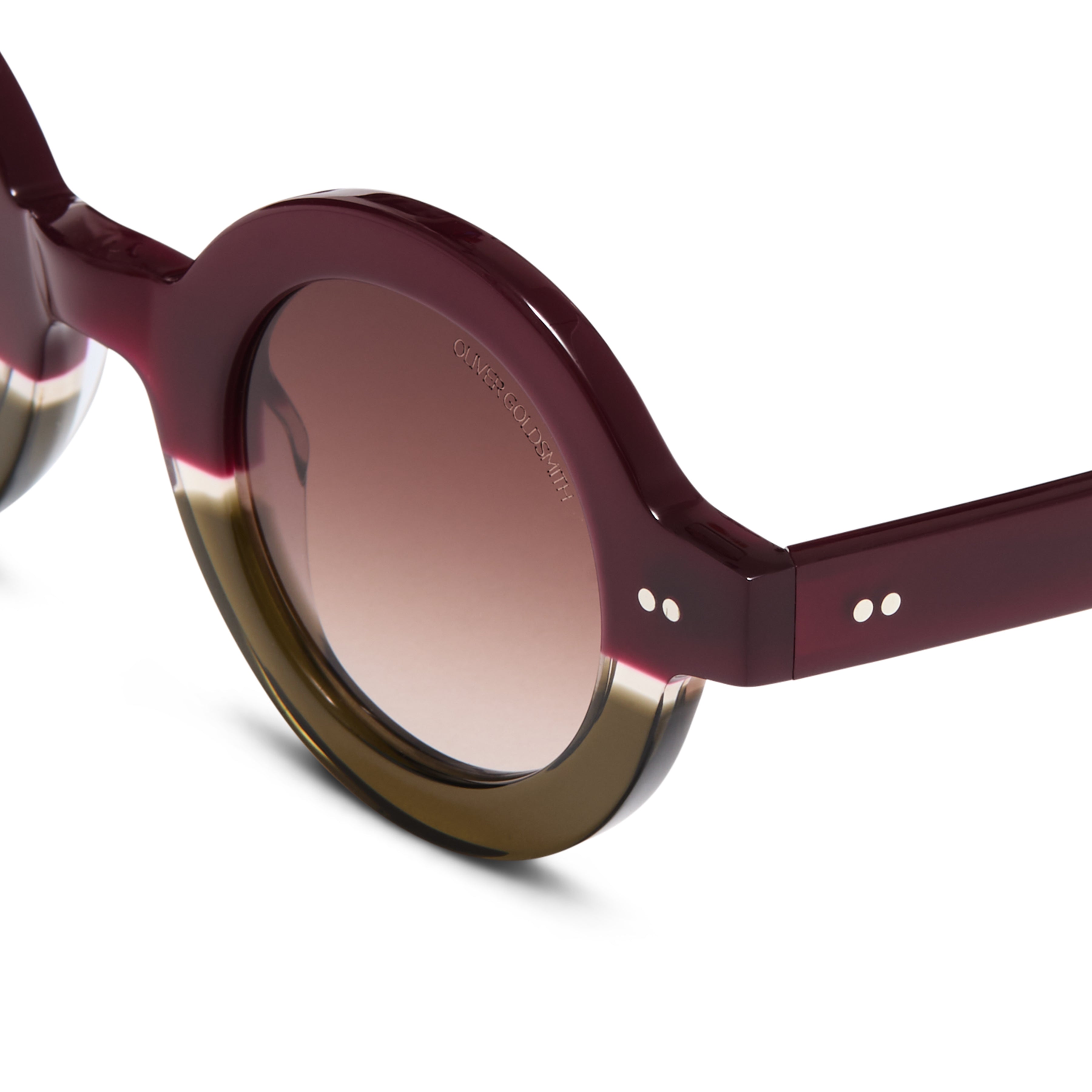
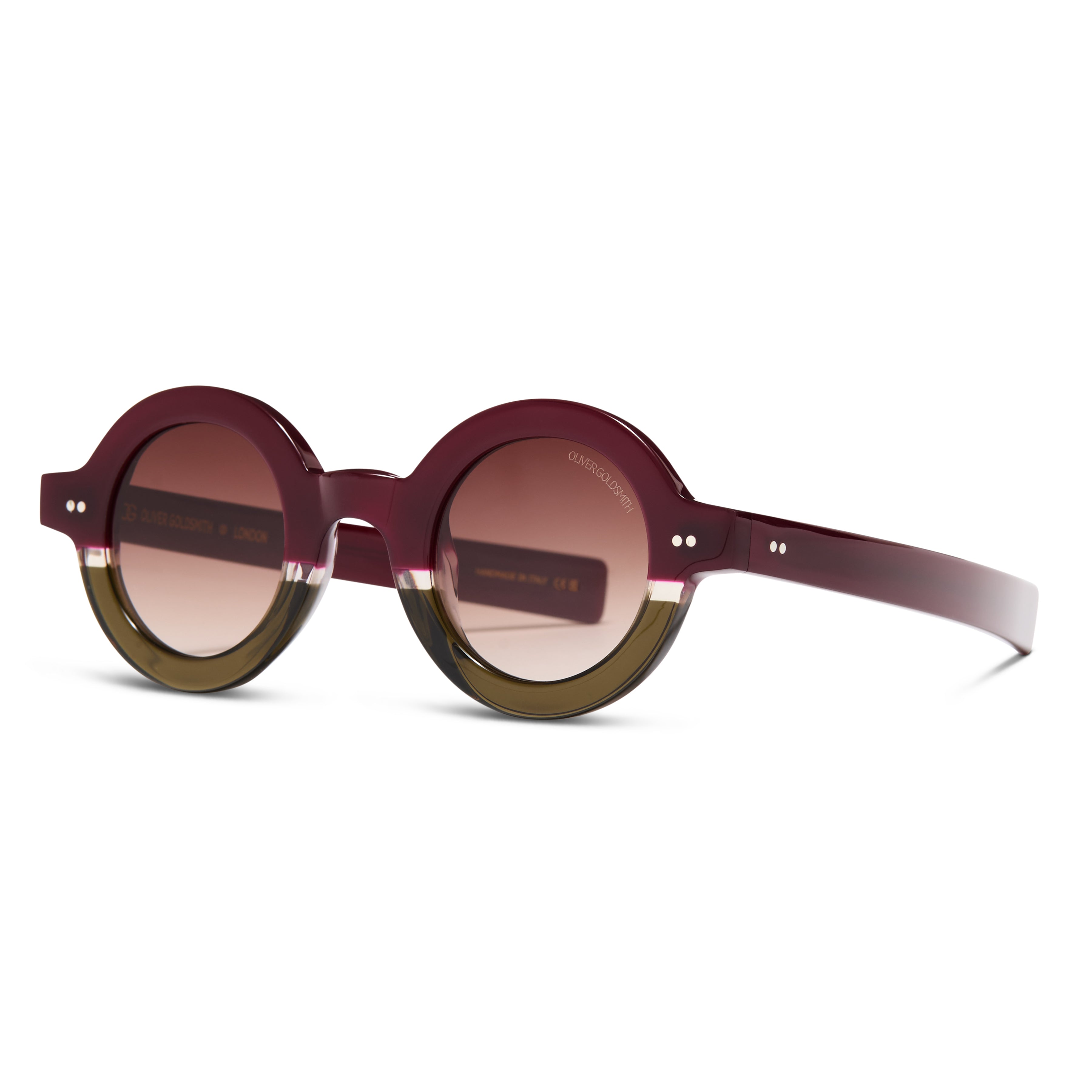
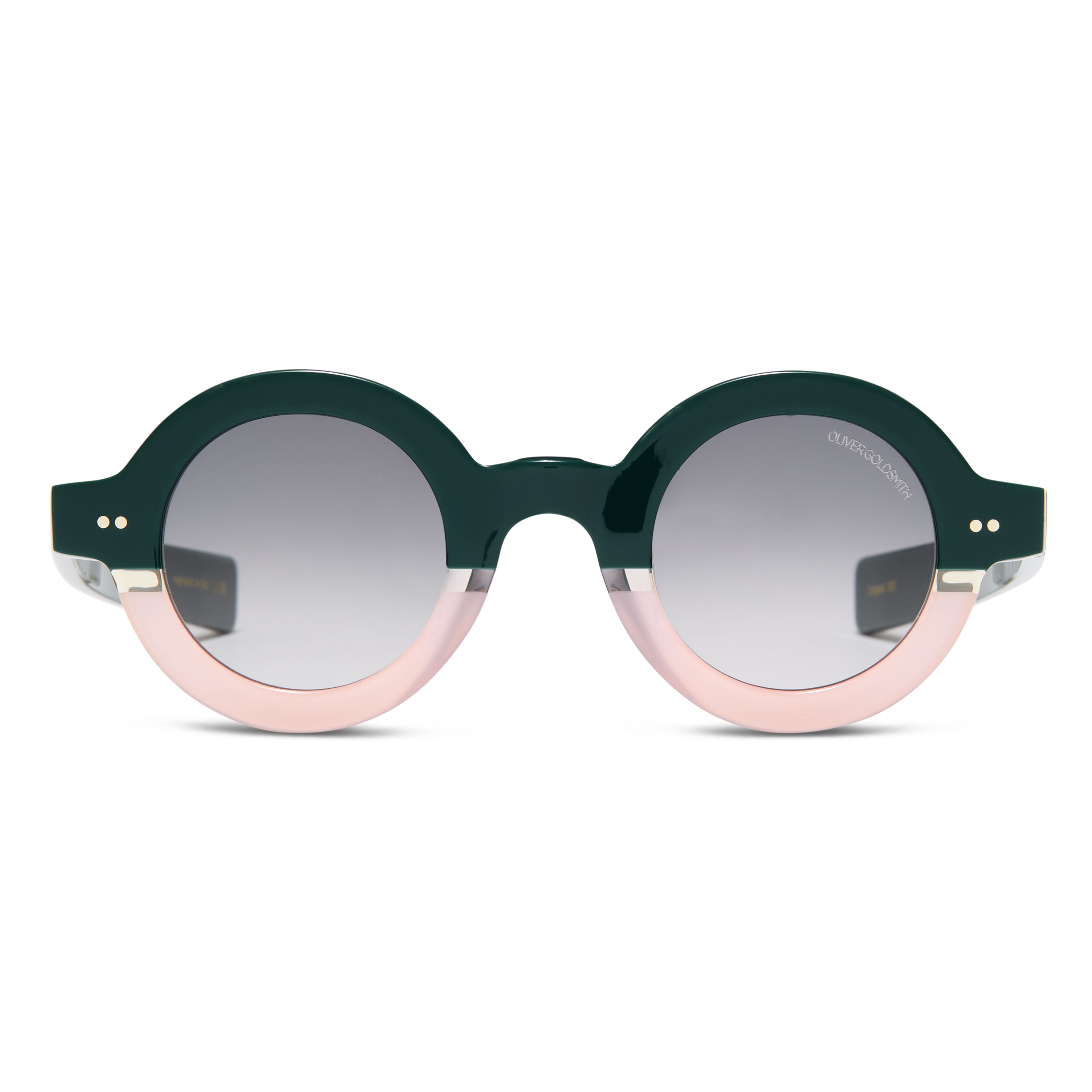
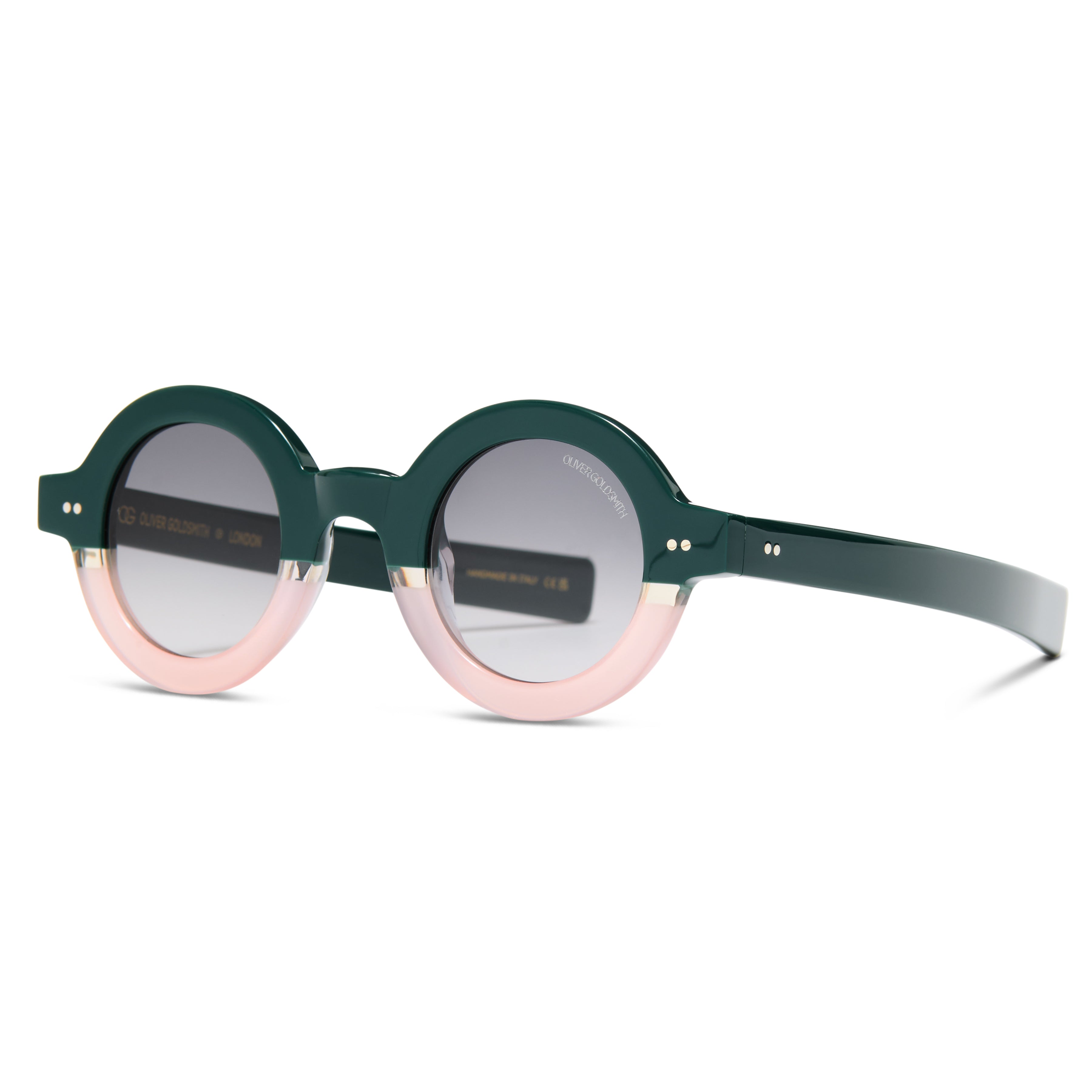
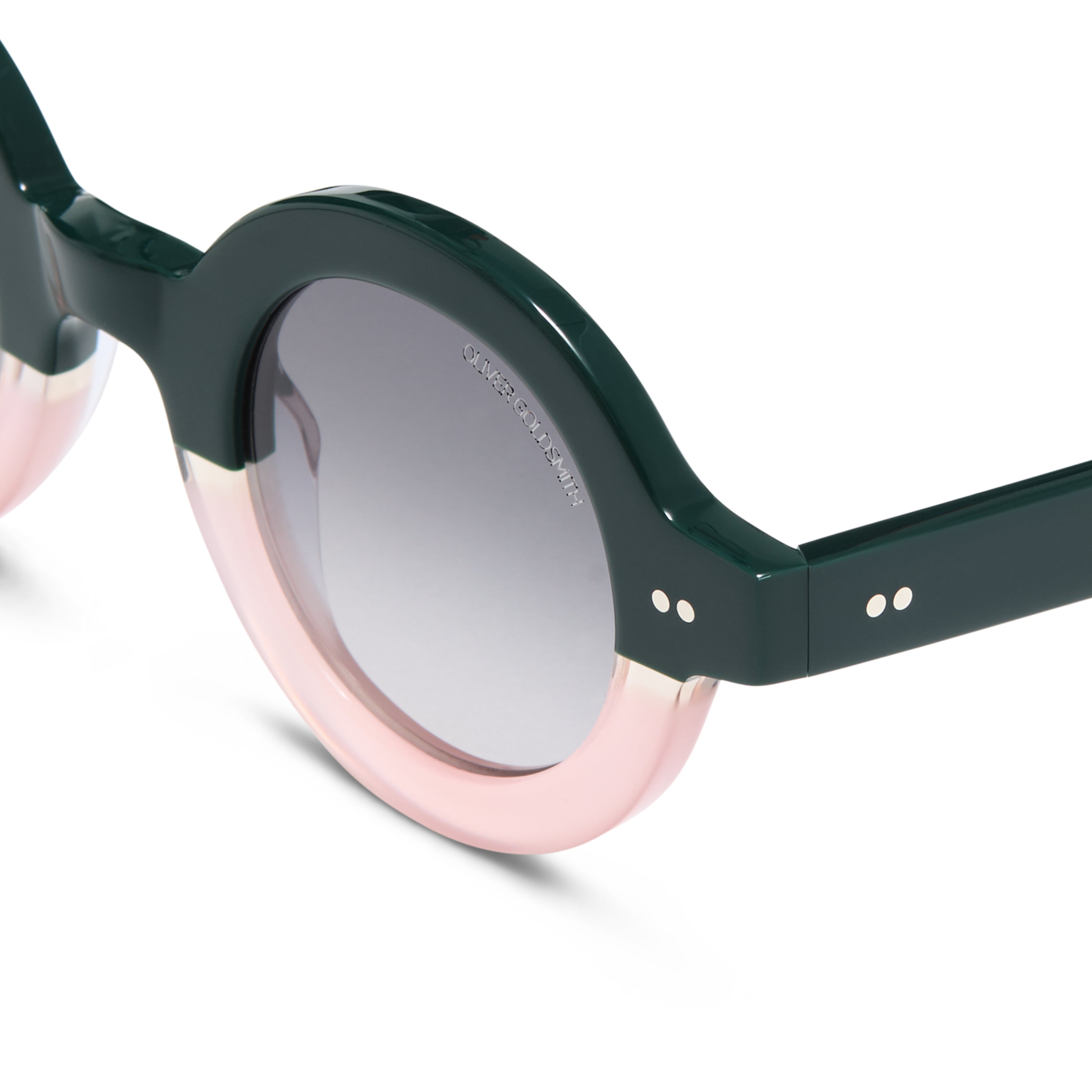
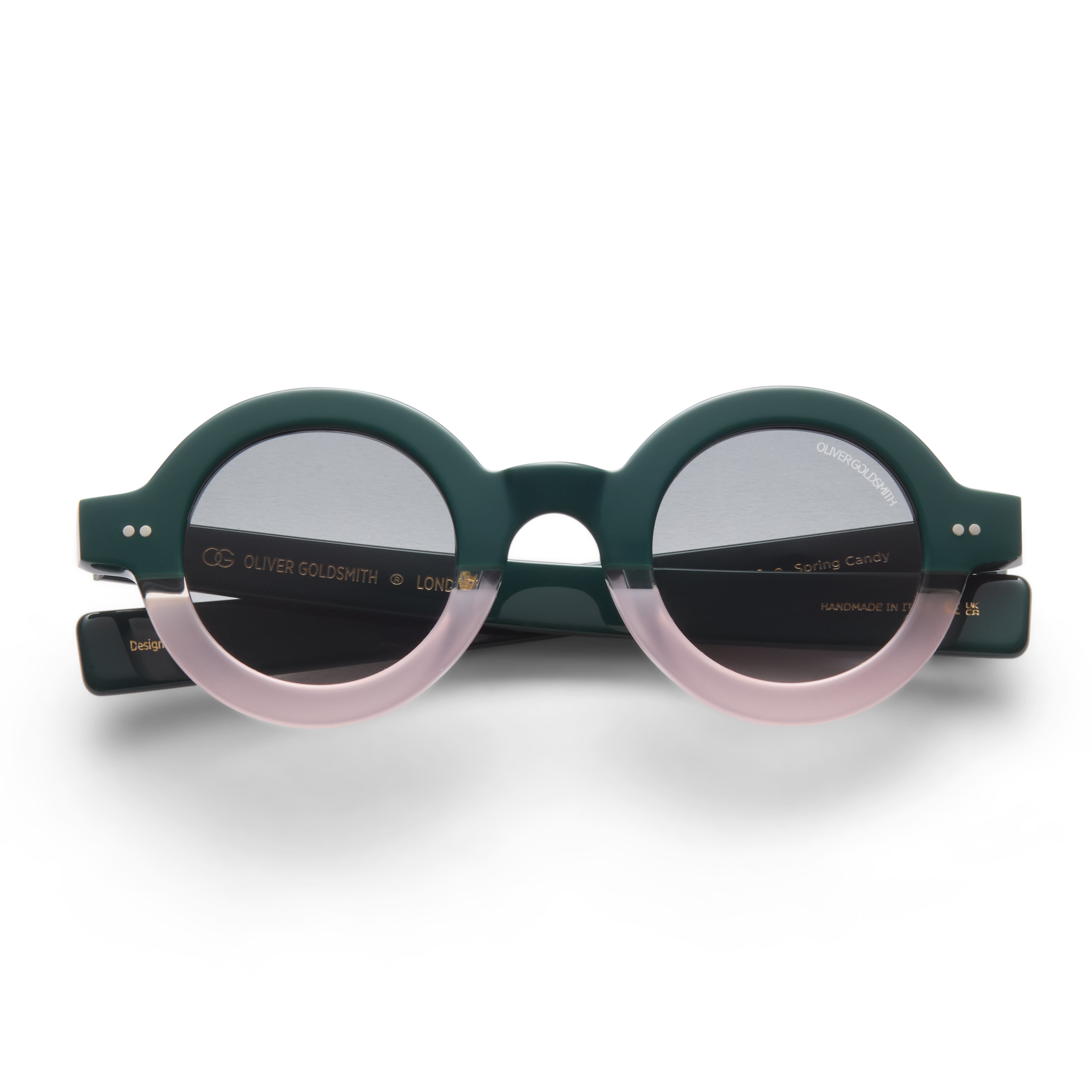
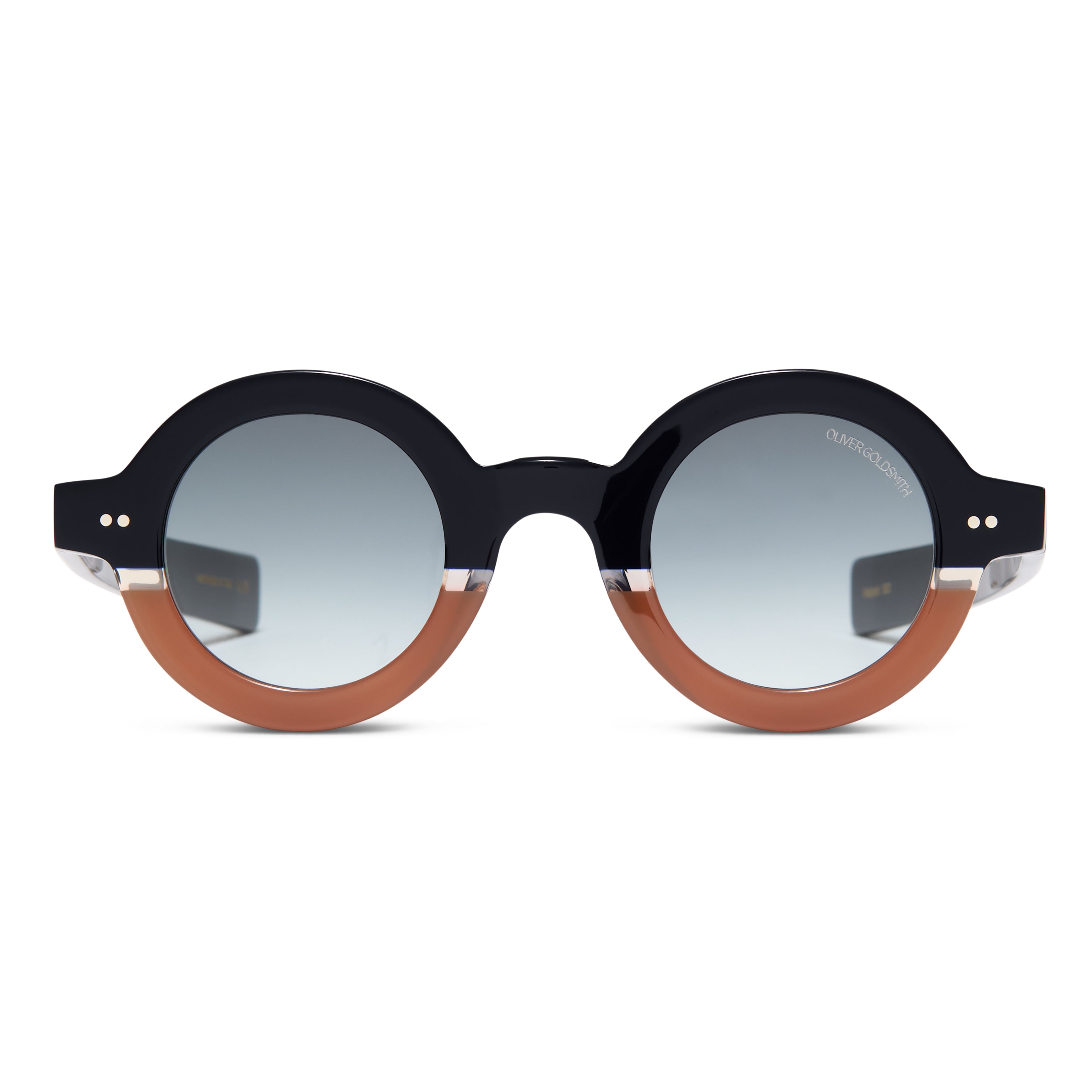
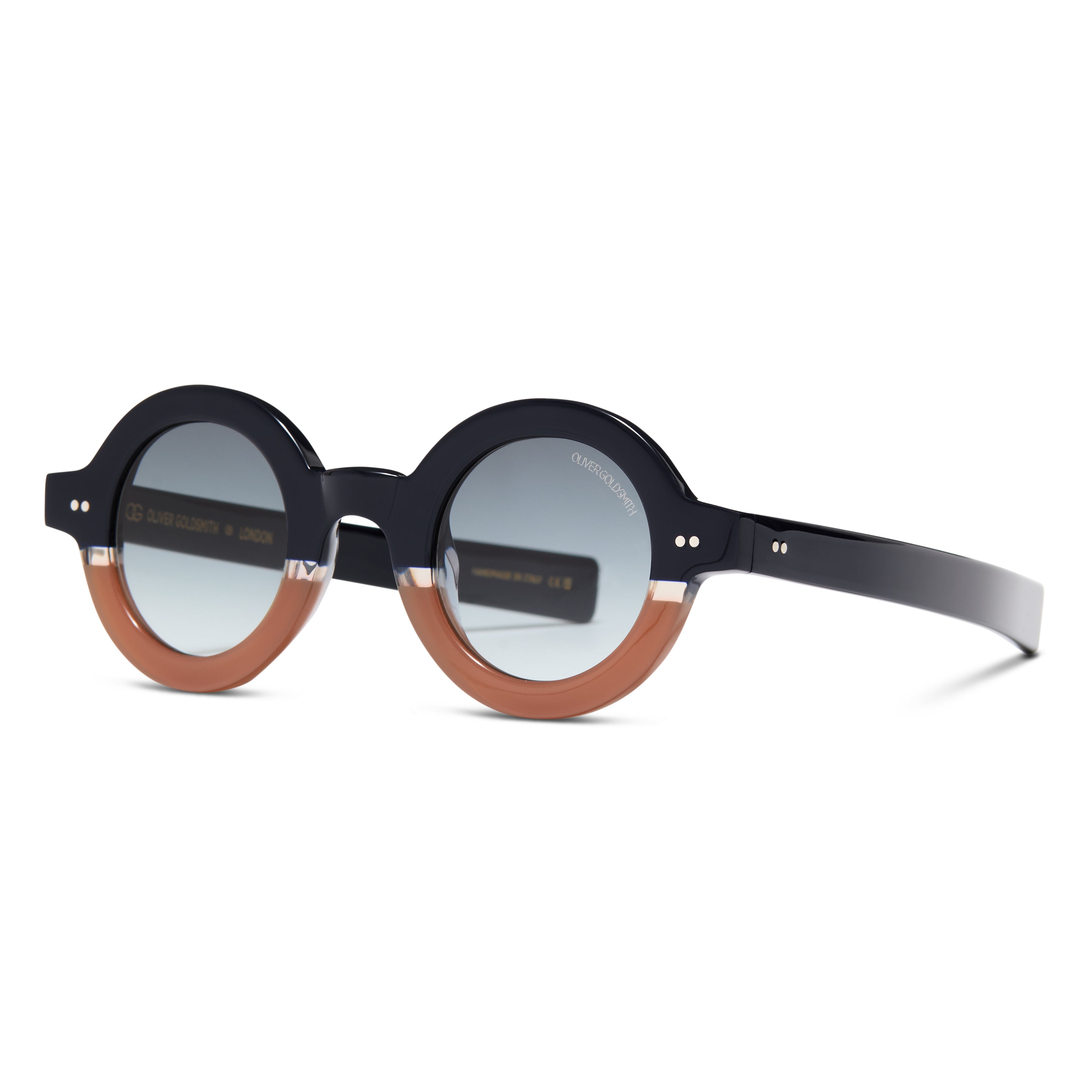
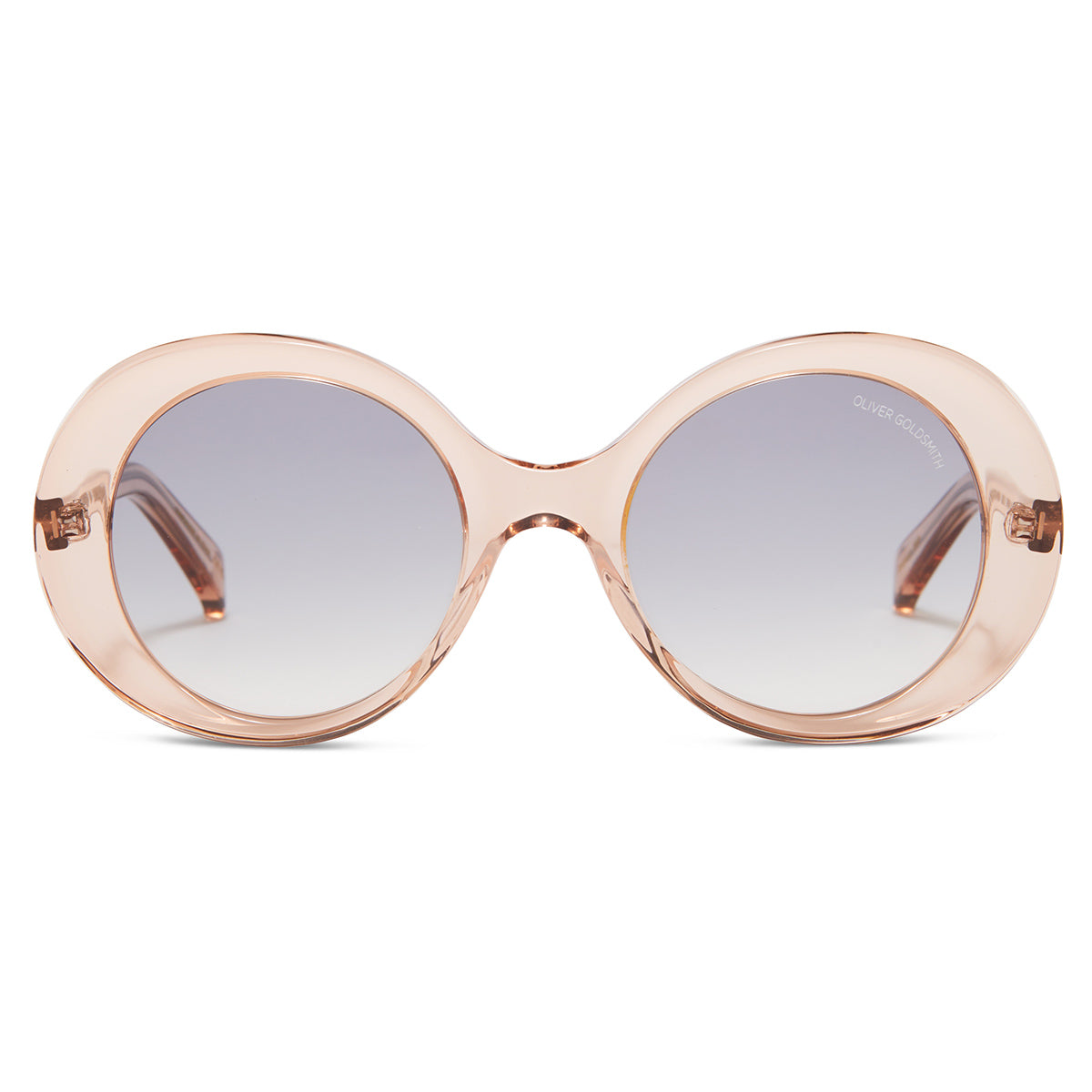
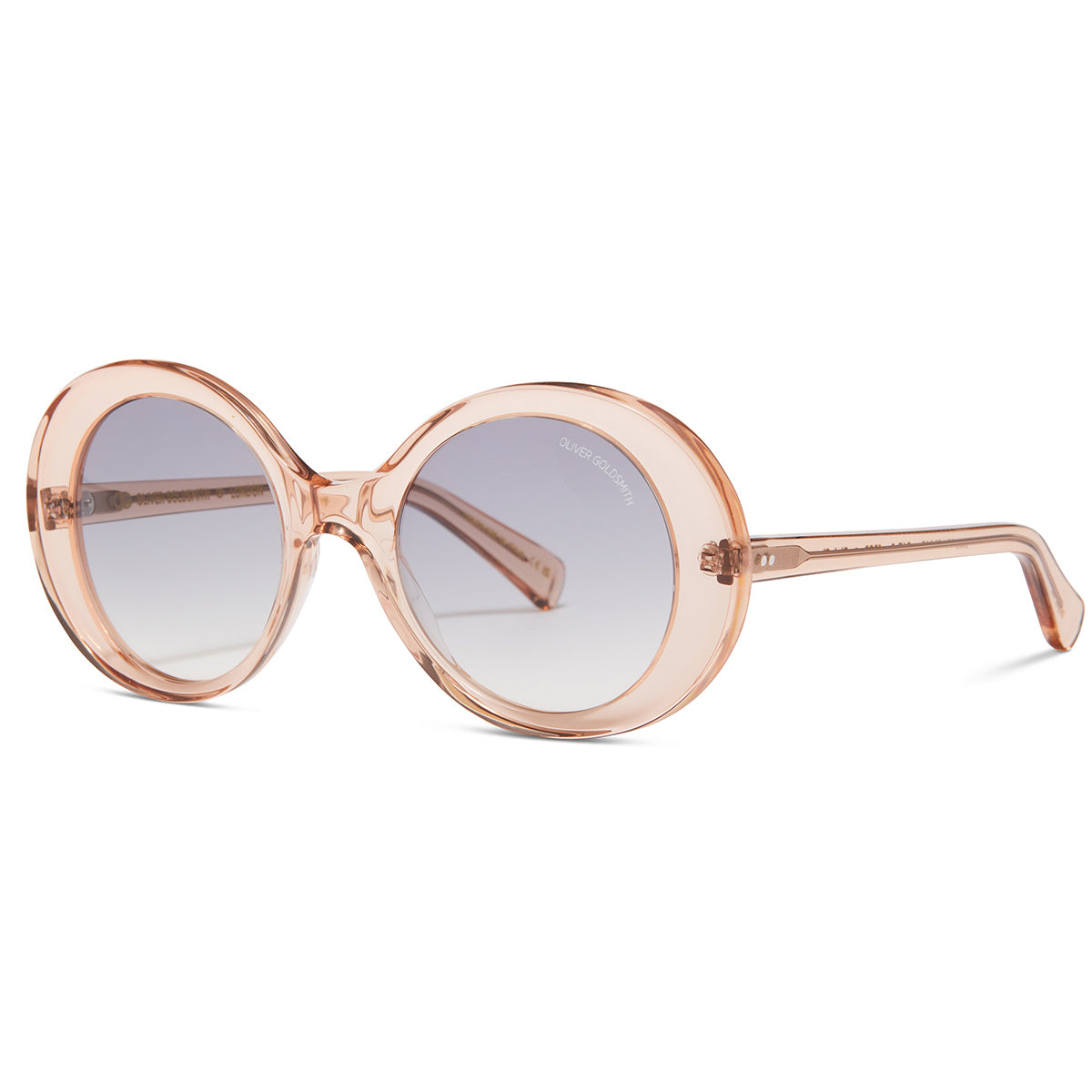
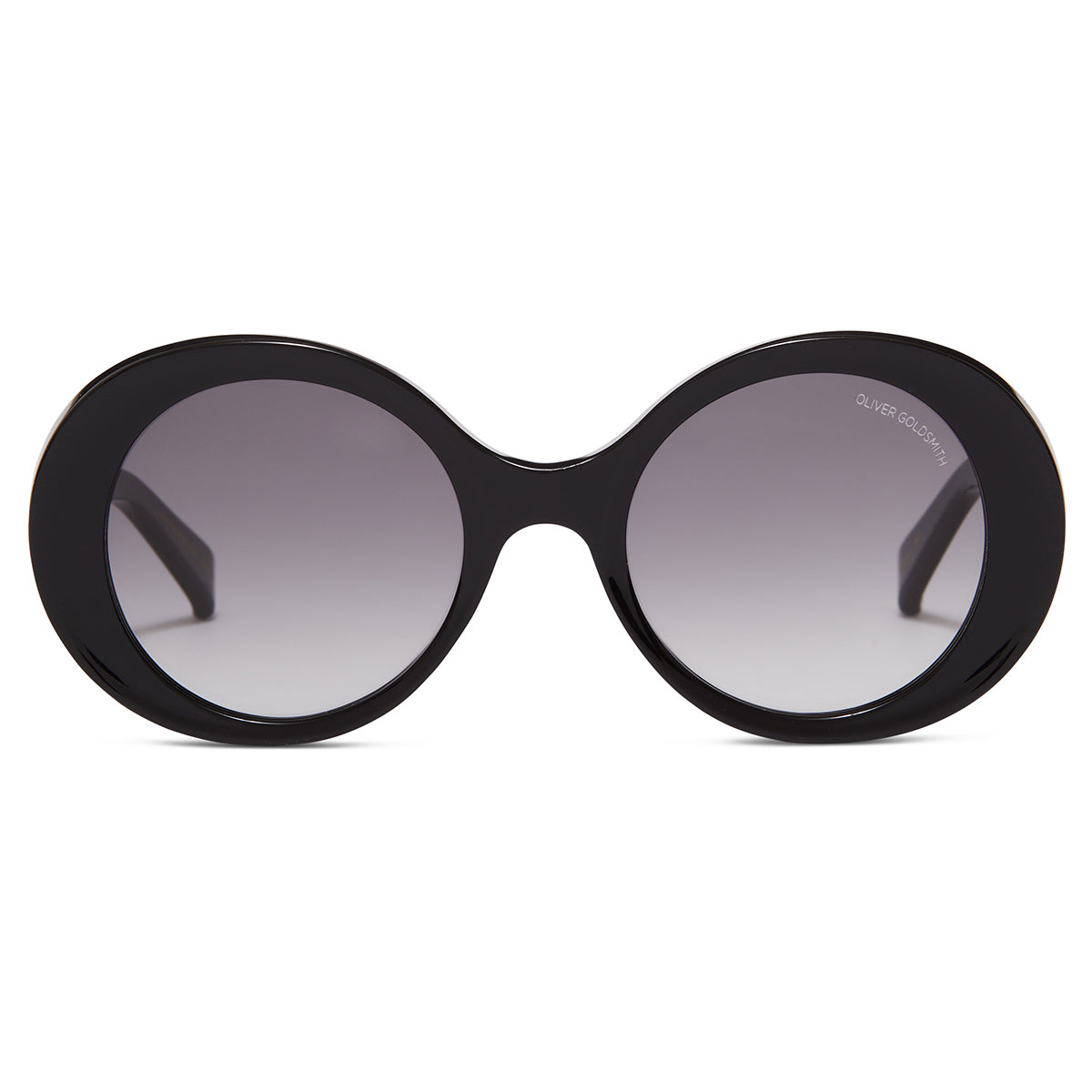
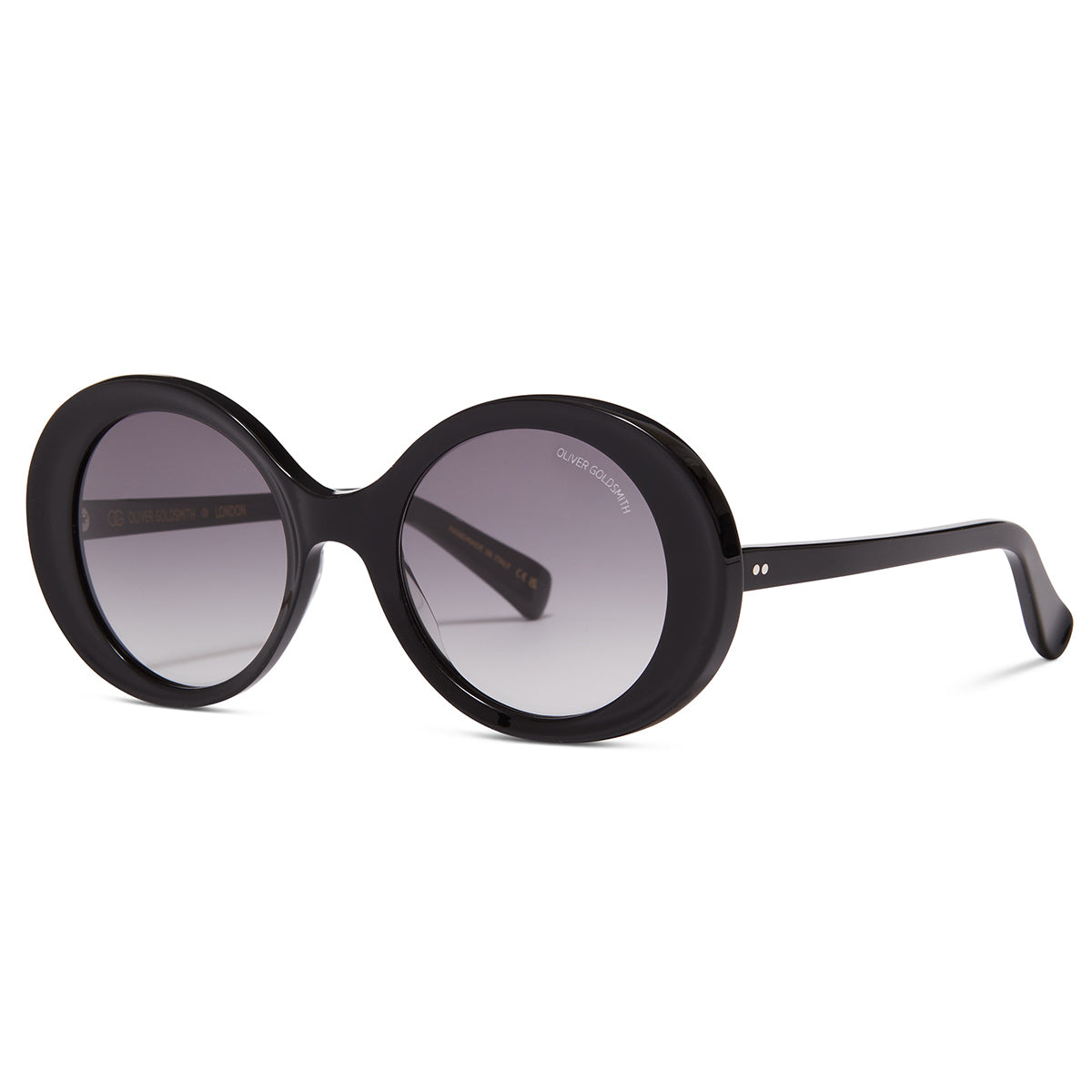
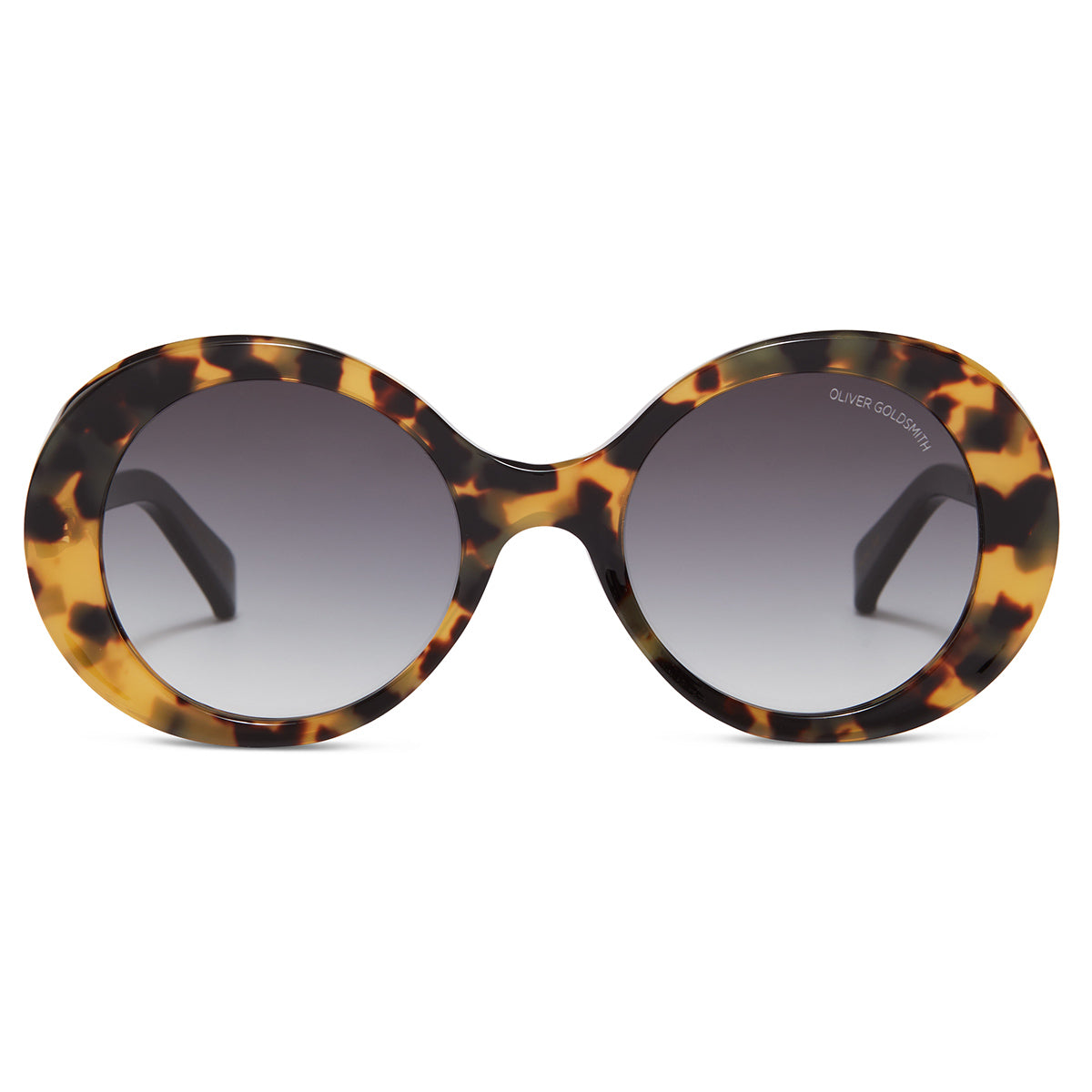
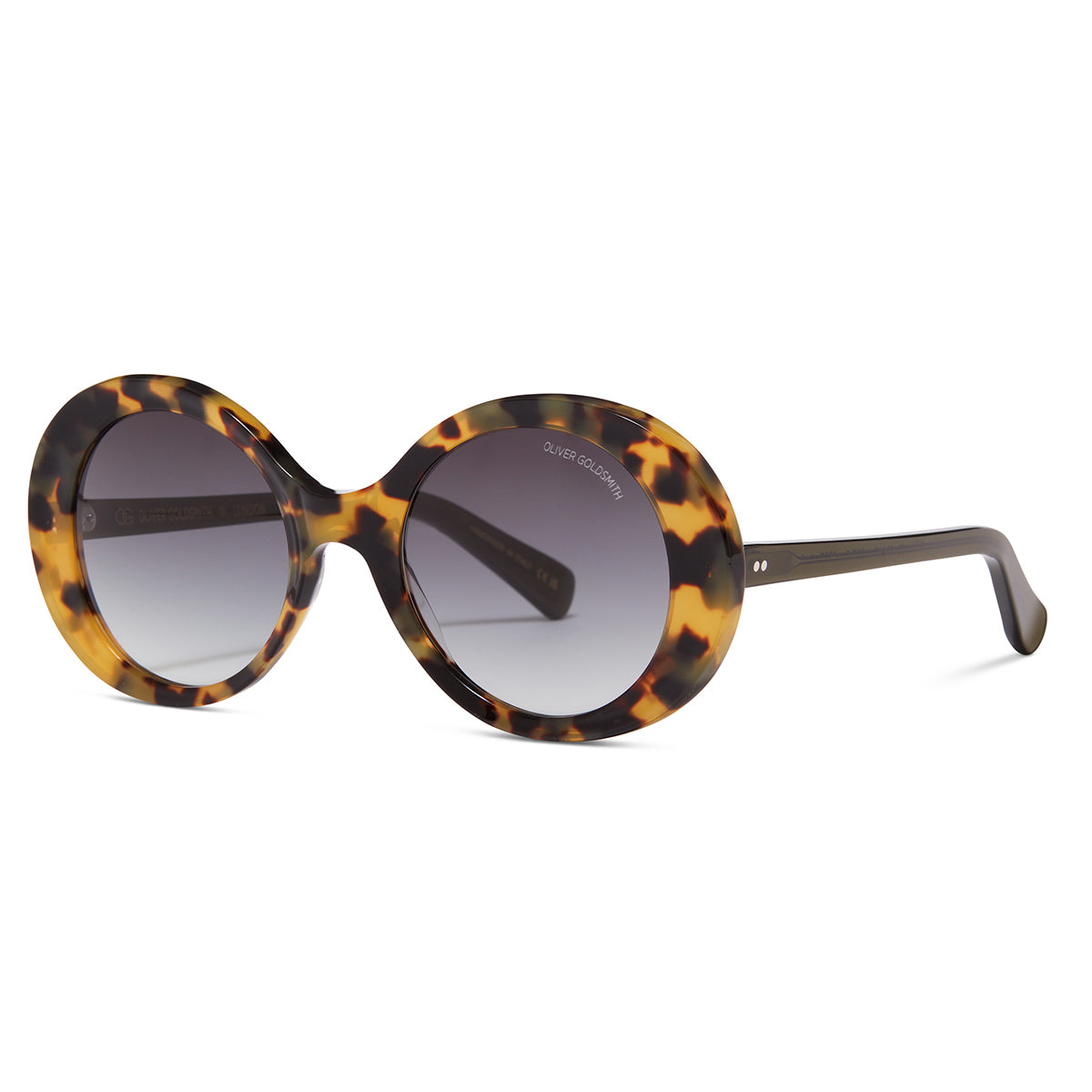
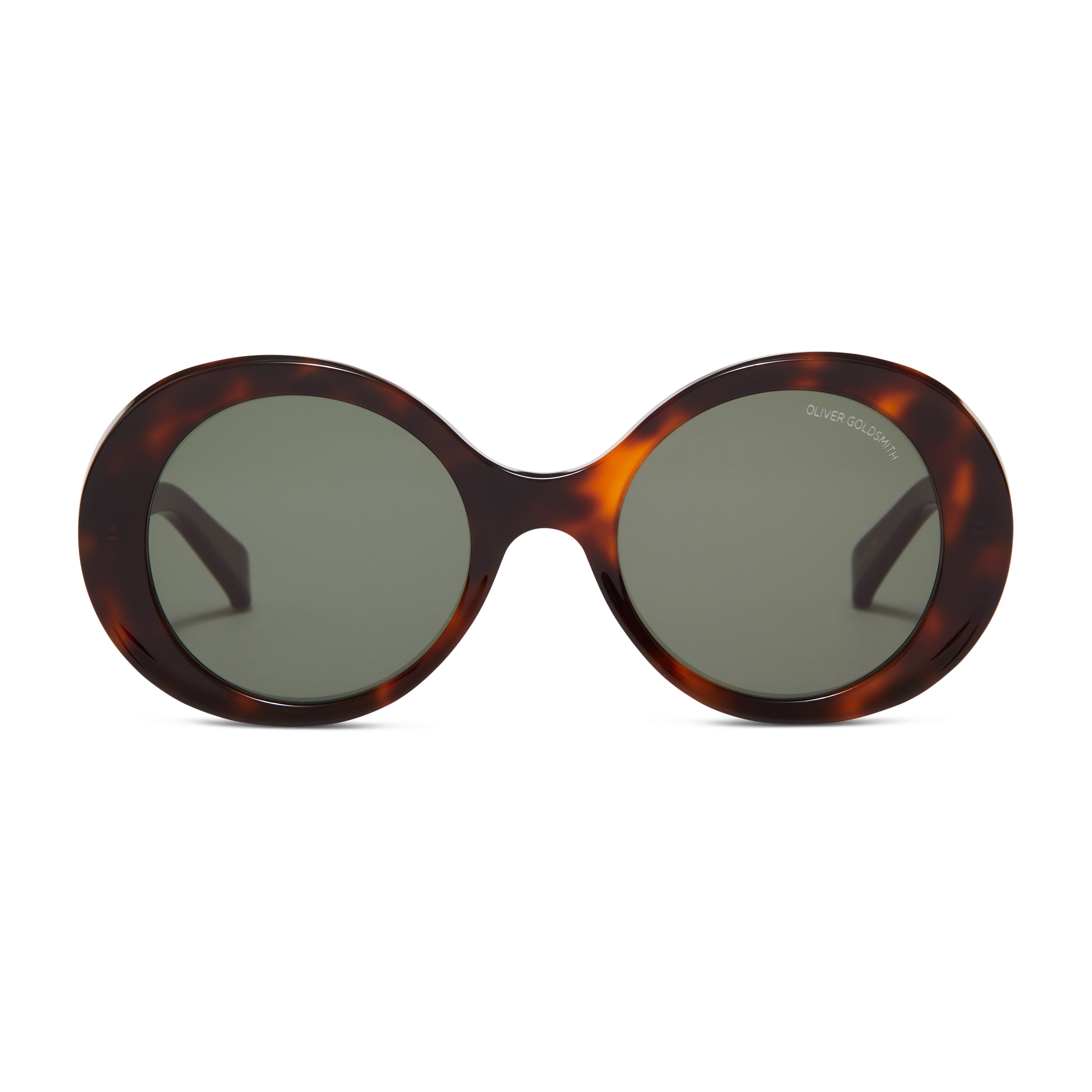
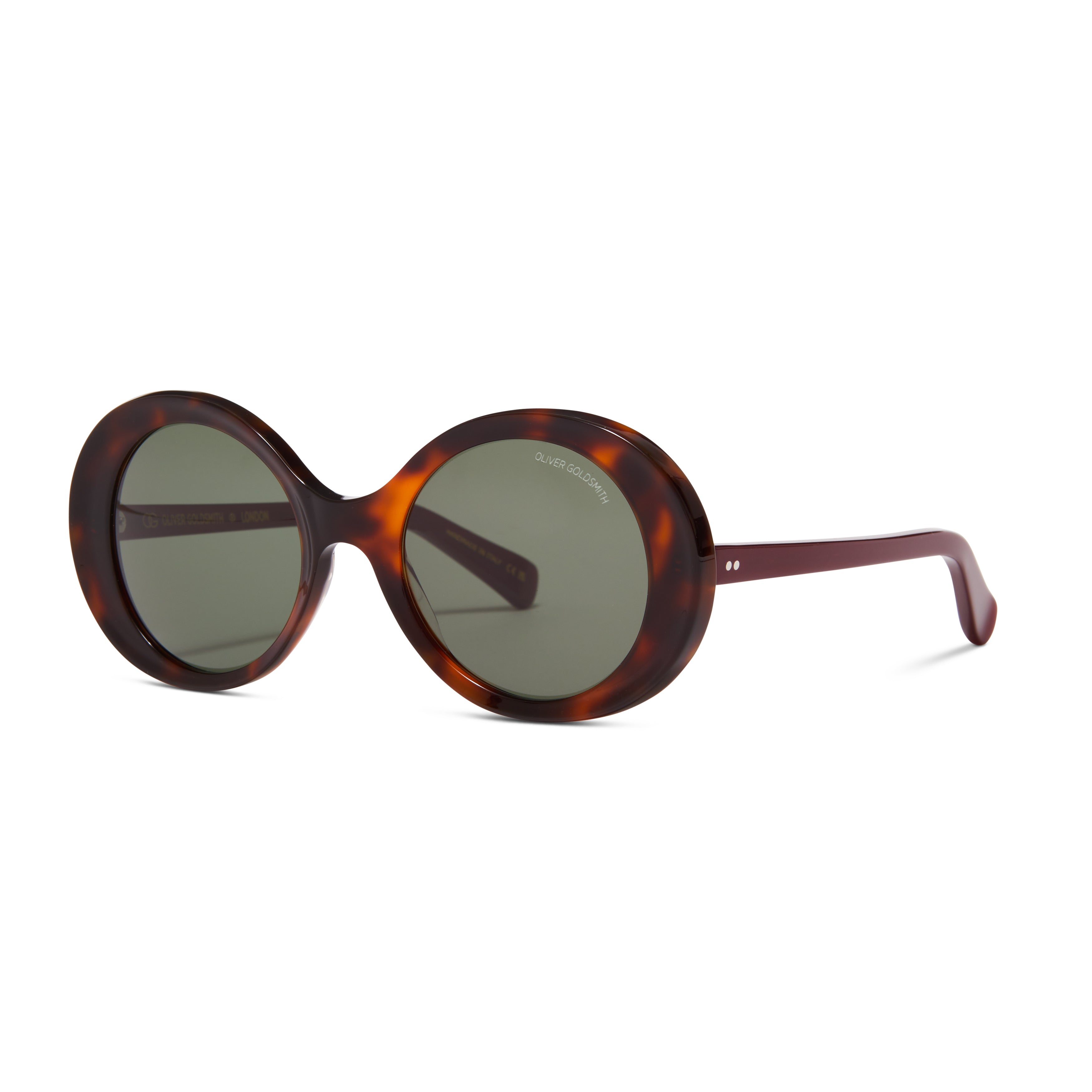
IKONISCHE VINTAGE-SONNENBRILLEN-DESIGNS
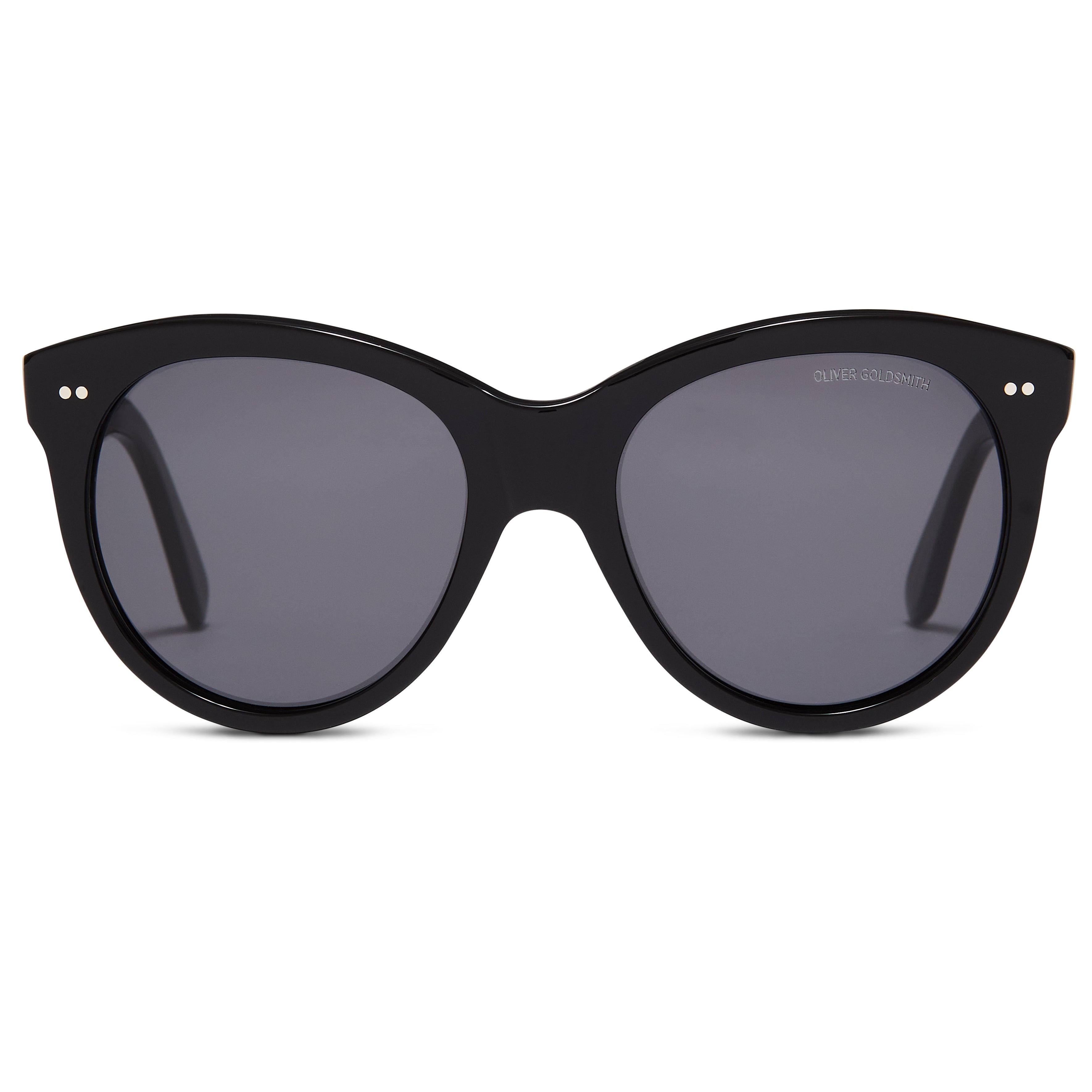
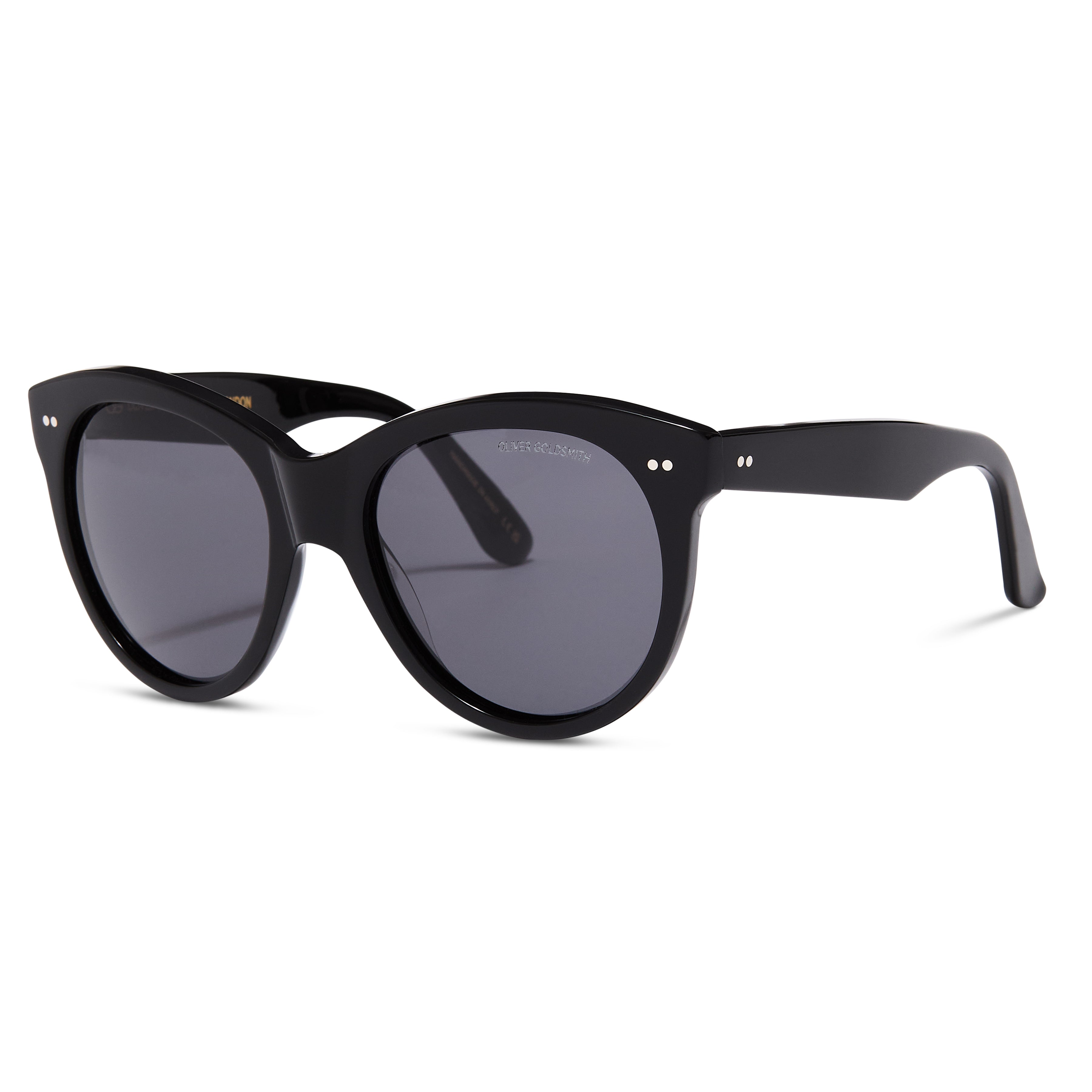
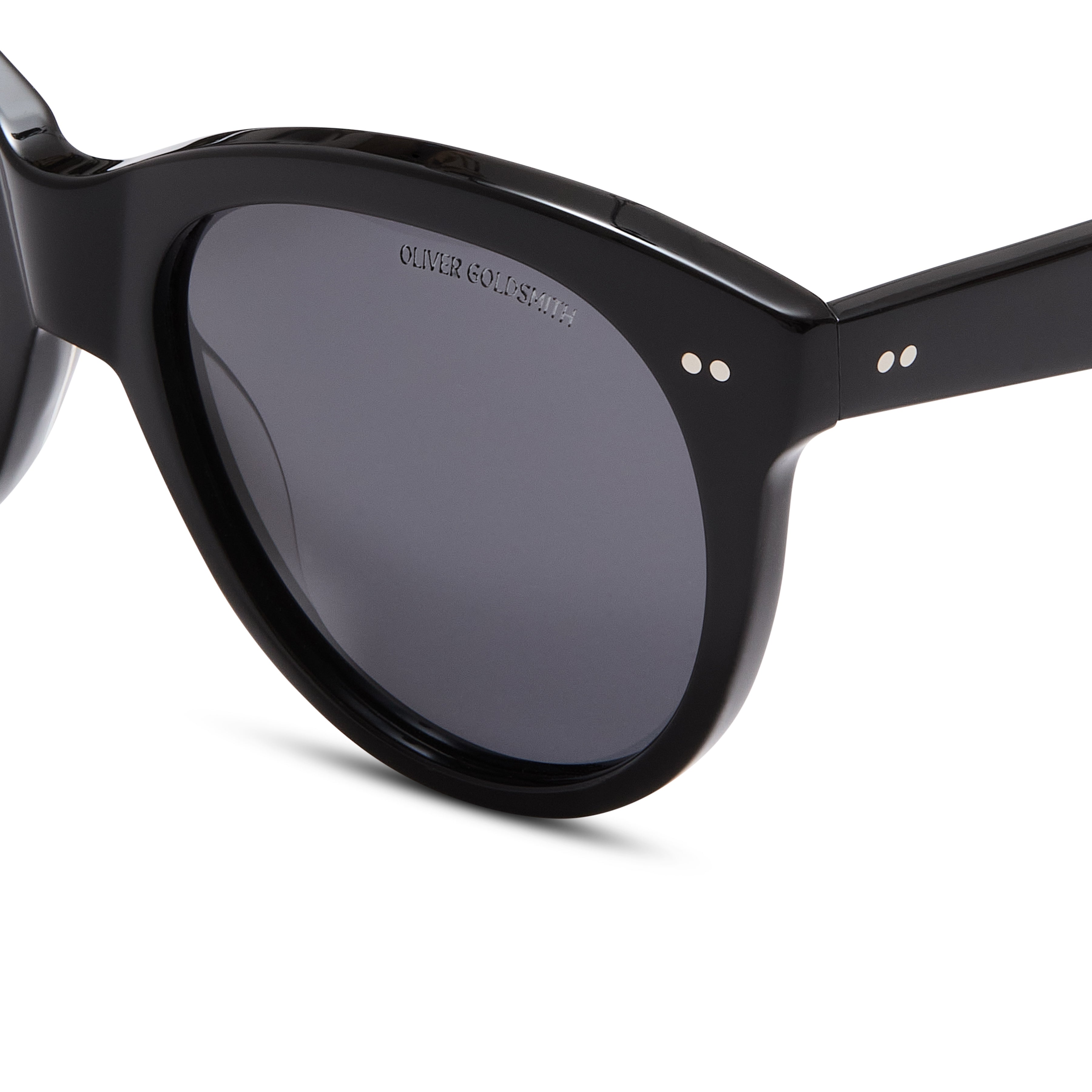
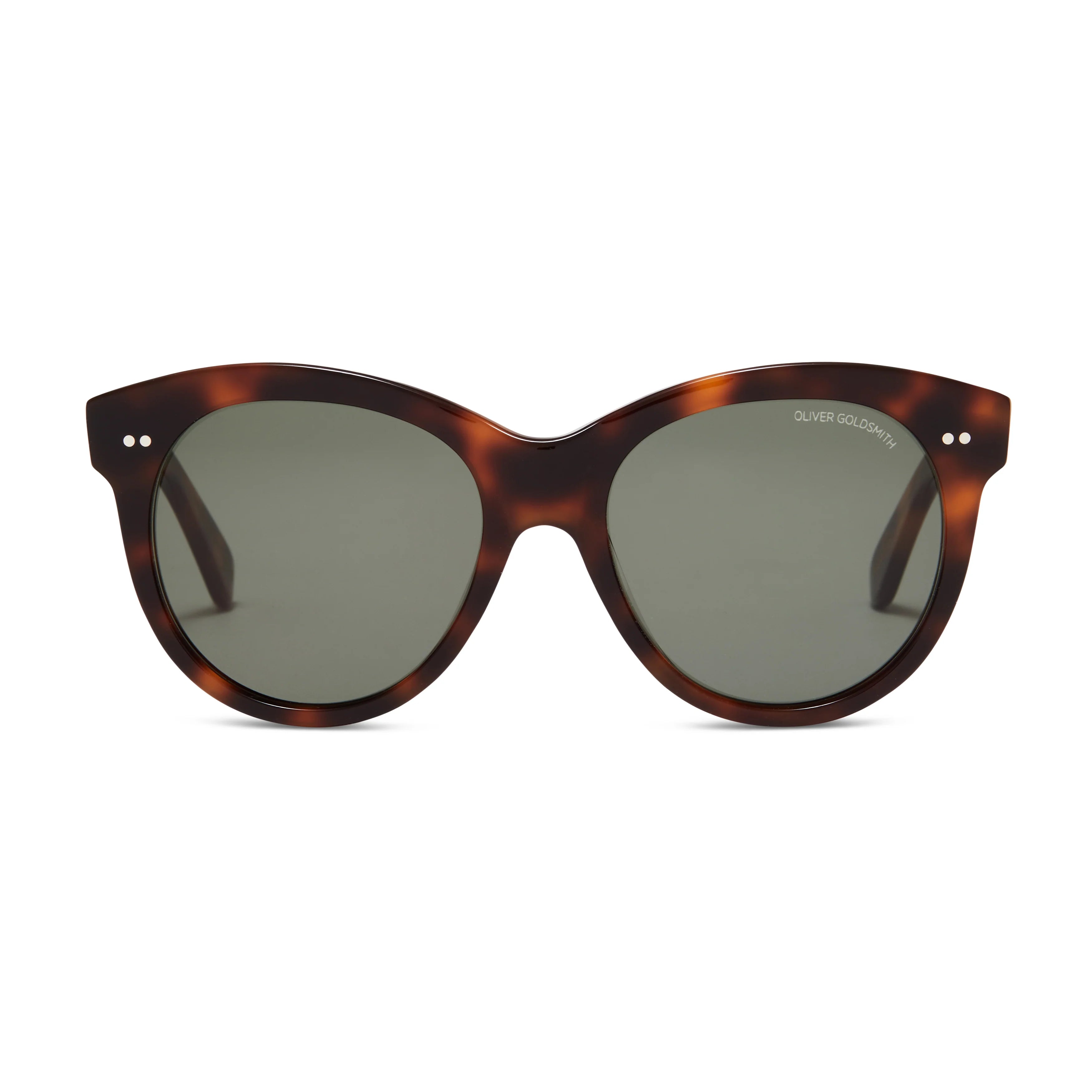
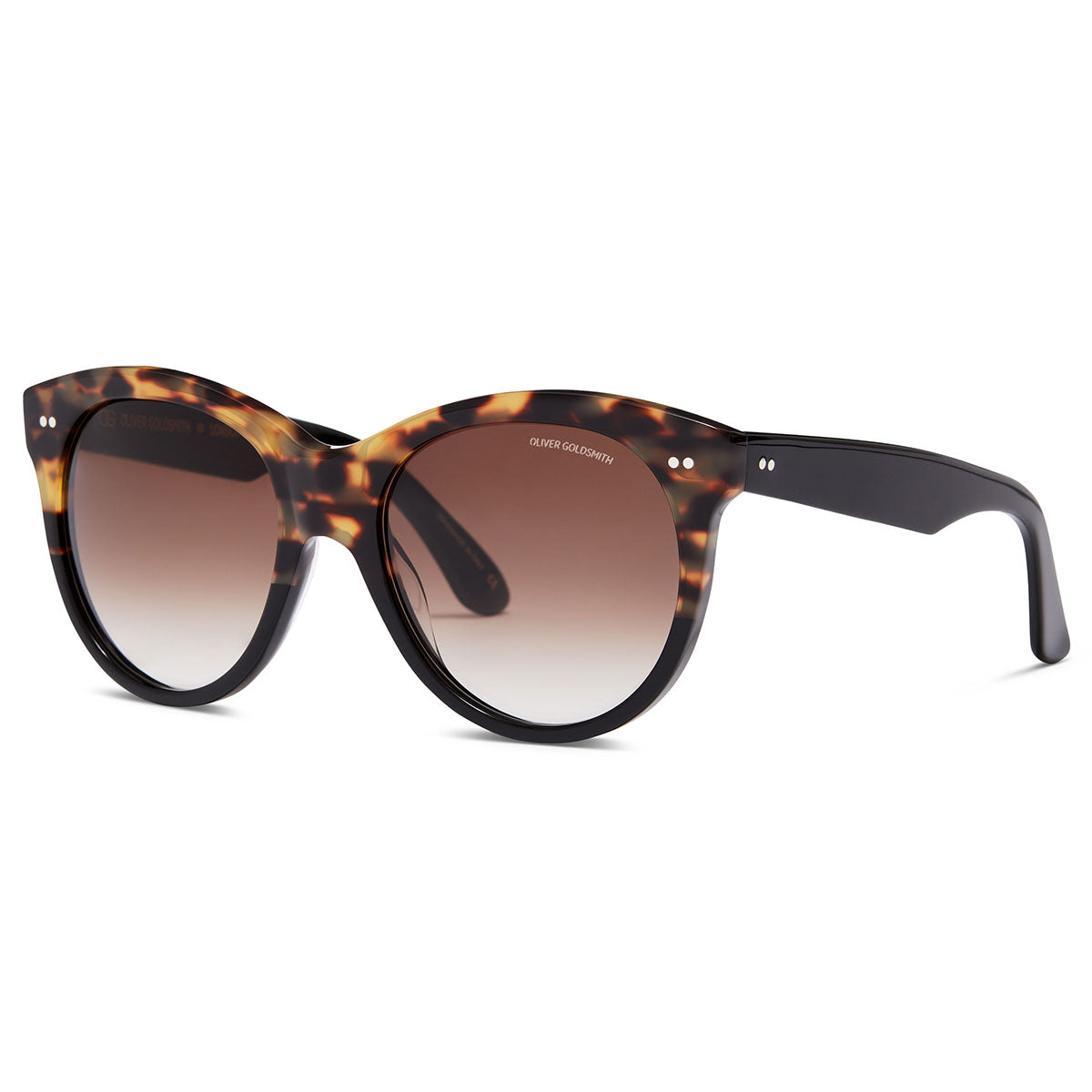
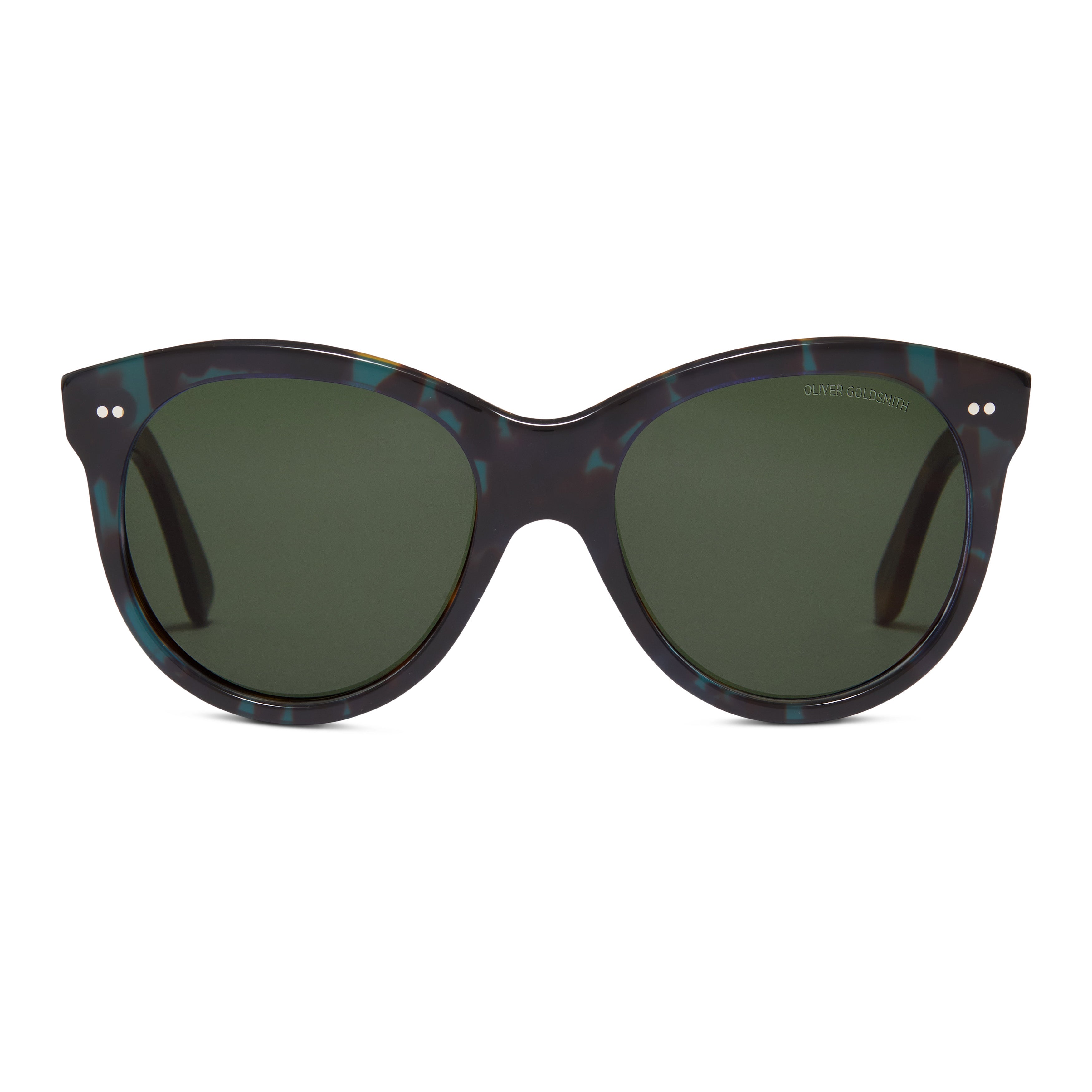
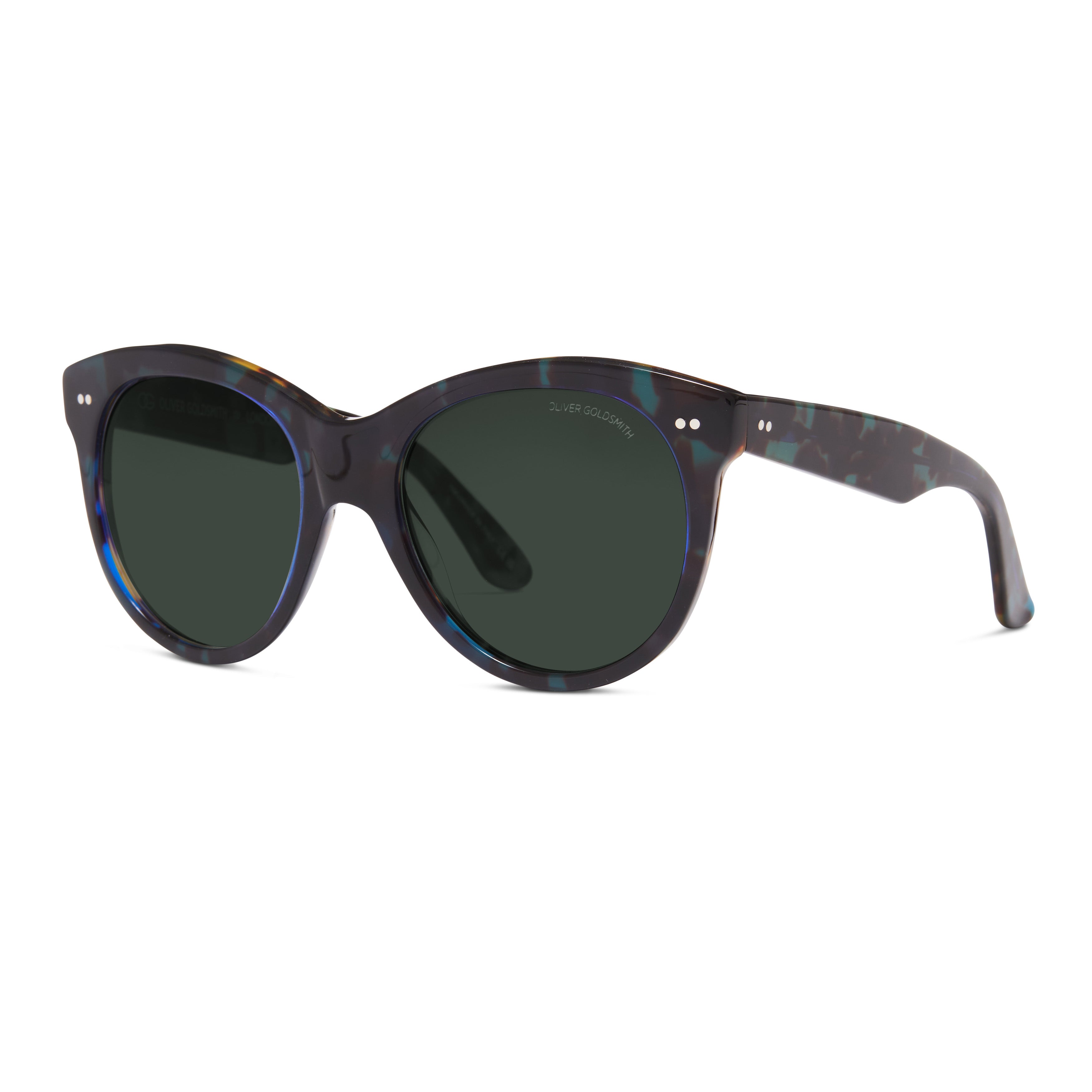
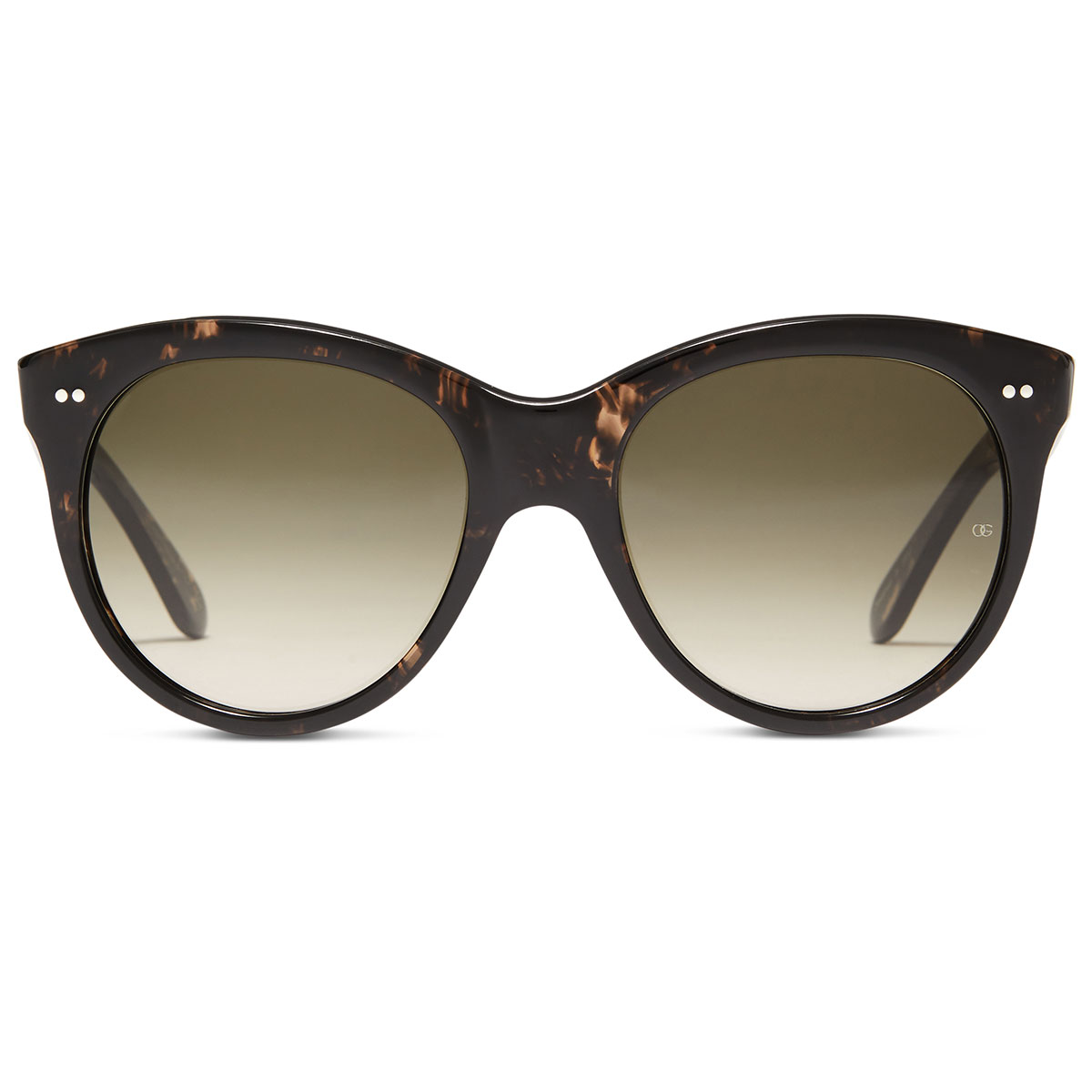
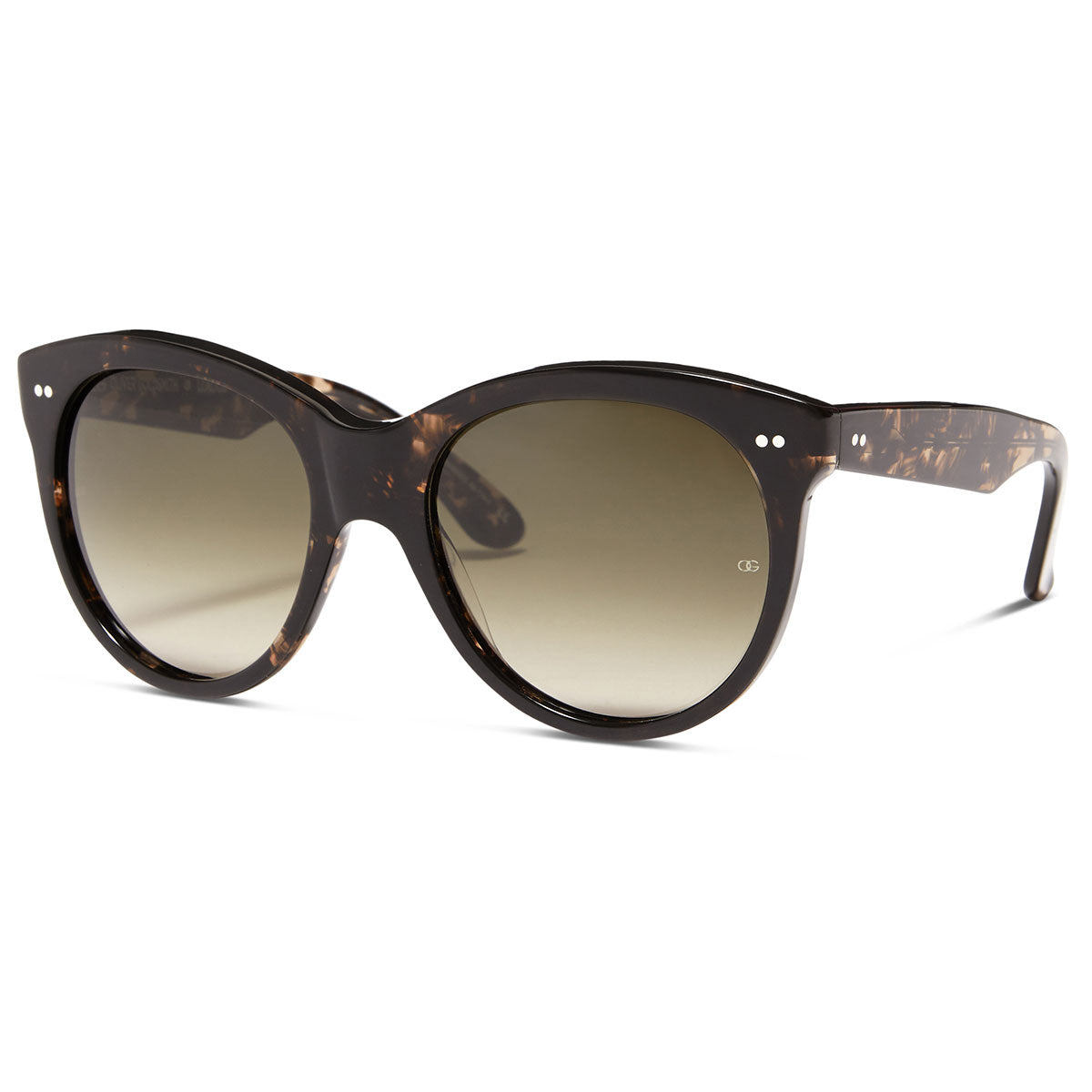
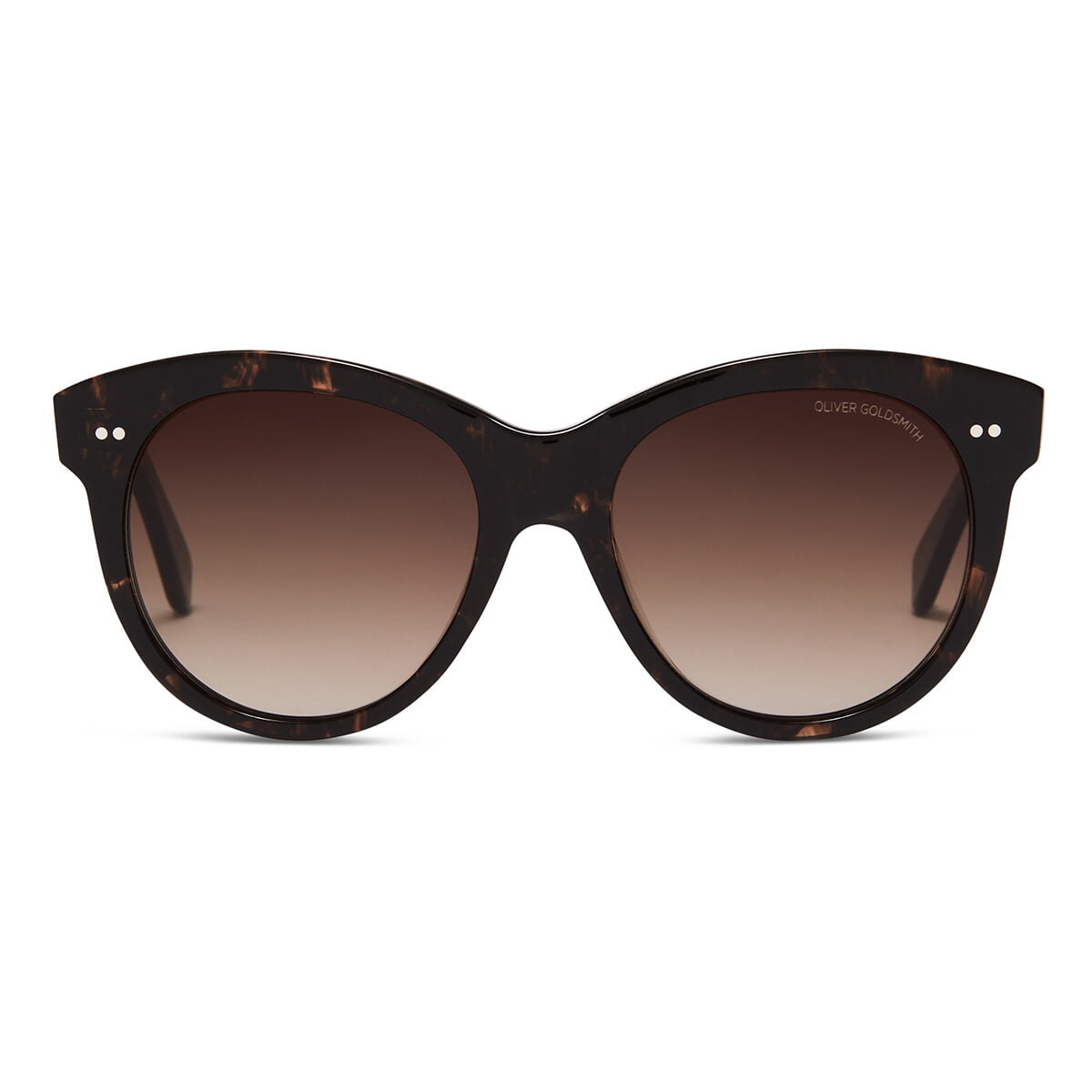
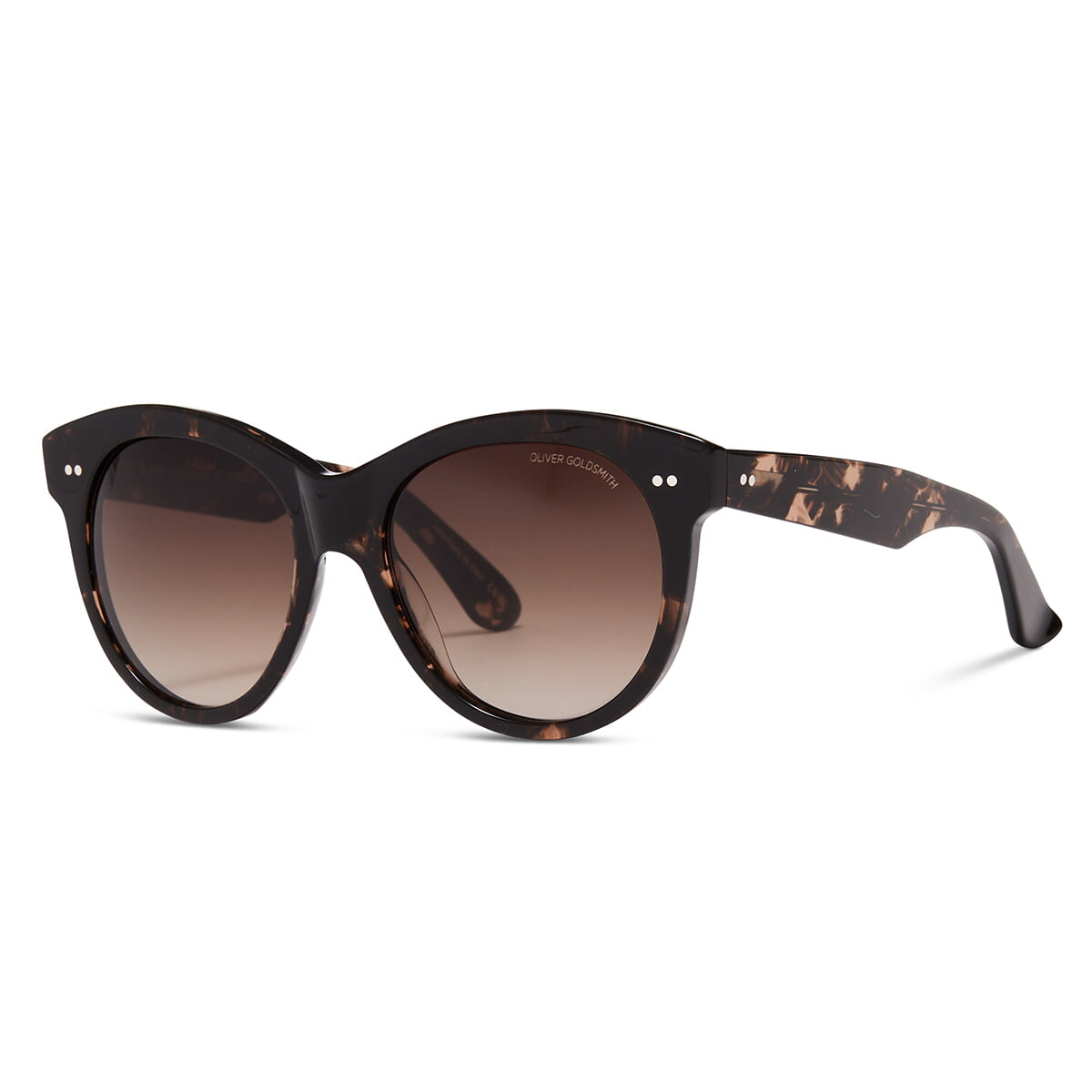
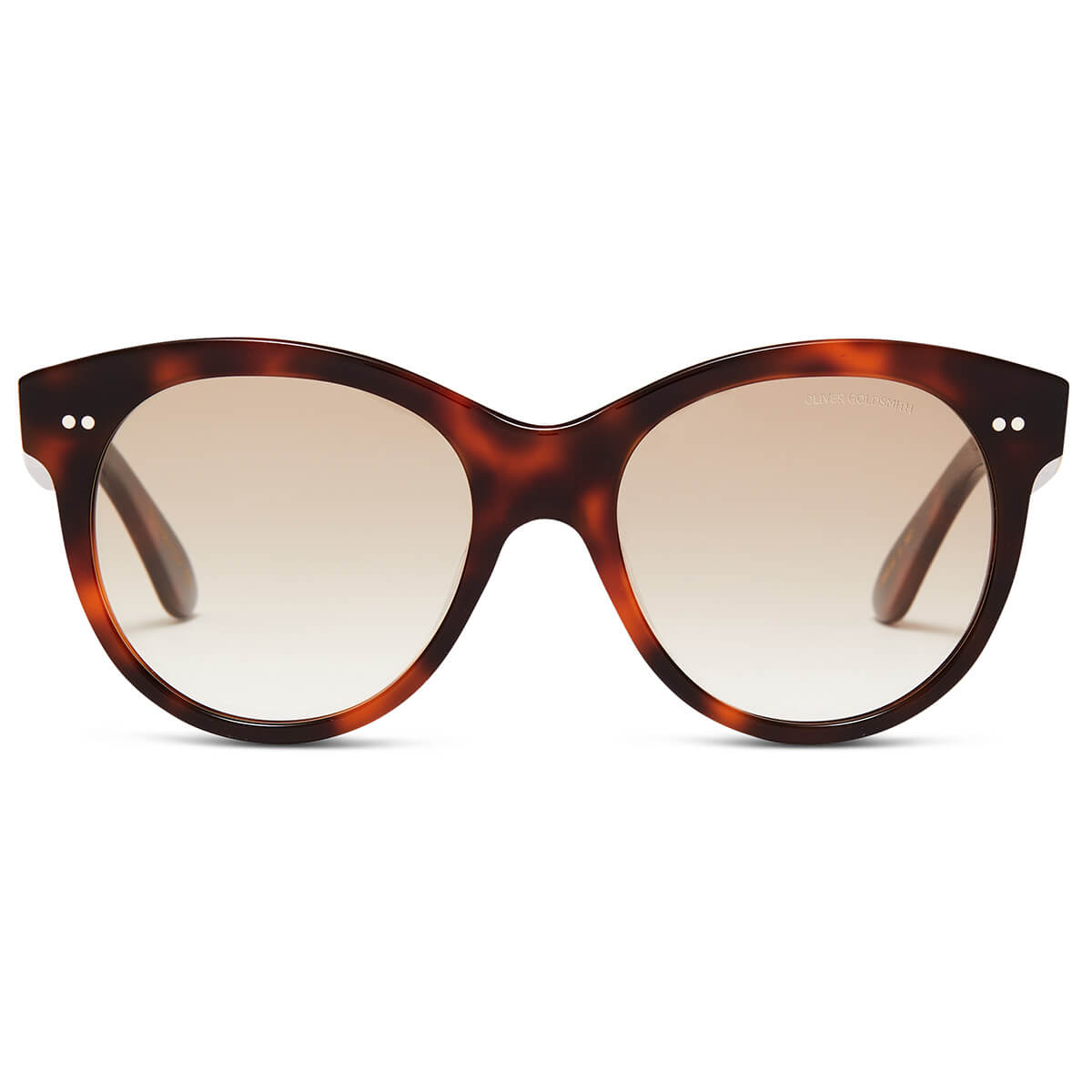
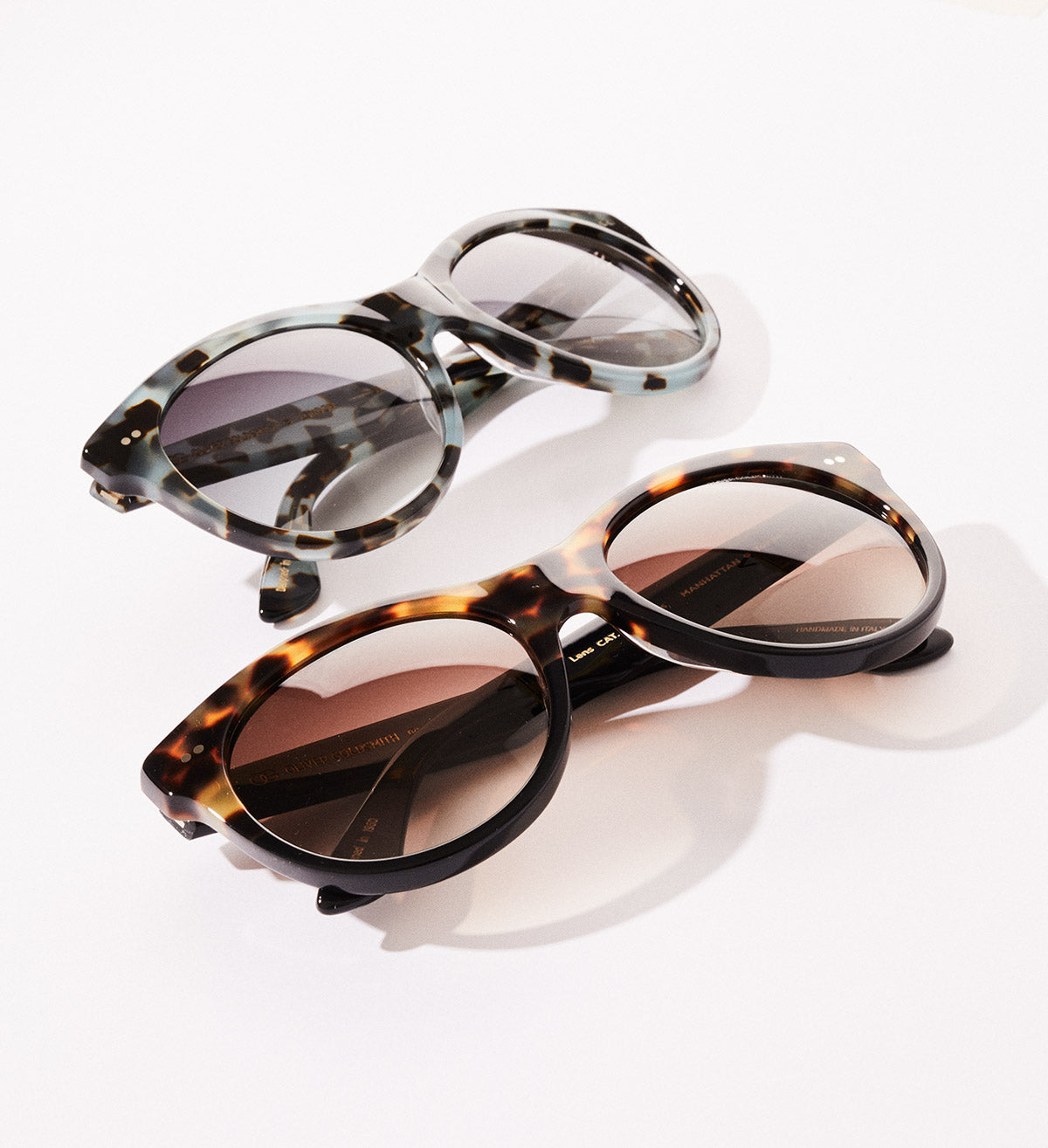
Die Cat-Eye ist eine der beliebtesten Retro-Sonnenbrillen, die von Frauen getragen wird. Seine unverwechselbare Form zeichnet sich durch eine nach oben geschwungene Kurve aus, die der Brauenlinie folgt und dann an den Ecken in einem femininen und stilvollen Schwung elegant angehoben wird. Der Aufstieg dieser Sonnenbrillenform ist nicht nur auf ihre schmeichelhaften Winkel zurückzuführen, sondern auch auf den Aufstieg der Berühmtheit und der Leinwand. Filmikonen wie Marylin Monroe und Audrey Hepburn wurden in ihren Filmen mit Cat-Eye-Fassungen gesehen, was eine Aufregung auslöste und die Cat-Eye als eine der kultigsten Brillenformen aller Zeiten zementierte. Tatsächlich war Oliver Goldsmith einer der beliebtesten Brillendesigner von Audrey Hepburn, wobei die Schauspielerin seine Entwürfe in vielen ihrer Filme trug, darunter die Yuhu in „Two for the Road“, die Manhattan in „Frühstück bei Tiffany“ und die Hep in Farce.
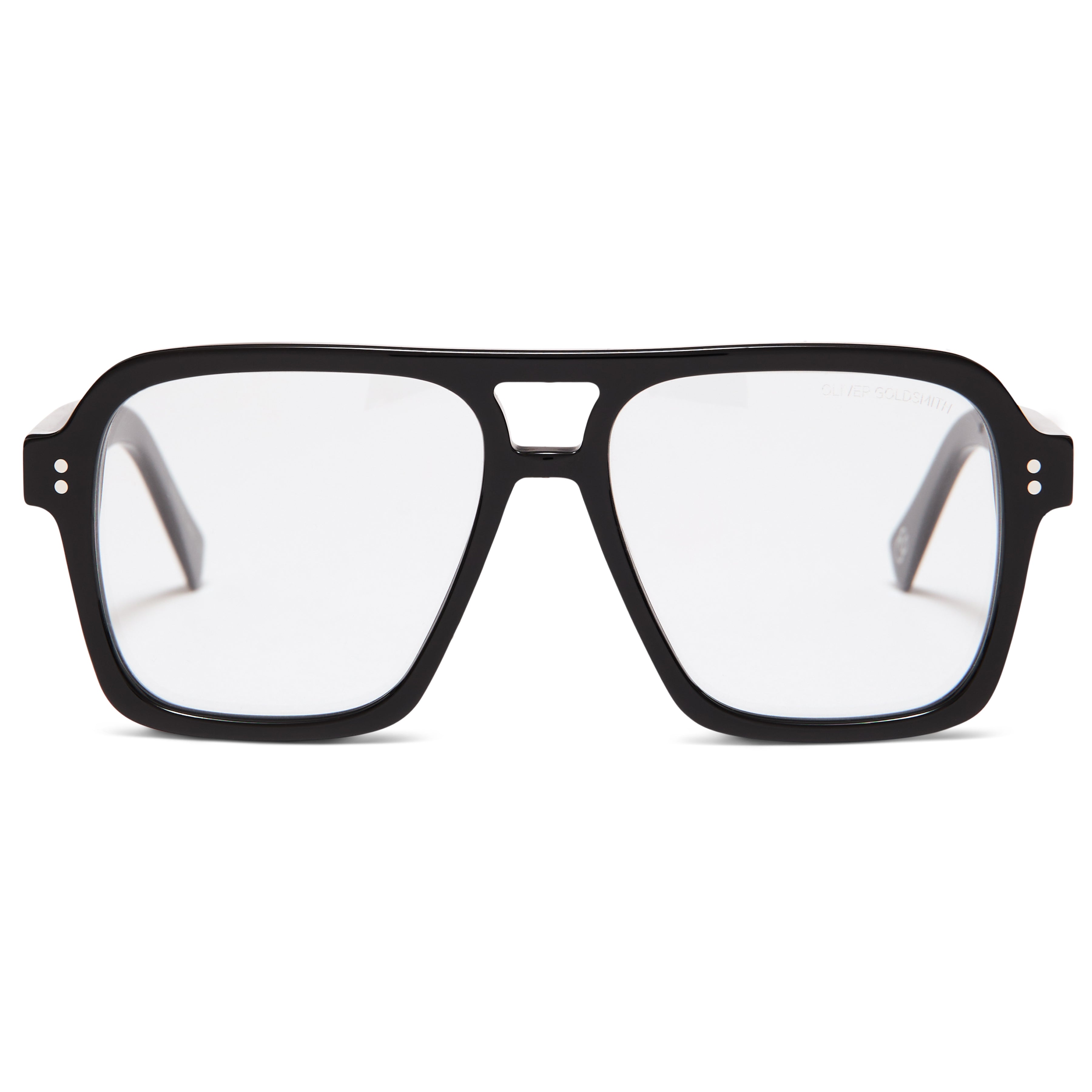
Die Aviator ist eine Vintage-Sonnenbrillenform, die relativ unverändert bleibt. Ursprünglich von Bausch und Lomb in den 1930er Jahren für Piloten entworfen, war es eine willkommene Alternative zu den Pelzbrillen, an die sie gewöhnt waren. Die speziell für die Luftfahrt entwickelte Aviator war dünner, leichter und angenehmer zu tragen. Die klassische Tropfenform verlief entlang der Wangenlinie, schützte die Augen vor Blendung durch die Sonne und unterstützte die Sichtbarkeit in der Höhe. Trotz ihrer nützlichen Funktionalität wurde die Pilotenbrille von der Modeindustrie erobert und war in den 1940er Jahren zu einem der beliebtesten Sonnenbrillenstile für Herren geworden.
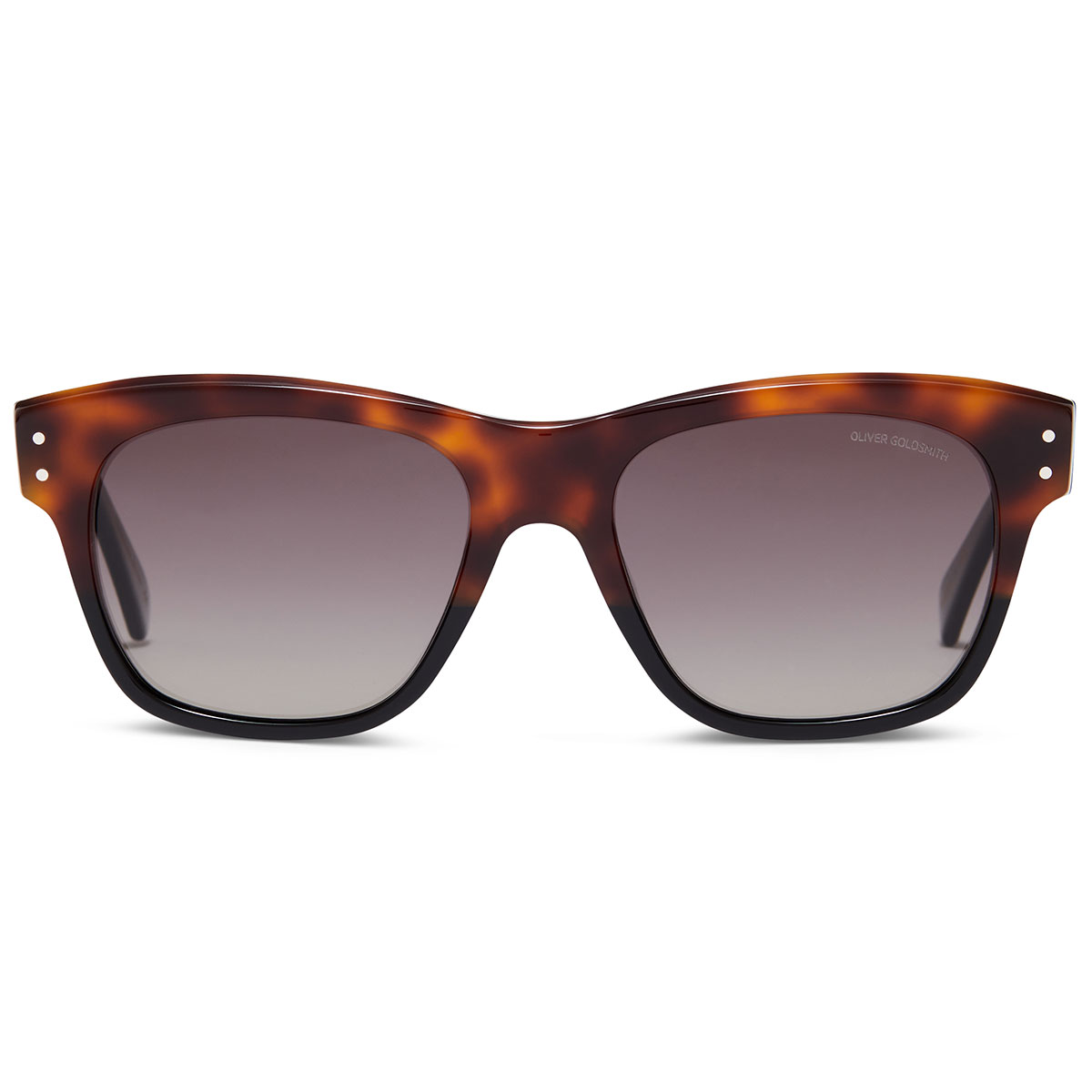
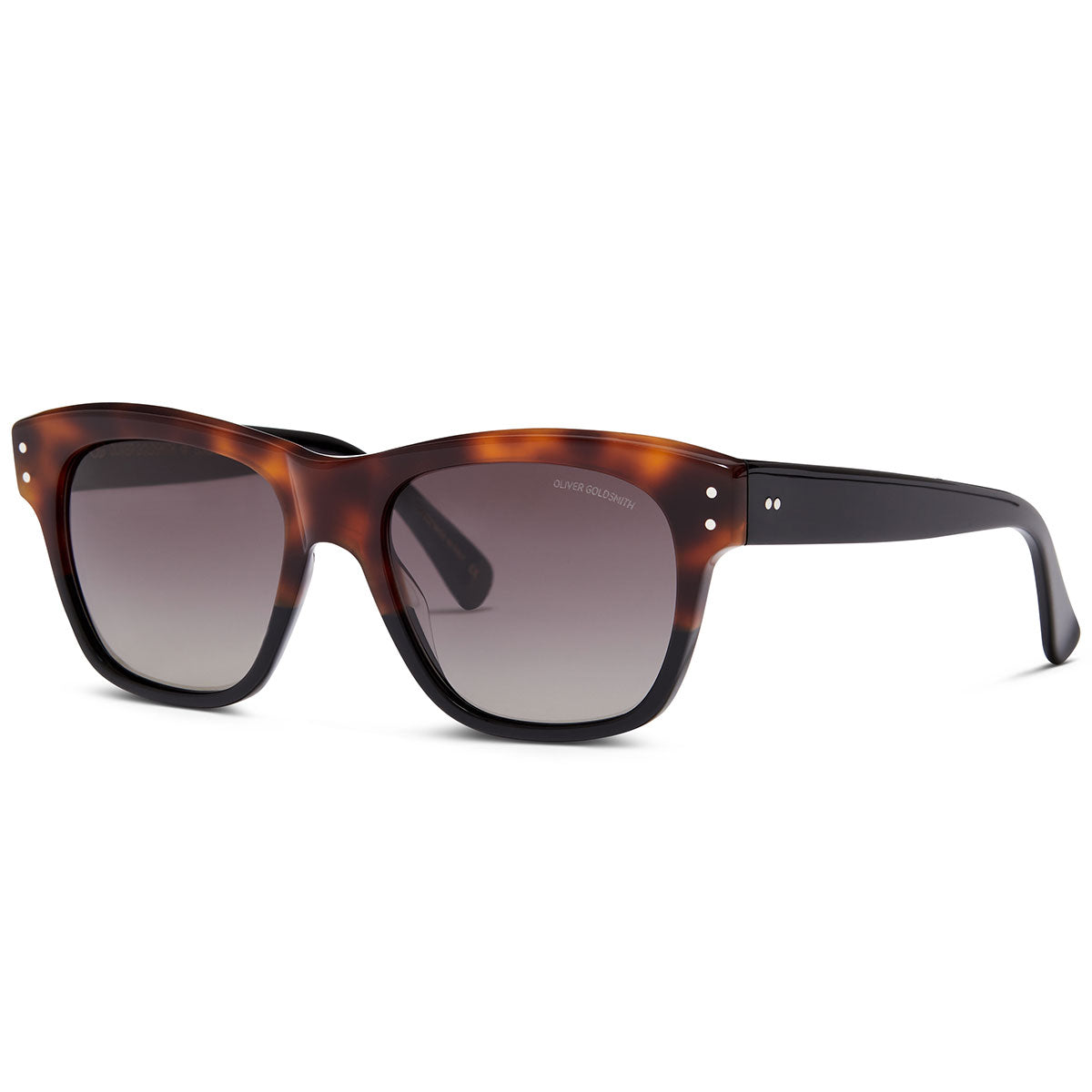
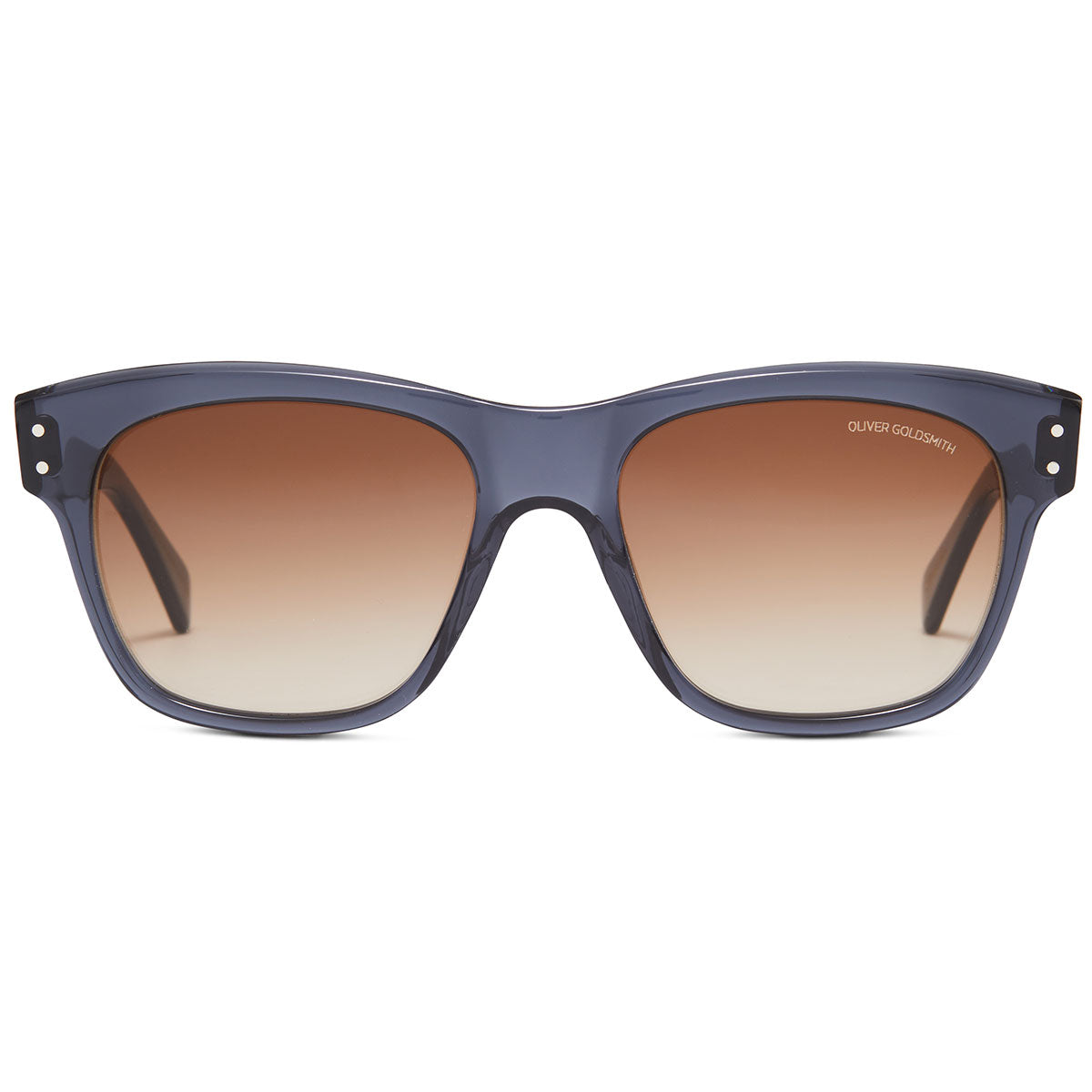
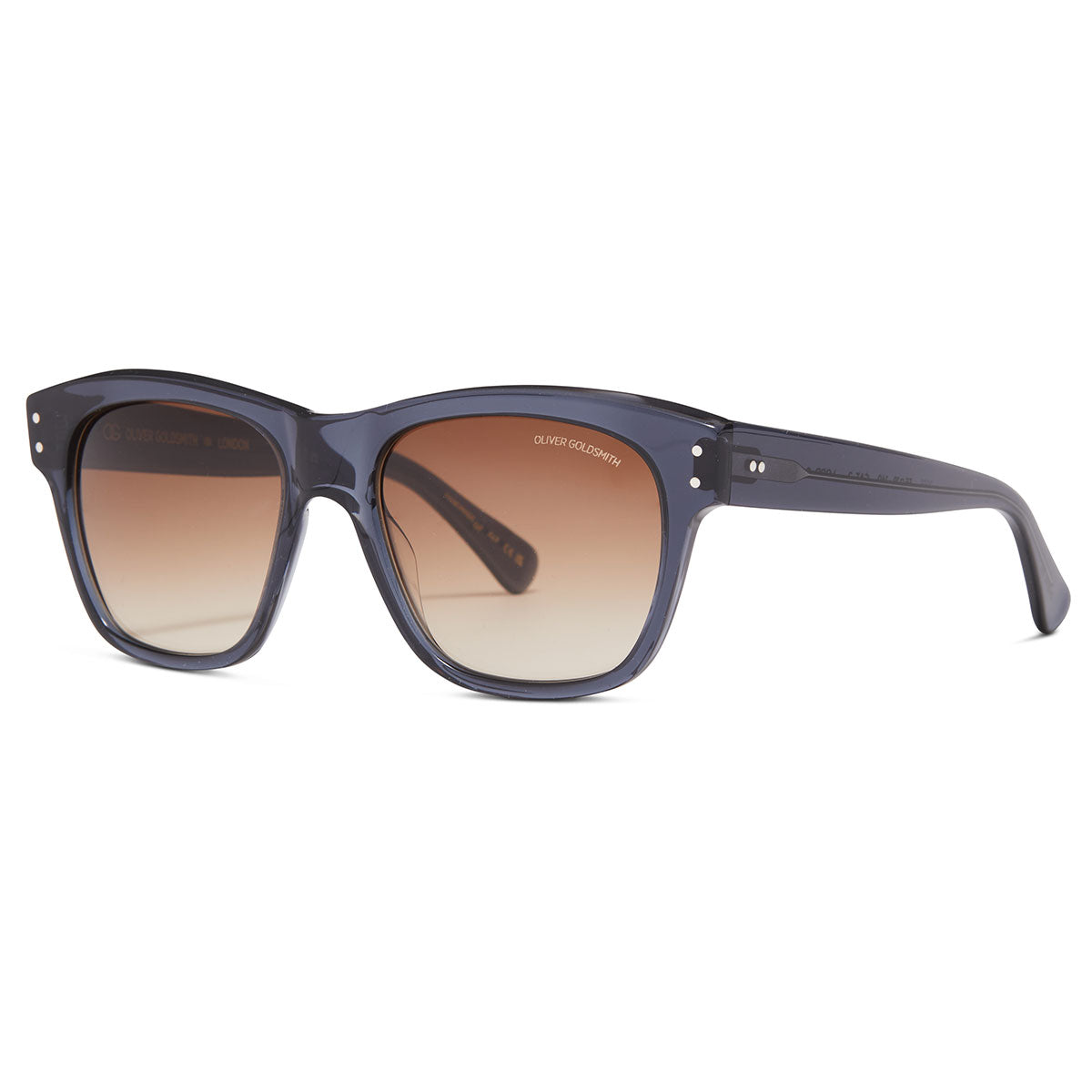
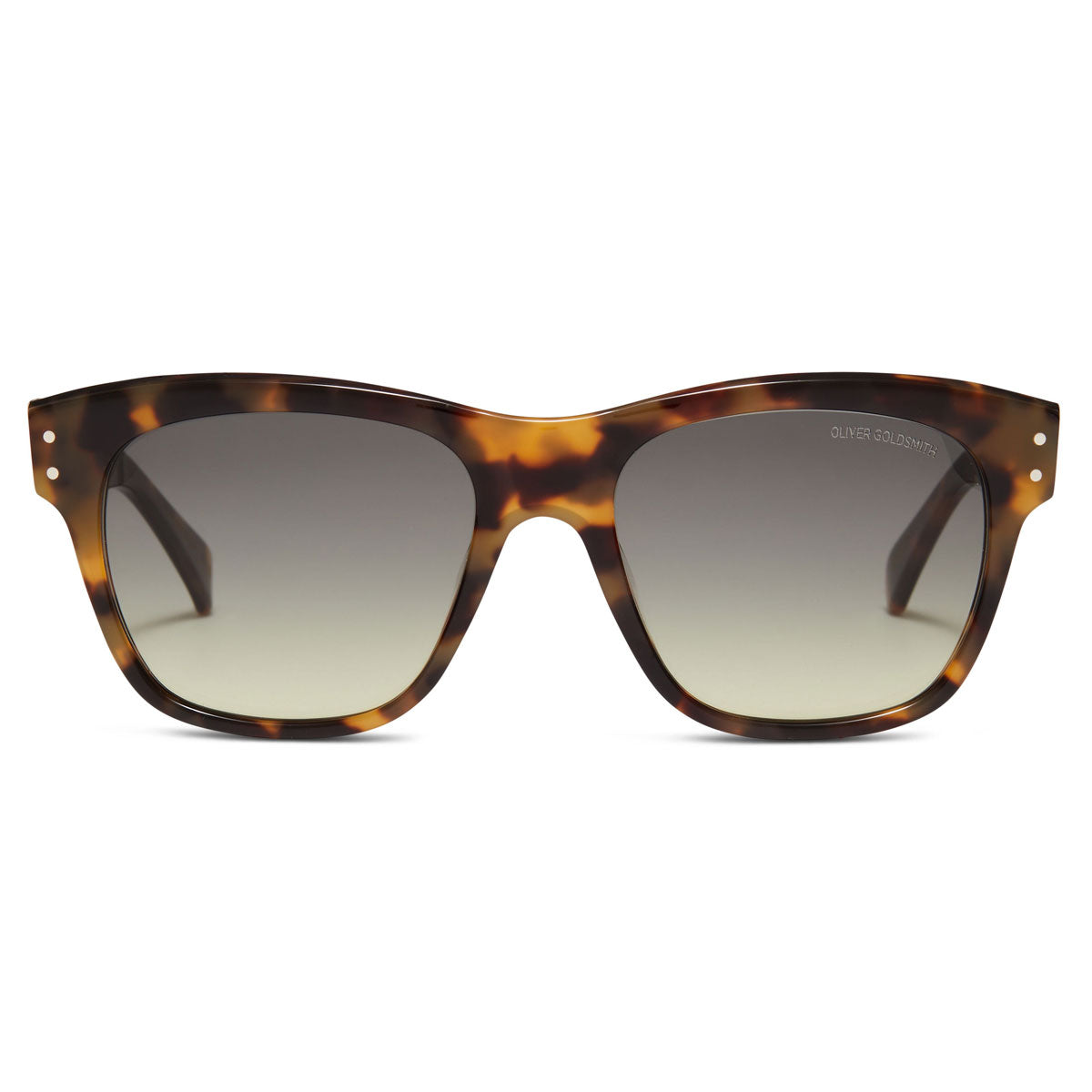
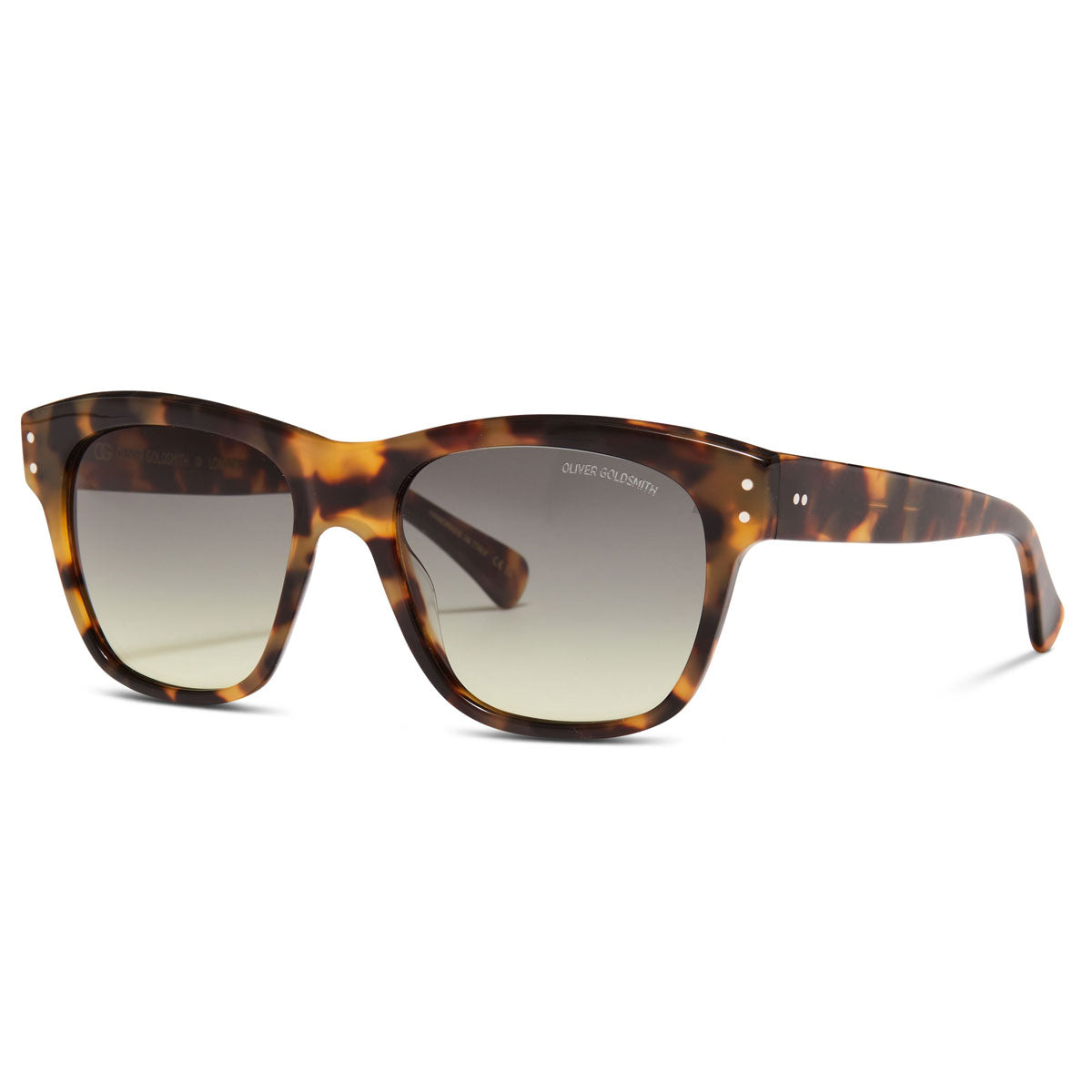
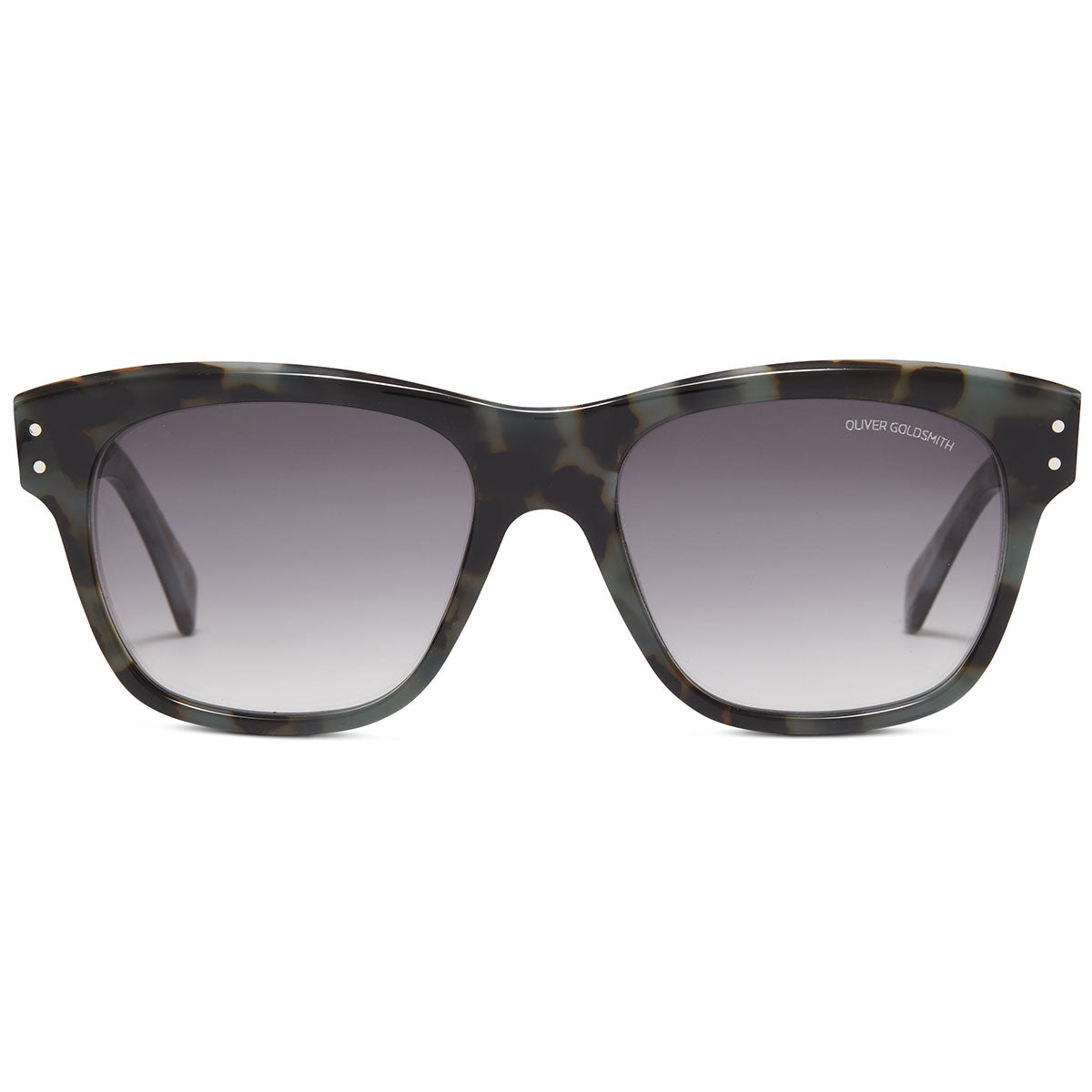
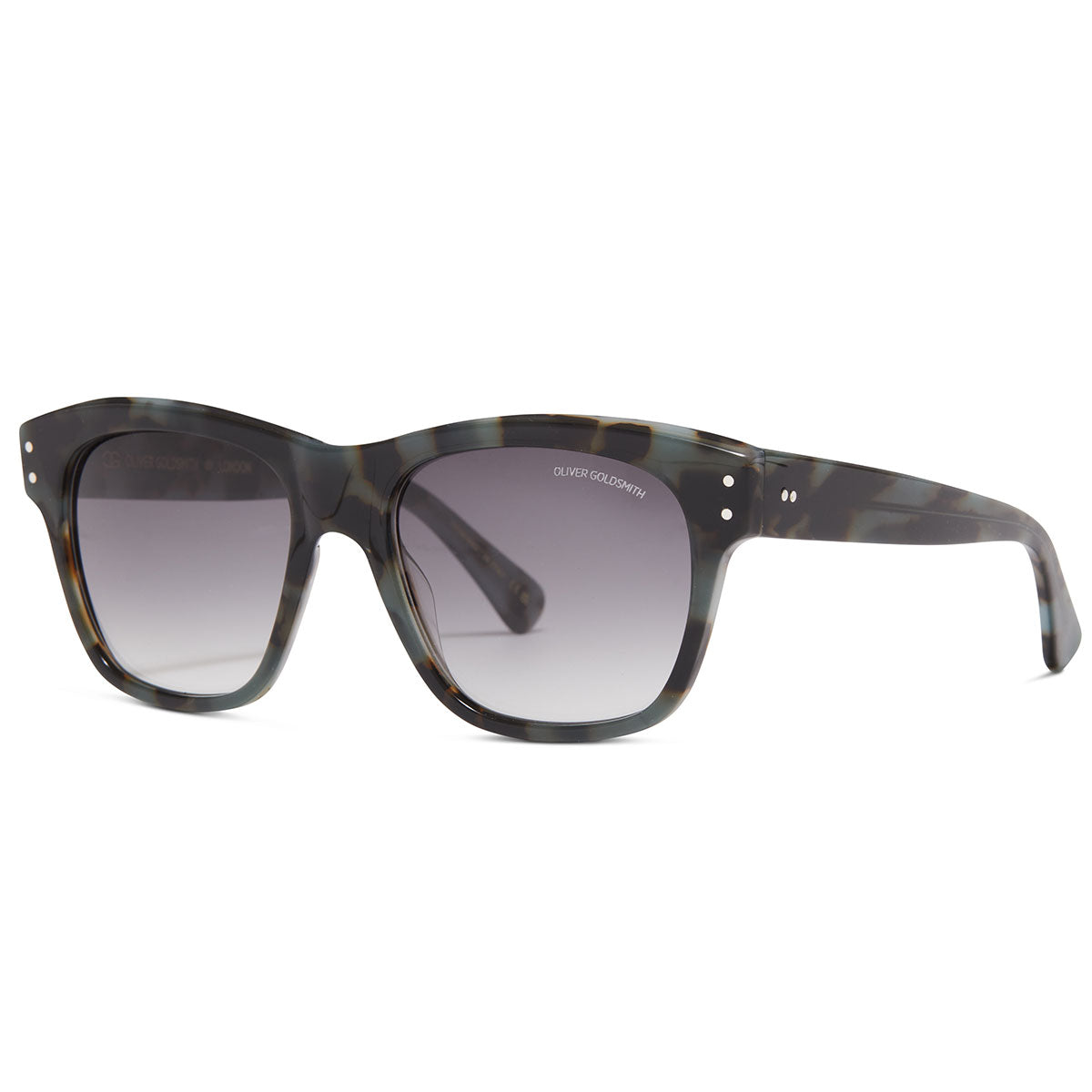
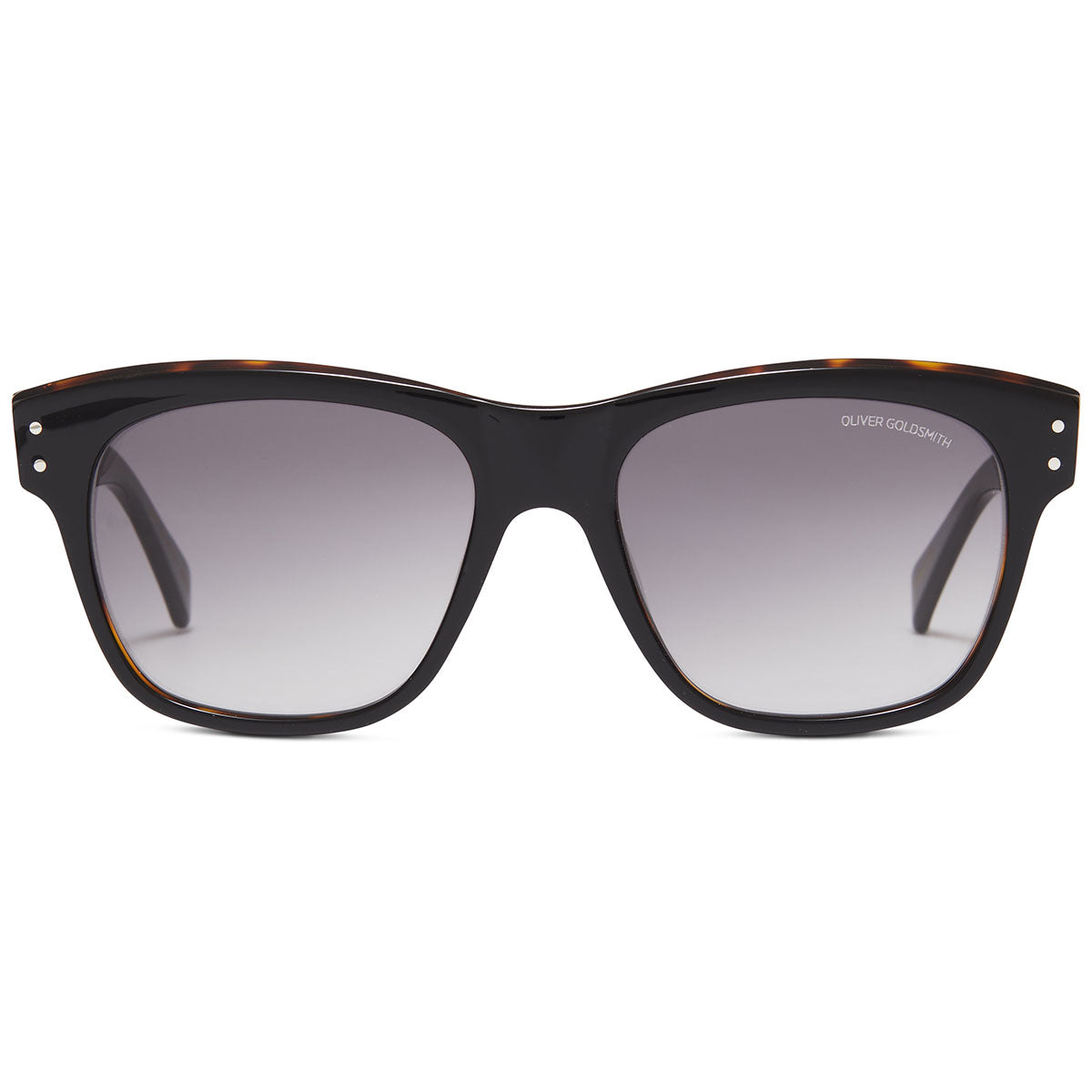
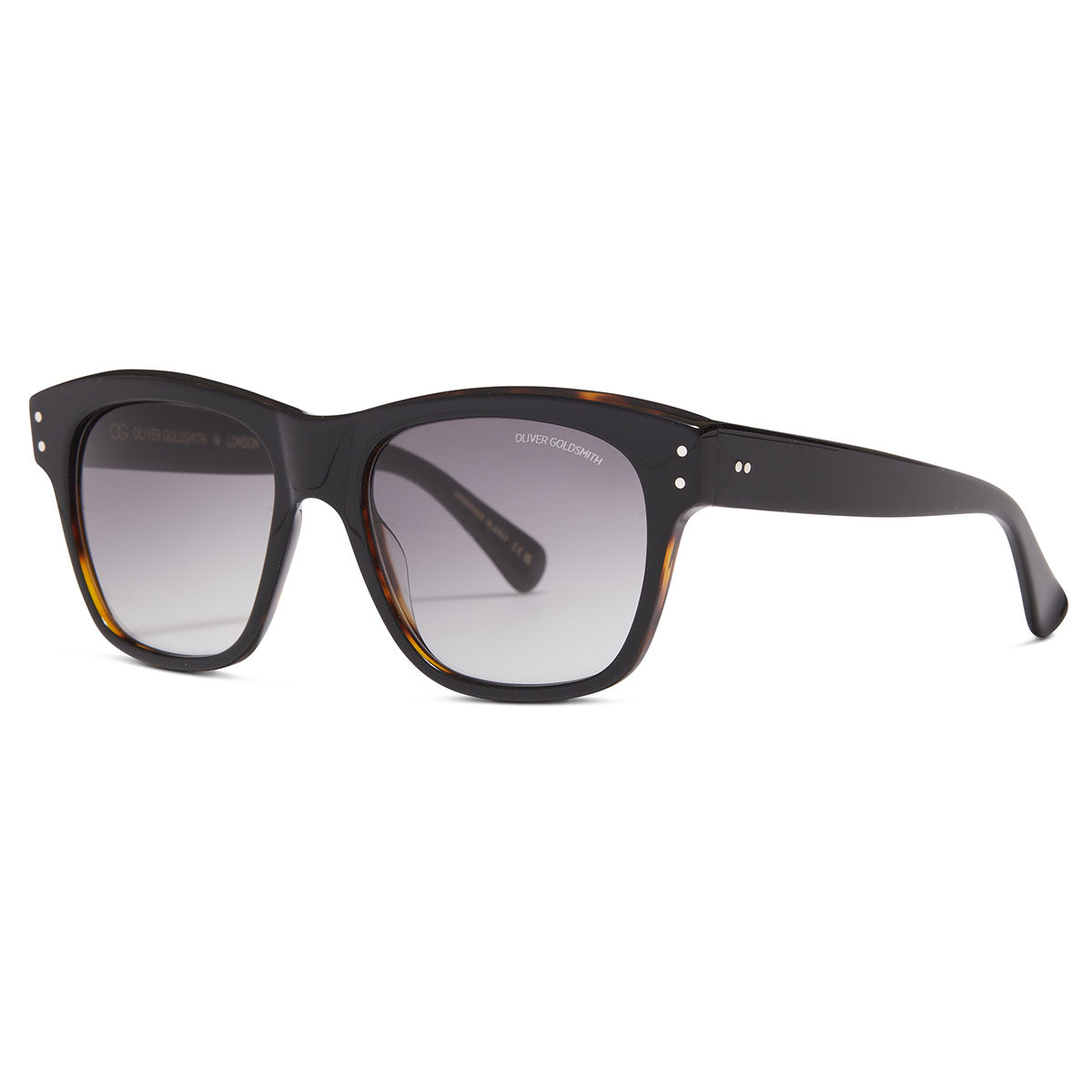
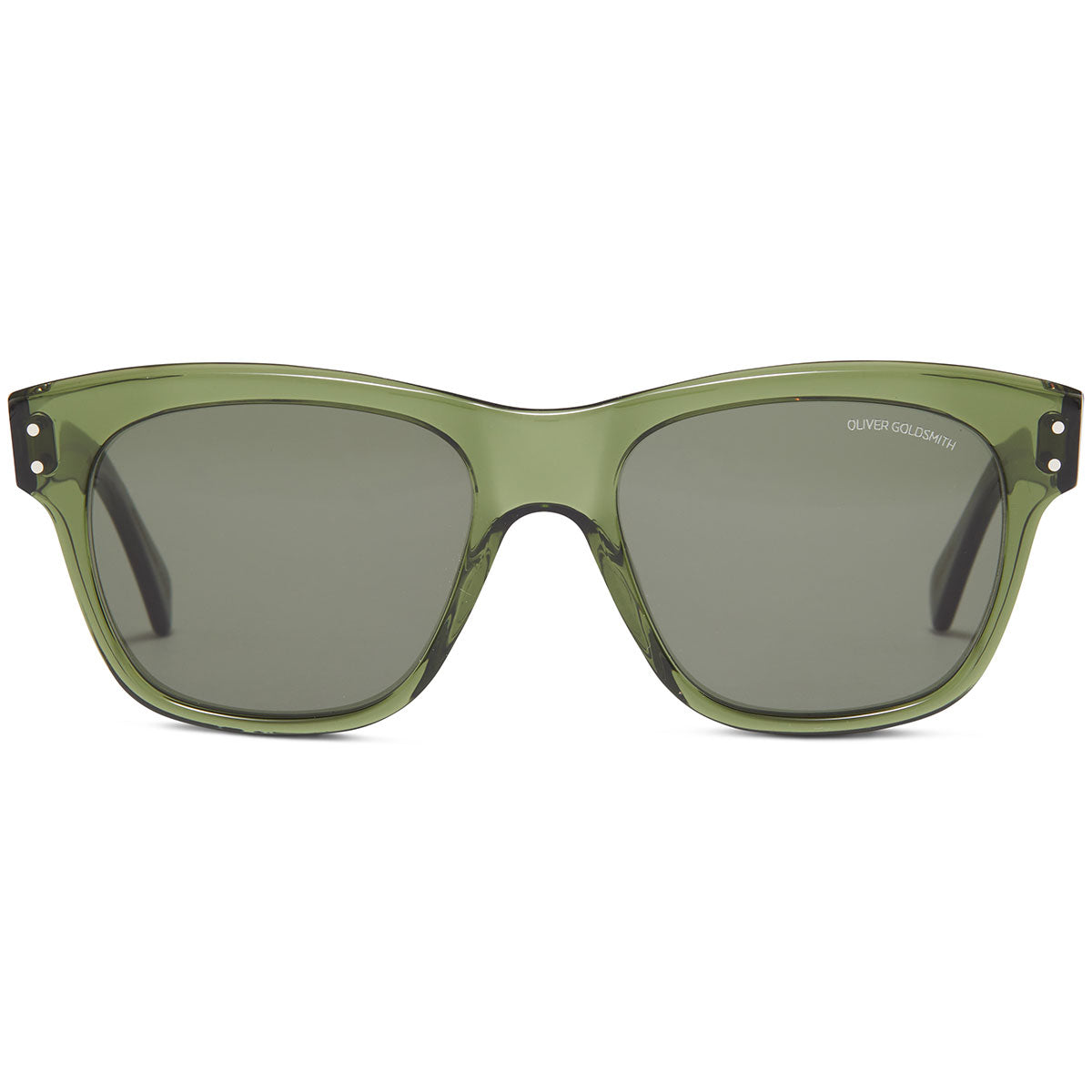
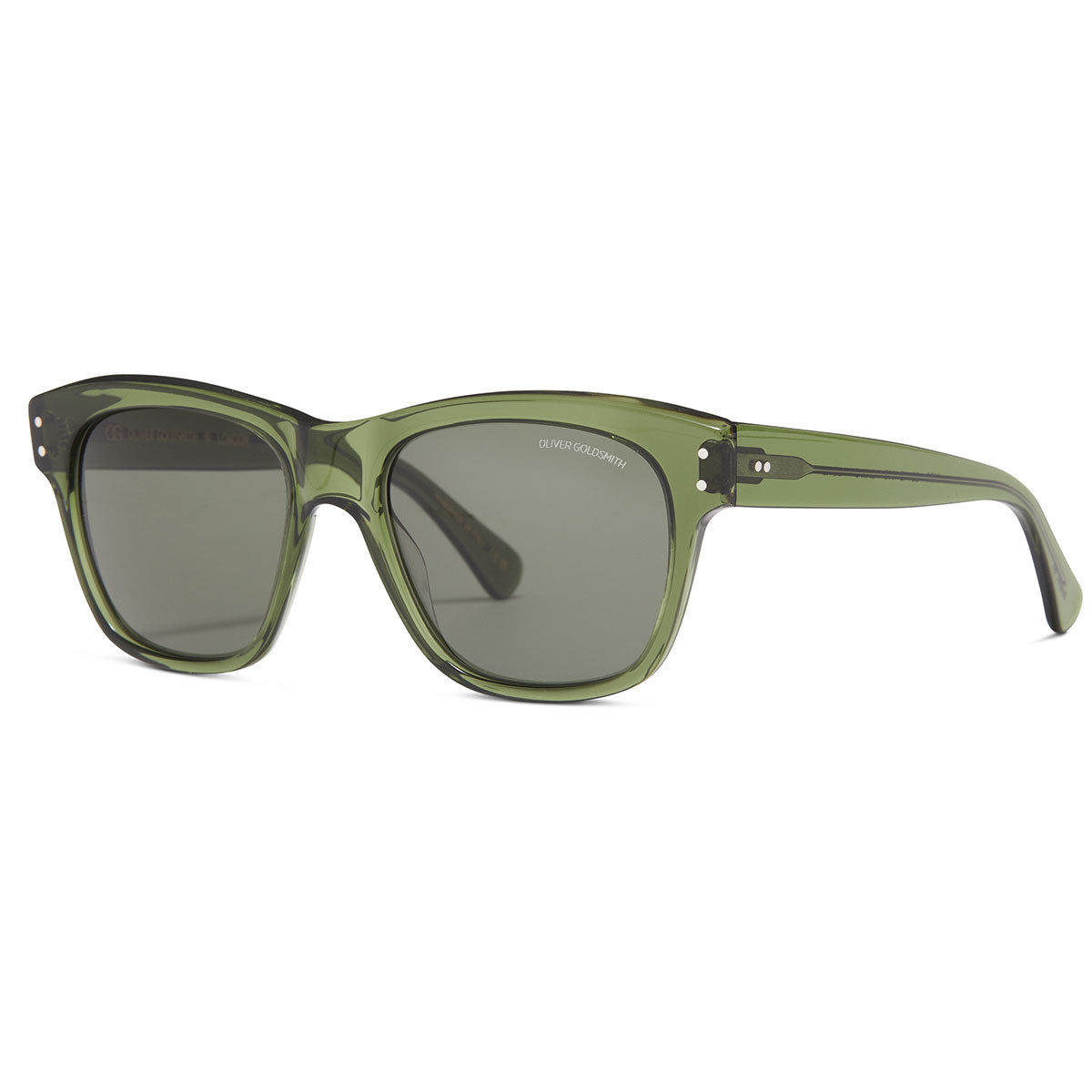
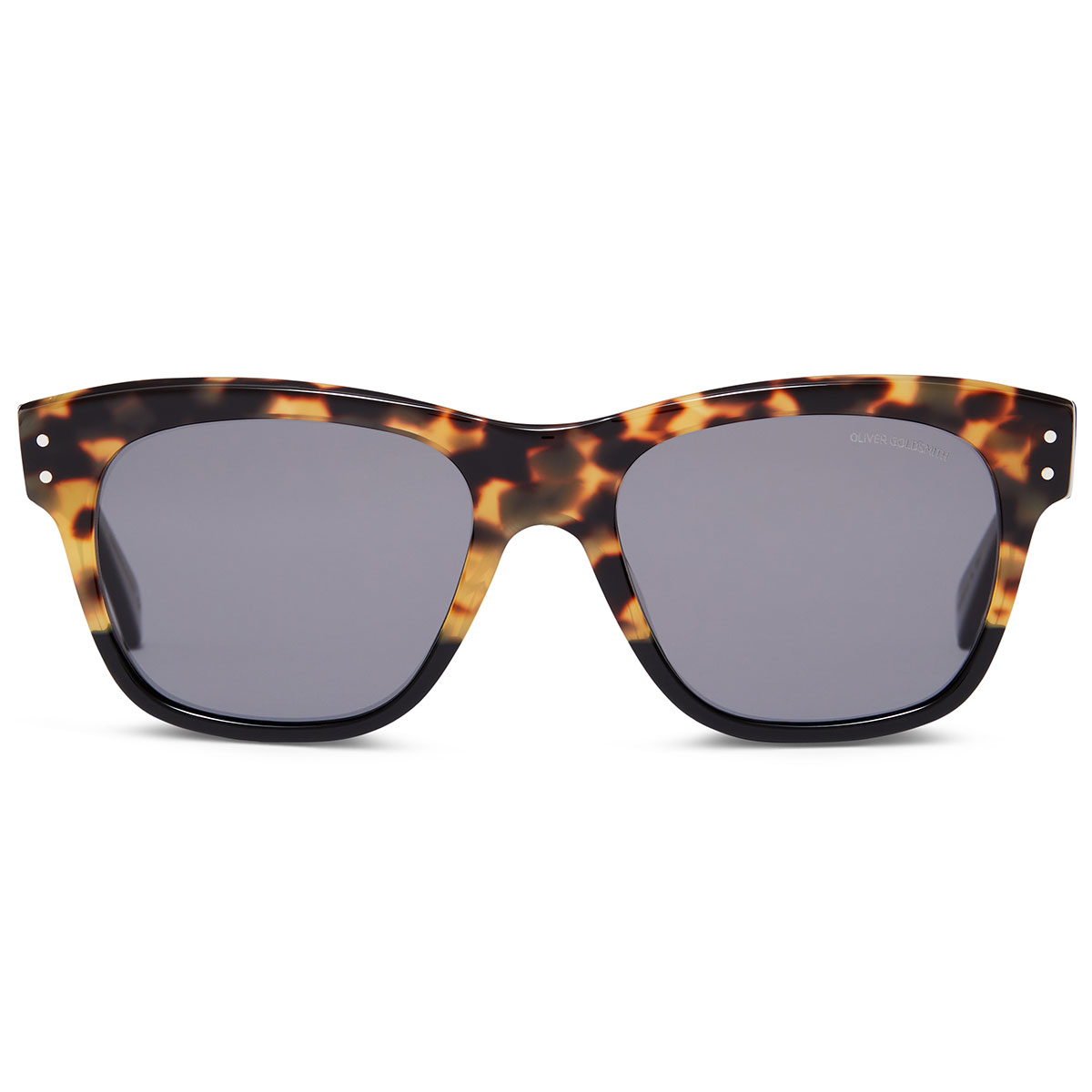
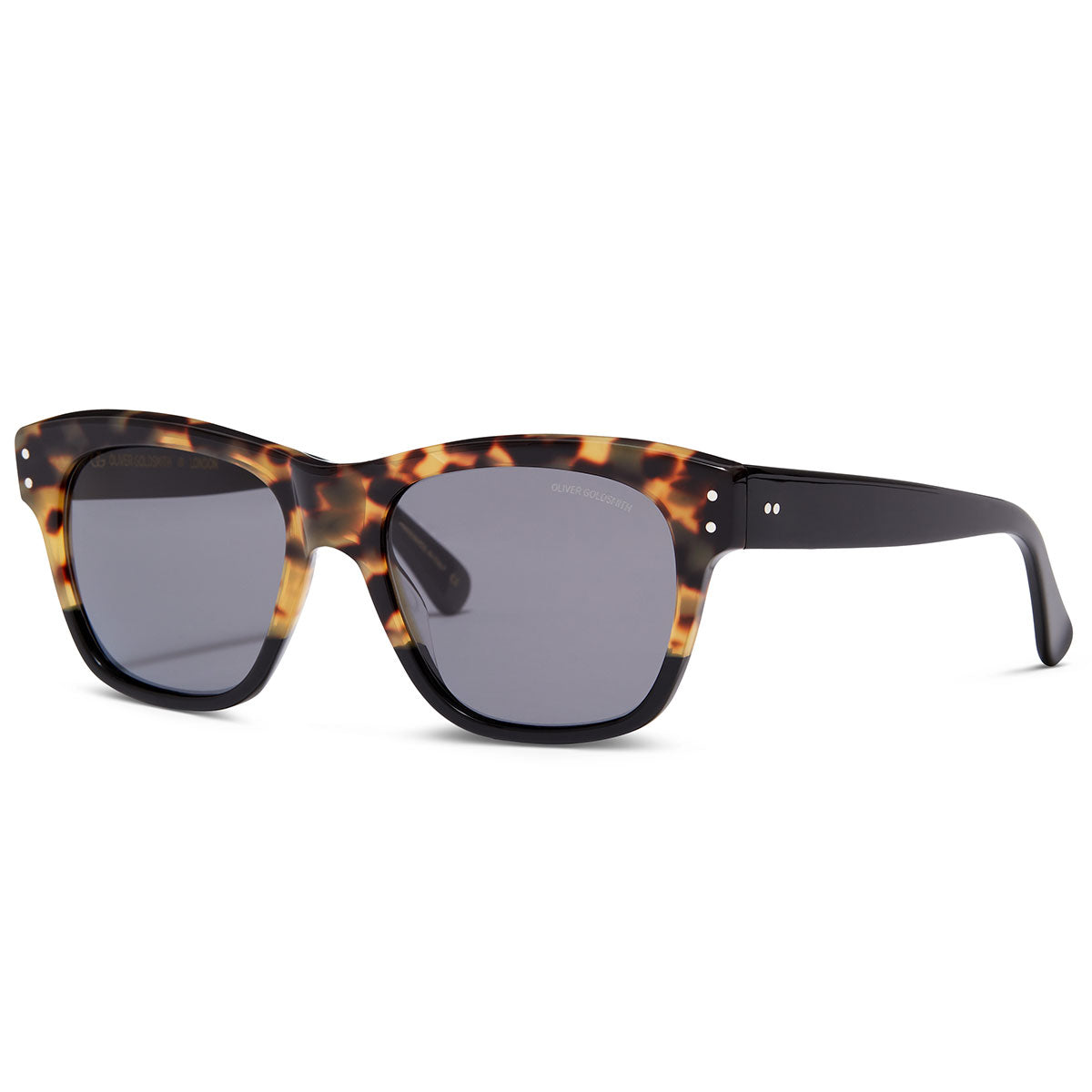
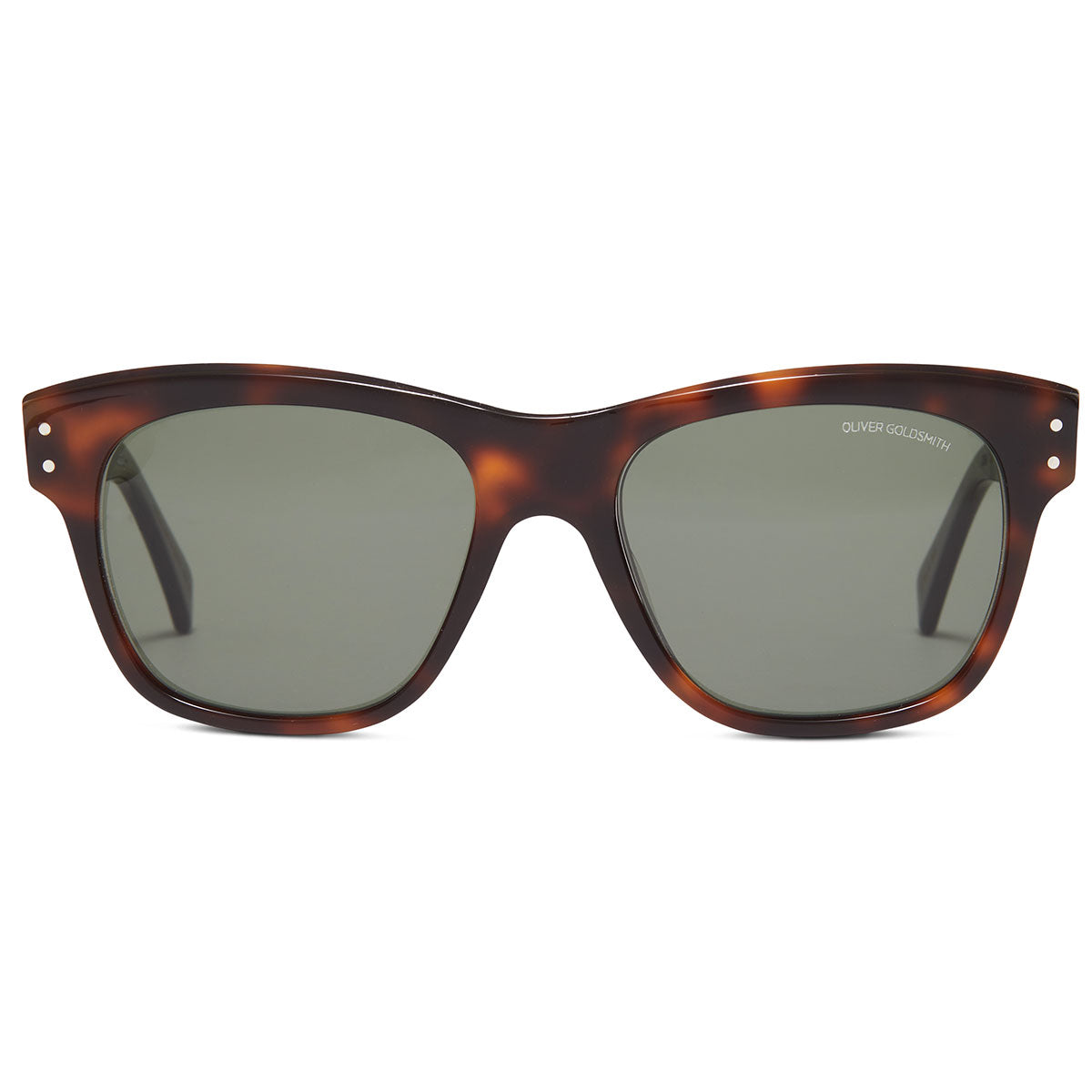
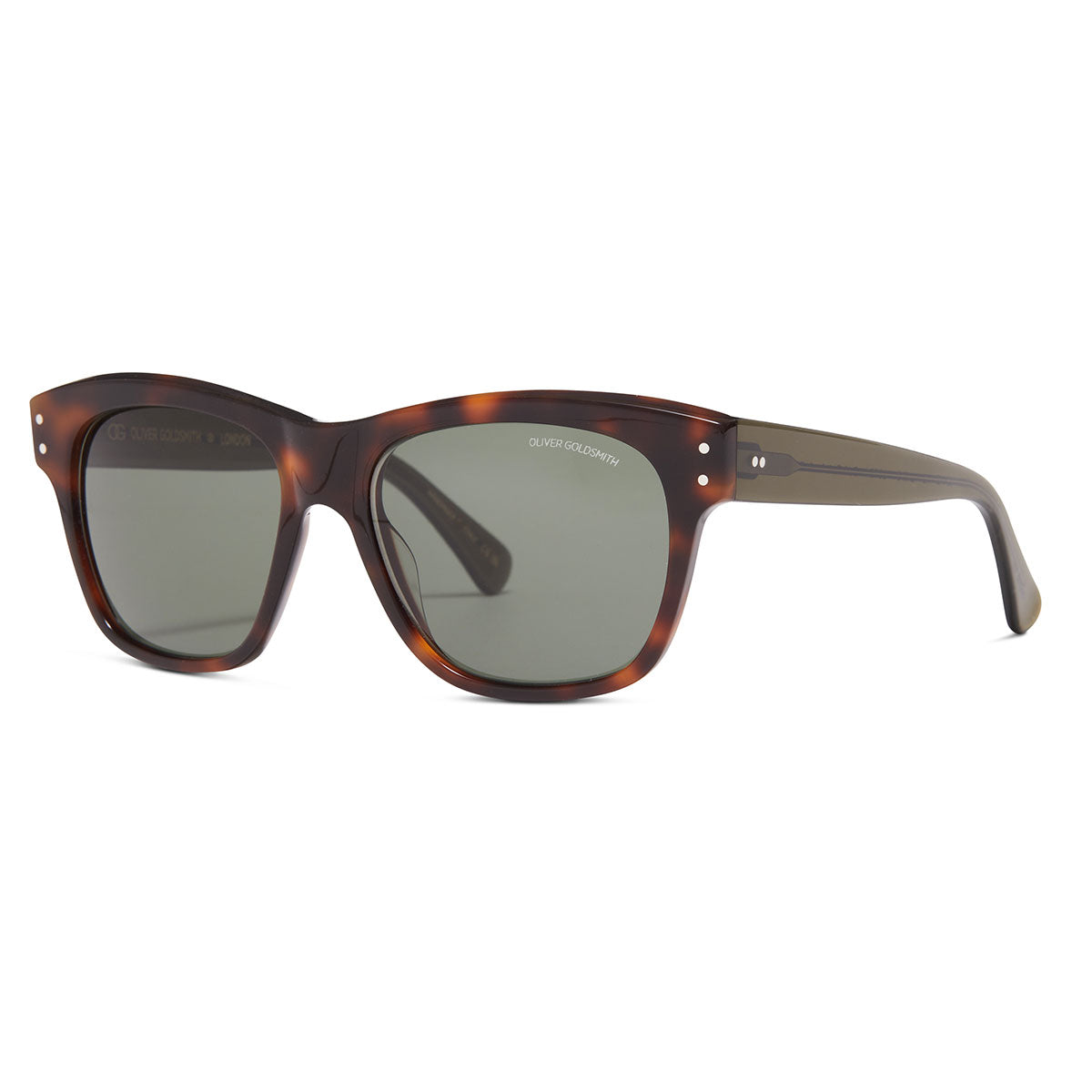
Bestimmte Sonnenbrillen sind zum Synonym für die Berühmtheit geworden, die sie trug. Der Wayfarer ist dafür ein Paradebeispiel. Der Schauspieler Tom Cruise trug in seinem Film „Risky Business“ die klassische Ray Ban Wayfarer in Schwarz, was dem Design zum Kultstatus verhalf. Auch die Blue's Brothers sind ohne ihre kultige Wayfarer-Sonnenbrille nicht vorstellbar.
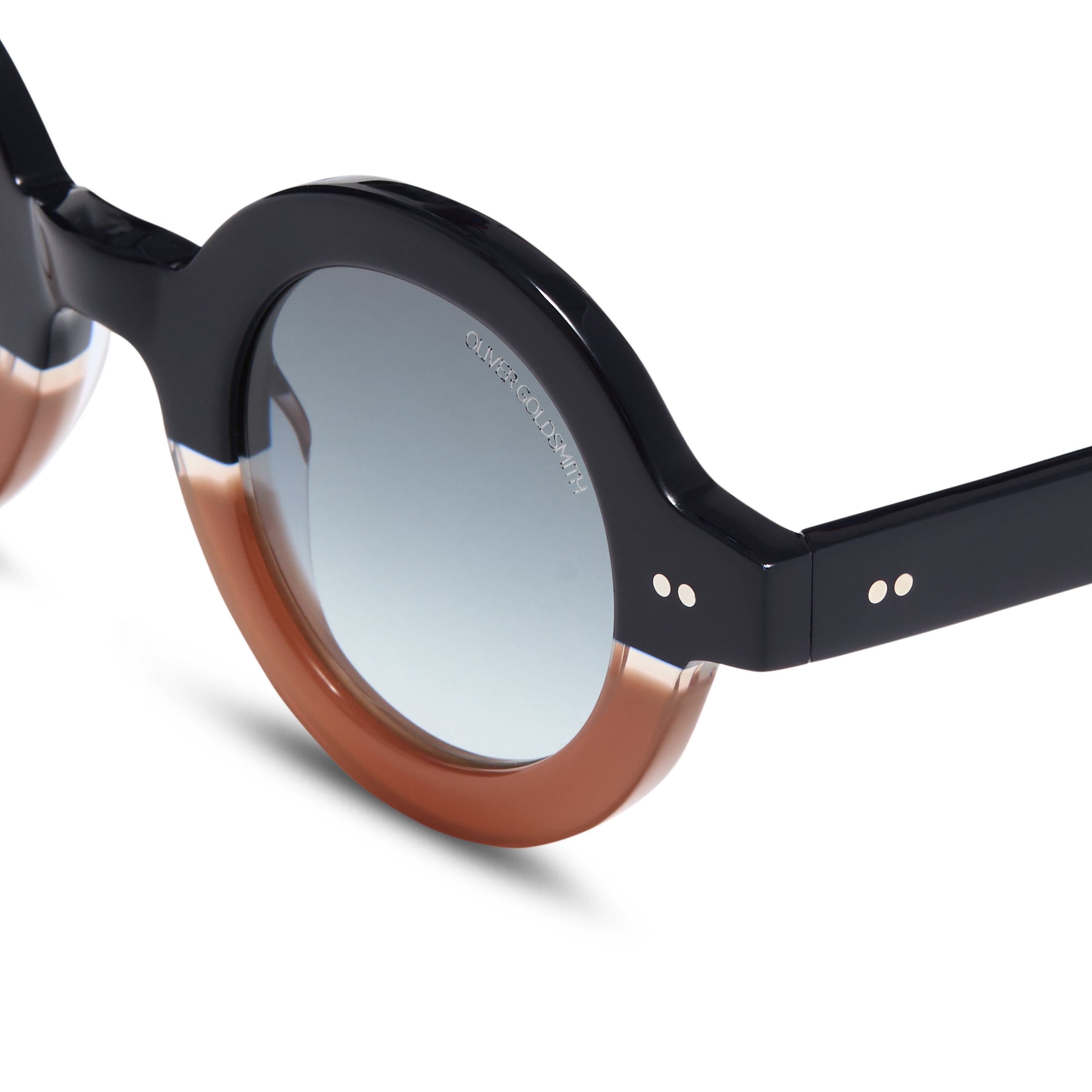
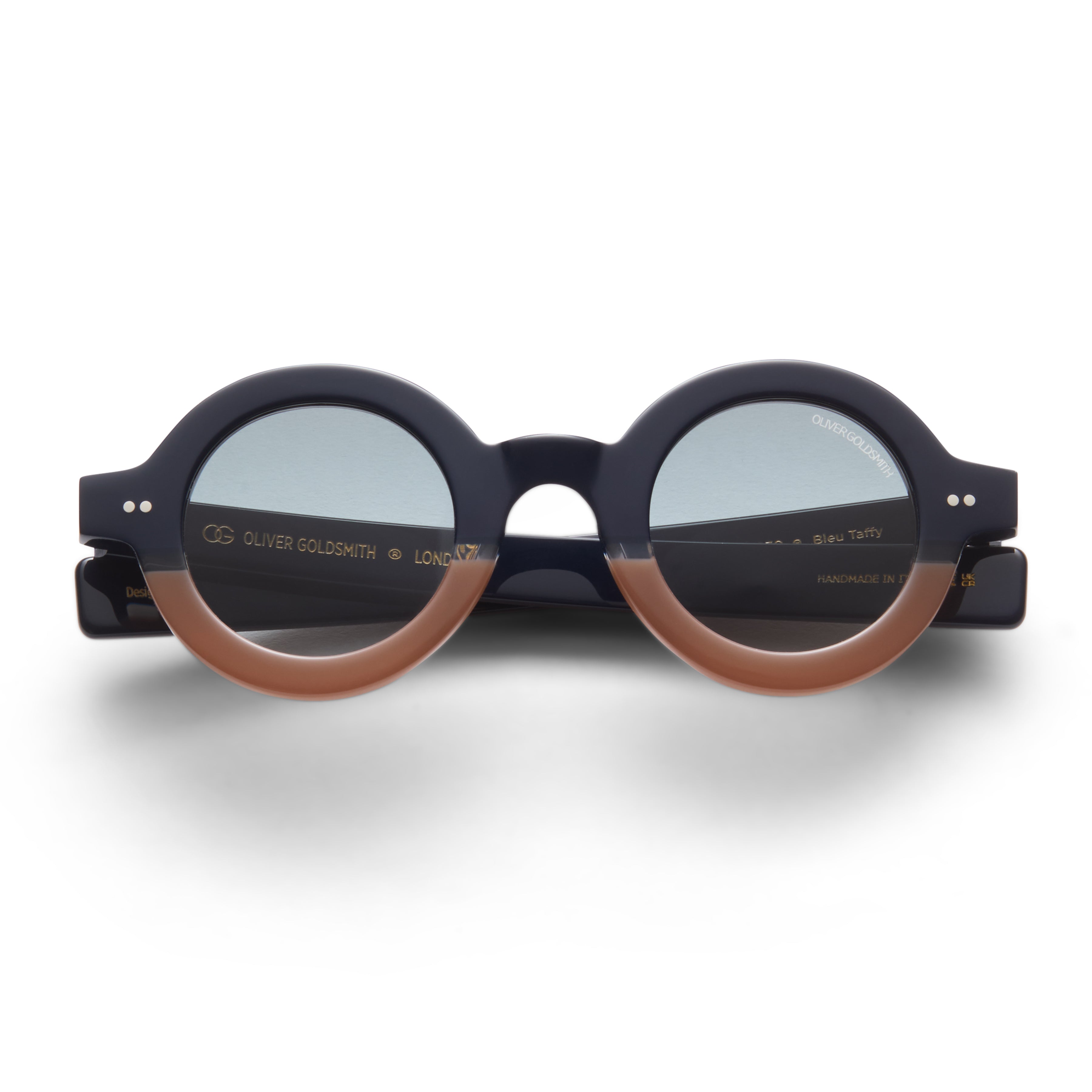
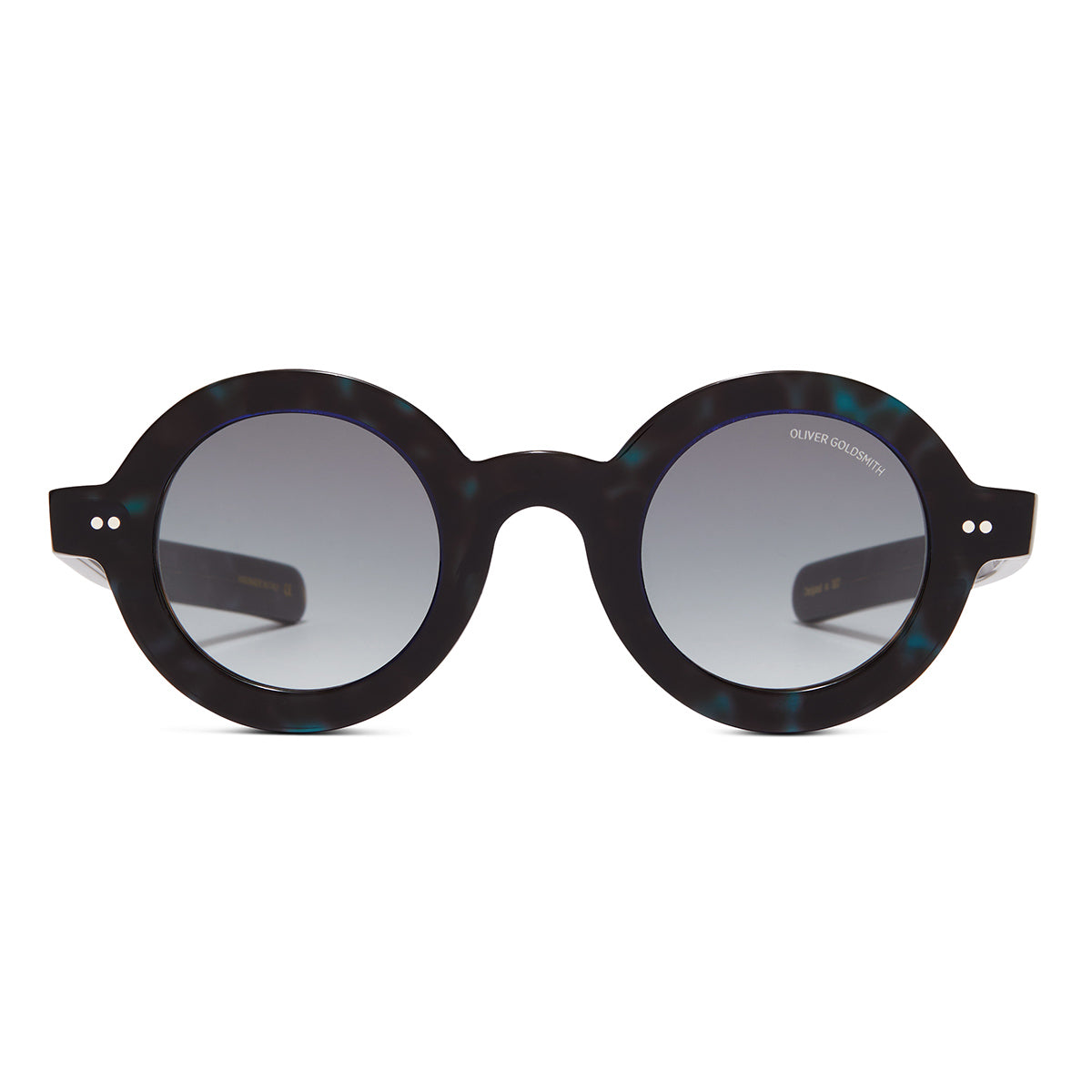
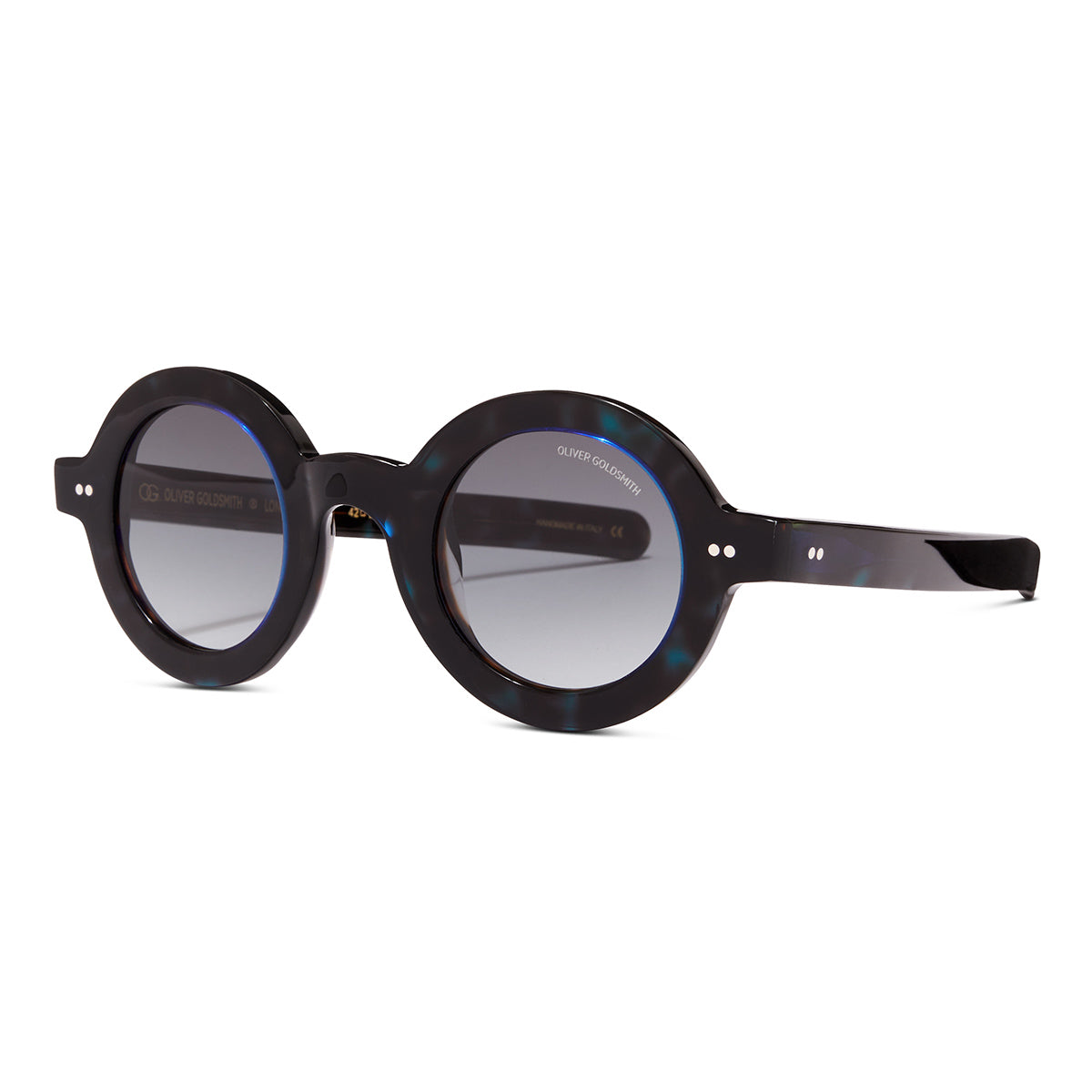
Die Teashade ist ein weiteres Vintage-Sonnenbrillendesign, das seine Popularität auf fast eine Berühmtheit zurückführen kann: John Lennon. Diese ikonische Form wurde ebenfalls von Oliver Goldsmith entworfen und im Dezember 2019 wurde Lennons runde Oliver Goldsmith „Cluj“ Sonnenbrille von Sotheby's für unglaubliche 137.500 £ verkauft.
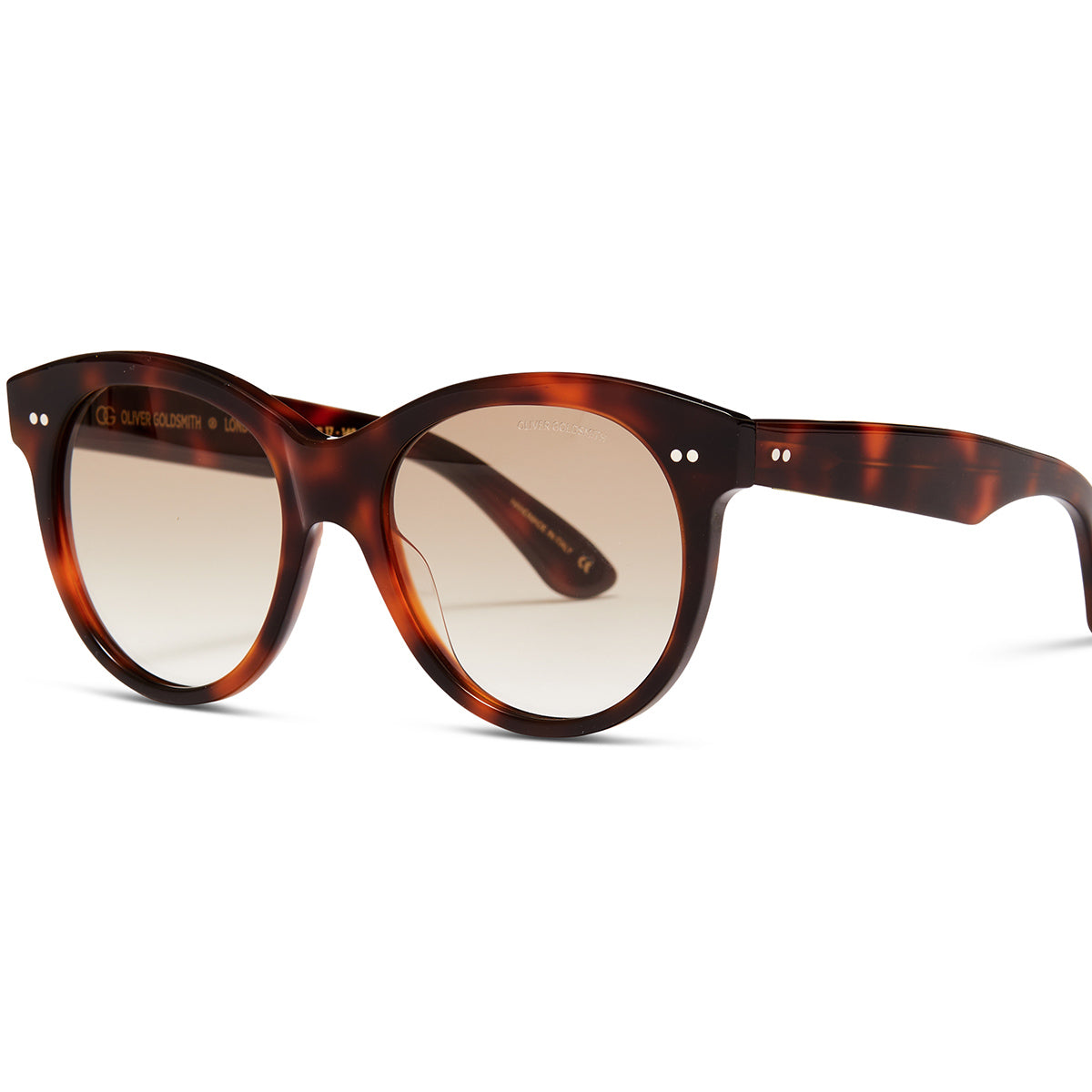
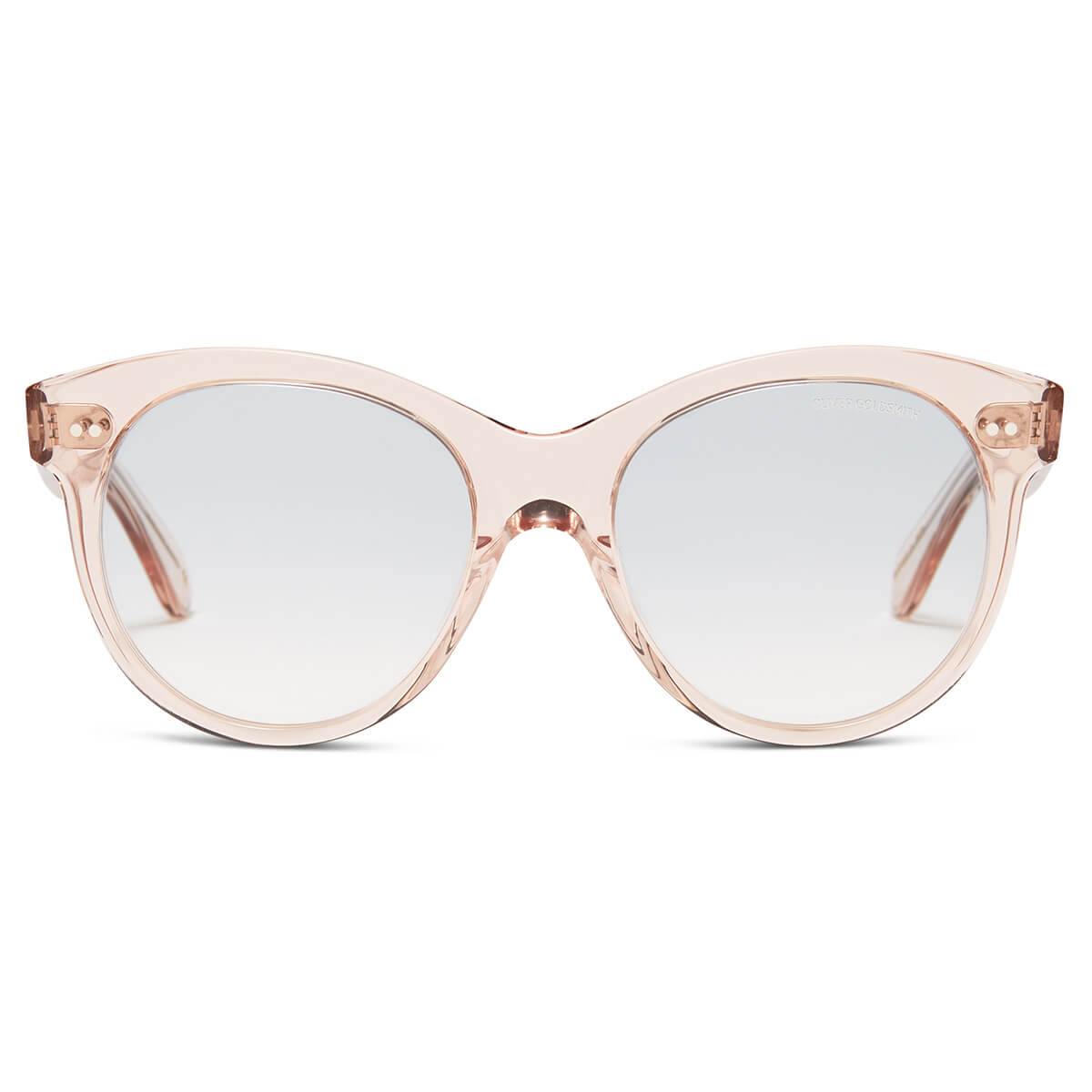
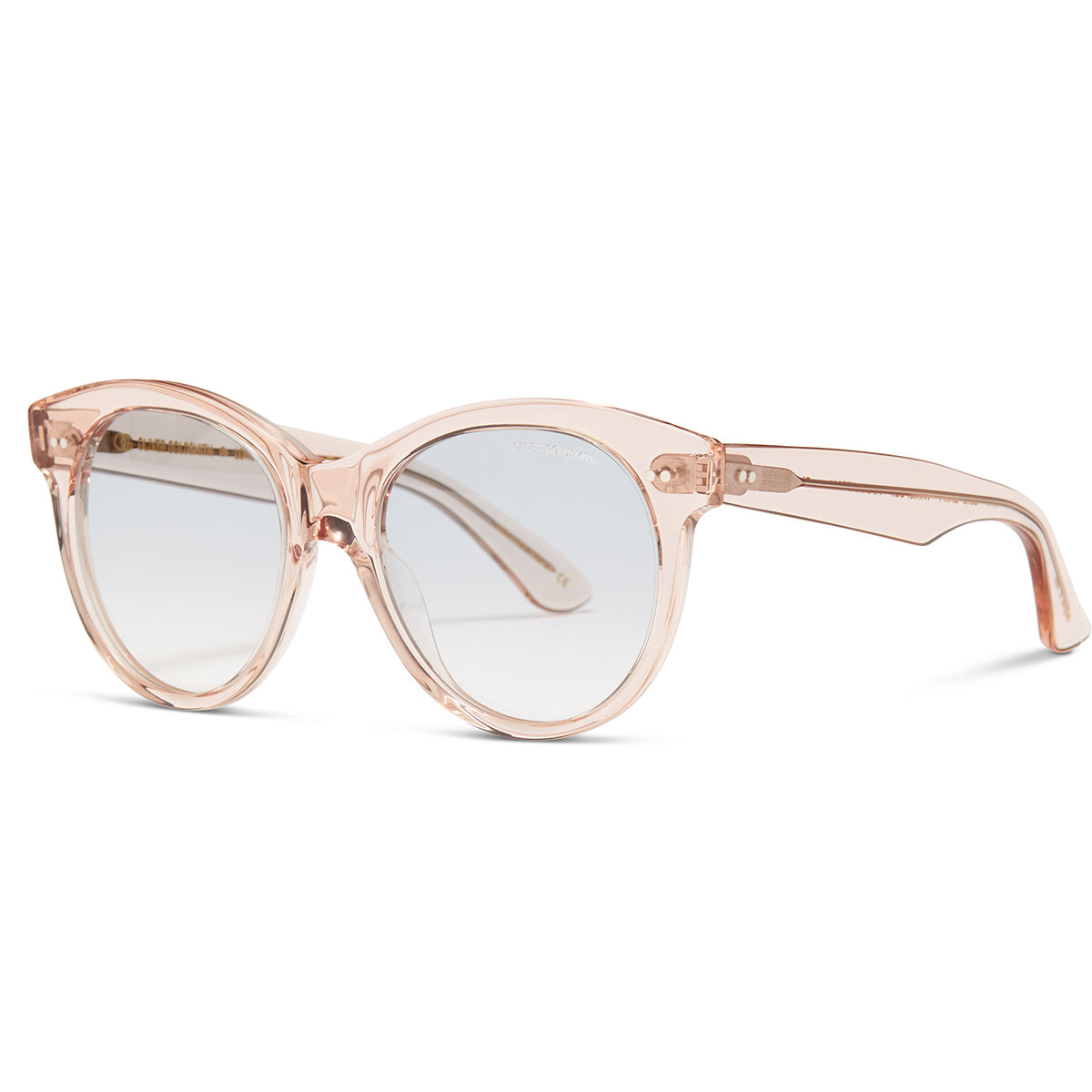
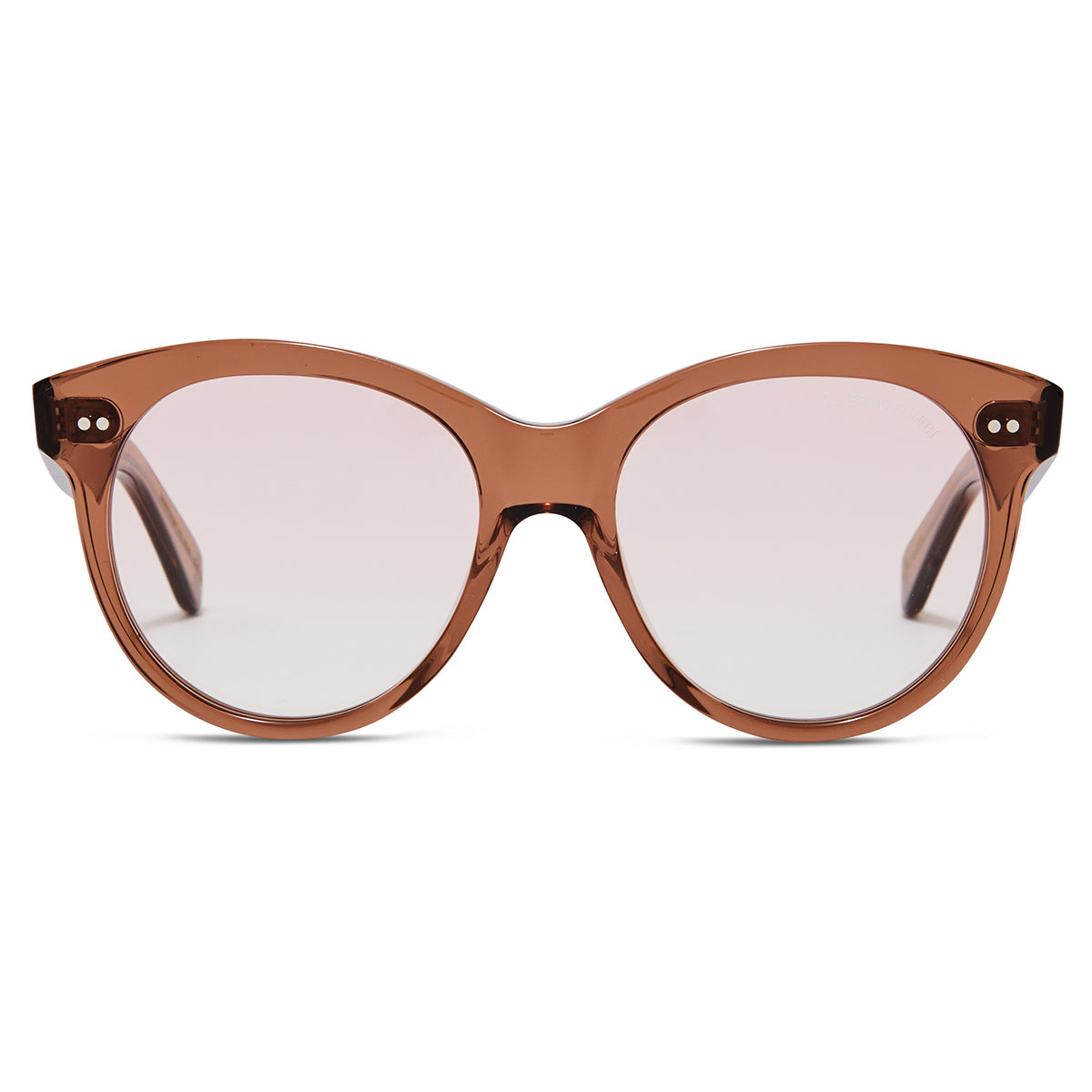
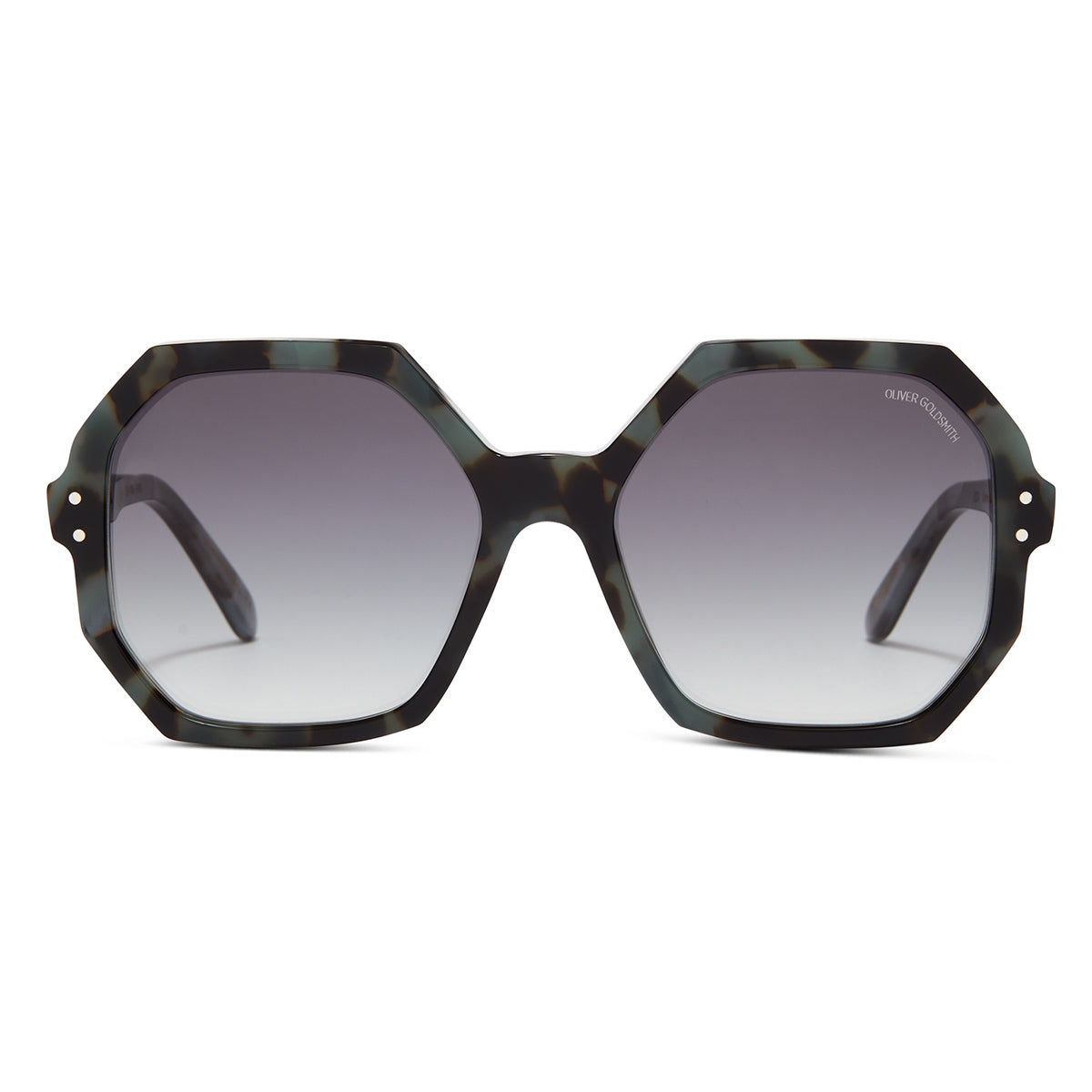
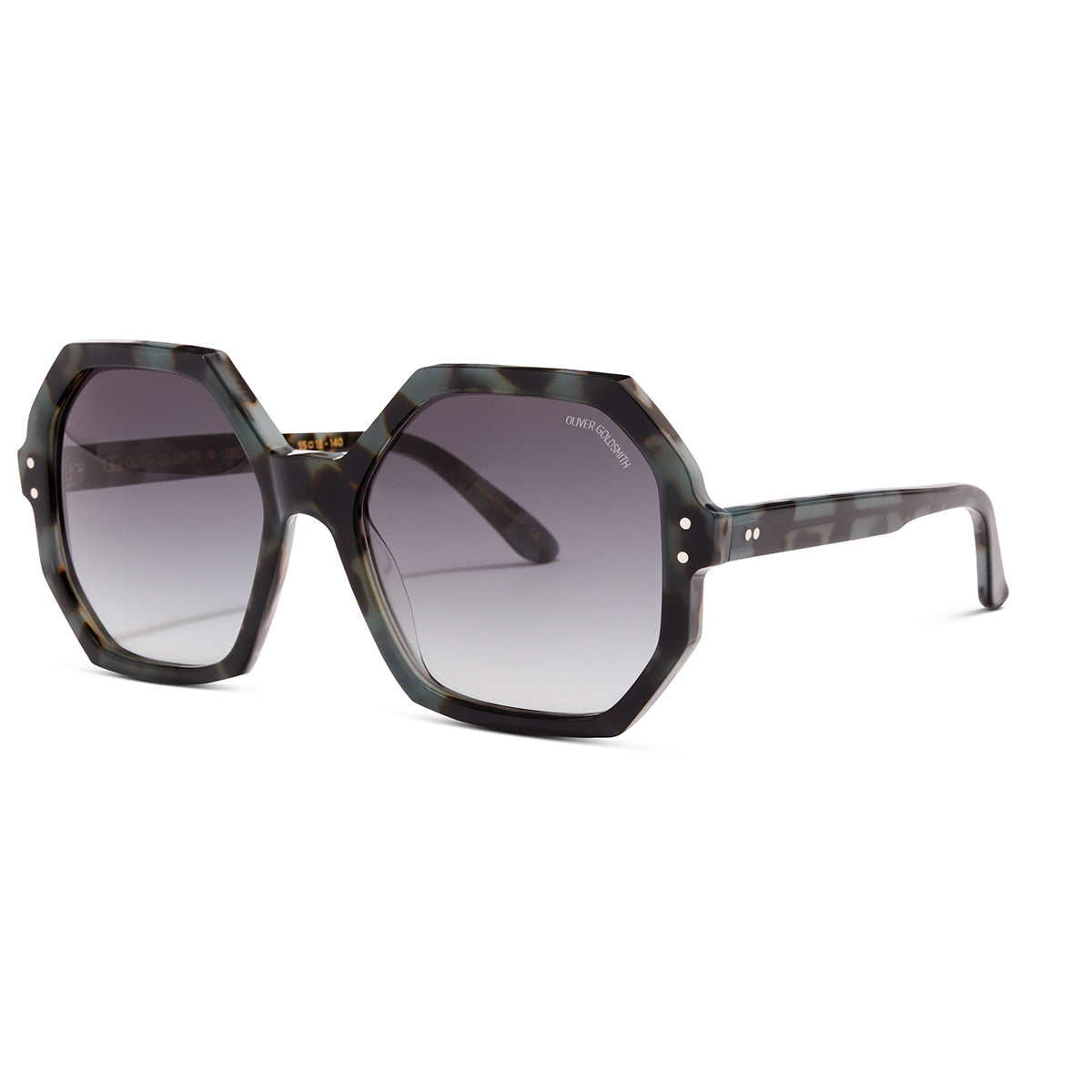
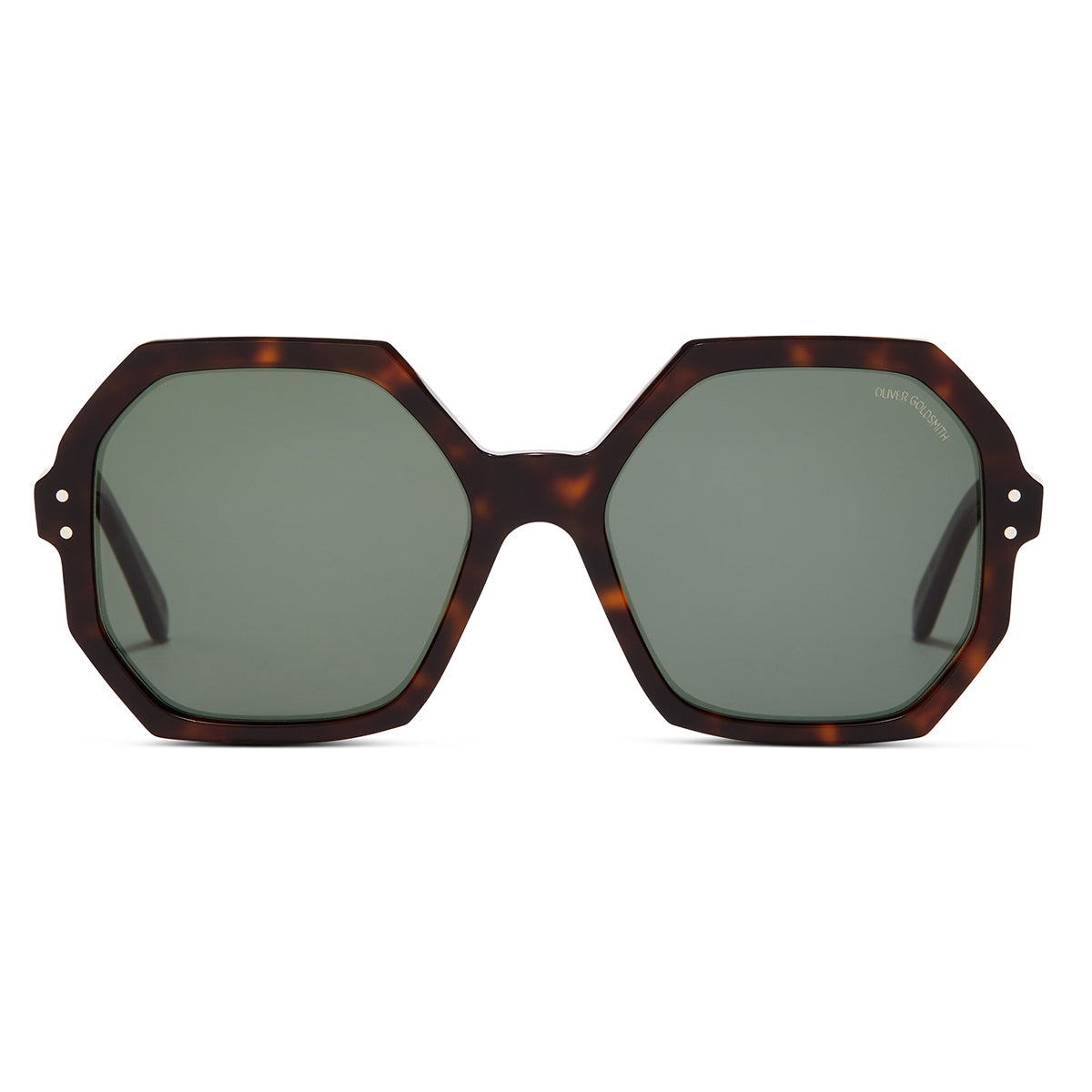
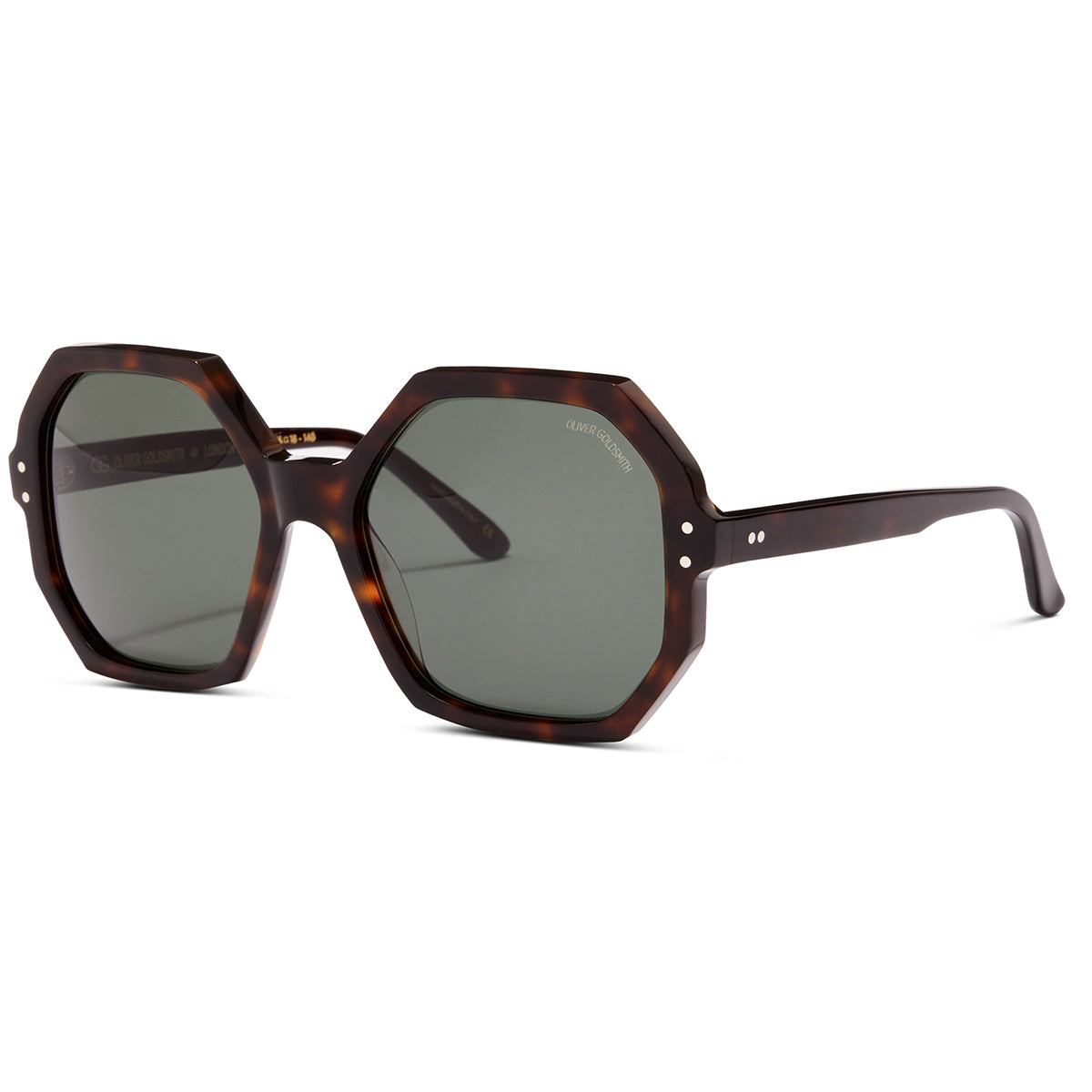
Zu guter Letzt muss die 'Jackie O's' in die Liste der klassischen Sonnenbrillen aufgenommen werden. Der Spitzname stammt von Jackie Onassis, einer ehemaligen First Lady der Vereinigten Staaten, die in den 1960er Jahren zu einer internationalen Stilikone wurde. Berühmt für ihre modernen und schicken Outfits, wirkte ihr Stil so mühelos und zeitlos, dass sie unzählige Trends inspirierte, darunter die Sonnenbrille Jackie O. Fast alle ihre Outfits wurden mit übergroßen dunklen Sonnenbrillen akzentuiert, ein Look, der nicht nur für Jackie selbst, sondern für die gesamte Ära zum Synonym wurde.
Die Erfindung der Brille
Die Erfindung des Spektakels ist nicht vollständig bekannt, obwohl viele Namen und Orte damit verbunden sind. Prähistorische Inuit trugen abgeflachtes Walross-Elfenbein über den Augen, um die Sonnenstrahlen abzuschirmen, und dienten als primitive Sonnenbrillen, aber es ist allgemein anerkannt, dass das „moderne“ Spektakel, wie wir es heute kennen, ungefähr im letzten Viertel des dreizehnten Jahrhunderts in Italien konzipiert wurde.
Obwohl die Holländer und Chinesen alle um den Titel buhlen, weisen die archäologischen Beweise auf Italien hin, wo eine Nietenbrille entdeckt wurde. Frühe Bezugnahmen auf Brillen sind fragwürdig, oft wurde die Anspielung auf das, was wir für eine frühe Bezugnahme halten, möglicherweise mehrere Jahre nach der „Entdeckung“ aufgezeichnet, oder wir beziehen die Bezugnahme auf das, was wir heute als Brille kennen, aber hätte haben können vielleicht etwas ganz anderes sein. Wo historische Daten fehlen, können wir nur auf Kunst, frühe Manuskripte und Texte zurückblicken, um diese primitiven Entwicklungen zu lokalisieren.
Um die Wende vom 13. zum 14. Jahrhundert zeigen historische Dokumente, dass konvexe „Linsen“ an Presbyopiepatienten (Menschen mit alternden Augen) ausgegeben wurden und nachweislich deren Sehvermögen verbesserten, während dies die früheste Darstellung einer Brille in einem gemalten Kunstwerk sein kann zu sehen in einer Reihe von Fresken von Tommaso Da Modena im Jahr 1352 im Kapitelsaal des Seminario in der Kirche San Nicolo in Süditalien. Glücklicherweise stammen die Vintage-Brillendesigns, die wir heute kennen, von viel späteren historischen Aufzeichnungen und Referenzen, wodurch sie leichter zu identifizieren sind.
The scissor spectacle and rivet spectacle, two lenses connected by either a rivet or a V shaped frame and precariously balanced on the nose, are other early examples of early eyewear designs. Napoleon Bonaparte was short-sighted and apparently wore a pair to help rectify this. The quizzer glasses, a single lens held up to the face by a handle were a favourite among the British upper classes and were often manufactured in gold or silver, for added opulence. These early glasses were always designed to be seen, often fitted with small rings or rope, they could be attached to your clothes and hung allowing the ornamental flourishes to be displayed.
The Lorgnette, despite being a French word, was designed by an Englishman, George Adams in around 1770. This delicate design was a new style of folding spectacles featuring lenses attached to a handle that they could fold neatly into. These opera-style glasses were incredibly popular and were, along with the Monocle (a single lens held up to the eye) adopted by the upper classes of the eighteenth and nineteenth century. Today you can see modified versions of these vintage sunglass designs incorporated into jewellery and other eyewear accessories; necklaces that have small prescription glasses hanging from them that you can hold up to your face to read, or chunky acetate chains that incorporate a single lens among one of the links.
Humans are particularly good at innovating and with each decade came a new array of spectacle design. Developments in materials, tools and manufacturing techniques paved the way for the modernization of these, although ornate, humble designs. Fashion played a large part in dictating these developments, the desire to have something more elaborate, chic or unique is a trend that has never gone away. By the late 1800’s to early 1900’s we begin to see a more familiar version of the spectacle we know today; a pair of lenses, with two temples that wrap around the ear. It is these vintage eyewear designs that has been endlessly replicated, reworked and modified.


THE INVENTION OF MODERN EYEWEAR
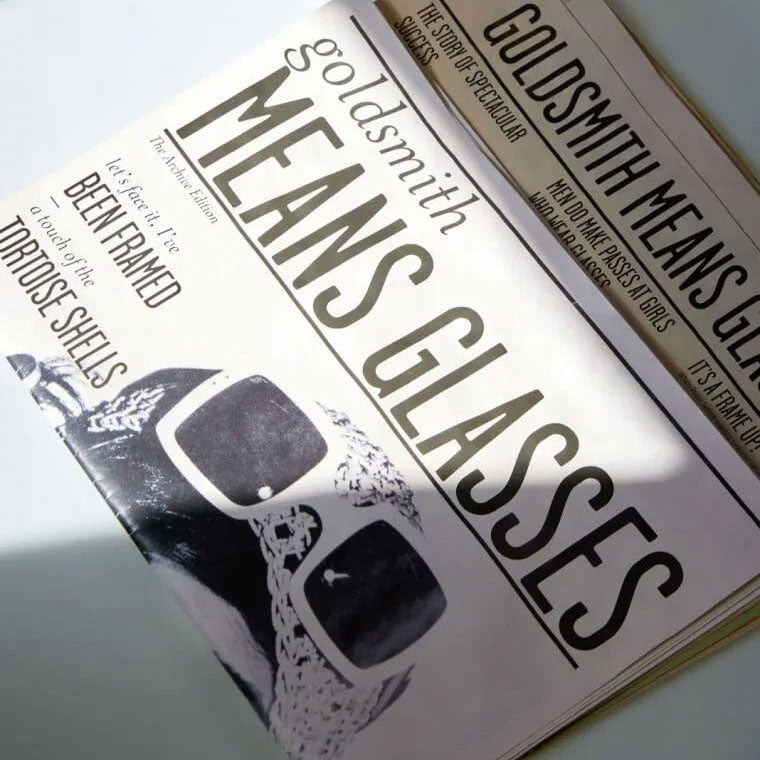
By now, eyewear is commonplace. Prescription lenses serve a very important purpose and the spectacle is worn by all. Gone are the days of the ornate and opulent, the spectacle had become functional and practical, serving simply as a medical device. In 1919, an Englishman named Phillip Oliver Goldsmith was working as a commercial salesman for popular optical firm Raphael’s. Tired of selling these simple, metal designs he set out on a path to change things and launched his own company; Oliver Goldsmith, a brand where functionality and fashion worked hand in hand.
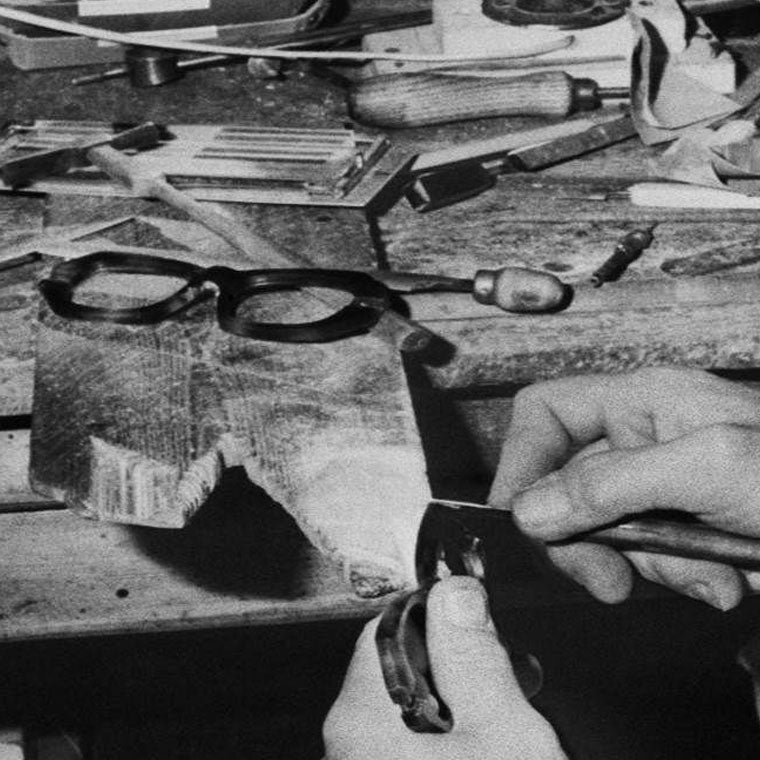
Traditionally, glasses were only really made of one of two materials: (real) tortoiseshell or metal. The introduction of plastic (by Phillip Goldsmith) ignited a tidal wave of innovation. This affordable material was transformational for the industry. It could be heated, moulded, shaped and cut into original designs and was available in many colours. Historically, colour had only been seen on eyewear by inlaying jewels, cut glass or enamel, but plastic made it accessible to all, and the possibilities became endless.
By the late 1940’s Phillip’s son Charles had taken over the business. He shared the same energy for innovation as his father and in 1949, he created ‘Sunspecs’, potentially one of the first ever sunglass designs to be made. He fitted slightly larger and more avant-garde spectacles with coloured glass lenses and they became an instant success.
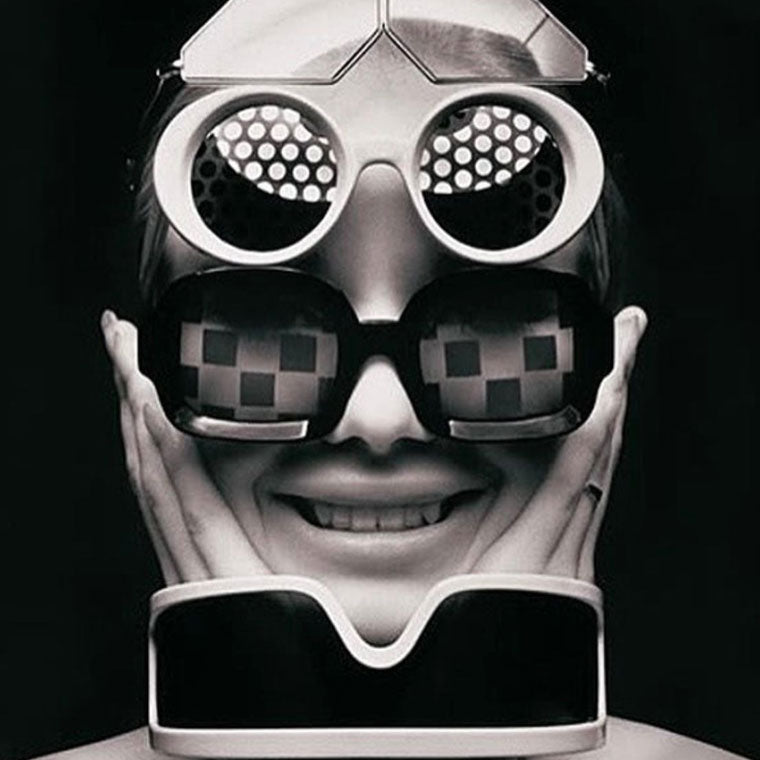
By the early 1950’s sunglasses had gained a high profile and were worn by the most stylish men and women of the era. A selection of unusual designs started to appear, with Oliver Goldsmith at the forefront of this movement, and it is these vintage sunglasses that we see so readily in modern eyewear design today.
As the industry grew, eyewear became an essential part of both men and women’s wardrobes. Couture and independent brands paved the way for original sunglass design with everything from dogs to diamonds being incorporated into eyewear. What eventually emerged from this myriad of design was a small selection of shapes that have gone on to become timeless classics.